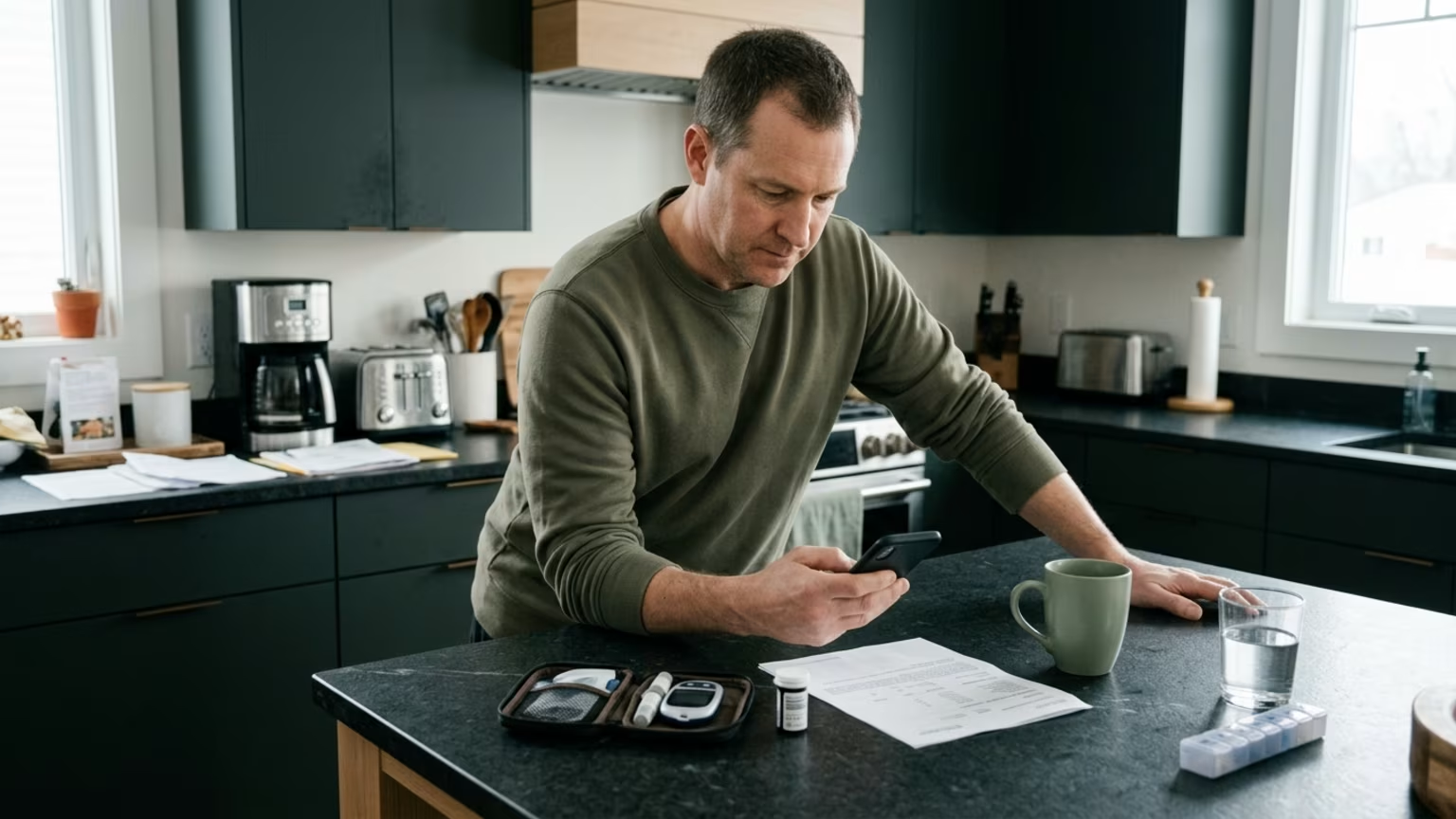

A multi-year study links modest blood sugar increases to declining erectile function, reinforcing the value of metabolic health alongside hormone evaluation.





On October 8, 2026, Newsmax reported on a multi-year study evaluating how metabolic markers impact male sexual health. The research examined the relationship between blood sugar increases, erectile function, and sperm motility. The findings show that modest increases in blood sugar are associated with declining sperm movement and erectile function. These declines occurred even when blood sugar remained below the threshold for diabetes.
Lead researcher Michael Zitzmann of University Hospital in Münster provided insight into the results. He stated that the observed sexual health changes correlated more closely with metabolic shifts than with age or testosterone levels. This highlights the importance of evaluating overall metabolic health alongside hormone levels. Connecting physical performance with long-term health provides a clearer picture for aging veterans.
This update carries significant weight for active duty personnel and veterans managing their long-term capability. Men often assume that physical changes in sexual performance stem entirely from declining hormones. This assumption frequently leads to a narrow focus on testosterone replacement. Maintaining metabolic health can support sexual function independently of hormone interventions.
When service members transition out of active duty, daily physical demands often drop. This shift can lead to subtle changes in body composition and metabolic health over time. Modest increases in blood sugar might go unnoticed without routine medical evaluations. This research highlights why paying attention to those subtle shifts is necessary for comprehensive wellness.
Veterans who want to maintain their physical capabilities should consider how strength, fitness and body composition influence multiple biological systems. A clear understanding of metabolic factors prevents service members from making rushed assumptions about their health. BattleVet provides clear guidance on these exact intersections of lifestyle and longevity.
We believe in an evidence-led approach that communicates the limits of current research. Active personnel and veterans deserve access to credible health information that separates trends from practical reality. Understanding the difference between libido and physical function helps veterans navigate healthcare decisions with better context. This study provides a reason to look at the whole picture rather than focusing solely on a single blood test.
Sleep and recovery play crucial roles in regulating blood sugar. Service members often experience significant disruptions to their sleep schedules during active duty. These disruptions can carry over into civilian life and impact overall metabolic efficiency. Poor sleep quality directly affects how the body processes glucose and manages stress.
Veterans looking to optimize their health should review recovery and sleep strategies alongside their dietary habits. Consistent physical restoration supports better metabolic outcomes. Chronic stress also influences both blood sugar levels and physical performance. The transition from military service to civilian life often involves high levels of psychological and physical stress.
Elevated stress hormones can reduce insulin sensitivity and drive up blood glucose. This creates a challenging cycle for veterans trying to maintain their fitness and capability. Addressing stress through structured routines is a necessary component of healthy aging. By focusing on foundational health pillars, veterans can build resilience against metabolic decline.
The study began in 2014 with an initial group of 200 healthy men. These participants ranged in age from 18 to 85. Researchers tracked the group over several years through 2020. By the end of the study period, 117 men remained involved in the research.
The investigators assessed semen profiles, hormone levels, erectile function, and metabolic markers like body mass index and blood sugar. The study identified specific patterns regarding blood sugar and sexual function. Sperm movement and erectile function declined among men whose blood sugar increased during the tracking period. Importantly, these negative changes occurred while blood sugar remained below the accepted diabetes threshold.
The report identifies that threshold specifically as 6.5% HbA1c. Even without a formal diabetes diagnosis, upward trends in blood sugar correlated with physical declines. Interestingly, the study drew a clear line between mechanical function and sexual desire. Researchers noted that hormone levels and semen profiles generally stayed within normal ranges for the participants.
Furthermore, the report says testosterone levels were not directly associated with erectile function in this specific study group. Instead, testosterone levels appeared related to the participants' reported libido. This distinction matters for veterans seeking Testosterone and hormones Articles to understand their symptoms. The 200 participants represented a wide cross-section of adult men.
Tracking a diverse age range allows researchers to observe broad trends across different life stages. Retaining 117 participants over six years provides a useful window into gradual biological changes. Long-term observation is vital for understanding how subtle shifts in blood chemistry affect physical mechanics. These gradual changes often go unnoticed in short-term clinical trials.
The focus on subdiabetic blood sugar levels is particularly relevant for preventative health. The 6.5% HbA1c mark serves as a standard diagnostic line for diabetes. However, health does not operate on a simple binary switch. The body experiences biological friction long before crossing official disease thresholds.
This research suggests that the physical consequences of rising glucose begin early in the process. Catching these trends early gives veterans a wider window for lifestyle corrections. Readers should note the limits of this research when applying it to personal health plans. The report describes changes that occurred together over time.
It does not establish that modest glucose increases directly caused the declining motility or erectile function. The public report also lacks the detailed statistical methods needed to judge the absolute strength of these associations. Group-level observations do not guarantee that any particular glucose reading predicts an individual's physical outcome. Taking control of your metabolic markers is a practical step toward long-term capability.
These findings offer relevant context for recent discussions surrounding military healthcare protocols. Medical organizations are currently debating how to best evaluate male sexual health in service members. On September 24, 2026, the Endocrine Society challenged aspects of recent Defense Health Agency guidance. The Society stated that current evidence is insufficient to support population-level blood-test screening for hypogonadism in asymptomatic men.
They specifically warned that screening men over 30 could produce many false positives. Such false positives could lead to unnecessary medical interventions for otherwise healthy service members. The Endocrine Society also raised significant concerns about the fertility recommendations within the military guidance. Their statement argued against specific hormonal treatment protocols for certain individuals.
They noted that hCG therapy in certain men with obesity-related hypogonadism could suppress follicle-stimulating hormone. This suppression could ultimately reduce sperm production and negatively impact fertility. Service members must balance immediate symptom management with long-term reproductive health when considering their treatment options. Veterans should discuss their metabolic health with a qualified clinician.
The recent study results offer a strong reason to prioritize metabolic markers before rushing toward hormone therapy. Addressing lifestyle factors can sometimes yield improvements without the risks associated with broad medical interventions. Patients should always review their military health records and current metabolic status during routine physicals.
As medical professionals debate the value of broad hormone screening, how will future military health protocols balance the distinct roles of metabolic stability and testosterone in preserving veteran capability?
Follow BattleVet for practical guidance on military and veteran health, strength, recovery, testosterone, sleep and healthy aging. Stay connected for new articles, research backed insights and clear information to help you stay capable for the years ahead.


Learn how to navigate VA community care referral delays, access standards, and individual eligibility following the October 2026 Colorado Springs roundtable.


A controlled study found nighttime heat disrupted sleep and altered stress markers. Learn how this impacts military recovery protocols and veteran health.
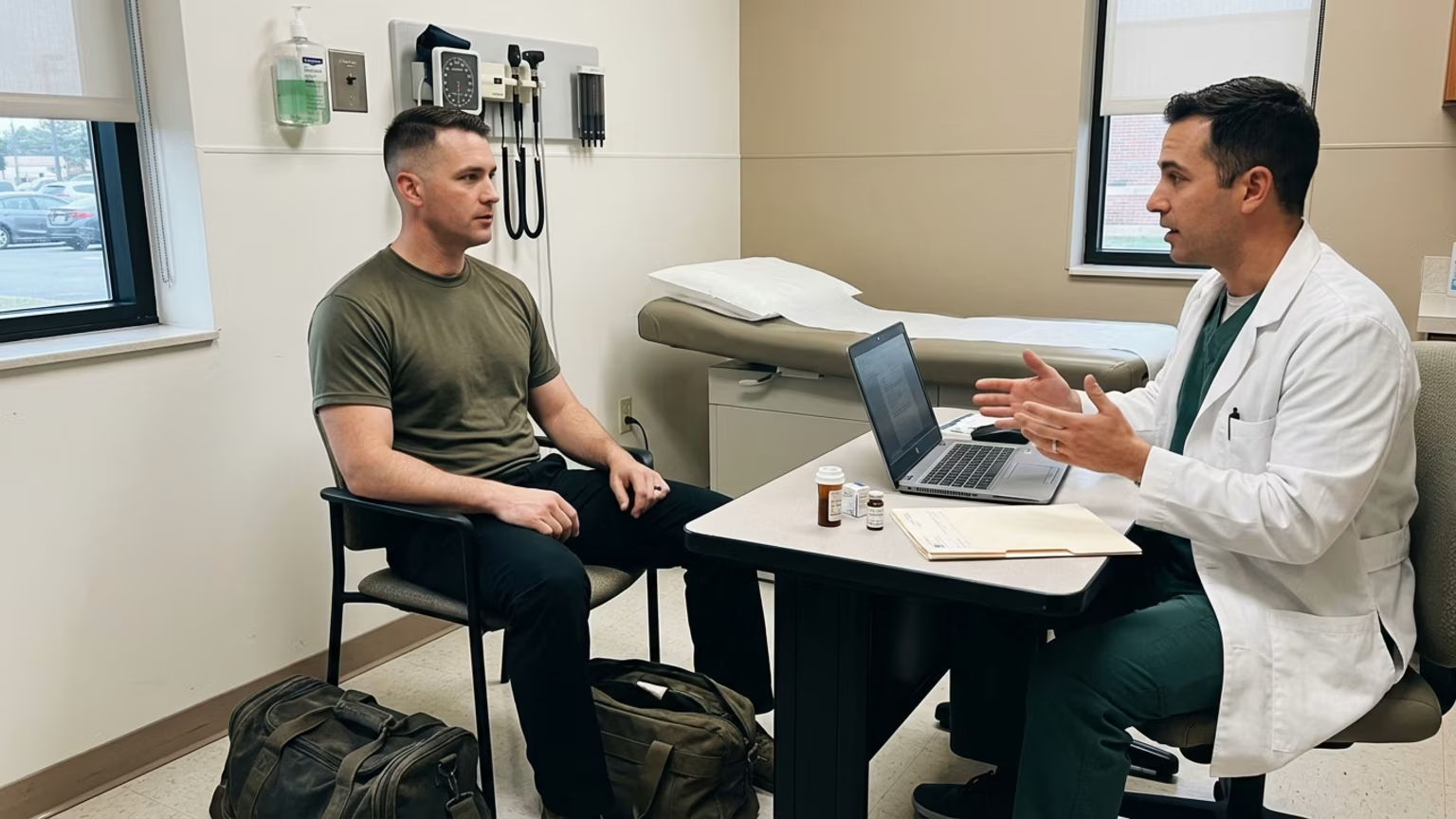
Clinical guidelines and military policies clarify when testosterone therapy is appropriate, detailing required testing, potential benefits, and health risks.
Build better habits around strength, recovery, sleep, hormones and healthy aging with practical guidance for active military personnel and veterans.
Explore BattleVet