
Struggling with sudden memory lapses or severe headaches after military service points to head trauma that requires structured medical care and rehabilitation.





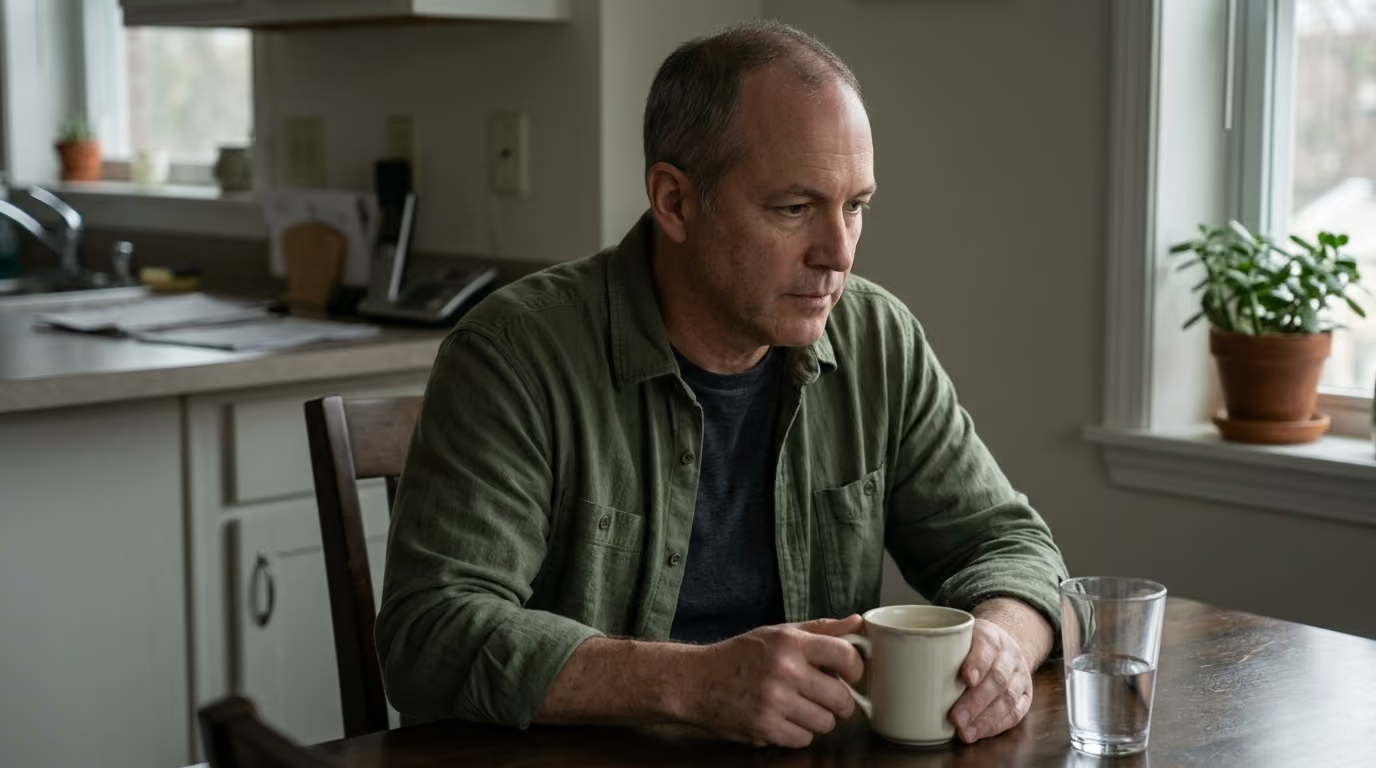
You are sitting at your desk, trying to read a standard work email, but the text blurs together. A dull headache throbs behind your eyes, and you cannot remember if you finished your morning tasks or locked the front door. You wonder if an old blast exposure from deployment is catching up with you, or if chronic fatigue is clouding your thinking. Many service members and veterans face this uncertainty, searching for clear answers about head trauma, brain health, and long-term capability.
Traumatic brain injury after military service is a manageable condition where most concussions resolve with structured rest and progressive activity, while persistent symptoms require comprehensive evaluation for overlapping issues like sleep disruption, neck pain, and stress.
A military-related traumatic brain injury occurs when an external physical force disrupts normal brain function. This event can stem from direct head impacts, falls, vehicle collisions, or explosive blast waves. While a severe injury involves obvious trauma, a mild traumatic brain injury or concussion often leaves no visible mark. Understanding your injury classification, identifying red-flag symptoms, and following a structured rehabilitation plan will help you protect your long-term health and daily performance.
A traumatic brain injury is defined as a traumatically induced structural injury or physiological disruption of brain function caused by an external force. According to clinical practice guidelines from the Department of Veterans Affairs and Department of Defense, an injury is diagnosed when an external event is immediately followed by at least one objective clinical sign. These signs include loss of consciousness, memory loss immediately surrounding the event, altered mental status, neurological deficits, or an intracranial lesion on an acute scan.
Altered mental status does not require complete unconsciousness. A service member may appear dazed, disoriented, confused, or unusually slow to respond to commands. They might struggle to process simple information or fail to recall events immediately before or after the blast or impact. Under clinical guidelines, a blast exposure qualifies as a potential injury mechanism even when there is no penetrating wound or visible bruising on the skull.
Medical providers classify brain injuries into mild, moderate, or severe categories based on initial clinical markers. This classification reflects the acute severity of the physiological disruption rather than a lifelong prognosis.
A mild injury involves a loss of consciousness lasting between zero and 30 minutes. Post-traumatic amnesia lasts between zero and 24 hours. The initial Glasgow Coma Scale score, measured during the first 24 hours, ranges from 13 to 15. Structural imaging such as a standard CT scan is typically normal in mild cases.
A moderate injury involves a loss of consciousness lasting more than 30 minutes but less than 24 hours. Post-traumatic amnesia extends beyond 24 hours but resolves within seven days. The best available Glasgow Coma Scale score within the first 24 hours ranges from 9 to 12.
A severe injury involves a loss of consciousness exceeding 24 hours. Post-traumatic amnesia persists for more than seven days. The Glasgow Coma Scale score falls below 9 during the initial evaluation period.
If an individual meets diagnostic criteria across multiple severity levels, clinicians assign the higher category. The word mild describes the initial injury event, but it does not mean the resulting symptoms are trivial. Even a mild injury can temporarily interrupt work capacity, athletic training, and family responsibilities.
Clinical guidelines divide recovery into three distinct phases. The acute phase covers the first seven days following the impact or blast. The post-acute phase spans from one week to 12 weeks. The chronic phase begins after 12 weeks, where persistent symptoms require specialized management.
Brain injury symptoms rarely appear in isolation. Clinicians group these post-injury effects into four distinct functional domains. Tracking your symptoms within these domains helps providers create targeted rehabilitation programs.
Physical symptoms are often the most noticeable immediately after an injury. Headaches are the most frequent complaint, occurring in up to 78 percent of individuals after a mild injury according to VA and DoD data. These headaches often mimic tension headaches or migraines, throbbing with physical exertion or screen use. Dizziness, balance instability, nausea, and light sensitivity are also widespread. Sensory issues can include ringing in the ears, muffled hearing, blurred vision, and sensitivity to loud noises.
Cognitive symptoms often disrupt occupational performance and daily tasks. Veterans frequently describe this domain as feeling slowed down or navigating a persistent mental fog. Attention, short-term memory, and processing speed are commonly affected. You might lose track of conversations, struggle to follow multi-step instructions, or take twice as long to complete routine paperwork. Executive functions, such as planning complex projects or regulating impulses, can also feel impaired.
Head trauma can directly affect brain circuits responsible for mood and behavioral regulation. Common emotional symptoms include increased irritability, sudden mood swings, anxiety, and depression. A service member might notice a short temper with family members or frustration over minor disruptions. These symptoms overlap significantly with post-traumatic stress, chronic physical pain, and operational burnout. A complete medical review must evaluate the whole person rather than attributing every mood shift exclusively to brain tissue trauma.
Sleep architecture is frequently disrupted after a head injury. Some individuals experience insomnia and struggle to fall asleep, while others sleep excessively yet wake up unrefreshed. A study on military veterans found that 66.5 percent of participants with a history of mild brain injury reported moderate-to-severe sleep disturbance. Poor sleep amplifies daytime cognitive fog, lowers pain tolerance, and worsens emotional irritability. Prioritizing rest through dedicated recovery and sleep strategies is vital for neurological healing.
Knowing when to seek immediate emergency care versus scheduling a routine clinic visit is essential for safety. While most post-concussion symptoms are manageable, certain clinical signs indicate potential intracranial bleeding, swelling, or severe neurological distress.
Emergency medical care is required if any of the following symptoms appear after a head impact or blast:
Do not allow an injured person showing these signs to drive themselves to the hospital. Call emergency services immediately. These red flags can indicate a expanding hematoma putting pressure on the brain.
Many symptoms do not require an emergency room visit but still demand structured clinical care. If you experience mild headaches, lightheadedness, occasional memory lapses, or general fatigue, schedule an evaluation with a primary care provider. These symptoms deserve professional attention when they persist beyond two weeks, interfere with employment, or degrade your quality of life.
If new symptoms first appear more than 30 days after an event, your doctor should evaluate other medical causes. Late-emerging problems are often driven by cervical spine injuries, sleep apnea, endocrine changes, or psychological stress. You can find detailed resources on navigating these clinical systems through veteran lifestyle and healthcare resources.
Diagnosing a mild head injury is primarily a clinical process. Because microscopic cellular stretching and metabolic shifts cause mild concussions, standard imaging scans like CT and MRI often appear completely normal. A normal scan is positive news because it rules out skull fractures and intracranial bleeding, but it does not mean your physical symptoms are fabricated.
A comprehensive clinical evaluation begins with a detailed history of the traumatic event. The clinician reviews the exact injury mechanism, blast proximity, changes in consciousness, and post-traumatic amnesia. They will review your history of previous concussions, training impacts, and operational deployments. Standard physical assessments include neurological checks, cranial nerve testing, balance evaluations, and mental status examinations.
Military healthcare providers often utilize specialized tools like the Military Acute Concussion Evaluation, known as the MACE-2. This tool assesses cognitive orientation, memory recall, neurological function, and vestibular balance in operational environments. In veteran health clinics, providers use standardized symptom inventories to track physical, cognitive, and emotional complaints over time.
Clinical guidelines advise against routine neuroimaging, blood biomarkers, or electroencephalograms to diagnose mild concussions in non-emergency settings. Comprehensive neuropsychological testing is also discouraged during the first 30 days of recovery, as early symptoms fluctuate naturally. Specialized neuropsychological testing becomes valuable later in recovery if cognitive limitations persist, providing objective data for vocational planning and targeted therapy.
Clear medical guidance requires distinguishing established clinical science from preliminary research and common misconceptions.
Decades of peer-reviewed clinical research confirm several core principles regarding military head trauma:
Several areas of brain health research are ongoing, with current evidence remaining inconclusive:
A well-rounded view of brain health requires avoiding two extremes. You should never dismiss persistent symptoms as trivial, but you should not assume that a past concussion guarantees irreversible brain damage. The brain is remarkably resilient when supported by structured care.
When symptoms extend into the post-acute or chronic phases, structured rehabilitation offers the best path forward. Modern care is interdisciplinary, targeting specific functional deficits rather than offering generic solutions.
Cognitive rehabilitation helps restore mental processing and teaches practical compensatory strategies. A speech-language pathologist or occupational therapist works with the veteran to establish organizational systems, task-management routines, and memory aids. Therapy focuses on real-world demands like managing work calendars, breaking down complex tasks, and pacing mental exertion. Clinical trials show that clinician-guided strategy training is far more effective than unguided commercial brain-training computer games.
Damage to the inner ear or vestibular nerve pathways can cause persistent dizziness, room-spinning sensations, and unsteadiness. Vestibular physical therapy uses targeted movements to retrain the brain to process balance signals accurately. Exercises focus on gaze stabilization, head-eye coordination, and balance control during movement. Treating co-occurring neck stiffness is equally vital, as strained cervical muscles can send inaccurate positional signals to the brain.
Post-traumatic headaches require structured medical management tailored to the specific headache type. Providers often recommend non-pharmacological interventions first, including trigger tracking, regular hydration, consistent sleep schedules, and physical therapy for neck tightness. When medications are necessary, clinicians distinguish between acute abortive treatments and daily preventive therapies. Managing medication use is critical to avoid medication-overuse headaches, which occur when pain relievers are taken too frequently.
Restoring sleep quality is foundational to resolving cognitive fog and mood volatility. Cognitive Behavioral Therapy for Insomnia is the gold-standard non-drug treatment for persistent sleep problems, outperforming sedative medications over the long term. Providers also evaluate veterans for obstructive sleep apnea, which is prevalent among military populations and starves the brain of oxygen during sleep. You can review strategies for managing operational stress and sleep cycles through our sleep and stress resilience resources.
Treating co-occurring behavioral health conditions like post-traumatic stress and depression runs alongside brain rehabilitation. Psychological therapies provide tools to regulate stress, reduce hyperarousal, and improve daily emotional stability.
Returning to demanding physical and mental activities requires a gradual, step-by-step approach. Rushing back to full duty or heavy industrial work before the brain adapts can trigger symptom relapses.
The Department of Defense utilizes a standardized six-step Progressive Return to Activity protocol for service members recovering from an acute concussion:
Under this protocol, a service member spends at least 24 hours in each stage. They may only advance if symptoms remain stable or continue to improve. The absolute minimum time to achieve full duty clearance is seven days, though 10 to 14 days is typical for mild concussions.
For veterans working in civilian environments, return-to-work plans must match specific occupational demands. Desk workers often need temporary accommodations such as reduced screen brightness, anti-glare filters, and scheduled 10-minute mental breaks every hour. Highly demanding cognitive tasks should be scheduled for the morning when mental energy is highest.
Veterans working in construction, law enforcement, logistics, or transportation face unique safety considerations. Working at heights, operating heavy machinery, driving commercial vehicles, and carrying firearms require strict medical clearance. Temporary job modifications might include daytime shifts, ground-level work, and reduced shift lengths until balance and reaction times normalize.
Reviewing practical clinical patterns helps illustrate how recovery unfolds across different military scenarios.
A service member is exposed to an improvised explosive device blast during vehicle patrol. They have no visible shrapnel wounds but develop a rapidly worsening headache, vomit repeatedly, and exhibit unequal pupil sizes. This represents an emergency requiring immediate trauma care to rule out an intracranial hemorrhage. The absence of an external wound does not eliminate the risk of serious internal injury.
A soldier hits their head on an armored vehicle hatch during a field training exercise. They feel dazed for two minutes, followed by a mild headache, light sensitivity, and fatigue over the next three days. By following a structured 48-hour rest period and gradually resuming exercise, their symptoms resolve completely within 12 days. This case reflects the normal, uncomplicated recovery trajectory seen in the majority of mild concussions.
A veteran presents to a clinic three years after separation, reporting daily brain fog, poor memory, irritability, and severe fatigue. A comprehensive medical workup reveals untreated obstructive sleep apnea, chronic cervical spine pain, and active post-traumatic stress. Rather than viewing the old deployment concussion as an unfixable brain injury, the clinical team treats the sleep apnea with continuous positive airway pressure therapy and initiates physical therapy for the neck. Within three months, the veteran experiences substantial cognitive clarity.
A service member sustains a fall during airborne training and continues to experience room-spinning sensations and balance loss when looking up or turning quickly in crowded grocery stores. Standard brain scans are clear. The provider refers the individual to vestibular physical therapy for gaze-stabilization drills and inner-ear repositioning. After six weeks of targeted rehabilitation, balance and motion tolerance return to normal.
A former military logistics specialist takes an intense civilian project management job but struggles with complex spreadsheets, feeling overwhelmed and fatigued by 2:00 PM every day. An occupational therapist implements structured pacing strategies, noise-canceling headphones, and dual-monitor adjustments. The veteran transitions back to full productivity without triggering symptom flare-ups.
A combat-arms service member sustains three diagnosed concussions within a 12-month training cycle. Military health protocols mandate a recurrent-concussion evaluation by specialty providers, including neurology and neuropsychology. The specialist team conducts comprehensive functional testing before recommending a longer period of non-contact duty to ensure complete neurological stabilization.
A veteran who felt entirely well after a vehicle impact notices new headaches and concentration problems six months later during a period of high family stress. Because the symptoms began more than 30 days post-injury without initial complaints, the provider conducts a broad medical evaluation. The workup identifies elevated blood pressure, severe eyestrain from a new desk job, and chronic insomnia, resolving the issues through targeted lifestyle adjustments.
Rebuilding physical resilience and cognitive sharpness requires deliberate daily habits. Use the following evidence-based strategies to support your nervous system.
Avoid the common cycle of pushing through severe fatigue until you crash, followed by days of total inactivity. Instead, practice structured pacing. Break complex cognitive projects into 25-minute working intervals followed by five-minute breaks away from screens. If physical exertion triggers a headache, reduce the intensity to a level that does not provoke symptoms, then build duration slowly over several weeks.
Make sleep recovery your highest daily priority. Keep a strict sleep schedule by going to bed and waking up at the exact same times seven days a week. Keep your bedroom dark, quiet, and cool, ideally between 65 and 68 degrees Fahrenheit. Eliminate blue-light screens at least 60 minutes before bed, replacing them with light reading or mobility work. If you snore loudly, wake up gasping, or feel exhausted despite eight hours in bed, request a clinical sleep study from your provider.
Complete physical rest should last no longer than 24 to 48 hours following an acute injury. Light, sub-symptom aerobic exercise accelerates brain blood flow and reduces post-concussion anxiety. Begin with daily flat-ground walking or easy stationary cycling. Keep your exertion at a level where you can maintain a conversation without worsening headache or dizziness. For detailed training templates, review our military health resources.
The force required to cause a concussion is often greater than the force needed to cause a cervical spine strain. Neck stiffness, muscle spasms, and restricted upper-back mobility directly cause tension headaches and lightheadedness. Incorporate gentle chin tucks, upper-back foam rolling, and thoracic mobility exercises into your daily routine. Professional physical therapy or targeted soft-tissue work can relieve pressure on occipital nerves.
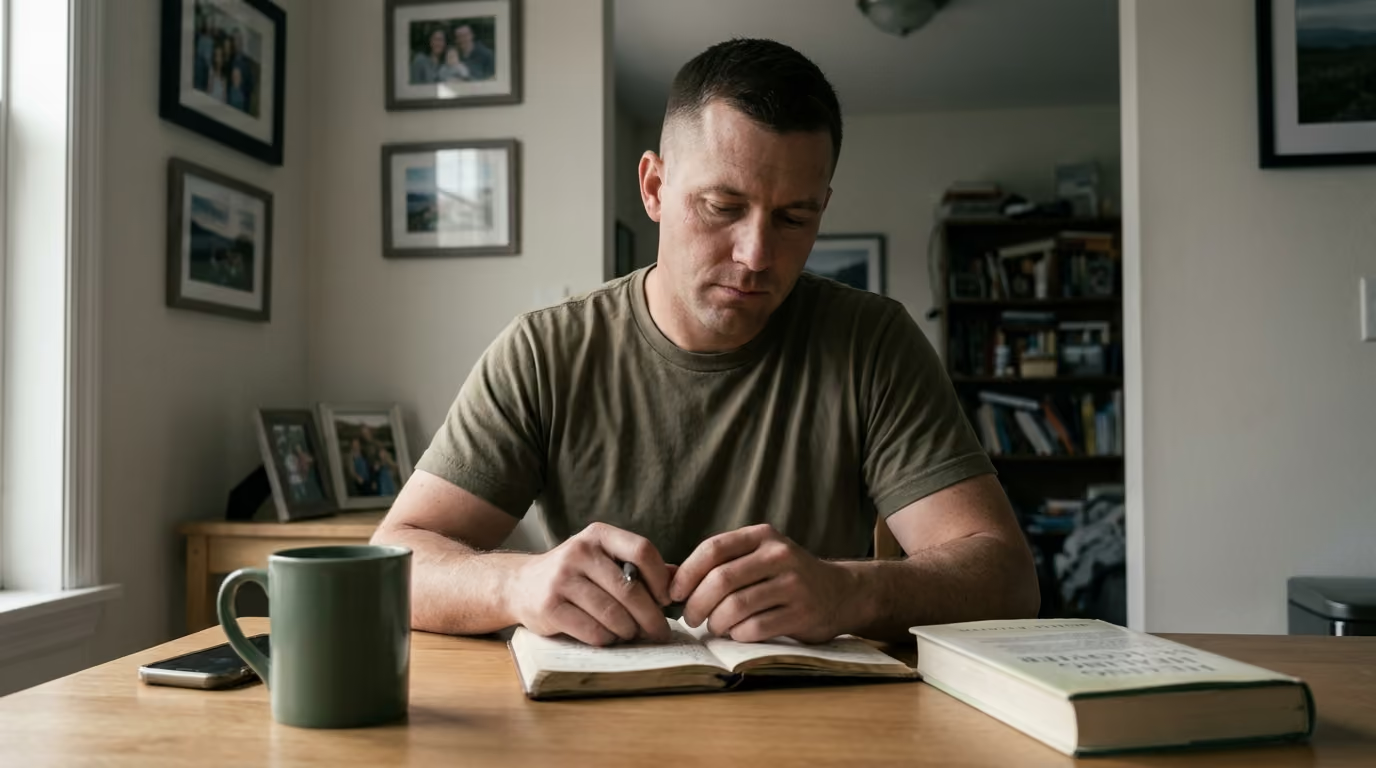
Reduce cognitive load by externalizing memory demands. Use a single digital calendar or pocket notebook for all appointments, tasks, and medication schedules. Set automated reminders on your phone for critical deadlines. Keep everyday essentials like keys, wallets, and identification in dedicated, consistent locations at home. Minimize visual clutter in your workspace to lower daily sensory distraction.
This article is prepared for educational and informational purposes only and does not constitute personalized medical advice, diagnosis, or treatment plans. Health considerations following head trauma and blast exposures vary widely based on individual medical histories and operational exposures. Always consult a qualified healthcare professional, such as a primary care doctor, neurologist, or physical therapist, before altering your rehabilitation plan, adjusting medications, or resuming intense physical training. Never ignore professional medical advice or delay seeking care due to information read online.
In clinical practice, the terms concussion and mild traumatic brain injury are used interchangeably. Medical guidelines from the VA and DoD use both terms to describe a temporary physiological disruption of brain function caused by an external force or blast wave. Using the word concussion often helps avoid the false assumption that an individual has permanent structural brain damage.
Standard structural CT and MRI scans are generally normal in cases of mild brain injury. These scans are designed to detect major structural issues like skull fractures, acute bleeding, or brain tissue swelling. A normal scan confirms that there is no surgical emergency, but it does not rule out the metabolic changes and cellular stretching that cause concussive symptoms.
Distinguishing between head injury symptoms and post-traumatic stress is complex because both conditions share overlapping symptoms, such as irritability, insomnia, memory lapses, and fatigue. Clinicians perform detailed evaluations to analyze the timeline of symptom onset, physical findings, and specific emotional triggers. In many veterans, both conditions exist together, and treating both simultaneously yields the best functional improvement.
No. Current medical evidence strongly advises against prolonged rest in a dark room, sometimes called cocoon therapy. While relative rest is recommended for the first 24 to 48 hours, staying isolated in the dark for days increases depression, magnifies light sensitivity, and delays normal neurological recovery. You should gradually reintroduce low-intensity daily activities and light walking as tolerated.
A positive result on the initial VA screening tool simply indicates that you experienced a head impact or blast exposure and reported related symptoms at some point. It is a preliminary screening tool, not a formal medical diagnosis. A positive screen means you qualify for a comprehensive evaluation by a medical specialist who will determine whether your current symptoms stem from an old concussion, sleep issues, neck strain, or other treatable health factors.
Taking consistent, measurable steps will help you regain control over your health. Use this weekly checklist to structure your recovery process:
Follow BattleVet for practical guidance on military and veteran health, strength, recovery, testosterone, sleep and healthy aging. Stay connected for new articles, research backed insights and clear information to help you stay capable for the years ahead.


Build better habits around strength, recovery, sleep, hormones and healthy aging with practical guidance for active military personnel and veterans.
Explore BattleVet