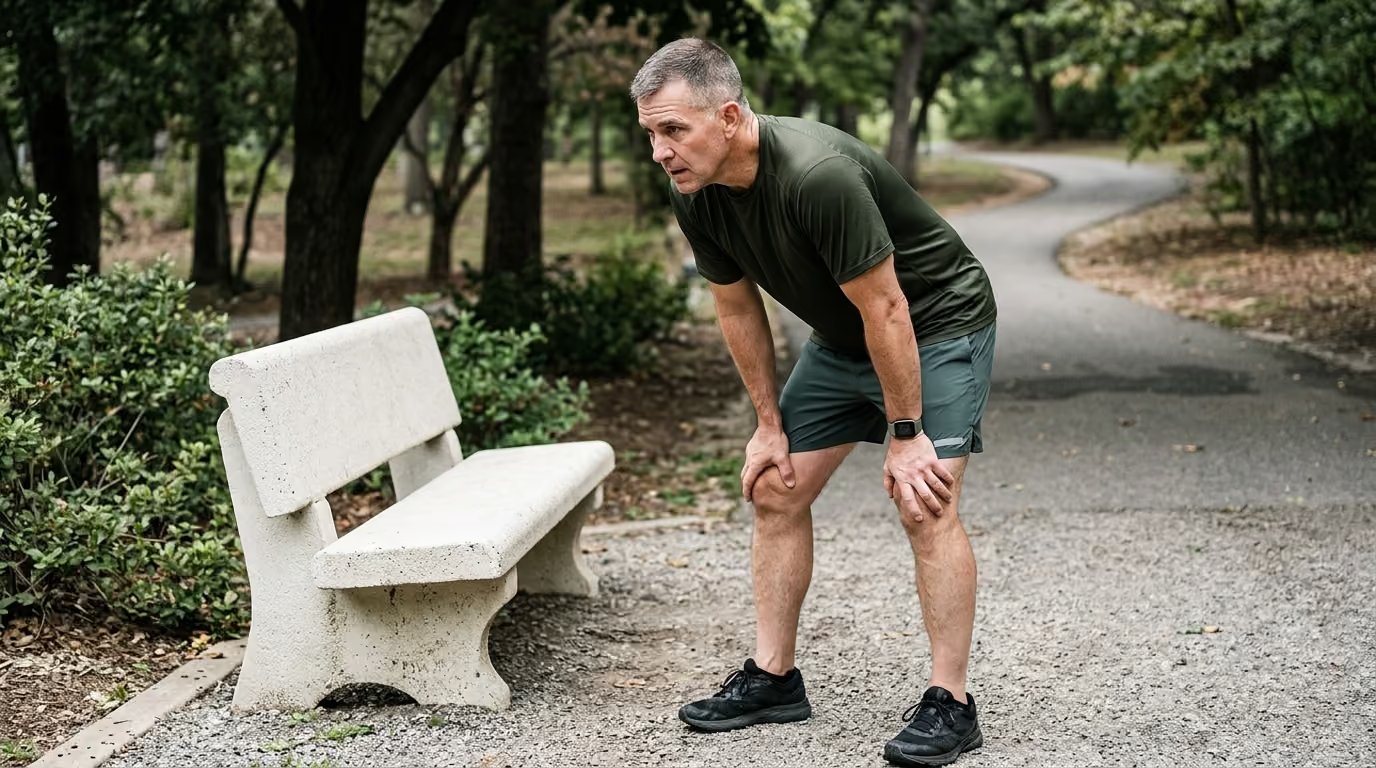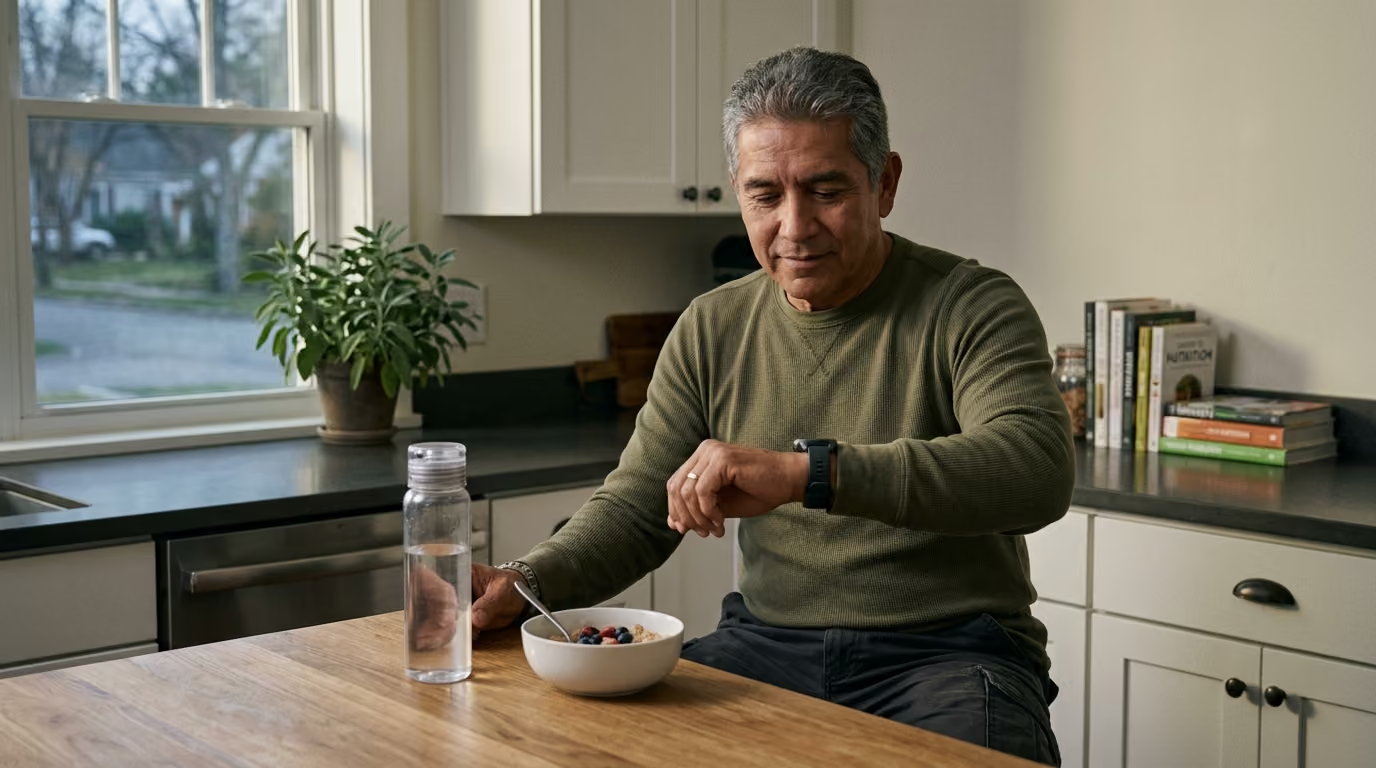

Cardiovascular decline is not an inevitable consequence of aging, but a manageable process altered by targeted exercise, nutrition, and proactive monitoring.





You sit down after a long workday, wrap a home blood pressure cuff around your arm, and watch the digital display climb higher than expected. You feel physically fine, your training sessions feel manageable, but the numbers on your screen tell a different story. Many former service members search online for how to fix their blood pressure, cholesterol, and heart health after years of military wear and tear. This guide provides a definitive, research-backed blueprint to protect your heart, manage your clinical numbers, and build lasting physical capability over your lifetime.
Cardiovascular health is a lifelong, modifiable system that veterans can systematically improve through clinical screening, accurate home monitoring, balanced movement, and sustainable daily habits.
Cardiovascular disease is not an inevitable outcome of aging or past military service. While age, previous combat deployments, chronic stress, and service-related injuries can increase baseline risk, the vast majority of cardiovascular events are preventable. Protecting your cardiovascular system requires managing blood pressure, optimizing blood lipids, controlling blood glucose, eliminating nicotine exposure, improving body composition, and maintaining daily physical activity. By taking a proactive approach to clinical prevention and home tracking, you can maintain cardiovascular capacity and preserve your independence for decades.
Cardiovascular disease encompasses a wide spectrum of disorders affecting the heart and vascular tree. These include coronary heart disease, heart failure, ischemic stroke, and peripheral arterial disease. Most of these conditions stem from atherosclerotic cardiovascular disease, which is the progressive accumulation of lipid-rich plaques within arterial walls. Over time, these plaques can restrict blood flow or rupture, causing acute blockages that lead to heart attacks or strokes.
Cardiovascular risk accumulates gradually across your lifetime. Every year of exposure to elevated blood pressure, abnormal lipid particles, elevated blood sugar, or inhaled toxins adds stress to the vascular endothelium. In our experience working with former service members, transition often masks these physiological shifts. When high operational tempo ends, subtle increases in vascular stiffness and metabolic dysfunction can go unnoticed for years because early plaque buildup causes no pain or outward warning signs.
Chronological age acts as a risk multiplier rather than a fixed verdict. National data from the American Heart Association indicates that only 11% of adults aged 40 to 59 maintain ideal levels across core cardiovascular metrics. That number drops to just 4% among adults aged 60 and older. Furthermore, less than 1% of adults across all age groups meet ideal criteria for every cardiovascular health factor.
These statistics demonstrate that perfect cardiovascular health is rare in the general population. However, perfection is not required to achieve meaningful risk reduction. Small, compounding improvements across two or three metrics frequently yield substantial gains in vascular health and longevity.
Differentiating between primary and secondary prevention is essential when setting health goals. Primary prevention focuses on preventing an initial heart attack, stroke, or revascularization procedure. Secondary prevention applies to individuals who have already been diagnosed with coronary disease, survived an event, or received a stent. Secondary prevention requires stricter targets, structured medical regimens, and closer clinical oversight.
Military service presents unique physiological and psychological demands that can influence long-term vascular risk. Service members often experience sustained physical strain, shift work, sleep deprivation, and environmental exposures. After separation, the sudden reduction in daily physical demands combined with lingering service-related injuries can accelerate cardiometabolic risk factors.
Research indicates distinct associations between military experiences and cardiovascular outcomes. A systematic review of male veterans of the conflicts in Iraq and Afghanistan identified positive associations between post-traumatic stress disorder and increased rates of hypertension, elevated resting heart rate, dyslipidemia, tobacco use, and obesity. In a large military cohort study, veterans diagnosed with post-traumatic stress disorder demonstrated odds ratios of 3.0 for developing hypertension and 2.7 for developing atherosclerotic cardiovascular disease.
Deployment history also correlates with cardiovascular diagnoses. Research evaluating active-duty and reserve personnel demonstrated that combat deployers had higher odds of newly reported coronary heart disease compared to non-combat deployers. The adjusted odds ratio was 1.63 for self-reported coronary disease and 1.93 for an electronic medical diagnosis code. Additionally, a study of more than 8,000 veterans across Hawaii and the Pacific Islands showed that veterans with post-traumatic stress disorder had an approximate 50% higher risk of developing heart failure over a seven-year follow-up compared to those without the condition.
These associations highlight the physiological link between chronic stress pathways and vascular strain. Prolonged autonomic hyperarousal can elevate circulating catecholamines, increase baseline blood pressure, and impair sleep quality. However, these statistical associations do not mean that heart disease is inevitable for combat veterans or those managing post-traumatic stress. Instead, these findings highlight why veterans benefit from proactive cardiovascular screening, integrated primary care, and targeted stress resilience strategies.
Cardiovascular symptoms must never be dismissed as simple anxiety or stress. Chest tightness, sudden shortness of breath, unexplained dizziness, and reduced physical tolerance require thorough clinical assessment. Treating mental health conditions supports cardiovascular health, but it does not replace routine medical screenings, laboratory tests, or evidence-based cardiovascular medications.
The American Heart Association organizes cardiovascular wellness into eight core areas known as Life's Essential 8. This framework categorizes cardiovascular health into four daily behaviors and four biological health factors. The behaviors include nutrition quality, physical activity, nicotine exposure, and sleep duration. The biological factors include body mass index, blood lipid levels, blood glucose, and blood pressure.
These eight metrics do not operate in isolation. They function as an interconnected physiological network. Improving your sleep duration, for example, helps regulate appetite hormones, which assists with weight management and blood sugar control. Regular physical activity enhances insulin sensitivity, lowers resting blood pressure, and improves lipid metabolism simultaneously.
Scientific research demonstrates a clear dose-response relationship between these metrics and longevity. An analysis published in the scientific literature found that adults with intermediate cardiovascular health scores had a 40% lower risk of all-cause mortality compared to those with low scores. Individuals achieving high scores experienced a 58% lower risk of all-cause mortality, reflecting an adjusted hazard ratio of 0.42.
The same analysis identified population-attributable fractions of 33.4% for all-cause mortality and 42.9% for cardiovascular-specific mortality when comparing high scores against lower tiers. Another study demonstrated that moderate and high scores were associated with substantially lower odds of prevalent cardiovascular disease, with odds ratios of 0.46 and 0.26 respectively. While these observational findings reflect population averages rather than individual guarantees, they demonstrate the profound protective value of optimizing modifiable health factors.
To explore related research on longevity pathways, you can read our evidence-based healthy aging and longevity resources to build a comprehensive foundation for your health.
Blood pressure measurement is the cornerstone of routine cardiovascular screening. Blood pressure values represent two distinct forces within the arterial system. Systolic blood pressure measures the pressure exerted against arterial walls when the heart contracts. Diastolic blood pressure reflects the resting pressure within the arteries between beats.
Hypertension guidelines from the Veterans Health Administration and the Department of Defense establish clear criteria for diagnosis and management. In general populations at low baseline risk, hypertension is defined as a systolic reading of 140 mmHg or higher, or a diastolic reading of 90 mmHg or higher. For individuals at elevated cardiovascular risk, clinical guidelines recommend a lower treatment threshold of 130/80 mmHg. Maintaining blood pressure below 130/80 mmHg is frequently targeted to reduce long-term stroke and heart attack risk.
Accurate diagnosis requires measurements taken outside the clinical office. The U.S. Preventive Services Task Force recommends screening all adults aged 18 and older for hypertension and obtaining out-of-office measurements to confirm the diagnosis before starting long-term drug therapy. This protocol accounts for white-coat hypertension, where clinic readings are artificially high, and masked hypertension, where office readings appear normal despite elevated home values.
To establish an accurate baseline, the VA/DoD clinical practice guidelines recommend a structured 7-day home blood pressure monitoring protocol.
Common monitoring errors can distort your data. Avoid caffeine, nicotine, and vigorous exercise for at least 30 minutes before taking a measurement. Do not place the cuff over clothing, and avoid talking during the reading cycle. Ensure your cuff matches your upper-arm circumference, as a cuff that is too small will artificially elevate the reading. Never stop or adjust your prescribed blood pressure medication based on a single reading without consulting your primary care provider.
Blood lipid panels evaluate several circulating fats that directly influence arterial health. A standard lipid profile measures total cholesterol, high-density lipoprotein cholesterol, low-density lipoprotein cholesterol, and triglycerides. Clinicians also calculate non-HDL cholesterol, which represents total cholesterol minus HDL, capturing the entire pool of atherogenic particles in the bloodstream.
Low-density lipoprotein particles are the primary drivers of arterial plaque formation. When LDL particles penetrate the damaged endothelial lining of an artery, they undergo oxidation and trigger an inflammatory response. Over decades, this process creates fibrotic, calcified plaques that narrow the vascular lumen and increase rupture risk. While HDL cholesterol plays a role in reverse cholesterol transport, raising HDL artificially through supplements has not been shown to reduce clinical cardiovascular events.
Statin therapy remains the primary medical tool for lowering atherogenic lipoproteins and stabilizing existing plaques. The USPSTF recommends that clinicians prescribe a statin for primary prevention in adults aged 40 to 75 who have one or more cardiovascular risk factors such as dyslipidemia, diabetes, hypertension, or smoking, combined with an estimated 10-year cardiovascular risk of 10% or greater. For adults in the same age bracket with a calculated risk between 7.5% and 10%, guidelines advise a personalized discussion between the veteran and clinician to weigh benefits and preferences.
Misunderstandings regarding statins are common. A statin does not replace the need for regular exercise, sound nutrition, and smoking cessation. Conversely, eating clean and staying active does not eliminate the need for medication if your genetic profile or arterial plaque burden places you at high risk. If you experience muscle aches or side effects while taking a statin, contact your doctor to adjust the dose or try an alternative medication rather than stopping treatment entirely.
Metabolic health and cardiovascular longevity are deeply connected. When cells become resistant to insulin, the pancreas secretes higher amounts of the hormone to clear glucose from the bloodstream. Chronic insulin resistance promotes systemic inflammation, damages vascular linings, alters lipid metabolism, and accelerates plaque formation.
The USPSTF recommends screening for prediabetes and type 2 diabetes in asymptomatic adults aged 35 to 70 who are classified as overweight or obese. Screening relies on fasting blood glucose tests or hemoglobin A1c measurements. An A1c test measures the percentage of hemoglobin coated with sugar, providing a reliable picture of average blood glucose control over the preceding two to three months.
Body mass index is frequently used in clinical screenings, but it has distinct limitations for military veterans. Service members often carry higher amounts of skeletal muscle mass from years of strength training and operational load carriage. A muscular veteran may register as overweight or obese on a standard BMI chart despite maintaining low visceral fat and excellent metabolic health.
Conversely, older veterans may experience sarcopenia, which is the age-related loss of skeletal muscle mass, alongside an increase in visceral fat around internal organs. An individual with sarcopenic obesity may have a normal BMI while carrying high metabolic and cardiovascular risk. Waist circumference and waist-to-height ratio offer valuable clinical context alongside BMI. For men, a waist circumference exceeding 40 inches indicates elevated visceral fat, which directly contributes to hypertension and insulin resistance.
For veterans seeking structured lifestyle support, the Veterans Health Administration offers the MOVE! Weight Management Program. This national program provides structured coaching, dietary guidance, and activity planning designed to support sustainable body composition improvements. You can review our detailed strength and body composition strategies for practical ways to build lean mass safely.
Regular physical activity is one of the most effective ways to lower cardiovascular risk. Movement improves endothelial function, enhances myocardial contractility, lowers resting heart rate, reduces blood pressure, and improves insulin sensitivity. The Veterans Health Administration advises that inactive adults can begin by walking for 5 to 10 minutes per day and gradually build toward 30 minutes of moderate activity, five days per week.
A well-rounded cardiovascular training program integrates several distinct types of movement:
Aerobic exercise challenges the heart and lungs to deliver oxygenated blood to working muscles over sustained periods. Low-intensity, steady-state movement such as brisk walking, cycling, rowing, or swimming strengthens the left ventricle and expands capillary density. Starting with moderate aerobic exercise allows connective tissues and the cardiovascular system to adapt safely without excessive joint stress.
Lifting weights, using resistance bands, and performing bodyweight exercises preserve skeletal muscle mass and bone mineral density. Muscle tissue acts as a major metabolic sink for clearing circulating glucose, directly supporting insulin sensitivity. Incorporating two to three full-body resistance sessions per week maintains physical independence and protects against age-related frailty.
Non-exercise physical activity includes routine tasks such as yard work, household chores, taking the stairs, and carrying groceries. Reducing total daily sedentary time is independently associated with lower cardiovascular mortality. Breaking up prolonged sitting with two-minute walking breaks helps maintain healthy vascular function and glucose clearance throughout the day.
Veterans managing chronic knee, hip, or back injuries must choose low-impact options rather than abandoning exercise altogether. Water aerobics, recumbent cycling, and seated resistance exercises provide excellent cardiovascular stimulus without aggravating joint pain. Increasing training intensity or volume too quickly can cause overuse injuries and lead to prolonged inactivity. Always get medical clearance before starting intense conditioning if you have existing heart disease, chest discomfort, or severe breathlessness.
Sleep duration and quality are recognized as vital components of cardiovascular health. During deep slow-wave sleep, the body undergoes nocturnal dipping, where blood pressure and heart rate naturally drop by 10% to 20%. This nightly reduction gives the vascular system a crucial period of rest and recovery.
Veterans frequently experience sleep disruption from post-traumatic stress, chronic pain, or obstructive sleep apnea. Sleep apnea causes repeated airway collapses during the night, leading to oxygen drops that trigger sudden spikes in sympathetic nervous system activity. This continuous nighttime stress prevents normal blood pressure dipping and significantly raises the risk of resistant hypertension, atrial fibrillation, and stroke. If you experience loud snoring, morning headaches, or severe daytime fatigue, request a formal clinical sleep study.
Dietary patterns play a direct role in maintaining healthy blood vessels and lipid levels. The VA/DoD clinical guidelines recommend adopting a Mediterranean-style eating pattern rich in whole, nutrient-dense foods. Focus on eating plenty of vegetables, fruits, legumes, whole grains, and lean proteins like fish and poultry. Replacing saturated fats such as butter and fatty meats with unsaturated options like olive oil, nuts, and avocados helps lower circulating atherogenic particles.
If you are managing elevated blood pressure, reducing excess sodium from ultra-processed and packaged foods can lower systolic pressure. Moderating alcohol intake is equally important, as excessive drinking raises blood pressure, increases triglyceride levels, and disrupts sleep architecture. To build sustainable meal habits that support training and recovery, read our practical restorative nutrition protocols.
Eliminating nicotine exposure remains the single most impactful lifestyle change for heart health. Cigarette smoke, chewing tobacco, and e-cigarettes deliver nicotine and oxidative chemicals that injure blood vessel walls, promote blood clots, and elevate heart rate. The VA offers dedicated support through the 1-855-QUIT-VET quitline, behavioral counseling, nicotine replacement therapies, and the SmokefreeVET text program.
When designing a cardiovascular longevity plan, it is essential to distinguish between established scientific consensus and emerging or uncertain areas of research. Understanding the strength of evidence helps you focus your energy on the interventions that provide the greatest proven return on investment.
Treating mental health conditions, chronic pain, and sleep disorders provides substantial systemic benefits. You can review our strategies on stress resilience and autonomic recovery to understand how nervous system regulation supports your long-term health. Additionally, exploring our dedicated guide on recovery and sleep optimization will give you actionable steps to improve your nocturnal recovery.
Maintaining long-term cardiovascular health requires effective communication with your healthcare team. Whether you receive care through the VA health system or a private community provider, staying organized and prepared makes every clinical appointment more productive.
Maintain an accurate, updated health record that contains your active prescriptions, over-the-counter medications, and supplements. Write down your personal history of cardiovascular conditions, surgeries, and family medical history. Bring your home blood pressure monitoring logs to your visits so your provider can review your real-world numbers rather than relying on a single in-clinic measurement.
Understanding aspirin guidelines is crucial for avoiding unnecessary bleeding risks. The USPSTF recommends that adults aged 60 and older should not initiate daily low-dose aspirin for the primary prevention of heart disease. For adults aged 40 to 59 with elevated cardiovascular risk, starting aspirin should be decided individually with a clinician.
This guidance applies specifically to primary prevention in individuals who have never had a cardiovascular event. If you have a history of a heart attack, stroke, stent placement, or bypass surgery, daily aspirin is often a vital secondary prevention therapy. Never discontinue prescribed aspirin without consulting your cardiologist.
Transforming clinical knowledge into sustainable daily habits requires a structured, step-by-step approach. Focus on executing manageable habits consistently rather than trying to overhaul your entire lifestyle overnight.
Use this practical checklist to take control of your cardiovascular health starting today:
This article is provided solely for educational and informational purposes and does not constitute medical advice, diagnosis, or treatment. Cardiovascular risk factors, diagnostic thresholds, medication choices, and exercise safety must be evaluated with a qualified healthcare professional. Veterans should consult their primary care provider or cardiologist before altering medication doses, starting intense exercise programs, or making significant dietary changes.
Past physical fitness builds a strong physiological foundation, but it does not grant permanent immunity to heart disease. Cardiovascular risk factors such as high blood pressure, elevated cholesterol, insulin resistance, and arterial plaque develop silently over time. Maintaining low cardiovascular risk requires ongoing healthy habits, regular screening, and active management of biological health factors throughout your life.
Post-traumatic stress disorder is associated with higher rates of hypertension, dyslipidemia, metabolic dysfunction, and cardiovascular disease. Chronic autonomic nervous system activation keeps stress hormones elevated, increases baseline heart rate, and contributes to sleep disruption and systemic vascular inflammation. Managing PTSD through medical and psychological care directly supports your overall cardiovascular health.
Consistently high home blood pressure readings combined with normal office measurements indicate potential masked hypertension. Verify your monitoring technique, use the correct cuff size, and maintain a structured 7-day morning and evening log. Bring your log and your home monitor to your primary care provider so they can evaluate your data and determine whether treatment is needed.
High-intensity interval training can be effective, but it should only be started after your resting blood pressure is well-controlled and you have received clinical clearance. Starting with low-impact, moderate-intensity aerobic exercise builds a solid cardiovascular base while minimizing joint strain and acute vascular stress. Once your base conditioning is established, higher-intensity intervals can be introduced gradually.
Follow BattleVet for practical guidance on military and veteran health, strength, recovery, testosterone, sleep and healthy aging. Stay connected for new articles, research backed insights and clear information to help you stay capable for the years ahead.


Build better habits around strength, recovery, sleep, hormones and healthy aging with practical guidance for active military personnel and veterans.
Explore BattleVet