
Two distinct VA caregiver programs provide essential stipends and family resources once functional safety risks and daily living needs are assessed.





If you are in immediate danger, call 911. For 24/7 support, call or text 988 and press 1 for the Veterans Crisis Line, or text 838255.
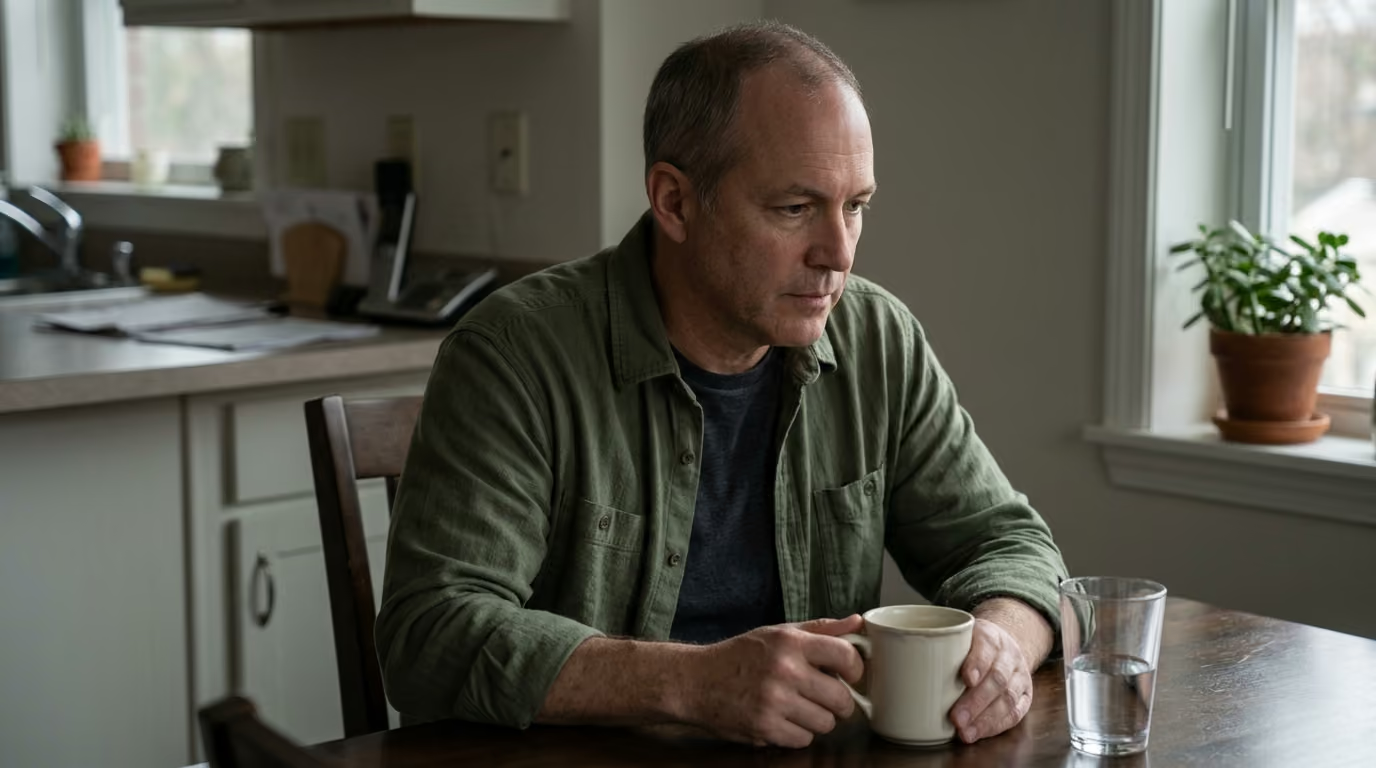
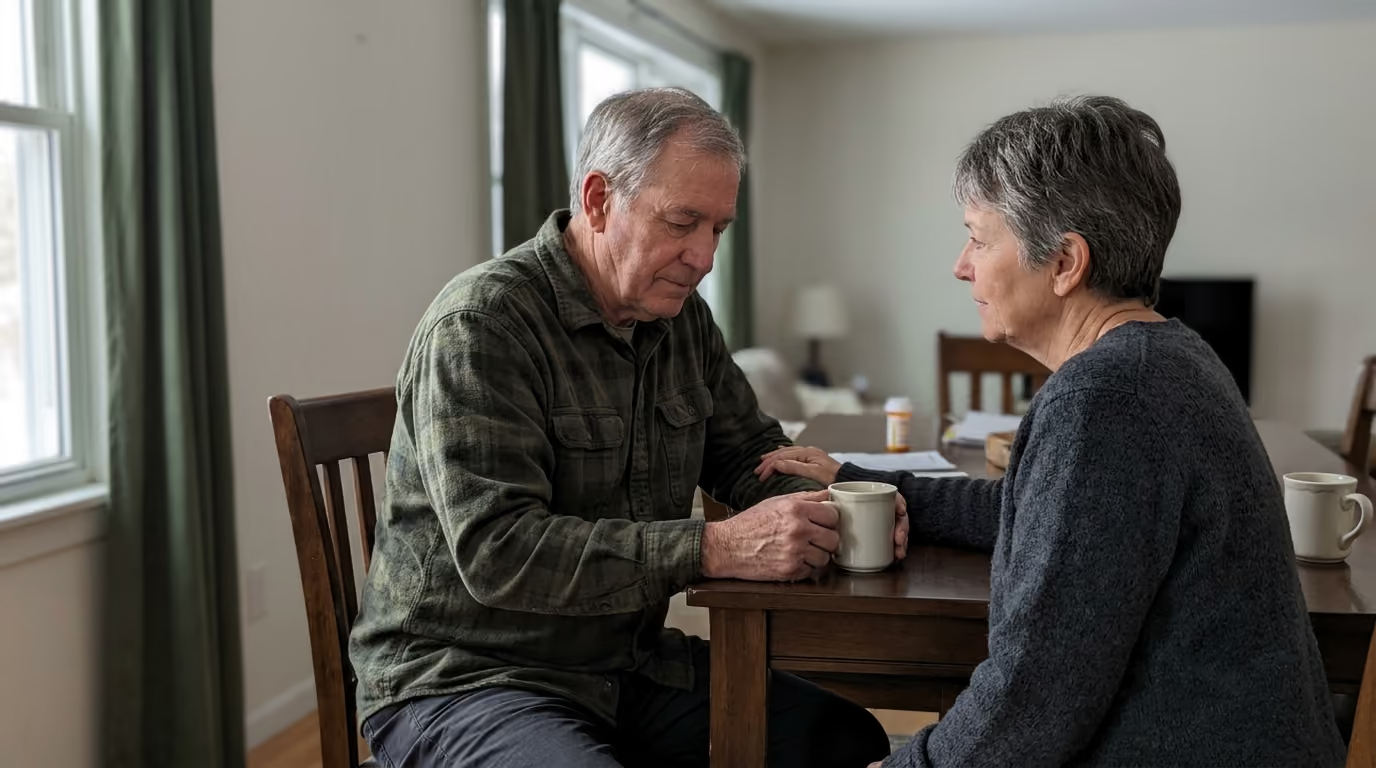
Many people assume veteran caregiving begins with a sudden emergency room crisis. In reality, it often starts quietly in the kitchen at midnight with confusing medication bottles, missed medical appointments, and unwashed laundry. One family member slowly absorbs every daily responsibility until physical exhaustion takes over. Treating caregiving as a private, solo obligation is the fastest path to complete breakdown. Sustainable care requires an organized, team-based operational system built on clear clinical needs, legal preparation, and formal support networks.
Veteran caregiving operates most effectively when families match medical and daily living assistance to the veteran's specific functional needs while actively sharing duties across relatives, community services, and Department of Veterans Affairs programs.
Caregiving encompasses far more than physical nursing. It involves managing medications, scheduling complex clinic appointments, providing supervision for traumatic brain injuries, handling household finances, and offering emotional stability. When families build structured systems early, they protect the veteran's independence and prevent long-term caregiver burnout.
Caregiving begins with an objective look at what the veteran can manage safely each day. Many families make the mistake of waiting for a catastrophic fall or an accidental medication overdose before evaluating daily risks. Measuring functional capability allows families to intervene with the right level of support. You can review detailed strategies for balancing long-term health and functional capability in our veteran lifestyle and healthcare resources.
Activities of daily living represent the fundamental physical tasks required for personal self-care. When a veteran struggles with these tasks, hands-on assistance or continuous standby support becomes necessary.
Assess the veteran's independence across these primary physical areas:
Document the exact level of assistance required for each task. Note whether the veteran needs verbal prompting, physical setup, standby supervision, single-person hands-on help, or two-person transfers.
Instrumental activities of daily living are complex tasks that allow an individual to live independently within a community. Functional decline almost always shows up in instrumental activities long before it appears in basic personal care.
Track the veteran's ability to handle these routine operational responsibilities:
Difficulty with these tasks signals that the family must step in with administrative systems or outside assistance to avoid missed medications and unpaid bills.
A veteran may possess complete physical strength while remaining entirely unable to live safely without supervision. Invisible wounds such as traumatic brain injury, severe post-traumatic stress disorder, dementia, and mood disorders create unique safety risks.
Caregivers must identify whether the veteran requires active supervision to prevent harm:
If a veteran experiences an acute mental health crisis or expresses thoughts of self-harm, contact emergency support immediately. Dial 988 and press 1 to reach the Veterans Crisis Line, or text 838255 for free, confidential support available 24 hours a day.
A practical safety assessment requires inspecting the physical environment. Walk through the home to identify hazards that increase the risk of falls or medical emergencies. Check for loose throw rugs, poor lighting in hallways, lack of grab bars near toilets and showers, and narrow doorways that restrict mobility equipment.
Ensure smoke detectors and carbon monoxide alarms function properly. Keep an updated list of emergency telephone numbers, medical diagnoses, and active prescriptions on the refrigerator where emergency responders can locate them quickly.
The Department of Veterans Affairs provides structured programs designed to assist family caregivers. Many families miss out on valuable resources because they do not understand the differences between general support services and comprehensive assistance programs.
The Program of General Caregiver Support Services is open to caregivers of enrolled veterans of all service eras. The veteran must be enrolled in VA health care and require assistance from a caregiver due to illness, injury, or aging.
This program does not require the caregiver to be a family member. The caregiver does not need to live in the same residence as the veteran.
Key benefits provided through this general pathway include:
This program does not provide a monthly financial stipend. It serves as an accessible foundation for education, emotional support, and skills development.
The Program of Comprehensive Assistance for Family Caregivers provides intensive support, including financial stipends, for eligible caregivers of veterans who sustained serious injuries or illnesses.
To qualify for this comprehensive program, specific statutory criteria must be met:
The designated primary family caregiver must be at least 18 years old. The caregiver must be a family member, or someone who lives with the veteran full-time, or someone willing to reside with the veteran full-time if designated.
Primary family caregivers approved for this comprehensive program may receive a monthly financial stipend based on local labor rates and the veteran's required level of care. Eligible primary caregivers may also receive health insurance coverage through CHAMPVA if they do not already have health benefits. Other benefits include mental health services, travel support during medical visits, and at least 30 days of supported respite care each year.
A 70 percent disability rating does not guarantee automatic approval for the comprehensive program. The clinical review team must independently verify that the veteran requires continuous in-person personal care services or active supervision.
Every VA medical center employs dedicated Caregiver Support Coordinators. These professionals evaluate eligibility, process program applications, and connect families with clinical resources.
Families can contact the VA Caregiver Support Line at 1-855-260-3274 for immediate guidance. Before calling, gather the veteran's full name, Social Security number, service dates, current VA disability rating details, and a clear list of daily caregiving requirements.
Caregiving fails when one person silently assumes all responsibilities without backup. Spouses and adult children often become default caregivers simply because they live nearby or lack full-time employment outside the home. Over time, this dynamic generates deep resentment, exhaustion, and physical illness. Creating a formal care map distributes duties equitably across the entire family network.
A resilient care system divides work into distinct categories so multiple people can contribute based on their specific skills and schedules.
Divide caregiving responsibilities into these six practical areas:
Hold a structured family meeting to assign clear ownership for every single operational area. Assign one primary individual and at least one designated backup for each category.
Record specific details for each assigned responsibility:
This clear assignment ensures that critical tasks do not slip through the cracks. If an adult child lives several states away, that person can manage online bills, schedule clinical appointments, and handle VA paperwork, freeing local relatives to focus on physical care and meal preparation.
A care plan must adapt as the veteran's medical status evolves. Schedule a brief monthly review with all involved family members and key supporters.
Use this meeting to evaluate whether the veteran's functional needs have increased. Discuss recent falls, medication errors, or behavioral changes. Evaluate whether the primary caregiver is experiencing physical exhaustion or sleep deprivation. Adjust responsibilities openly before small challenges transform into unmanageable crises.
Rigorous research highlights the substantial physical, mental, and financial demands placed on military and veteran caregivers. Understanding these established findings helps families recognize that caregiving strain is a systemic challenge rather than an individual failure.
A landmark study by the RAND Corporation revealed that an estimated 14.3 million military and veteran caregivers operate across the United States. These caregivers represent roughly 5.5 percent of the national adult population.
The economic value of this unpaid care is immense. RAND researchers estimated that military and veteran caregivers contribute between $119 billion and $485 billion in uncompensated value each year.
Individual families carry significant financial burdens as a result of these duties:
Approximately 26 percent of military and veteran caregivers care for individuals aged 60 or younger. These caregivers often juggle full-time employment, childcare responsibilities, and long-term care management for decades.
A study of 1,509 caregivers enrolled in the VA Program of General Caregiver Support Services documented the physical and psychological toll of long-term care. Participants had provided care for an average of 6.4 years, dedicating roughly 9.6 hours per day across nearly seven days a week.
Researchers measured caregiver burden using the validated Zarit Burden Interview. The participants scored an average of 21.8, well above the established threshold for clinically significant caregiver burden. Depressive symptom scores on the CES-D 10-item scale averaged 11.5, reflecting substantial emotional distress.
Caregivers of younger veterans face acute pressures. The RAND research found that over 40 percent of caregivers supporting post-9/11 veterans met criteria for probable depression. Approximately 70 percent reported difficulty paying monthly household bills, and 40 percent experienced food insecurity. These data points demonstrate that financial strain, social isolation, and clinical depression represent widespread systemic risks that require proactive intervention.
Scientific research clearly proves that high caregiving hours correlate directly with elevated rates of hypertension, sleep disorders, weakened immune function, and clinical depression. Structured respite programs and formal problem-solving therapy consistently reduce subjective burden and improve caregiver retention.
However, research remains limited regarding which specific interventions work best for long-term cognitive decline versus chronic mental health conditions. While remote telehealth support and mobile monitoring show promise, large-scale studies are still evaluating their long-term efficacy in preventing residential facility placement. Families should implement proven respite and clinical support strategies while remaining open to emerging digital tools.
Families often avoid legal and financial discussions because the topics feel uncomfortable or premature. Waiting until a veteran loses cognitive capacity creates severe administrative bottlenecks. Completing necessary legal instruments ensures that designated representatives can manage health decisions and financial matters without court intervention. You can learn more about managing long-term veteran transitions in our guide to veteran life planning and support.
Health care providers cannot share medical records or discuss treatment plans with family members without proper legal authorization.
Establish these critical medical authorizations:
A medical power of attorney does not grant any authority over bank accounts, property, or pension benefits. Families must establish separate financial instruments while the veteran retains complete legal decision-making capacity.
Draft a comprehensive durable financial power of attorney under state law. This document permits a trusted agent to pay household bills, manage retirement accounts, oversee real estate transactions, and file tax returns.
Avoid relying on court-ordered guardianship or conservatorship as a first-line plan. Guardianship proceedings are expensive, public, time-consuming, and strip the veteran of legal rights. Executing durable power of attorney documents early protects the veteran's dignity and family resources.
Several VA financial programs provide supplemental income to offset daily care expenses:
Work exclusively with accredited Veterans Service Officers (VSOs), accredited attorneys, or accredited claims agents when preparing benefits packages. Never pay unaccredited consultants upfront fees for claims assistance.
Compile all critical administrative documents into a secure physical binder and an encrypted digital folder.
Include the following essential records:
Keep physical binders in a fireproof safe. Never store unencrypted passwords or Social Security numbers in unsecured digital cloud storage.
Caregiving needs are never static. A living situation that works smoothly today may become dangerous as physical mobility declines or cognitive symptoms progress. Moving between care settings represents an operational adjustment to meet clinical needs, not an emotional failure by the family.
Structuring care across four distinct stages allows families to anticipate future needs before an emergency occurs:
Families must establish clear, objective triggers that indicate when the current setting no longer provides adequate safety.
Monitor for these objective transition indicators:
When these triggers appear, schedule a care conference with the veteran's primary care team and clinical social worker to evaluate alternative residential settings.
The VA provides access to several residential and community-based care settings depending on clinical need, service connection, and regional facility availability:
Work directly with a VA social worker to understand local bed availability, copayment rules, and service-connected eligibility requirements for each specific setting.
Telling an exhausted caregiver to engage in general self-care is ineffective without practical, replacement care coverage. Caregiver survival requires concrete respite systems that temporarily relieve the primary caregiver of all supervisory and physical duties. You can explore structured strategies for restorative rest in our recovery and sleep resources.
Caregiver burnout develops gradually over months of continuous physical strain and psychological hypervigilance.
Watch for these critical warning indicators:
Recognizing these symptoms should immediately trigger the activation of backup care networks and clinical support services.
Respite care provides temporary relief by placing a qualified professional or trained family member in the caregiving role. This allows the primary caregiver to attend personal medical appointments, handle errands, travel, or simply sleep without interruption.
Utilize these standard respite options:
Primary family caregivers enrolled in the VA Program of Comprehensive Assistance for Family Caregivers are entitled to at least 30 days of supported respite care per calendar year. Request respite authorizations proactively rather than waiting for an emergency.
The VA offers specialized health and wellness coaching tailored specifically for family caregivers. Caregivers can partner with certified coaches to evaluate stress levels, create personal health plans, and establish healthy boundaries using structured frameworks like the VA Circle of Health.
Caregivers can also access short-term problem-solving counseling and evidence-based mental health support directly through the VA Caregiver Support Program. These sessions focus on cognitive reframing, emotional regulation, and sustainable stress management. You can review strategies for managing sustained life stress in our sleep, stress and resilience section.
Clear communication minimizes emotional conflict between the caregiver, the veteran, extended family members, and medical clinicians. Military culture often places a high value on self-reliance, physical capability, and privacy. Needing daily personal care can trigger feelings of vulnerability, frustration, and loss of purpose for the veteran.
Refusing help is rarely an act of simple stubbornness. It often stems from fear of losing independence, cognitive impairment, depressive apathy, or underlying trauma.
Apply these communication techniques to preserve dignity and reduce friction:
Family caregiving disputes usually occur when non-resident relatives criticize the primary caregiver without understanding daily realities.
Establish ground rules for structured family communication:
Medical visits are often rushed, making it difficult to cover every critical concern. Prepare a concise, one-page appointment summary sheet before every major clinic visit.
Include these specific items on the appointment summary:
Hand this summary sheet to the nurse and provider at the start of the consultation. Ask the clinician to clarify which symptoms require urgent emergency room visits versus routine at-home monitoring.
Transforming caregiving from a reactive struggle into an organized system requires structured execution. Follow this practical, four-week implementation roadmap to establish a solid operational foundation.
The Program of General Caregiver Support Services provides education, peer support, skills training, and coaching to caregivers of enrolled veterans from any service era without requiring a specific disability rating. The Program of Comprehensive Assistance for Family Caregivers is an intensive program requiring a 70 percent or higher VA disability rating and at least six continuous months of personal care needs. PCAFC provides a monthly financial stipend, potential health insurance through CHAMPVA, and guaranteed annual respite days.
Yes. Under the Program of General Caregiver Support Services, a general caregiver does not need to be related to the veteran or live in the same residence. Under the Program of Comprehensive Assistance for Family Caregivers, the designated caregiver must be an eligible family member, or someone who lives with the veteran full-time, or someone willing to reside with the veteran full-time.
No. A high disability rating satisfies only the rating threshold requirement for the comprehensive assistance program. Clinical evaluators must independently assess and verify that the veteran requires continuous in-person personal care services for basic activities of daily living or requires constant supervision and protection due to cognitive, neurological, or behavioral impairments.
Long-distance caregivers can manage critical administrative, legal, and operational responsibilities. They can handle online bill payments, coordinate VA benefits paperwork, schedule telehealth and clinic visits, order medication refills, and track insurance claims. However, the family must establish a reliable network of local secondary caregivers, paid aides, or emergency responders who can physically respond to immediate crises in the home.
Start by offering small, structured choices rather than forcing total care transitions. Introduce outside assistance gradually, such as hiring an aide for household chores or meal preparation before introducing personal hygiene support. Involve trusted third parties, such as the veteran's primary care physician, a fellow military veteran, or a clinical social worker, to explain safety requirements objectively. If cognitive impairment compromises basic safety, consult the care team regarding legal capacity and protective oversight.
This educational resource provides general health and administrative information for veterans and family caregivers. It does not provide medical consultations, clinical diagnoses, legal advice, or personalized healthcare treatment plans. Eligibility for Department of Veterans Affairs programs, legal validity of advance directives, and clinical care decisions must be evaluated individually with qualified healthcare providers, accredited veterans service representatives, and licensed legal professionals.
Building a structured, proactive caregiving system protects the veteran's daily safety, preserves family relationships, and ensures long-term physical and emotional health for everyone involved.
Follow BattleVet for practical guidance on military and veteran health, strength, recovery, testosterone, sleep and healthy aging. Stay connected for new articles, research backed insights and clear information to help you stay capable for the years ahead.


Build better habits around strength, recovery, sleep, hormones and healthy aging with practical guidance for active military personnel and veterans.
Explore BattleVet