
Leaving the VA clinic with a new exercise sheet feels daunting, but mastering rehabilitation stages helps you rebuild lasting strength and mobility.





Physical therapy is not a passive medical procedure where a clinician fixes a joint while you lie on a treatment table. It is an active educational and physical retraining process designed to restore movement, improve functional capacity, and reduce pain interference in daily life. This guide outlines how rehabilitation works across the Veterans Health Administration, how clinical evaluations translate into daily practice, and how veterans can take control of their recovery.
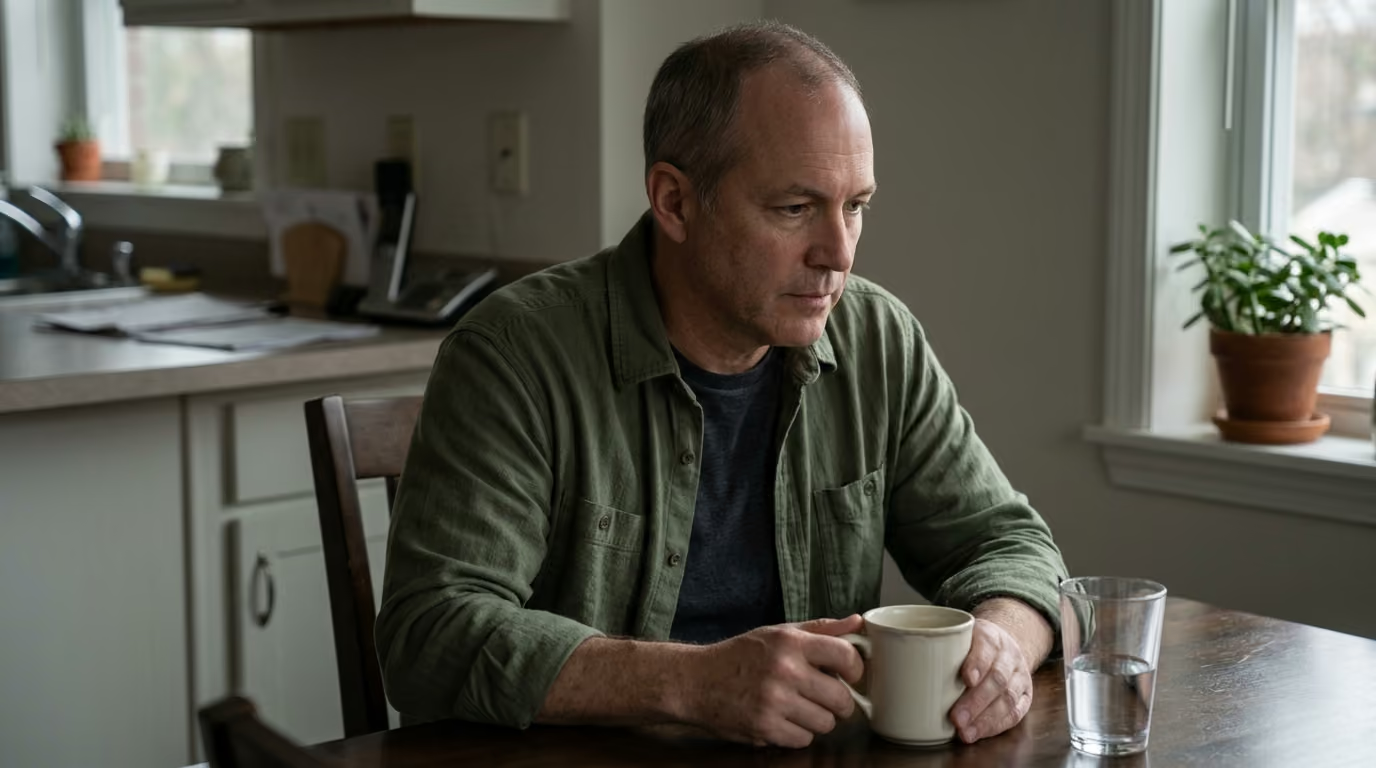
You wake up with a stiff lower back that makes putting on boots a deliberate, painful chore. You plan your morning around joint pain, hoping the third cup of coffee eases the ache enough to walk the dog. Navigating recovery often feels like guessing between doing too much and doing nothing at all.
Quick Take: Physical therapy delivers lasting results only when clinical guidance combines with consistent, manageable movement practice performed in your daily environment between appointments.
Physical therapy evaluates movement impairments and restores functional independence through progressive exercise, manual techniques, motor retraining, and patient education. Rather than relying on passive modalities alone, effective rehabilitation uses targeted physical loading to rebuild strength, range of motion, and physical endurance.
Physical therapy is a specialized rehabilitation profession focused on movement limitations, mobility restrictions, and physical function. Within the Department of Veterans Affairs, physical therapists evaluate patients, establish diagnoses related to movement dysfunction, and create structured care plans. The primary goal is reducing disability while helping veterans maintain independence and quality of life.
Rehabilitation within the VA operates across several coordinated environments. Inpatient units provide acute rehabilitation following surgery, stroke, or severe illness. Outpatient clinics handle chronic musculoskeletal pain, joint replacements, and sports injuries. Home health services deliver care to homebound individuals, while virtual tele-rehabilitation reaches veterans in rural communities.
Physical therapy is distinct from the broader umbrella of Physical Medicine and Rehabilitation. Physical Medicine and Rehabilitation is an interdisciplinary medical service led by physiatrists that includes occupational therapists, kinesiotherapists, speech pathologists, and prosthetists. Physical therapy is a core clinical discipline within that broader system, targeting the mechanics of human movement.
The scale of VA physical therapy is substantial. The VA employs more than 3,100 licensed physical therapists and roughly 670 physical therapist assistants. In fiscal year 2025, VA physical therapists treated more than 829,000 unique patients across approximately 3.88 million clinical encounters. These figures show that physical rehabilitation is a standard foundation of veteran healthcare rather than a niche service.
Understanding how physical therapy fits into veteran lifestyle and healthcare helps individuals advocate for appropriate referrals. Whether you receive care at a major medical center or a community clinic, the underlying principles of physical assessment and progressive loading remain identical.
Rehabilitation follows a structured clinical path from initial intake to independent self-management. Understanding these distinct phases allows you to anticipate milestones and actively participate in your treatment decisions.
Access to physical therapy begins with an assessment from a primary care provider, surgeon, or specialty physician. Depending on facility policies, some VA medical centers permit direct scheduling for specific musculoskeletal conditions. In other facilities, an electronic consultation from your primary care team is required before scheduling.
During the referral process, veterans should ask whether in-person care, community care, home health, or tele-rehabilitation is best suited for their situation. If traveling to a VA medical facility presents a significant barrier, community care network options or video telehealth visits may provide viable alternatives.
The initial evaluation forms the baseline for all future care. Your physical therapist reviews your medical history, military exposures, prior surgeries, and symptom trajectory. They assess how symptoms influence your sleep, work capacity, and recreational activities.
The physical examination measures specific mechanical variables. The therapist tests joint range of motion, muscle strength, balance, coordination, sensory integrity, and walking patterns. They evaluate how you perform fundamental movements such as squatting, reaching, lifting, and transferring from a chair.
A critical outcome of this evaluation is distinguishing between three distinct levels of functional limitation:
Your baseline functional metrics are recorded during this session. These metrics might include a timed sit-to-stand test, a two-minute walking test, or validated pain interference questionnaires.
Following the evaluation, the therapist creates an individualized plan of care. This plan outlines the frequency of visits, the primary interventions, and measurable functional goals. In our experience, rehabilitation succeeds best when goals focus on real-world capabilities rather than isolated joint angles.
Treatment plans often combine multiple modalities based on individual needs:
Rehabilitation relies on the principle of progressive adaptation. As tissues heal and neuromuscular control improves, the physical demands of the exercises must gradually increase. If exercises remain at the same intensity for months, functional improvement plateaus.
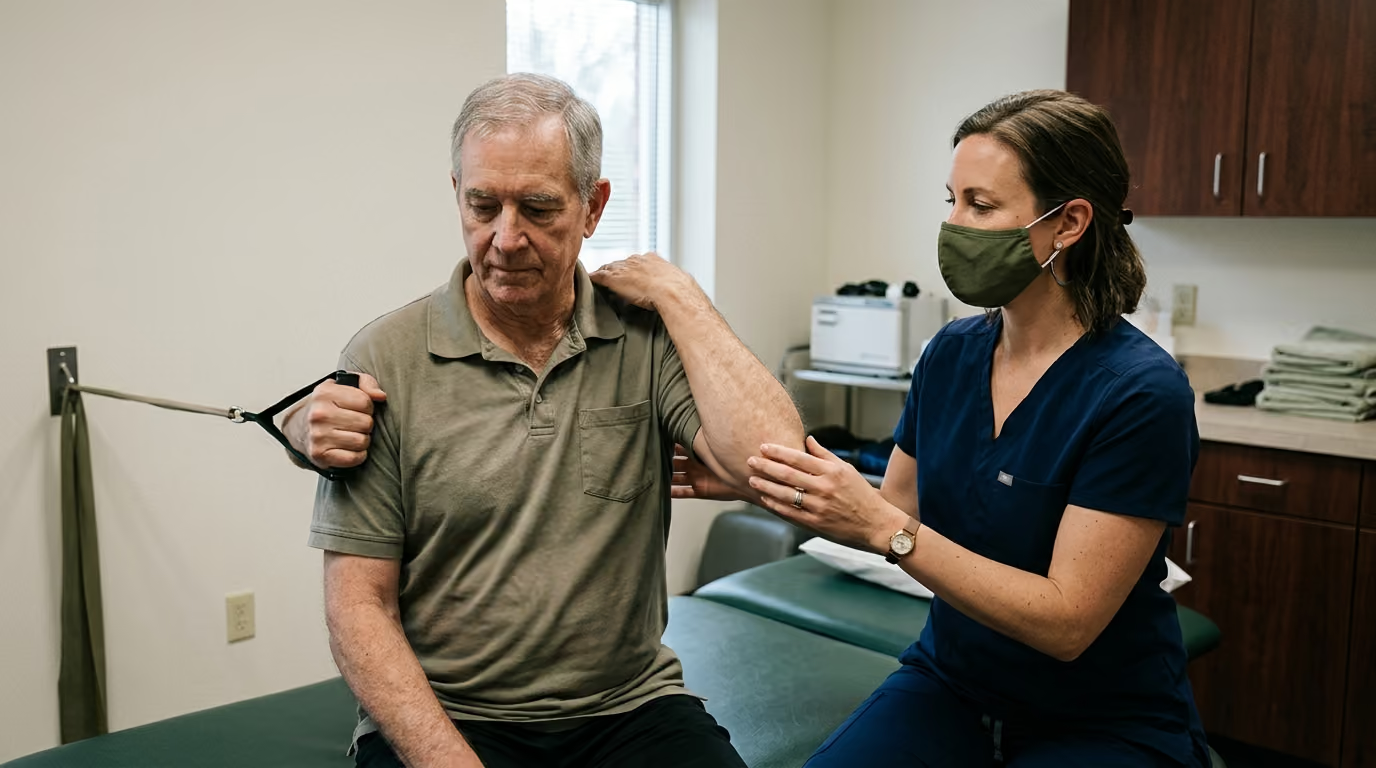
Progression involves adding resistance, increasing repetitions, challenging balance with unstable surfaces, or speeding up movement control. It also involves transitioning from simple single-joint movements to complex multi-joint actions that mirror daily life.
Discharge from formal physical therapy does not mean your physical recovery is complete. It indicates that you have acquired the necessary strength, mobility, and knowledge to continue progressing independently.
A comprehensive discharge plan provides a sustainable routine, clear criteria for when to seek follow-up care, and strategies for managing temporary symptom flare-ups. Maintaining these movement habits supports healthy aging and longevity well after clinical appointments end.
A standard physical therapy appointment lasts between 30 and 60 minutes, typically occurring once or twice per week. That leaves more than 160 hours each week outside the clinic. What you do during those unsupervised hours determines the success of your rehabilitation.
Clinical appointments serve as coaching, assessment, and progression sessions. The therapist evaluates tissue response, corrects movement mechanics, and adjusts exercise variables. However, neuromuscular adaptations, tendon remodeling, and muscle hypertrophy require repeated stimulus over extended periods.
When you perform prescribed movements at home, you provide the biological stimulus necessary for tissue adaptation. You also practice moving safely in your actual living environment. This real-world practice transfers clinical gains into functional habits, such as lifting objects without pain or walking with improved posture.
Active participation also provides critical diagnostic feedback for your therapist. When you attempt exercises at home, you discover which movements trigger pain, which exercises are too difficult, and which instructions were unclear. Bringing this information to your next visit allows the therapist to refine your program accurately.
Viewing rehabilitation as an active partnership prevents the frustration of passive dependence. The therapist brings biomechanical expertise and clinical reasoning, while you provide the consistent execution necessary for physical change.
Scientific research validates the effectiveness of physical therapy for diverse musculoskeletal and neurological conditions. However, the evidence also reveals clear challenges regarding treatment volume, home adherence, and long-term behavior maintenance.
Extensive clinical research demonstrates that active exercise therapy is an effective first-line intervention for chronic low back pain, knee osteoarthritis, hip impingement, and shoulder tendinopathy. Structured strengthening and mobility work consistently outperform passive modalities such as ultrasound, electrical stimulation, or heat packs alone.
A 2024 retrospective study published in clinical literature examined 5,545 veterans receiving physical therapy evaluations for low back pain. Among the 3,618 veterans who continued beyond the initial evaluation, the average care episode involved 5.0 visits over 16.6 days. Interestingly, patients who received manual therapy combined with active exercise had lower odds of receiving subsequent opioid prescriptions over a one-year follow-up, though researchers noted this observational association requires further study.
Physical therapy also demonstrates strong efficacy across older populations. A randomized study of older veterans experiencing post-hospitalization deconditioning found that home-based physical therapy significantly improved physical function and walking speed. Both standardized physical therapy and high-intensity regimens produced clinically meaningful improvements in gait speed, proving that structured, consistent movement is beneficial even after severe deconditioning.
Tele-rehabilitation has emerged as an evidence-backed delivery model. A clinical study assessing the VA Rural Veterans TeleRehabilitation Initiative evaluated veterans receiving in-home video physical therapy over an average of 99 days and 15.2 sessions. Participants demonstrated significant improvements in the Functional Independence Measure, the two-minute walk test, cognitive screening scores, and overall health-related quality of life metrics.
While the benefits of active rehabilitation are clear, maintaining long-term adherence presents ongoing challenges. A systematic review conducted by the VA Health Services Research and Development Evidence Synthesis Program examined interventions designed to improve long-term home exercise adherence for chronic back and joint pain.
The review analyzed ten clinical trials and found that few behavioral interventions reliably maintained exercise adherence once formal clinical supervision ended. Only three studies demonstrated a positive effect on long-term adherence, with just one trial classified as low risk of bias. The researchers concluded that while home exercise is necessary to sustain functional gains, evidence regarding the most effective methods to guarantee long-term compliance remains inconclusive.
Exercise program design significantly affects whether patients complete their home routines. A clinical study evaluating service members assigned home exercise programs found an inverse relationship between the number of prescribed movements and patient compliance.
Among service members prescribed two or fewer exercises, 86 percent maintained compliance. When the prescription increased to four or more exercises, compliance dropped to 54 percent. This finding suggests that concise, highly targeted exercise programs produce superior real-world adherence compared to long, complex routines.
Judging recovery solely by daily pain levels often leads to unnecessary discouragement. Pain is an irritable, variable signal influenced by sleep quality, psychological stress, weather, and systemic inflammation. A robust assessment of progress tracks multiple functional domains over weeks and months.
Rather than asking if pain is completely gone, evaluate how your symptoms behave before, during, and after physical activity. Track three specific variables:
Shortening recovery times and delaying symptom onset are definitive signs of biological healing and improved tissue tolerance.
Physical capacity reflects what your musculoskeletal system can perform under standardized conditions. Tracking objective metrics provides clear evidence of physiological improvement even when pain fluctuates.
Useful capacity benchmarks include:
Improving baseline physical capacity is closely linked with broader strength, fitness and body composition goals.
Function measures your ability to complete practical tasks necessary for independent living. Improvements here directly reflect how well rehabilitation translates into daily life.
Notice whether you can climb a flight of stairs step-over-step rather than taking one step at a time. Pay attention to how easily you get in and out of a low vehicle, carry heavy grocery bags, or stand at a counter to prepare a meal. When daily tasks require less conscious effort and cause less fatigue, your functional capacity is expanding.
Participation represents the highest tier of rehabilitation success. This domain evaluates your ability to engage in meaningful social, vocational, and recreational roles.
Resuming work duties, coaching a youth sports team, participating in veteran community events, or returning to a recreational lifting routine are key indicators of recovery. Quality of life improves when physical limitations no longer prevent you from engaging in the activities that define your identity.
Progress is rarely linear. Soreness after increasing exercise volume is a normal physiological response to new mechanical loads, not a sign of reinjury. Setbacks provide valuable data that allow you and your therapist to adjust training variables safely.
Military service exposes individuals to physical, environmental, and blast-related stresses rarely seen in civilian populations. Physical therapists within military and veteran healthcare systems utilize specialized clinical frameworks to address these complex conditions.
Veterans experiencing long-standing spinal pain or multi-joint arthritis often experience central sensitization, where the nervous system amplifies sensory input. In these cases, physical therapy shifts away from short-term passive fixes toward active movement desensitization, graded exercise exposure, and sleep optimization.
Therapists help veterans identify safe movement baselines, avoid the common cycle of overexertion followed by prolonged bed rest, and re-establish confidence in their physical capabilities. Supporting this work with proper recovery and sleep habits creates an internal environment that allows irritated tissues to calm down.
Rehabilitation following joint replacements, ligament repairs, or spinal fusions follows distinct tissue healing timelines. The therapist ensures that healing surgical repairs are protected while progressively restoring range of motion and preventing muscle atrophy.
In many VA medical centers, postoperative rehabilitation utilizes hybrid care models. Early follow-up appointments may occur via secure video telehealth to monitor incision healing, review basic mobility drills, and address swelling before in-person resistance training begins.
Veterans with limb loss undergo comprehensive rehabilitation that extends far beyond learning to walk on a prosthesis. Physical therapists work closely with prosthetists, physiatrists, and occupational therapists to optimize residual-limb health and overall mobility.
Rehabilitation addresses socket fit, residual-limb volume changes, skin breakdown prevention, and gait biomechanics. Therapy focuses on reducing compensatory movements that place excessive stress on the sound limb, back, and hips over decades of prosthetic use.
Blast exposures and physical impacts frequently cause comorbid traumatic brain injuries, vestibular dysfunction, and cervical spine trauma. Veterans may experience chronic dizziness, spatial disorientation, balance deficits, and cognitive fatigue alongside musculoskeletal pain.
Vestibular physical therapists utilize specialized balance testing, gaze-stabilization drills, and habituation protocols to recalibrate the inner ear and visual systems. Treatment environments are often modified to reduce sensory overload, utilizing quiet rooms, clear written cues, and paced intervals to accommodate cognitive fatigue.
Fall prevention is critical for aging veterans and those with peripheral neuropathy, spinal cord injuries, or stroke. Physical therapists evaluate multifactorial risk profiles, including vestibular function, lower-extremity strength, sensation loss, environmental home hazards, and medication side effects.
Interventions combine balance training on varying surfaces, reactive stepping drills, gait aid prescription, and home modification recommendations. Rebuilding physical balance provides the confidence needed to maintain community independence without fear of falling.
Maximizing the return on your rehabilitation investment requires preparation, clear communication, and deliberate daily execution. You can implement several practical steps before, during, and after your clinical appointments.
Approach your initial rehabilitation evaluation with organized information. Bring a written record of your surgical history, service-connected disabilities, and current medications.
Prepare concise answers to these essential questions:
Do not leave a physical therapy session uncertain about your diagnosis or home plan. Clarify the mechanical reasoning behind your treatment program by asking focused questions:
When you return for follow-up appointments, deliver clear, objective reports on how your body responded to the prescribed exercise dose. Avoid vague statements such as "it hurt all week."
Instead, provide actionable details: "When I performed the step-down exercise on Tuesday, my knee discomfort increased from a 3 to a 6, lasted for three hours, and then settled back to baseline." This specific feedback allows your therapist to fine-tune the resistance, angle, or volume of your program accurately.
Consistency outperforms complexity in physical rehabilitation. Design your home program so that it fits naturally into your daily routine without requiring hours of dedicated gym time.
Apply these behavioral strategies to maintain consistency:
Learning to navigate the healthcare system and advocate for your physical needs is an essential component of maintaining military health standards throughout your civilian life.
Rehabilitation progress frequently stalls due to predictable behavioral, logistical, and conceptual pitfalls. Recognizing these common obstacles helps you avoid setbacks and maintain forward momentum.
Many veterans were trained to ignore physical discomfort and complete the mission regardless of symptoms. In physical rehabilitation, applying this mindset often leads to tissue overload and persistent inflammatory flare-ups.
Tendons, cartilage, and healing muscles require progressive, monitored mechanical stress. Forcing a joint through severe, sharp pain does not accelerate recovery; it often irritates nerve endings and delays tissue repair. Learn to distinguish between safe muscular fatigue and sharp joint pain that signals mechanical overload.
Relying exclusively on heat packs, ice, ultrasound, electrical stimulation, and brief manual massage provides temporary symptom relief but produces minimal long-term structural adaptation. These passive tools can help calm an acutely irritated joint enough to allow movement, but they cannot build muscular strength, enhance balance, or restore bone density.
If your clinical appointments consist entirely of passive modalities with no active exercise or functional retraining, discuss modifying your treatment plan with your therapist. Long-term functional capacity requires active mechanical work.
Receiving a home program with eight different exercises requiring forty minutes of daily execution often leads to total program abandonment. When life demands, work schedules, and family responsibilities compete for time, long exercise programs are the first thing dropped.
Advocate for a focused, streamlined routine. Ask your therapist: "Which two exercises are the most critical for my recovery right now?" Master those core movements consistently before adding supplementary mobility or stability drills.
Missing a scheduled appointment due to transportation hurdles, work conflicts, or travel can unintentionally stall your recovery. Without regular progression, exercises become too easy, leading to boredom and diminishing returns.
If attending in-person appointments becomes difficult, ask your VA clinic about virtual tele-rehabilitation visits or hybrid scheduling. Connecting with your therapist via secure video every few weeks allows for exercise progression and accountability without requiring long commutes to a medical center.
Veterans frequently receive MRI or X-ray reports describing "degenerative disc disease," "bone-on-bone arthritis," or "meniscal fraying." These clinical descriptions often sound alarming, causing individuals to avoid exercise out of fear of causing further internal damage.
Scientific research shows that structural changes like disc bulges, cartilage thinning, and labral tears are common in active, pain-free populations. Imaging findings show the anatomy of a joint, but they do not measure movement quality, muscle strength, or nervous system sensitivity. Having an abnormal scan does not mean your body is fragile or unable to adapt to structured physical training.
Reviewing medical data and diagnostic reports can easily feel overwhelming when you first encounter clinical terminology. There is immense amounts of conflicting information surrounding physical health, hormones, and recovery online. I wanted clear facts and evidence based guidance rather than sales pitches or marketing claims. That experience reinforced how critical it is to separate established science from hype and to focus on practical, objective steps forward.
To learn more about our commitment to clear, evidence-based veteran health reporting, visit our about page or explore our broader library of educational resources.
This article is for educational and informational purposes only and does not constitute individual medical advice, physical therapy diagnosis, or personalized treatment planning. Rehabilitation protocols must be tailored to specific clinical diagnoses, surgical precautions, and baseline physical capacities. Always consult a qualified healthcare provider, physical therapist, or physiatrist before beginning an exercise program, modifying prescribed rehabilitation routines, or adjusting pain management strategies.
To receive a physical therapy referral through the VA, schedule an appointment with your primary care provider or treating specialist and request an evaluation for your specific movement limitation or pain condition. Your physician will submit an electronic consultation to the Physical Medicine and Rehabilitation department. Depending on local facility policies and appointment availability, you may be scheduled at a VA medical center, enrolled in video tele-rehabilitation, or referred to an approved community care provider closer to your home.
Physical therapy primarily focuses on restoring gross motor function, mobility, lower-extremity strength, balance, and gait mechanics so you can walk, run, climb stairs, and transfer safely. Occupational therapy focuses on fine motor skills, upper-extremity function, cognitive processing, and activities of daily living, such as dressing, cooking, driving, using tools, and adapting your home or workplace environment. Both disciplines collaborate closely in comprehensive rehabilitation programs to optimize overall functional independence.
If your prescribed home exercises cause a sharp increase in pain or a flare-up that lasts longer than 24 hours, temporarily reduce the volume or resistance by half. Focus on gentle, pain-free range of motion rather than stopping all movement entirely. Document when the pain started, how long it lasted, and which specific movement triggered the symptom, then share this information with your physical therapist at your next appointment so they can adjust your program.
Yes, the VA offers extensive virtual tele-rehabilitation services for veterans living in rural areas or those with limited transportation options. Telehealth visits allow you to meet with a licensed physical therapist over secure video to review exercise form, progress resistance levels, evaluate home safety, and receive education on pain management. To participate, you need a smartphone, tablet, or computer with an internet connection, a quiet room with adequate lighting, and enough open floor space to perform basic movement screens safely.
Follow BattleVet for practical guidance on military and veteran health, strength, recovery, testosterone, sleep and healthy aging. Stay connected for new articles, research backed insights and clear information to help you stay capable for the years ahead.


Build better habits around strength, recovery, sleep, hormones and healthy aging with practical guidance for active military personnel and veterans.
Explore BattleVet