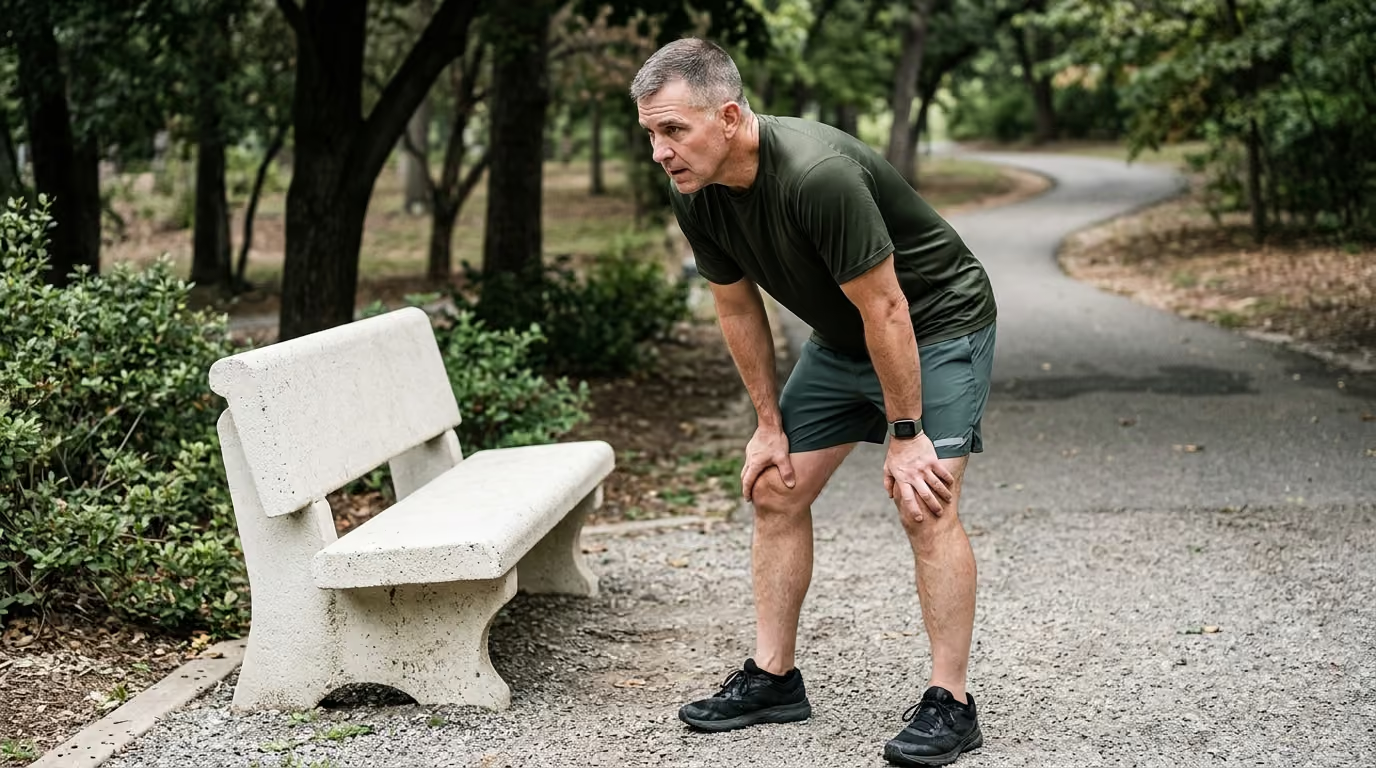

Waking up with persistent fatigue years after active duty points to complex endocrine shifts requiring comprehensive hormone panels and targeted therapies.





Many men assume that declining energy, stubborn body fat, and brain fog in their forties or fifties point directly to a hormone failure. A veteran reviews an abnormal morning blood panel, connects the low number to chronic fatigue, and assumes replacement therapy will restore his baseline. Yet circulating hormones are metabolic messengers rather than root causes of systemic vitality. Long-term health after service requires examining how physical trauma, sleep disruption, body composition, and cardiovascular risks interact with the endocrine system.
Hormonal health after military service is one component of long-term physical capability, requiring comprehensive evaluation of lifestyle, sleep, metabolic health, and specific service-related injuries rather than automatic hormone replacement.
Hormone concentrations fluctuate in response to sleep fragmentation, metabolic health, physical trauma, and psychological stress. Diagnosing a true endocrine disorder requires consistent clinical signs paired with repeat fasting laboratory testing. While testosterone replacement therapy provides clear benefits for men with confirmed hypogonadism, it does not replace cardiovascular risk management, resistance training, mental health care, or proper sleep treatment.
The endocrine system operates through an integrated feedback loop known as the hypothalamic-pituitary-gonadal axis. The hypothalamus releases gonadotropin-releasing hormone in rhythmic pulses. This signal prompts the anterior pituitary gland to release luteinizing hormone and follicle-stimulating hormone. Luteinizing hormone stimulates the Leydig cells in the testes to produce testosterone. Follicle-stimulating hormone acts on the Sertoli cells to support sperm production.
Testosterone does not work in total isolation. Circulating testosterone converts partly into dihydrotestosterone through the 5-alpha reductase enzyme, influencing prostate tissue and hair follicles. A portion also converts into estradiol via the aromatase enzyme. Estradiol plays an essential role in male bone mineral density, lipid regulation, and sexual desire. When total testosterone drops, downstream concentrations of these vital metabolites change as well.
Evaluating male hormones requires looking beyond total testosterone alone. A comprehensive clinical assessment should review:
Circulating testosterone follows a circadian rhythm, reaching peak concentrations during the early morning hours. Sleep debt, illness, acute stress, and food intake can cause temporary drops in circulating levels. The Endocrine Society recommends confirming low concentrations with repeat fasting morning blood tests taken before ten in the morning. An isolated low result serves only as a screening indicator, not a definitive medical diagnosis.
The American Urological Association identifies a total testosterone concentration below 300 ng/dL as a reasonable biochemical threshold for deficiency. However, laboratory cutoffs must always align with genuine physical signs. Sexual symptoms, such as reduced libido, loss of spontaneous morning erections, and erectile dysfunction, show the strongest correlation with true androgen deficiency. Broad complaints like general fatigue, low motivation, and mild weight gain are common to many chronic conditions.
Military service introduces physiological stressors that alter normal endocrine function. Physical impacts, blast overpressures, environmental chemicals, and demanding operational tempos can challenge the hypothalamic-pituitary-gonadal axis. When assessing health, clinicians must consider past service history alongside standard age-related changes. Learn more about foundational wellness strategies in our military health articles.
Traumatic brain injury represents a distinct risk factor for central endocrine disruption. The pituitary gland sits suspended beneath the brain by a delicate stalk, making it vulnerable to shear forces during blast exposures or blunt head trauma. In a large study of active-duty men, personnel with documented traumatic brain injury showed more than twice the odds of being diagnosed with hypogonadism compared to uninjured counterparts.
However, scientific evidence across military cohorts shows some variability. A separate retrospective study of service personnel found no significant increase in pituitary dysfunction or testosterone prescribing among those with prior concussions. This variation means that a past brain injury justifies careful clinical evaluation, but it does not serve as proof of permanent hormone deficiency. Central hypogonadism should be investigated when low testosterone appears alongside low or inappropriately normal luteinizing hormone.
Post-traumatic stress disorder, chronic pain, and sleep disruption frequently co-occur with physical injuries. These conditions create persistent autonomic activation, elevating cortisol and suppressing the normal pulsatile release of reproductive hormones. Attributing chronic lethargy entirely to psychological stress can cause clinicians to miss true pituitary damage. Conversely, assuming that low testosterone is the primary driver of emotional distress can delay critical mental health treatment.
Medication profiles in veteran populations also require careful scrutiny. Long-term use of prescription opioids for service-connected orthopedic injuries suppresses hypothalamic gonadotropin release. Glucocorticoids, selective serotonin reuptake inhibitors, and sedatives can also alter hormone concentrations, erectile quality, and bone turnover. A thorough review of past and current medications often explains abnormal lab results better than a simple diagnosis of endocrine failure.
Body composition and circulating androgens share a bidirectional relationship. Increased visceral adiposity stimulates the aromatase enzyme, converting circulating testosterone into estradiol. Excess fat tissue also raises inflammatory cytokines that suppress hypothalamic signaling, lowering total testosterone production. In turn, low testosterone can facilitate fat accumulation and make maintaining lean muscle mass more challenging.
Clinical trials in older men confirm that testosterone therapy can increase lean body mass and reduce total fat mass. However, these structural shifts produce only modest improvements in functional performance and strength. In our experience, veterans often expect hormone optimization to instantly restore the athletic output of their twenties. When we transitioned from tactical readiness to long-term health, our team found that consistent resistance training and cardiovascular work mattered far more than pursuing specific blood hormone numbers. Explore foundational training concepts in our training and performance section.
Hormone therapy is not a primary weight-loss treatment. While testosterone combined with structured lifestyle intervention can improve glucose tolerance and reduce the risk of type 2 diabetes in men with severe metabolic impairment, it cannot replace dietary quality and regular physical exertion. Prescribing testosterone solely for metabolic improvement without addressing diet or physical conditioning leads to disappointing long-term outcomes.
Cardiometabolic markers provide a reliable view of overall aging. Tracking waist circumference, blood pressure, fasting glucose, hemoglobin A1c, and lipid panels allows men to gauge their real cardiovascular disease risk. An increase in lean muscle mass from hormone therapy does not automatically reduce mortality, heart attacks, or physical disability. Sustained physical independence requires protecting the vascular and metabolic systems through balanced lifestyle habits.
Erectile dysfunction is among the most frequent reasons aging men seek endocrine evaluations. However, sexual function depends on complex interactions among vascular, neurological, hormonal, and psychological systems. The blood vessels supplying penile tissue are exceptionally narrow, making them sensitive indicators of systemic cardiovascular health. Atherosclerosis, hypertension, and endothelial damage frequently manifest as erectile difficulties long before affecting coronary arteries.
The Testosterone Trials demonstrated that testosterone replacement in older men with confirmed hypogonadism produced moderate improvements in libido and erectile function. However, the treatment was far from a universal cure for sexual dysfunction. In men whose erectile issues stem from vascular disease, diabetes, or nerve damage, correcting testosterone levels produces minimal improvement in rigidity.
A comprehensive sexual health assessment must differentiate among related symptoms:
Men experiencing vascular erectile dysfunction often respond well to phosphodiesterase-5 inhibitors, regular cardiovascular exercise, smoking cessation, and blood pressure control. For veterans managing post-traumatic stress or depression, psychological counseling and trauma-focused therapies can resolve sexual difficulties related to chronic sympathetic nervous system activation. Hormones play an essential role in libido, but they represent only one part of sexual health.
A widespread misconception in men's health claims that testosterone acts as a universal treatment for burnout, depression, and mental exhaustion. Marketing messages frequently suggest that restoring testosterone to youthful ranges will resolve brain fog and restore emotional drive. However, rigorous clinical evidence reveals a more nuanced reality.
The Testosterone Trials evaluated vitality, mood, and cognitive performance in older men with low testosterone concentrations. While participants experienced modest improvements in depressive symptoms and overall mood, the therapy failed to produce clinically meaningful improvements in vitality or chronic fatigue. Furthermore, randomized trials found no measurable benefits for cognitive function, memory, or processing speed in older men receiving testosterone.
Research within special operations military cohorts reinforces these findings. A study investigating active personnel with mild traumatic brain injuries found no correlation between circulating testosterone concentrations and neurobehavioral outcomes. Men with normal hormone profiles and men with lower levels experienced similar rates of post-concussive symptoms. Using testosterone therapy as an unproven treatment for post-concussive cognitive deficits lacks empirical support.
Veterans experiencing persistent low mood, lack of drive, or cognitive exhaustion require systematic mental health and sleep evaluations. Sleep disorders, clinical depression, chronic pain, and unresolved psychological trauma represent the most common causes of profound fatigue. Addressing these conditions through evidence-based psychotherapy, sleep medicine, and medical management yields far better outcomes than pursuing hormone therapies for non-endocrine problems. Discover more on managing mental resilience in our sleep, stress and resilience section.
Bone mineral density declines steadily with advancing age in men, yet male osteoporosis remains underdiagnosed and undertreated. Testosterone and its aromatized product, estradiol, are essential for regulating bone remodeling and suppressing excessive bone resorption. When sex steroid levels fall, bone breakdown outpaces new bone formation, increasing the risk of structural fractures.
Veterans face distinctive risk factors for premature bone loss. Research in older male veterans indicates that osteoporosis prevalence reaches 13.5 percent between ages 65 and 74, rising to 34.3 percent after age 85. Despite these figures, a Veterans Affairs study revealed that 61 percent of evaluated veterans met standard treatment criteria for osteoporosis, yet only 17 percent had received a formal bone density scan.
Bone health evaluations with dual-energy x-ray absorptiometry are recommended for:
Military amputees experience unique skeletal changes. Findings from the ADVANCE study demonstrate that bone density loss in lower-limb amputees occurs locally on the injured side due to altered biomechanical loading. This localized osteopenia does not represent a systemic hormone deficiency, but rather a direct response to reduced weight-bearing forces. Read about structural recovery and joint support in our strength, fitness and body composition resources.
Testosterone therapy increases volumetric bone mineral density in hypogonadal men. However, recent scientific reviews note that these structural increases have not been shown to reduce clinical fracture rates or fall frequency. Protecting the skeleton requires a comprehensive approach, including resistance training, balance exercises, adequate calcium and vitamin D, fall prevention, and approved bone-strengthening medications when severe osteoporosis is present.
Prescribing testosterone therapy requires balancing symptom relief against potential health risks. The Endocrine Society recommends testosterone therapy for men with symptomatic deficiency who have confirmed low morning testosterone levels. Routine prescribing for older men with normal laboratory values or borderline numbers without symptoms is explicitly discouraged.
The landmark TRAVERSE randomized trial evaluated cardiovascular safety in middle-aged and older men with documented hypogonadism and preexisting cardiovascular disease or elevated risk. The trial showed that testosterone therapy did not increase the incidence of major adverse cardiovascular events compared to a placebo over the study period. This finding provides reassurance for men who genuinely require replacement therapy.
However, the TRAVERSE trial also highlighted specific medical risks that require ongoing monitoring:
Testosterone therapy carries absolute contraindications. The Endocrine Society advises against initiating treatment in men with active prostate cancer, palpable prostate nodules, elevated PSA without urologic clearance, untreated severe obstructive sleep apnea, uncontrolled congestive heart failure, recent heart attack or stroke within the past six months, baseline hematocrit above 48 percent, or near-term fertility plans. Exogenous testosterone suppresses pituitary gonadotropins, stopping natural sperm production and causing testicular atrophy.
Safe clinical management requires regular laboratory monitoring. Serum testosterone, hematocrit, PSA, blood pressure, and sleep apnea symptoms should be evaluated three to six months after starting treatment and annually thereafter. Therapy should target mid-normal physiological testosterone concentrations, avoiding excessive supraphysiological levels that elevate cardiovascular and thrombotic risks. Explore our testosterone and hormones articles for in-depth educational resources.
Clinical presentations of hormone concerns in veteran populations vary widely. Applying rigid diagnostic rules without considering personal medical history leads to frequent misdiagnoses. Reviewing realistic clinical scenarios illustrates how clinicians should navigate complex presentations.
A 67-year-old veteran presents with low libido, loss of morning erections, and gradual muscle loss over three years. Two separate fasting morning blood tests reveal total testosterone levels of 195 ng/dL and 210 ng/dL. His luteinizing hormone is elevated, pointing to primary testicular dysfunction. His PSA is normal, hematocrit is 42 percent, and he has no history of sleep apnea.
This patient meets established diagnostic criteria for testosterone therapy. He should receive clear counseling on expected benefits for sexual health and body composition, alongside realistic discussions regarding vitality and cardiovascular monitoring. Treatment should aim for a mid-normal physiological range.
A 49-year-old veteran with a history of blast exposures in Iraq reports persistent mental exhaustion, reduced facial hair growth, headaches, and low libido. His morning total testosterone is 185 ng/dL, but his luteinizing hormone is inappropriately low. His thyroid panel shows mild central hypothyroidism.
This presentation points toward central hypogonadism caused by pituitary stalk trauma or hypothalamic disruption. Starting testosterone without a comprehensive endocrine evaluation could mask broader pituitary deficits. The appropriate next step is an endocrinology referral and pituitary magnetic resonance imaging to assess structural damage before determining treatment.
A 55-year-old veteran presents with profound daily exhaustion, heavy snoring, weight gain, and a single borderline total testosterone test of 285 ng/dL. His hematocrit is 51 percent, his waist circumference is 44 inches, and his fasting glucose is elevated. He requests an immediate testosterone prescription to resolve his low energy.
Prescribing testosterone here is clinically inappropriate and potentially harmful. Untreated severe sleep apnea and elevated baseline hematocrit are clear contraindications. The priority is completing a formal sleep study, initiating continuous positive airway pressure therapy, and establishing a structured resistance and nutritional plan. Treating sleep apnea and reducing visceral fat often restores endogenous testosterone while addressing the true causes of fatigue.
A 42-year-old veteran with chronic back pain and low energy requests testosterone therapy, but mentions that he and his partner hope to conceive another child within the next year. His morning testosterone is 290 ng/dL.
Initiating standard exogenous testosterone therapy would shut down gonadotropin production, causing azoospermia and impairing fertility. The clinical management plan must prioritize alternative strategies, such as lifestyle optimization, review of pain medications, or specialist referral for fertility-preserving medications like clomiphene citrate or human chorionic gonadotropin.
Navigating men's health research requires distinguishing established clinical facts from preliminary observations. High-quality randomized controlled trials provide clear guidance on what hormone interventions can and cannot accomplish.
Established clinical science confirms that testosterone therapy reliably improves sexual desire, erectile performance, volumetric bone mineral density, and red blood cell counts in men with documented hypogonadism. Landmark trials confirm that physiological replacement does not raise short-to-medium-term rates of major adverse cardiovascular events in screened patients.
Conversely, claims that testosterone extends human lifespan, prevents dementia, cures chronic post-traumatic stress disorder, or resolves general burnout are unsupported by evidence. Research also shows that localized bone loss in amputees stems from mechanical changes rather than endocrine failure. Understanding these distinctions prevents men from seeking pharmaceutical solutions for conditions that require lifestyle, behavioral, or mechanical interventions. For comprehensive perspectives on long-term wellness, explore our healthy aging articles.
Maintaining endocrine function, lean muscle mass, and cardiovascular health after military service requires consistent daily habits. Men can take practical, evidence-based steps to protect their physical performance and long-term vitality.
This article is published for educational and informational purposes only and does not constitute formal medical advice, clinical diagnosis, or personalized treatment recommendations. Endocrine health, cardiovascular risk, and hormone replacement therapy involve complex clinical considerations that require individual evaluation. Always consult a qualified physician or licensed healthcare professional before making changes to your medication regimen, beginning hormone therapy, or altering training and nutritional protocols.
No. Fatigue is an ambiguous symptom caused by many conditions, including obstructive sleep apnea, clinical depression, chronic pain, poor sleep hygiene, anemia, hypothyroidism, and cardiometabolic disease. A comprehensive medical evaluation is necessary to identify the root cause before attributing fatigue to hormone deficiency.
Testosterone therapy improves erectile function primarily when the underlying cause is confirmed androgen deficiency. If erectile difficulties stem from vascular plaque, hypertension, diabetic neuropathy, medication side effects, or psychological stress, hormone replacement alone will not resolve the problem.
Current scientific evidence does not show that physiological testosterone therapy causes prostate cancer in men without preexisting malignancy. However, testosterone can accelerate the growth of existing, untreated prostate cancer. Routine PSA testing and digital rectal examinations remain necessary before and during treatment.
Testosterone levels peak during early morning hours and decline by twenty to thirty percent as the day progresses. Testing later in the afternoon or after eating can yield falsely low numbers, leading to an incorrect diagnosis. The Endocrine Society requires two separate fasting morning samples to confirm hypogonadism.
True long-term physical capability after military service depends on building strong metabolic, vascular, and musculoskeletal foundations alongside thoughtful medical care.
Follow BattleVet for practical guidance on military and veteran health, strength, recovery, testosterone, sleep and healthy aging. Stay connected for new articles, research backed insights and clear information to help you stay capable for the years ahead.


Build better habits around strength, recovery, sleep, hormones and healthy aging with practical guidance for active military personnel and veterans.
Explore BattleVet