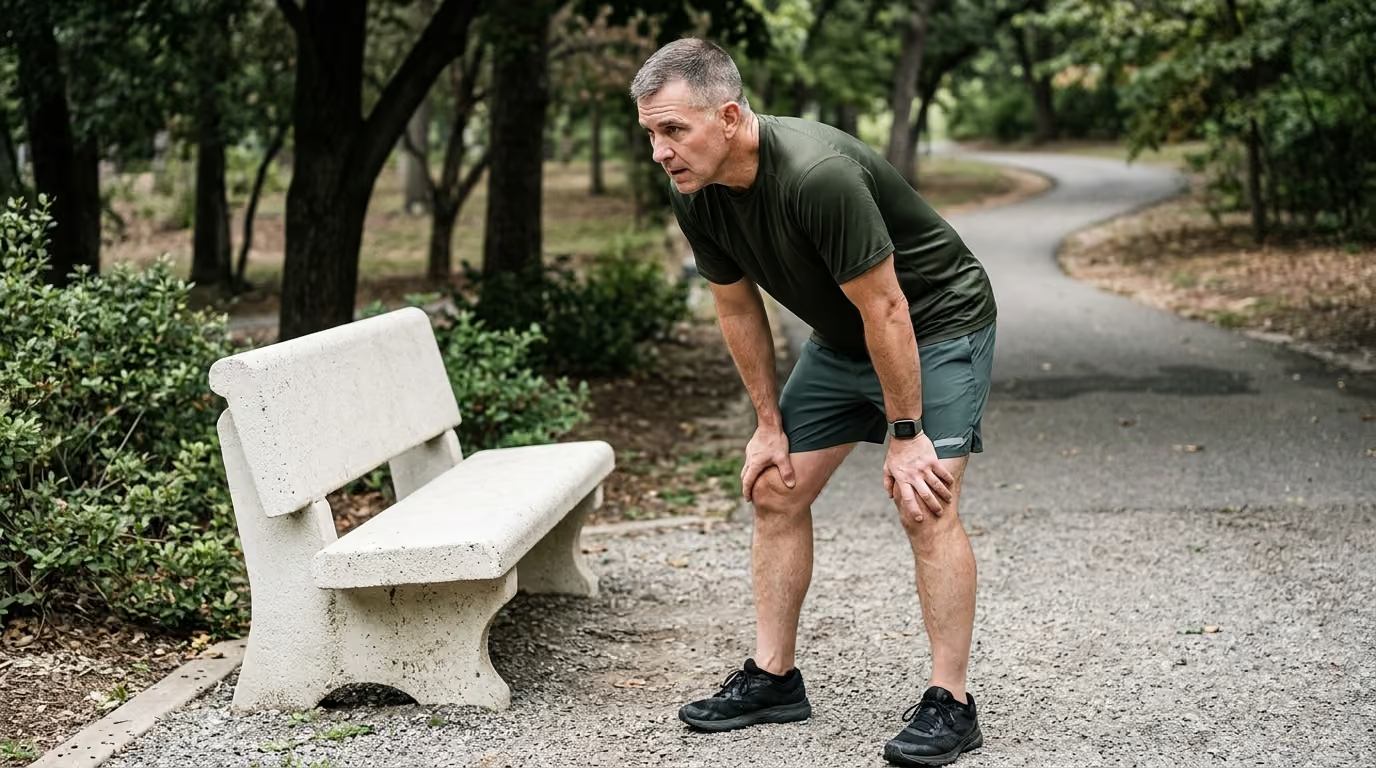

Reviewing unexpected bloodwork results at your annual VA checkup highlights why screening for viral hepatitis and metabolic changes protects your longevity.





Liver longevity is not about short-term detoxes, proprietary cleanses, or isolated lab values. It is about protecting a durable metabolic engine that filters your blood, regulates energy storage, produces essential proteins, and sustains physical resilience over decades.
You sit on the examination table reviewing routine blood work after a demanding month of work, training, and poor sleep. Your liver enzymes fall within the standard reference range, yet you feel persistent fatigue and notice slower recovery from physical activity. Many Veterans assume that normal blood tests mean optimal organ function, but liver health is far more complex than a single laboratory panel.
Preserving long-term liver function requires proactive screening for viral infections, managing metabolic risks, avoiding accidental medication toxicity, moderating alcohol intake, and maintaining skeletal muscle mass.
To safeguard your health as you age, you must understand how cumulative exposures affect liver tissue and what concrete steps you can take to preserve this vital organ reserve. Research confirms that progressive scarring, known as fibrosis, develops quietly over years without obvious symptoms. By addressing nutrition, physical activity, alcohol consumption, and medication safety early, Veterans can prevent permanent damage, maintain metabolic capability, and support independent living throughout their post-service years.
The liver is one of the most resilient organs in the human body, but its capacity is not unlimited. It processes everything you eat, drink, breathe, and absorb through your skin. It synthesizes critical blood-clotting proteins, manages cholesterol production, regulates blood sugar levels, stores glycogen for physical exertion, and breaks down metabolic waste. In the context of healthy aging and longevity resources, liver health represents your reserve against systemic illness, chronic inflammation, and physical frailty.
Liver injury generally develops across five overlapping pathways:
These pathways rarely exist in isolation. A Veteran might manage type 2 diabetes while drinking alcohol on weekends and taking over-the-counter pain medications for joint injuries. When multiple pathways interact, liver tissue experiences compounding stress. According to clinical guidance from the Department of Veterans Affairs, alcohol produces significantly greater liver damage when combined with existing viral hepatitis or metabolic fat accumulation.
To make informed healthcare decisions, you need to know the medical terminology used by clinicians:
The severity of fibrosis determines your long-term prognosis far more than the simple presence of fat. Steatosis alone can remain relatively benign for years. However, once fibrosis advances toward bridging scar tissue or cirrhosis, the risk of liver failure, cardiovascular events, and primary liver cancer rises sharply.
Military service creates specific physical, environmental, and operational exposures that can impact long-term organ health. Since 1998, the Department of Veterans Affairs has operated a comprehensive national viral hepatitis program. This ongoing initiative highlights the prevalence of viral hepatitis among service members and Veterans, particularly those who served during eras with different blood-handling and vaccination protocols.
Veterans frequently encounter overlapping lifestyle and healthcare factors. Service-connected orthopedic injuries can lead to long-term reliance on over-the-counter or prescription pain relievers. Military culture historically normalized high alcohol consumption as a primary coping mechanism for stress, sleep disturbance, and social bonding. Transitioning to civilian life often involves changes in physical activity, which can contribute to insulin resistance, central weight gain, and metabolic disease.
Routine screening within veteran lifestyle and healthcare resources should never feel judgmental or punitive. Instead, it is an objective review of your health baseline. Clinicians routinely evaluate several practical questions:
Reviewing these points allows you and your healthcare team to detect asymptomatic changes early. Because liver disease frequently progresses without obvious symptoms, early objective screening is your best tool for long-term health preservation.
Alcohol directly damages hepatocytes, which are the primary functional cells of the liver. When the liver breaks down ethanol, it generates toxic byproducts like acetaldehyde. These byproducts cause oxidative stress, damage cellular membranes, and trigger inflammatory signals that recruit scar-forming cells. The Department of Veterans Affairs notes that alcohol accelerates the progression of liver fibrosis and significantly hastens the development of cirrhosis.
The interaction between alcohol and chronic viral infections is particularly severe. Department of Veterans Affairs data shows that an individual with untreated chronic hepatitis C has roughly a 20 percent baseline risk of progressing to cirrhosis over several decades. However, a heavy drinker with hepatitis C has 16 times the risk of developing cirrhosis compared to a non-drinker with the same viral infection. Alcohol multiplies the rate of cellular destruction rather than simply adding to it.
This compounding effect also applies after successful viral treatment. Even when hepatitis C is completely cured with modern antiviral medications, residual liver scarring may remain. Clinical protocols from the VA recommend total alcohol abstinence for anyone with established cirrhosis and minimal intake for those with milder residual scarring.
Understanding how alcohol affects the liver requires looking beyond simple averages:
Metabolic dysfunction-associated steatotic liver disease, or MASLD, is now the most common chronic liver condition in the modern world. It develops when the liver accumulates excess triglycerides due to systemic insulin resistance, central adiposity, and dysregulated lipid metabolism. MASLD is closely linked to type 2 diabetes, elevated triglycerides, high blood pressure, and obstructive sleep apnea.
Like other chronic liver conditions, MASLD is silent in its early stages. Many individuals have no symptoms even as inflammation progresses to MASH and early scar tissue forms. Relying on physical feelings alone is unreliable for catching metabolic liver disease.
Body composition is a far more accurate predictor of metabolic liver risk than standard body weight or body mass index. Two individuals can share the exact same height and weight while having vastly different metabolic profiles. A Veteran with low skeletal muscle mass and high visceral fat around internal organs faces significant liver risk. Conversely, a muscular Veteran with minimal abdominal fat may carry a high body mass index without experiencing metabolic dysfunction.
Lean MASLD is another recognized clinical reality. A person with a normal body weight can still develop fatty liver disease if they have poor metabolic fitness, low physical activity, or genetic predispositions. The American Association for the Study of Liver Diseases notes that while weight loss may not be the primary goal for lean patients, dietary improvements and physical conditioning are still critical for metabolic health.
Clinical research from the National Institute of Diabetes and Digestive and Kidney Diseases shows that modest, sustainable fat loss produces meaningful improvements in liver histology:
These numbers serve as target benchmarks rather than rigid guarantees. Weight reduction must occur gradually through sustainable nutrition and regular physical training. Rapid crash dieting, severe starvation, or extreme caloric restriction can worsen liver inflammation by releasing large amounts of free fatty acids into the bloodstream.
Advanced liver disease is frequently accompanied by sarcopenia, which is the loss of skeletal muscle mass, strength, and physical function. Muscle is an active metabolic organ that clears glucose from the bloodstream independently of insulin. Maintaining muscle protects against whole-body insulin resistance and reduces the metabolic workload placed on the liver.
To preserve your physical resilience and support liver longevity, your routine should incorporate principles from our strength, fitness, and body composition resources:
You must distinguish between intentional fat loss achieved while preserving muscle mass and unintentional weight loss. Unintentional wasting, shrinking muscle size, and frequent muscle cramps can indicate advanced liver disease and require clinical evaluation.
Commercial marketing often promotes detox teas, juice fasts, and herbal cleanses as tools to flush toxins from the liver. From a biological perspective, these concepts are unfounded. The liver does not store toxins in pockets that can be washed away with a proprietary beverage. Instead, it relies on complex, continuous enzymatic reactions that require steady micronutrients, amino acids, and balanced energy.
Evidence-based nutrition focuses on your overarching dietary pattern rather than single foods. Guidance from the National Institute of Diabetes and Digestive and Kidney Diseases emphasizes portion control, minimally processed ingredients, and consistent daily habits.
A practical nutritional framework includes:
Veterans should exercise caution with unregulated dietary supplements. The Department of Veterans Affairs advises patients with liver concerns to consult their clinicians before taking any over-the-counter supplements or herbal remedies. A product being sold as natural does not mean it is biologically safe or free from liver toxicity.
Herbal formulations can contain active chemical compounds, heavy metals, or undisclosed pharmaceuticals. High-risk situations include combining multi-ingredient fat burners, using unregulated muscle-building compounds purchased online, or taking high doses of fat-soluble vitamins without laboratory oversight. If you ever develop dark urine, unexplained itching, or yellowing of the eyes while taking a supplement, discontinue the product immediately and contact your doctor.
Drug-induced liver injury can occur through direct, dose-dependent toxicity or through unpredictable reactions known as idiosyncratic responses. The National Institutes of Health maintains a comprehensive scientific database called LiverTox, which catalogues more than 1,000 medications, chemicals, and herbal agents capable of causing liver injury.
Acetaminophen is a safe and effective pain reliever when used exactly as directed, but it requires careful attention. According to LiverTox, acetaminophen overdose is the leading cause of acute liver failure in the United States and other developed nations. Toxic breakdown products deplete an essential antioxidant called glutathione, causing acute cellular death across liver tissue.
Acetaminophen injury typically begins with marked elevations in ALT and AST enzymes within 24 to 72 hours after ingestion. Severe cases can progress rapidly to jaundice, severe coagulopathy, encephalopathy, and life-threatening liver failure.
Because acetaminophen is an active ingredient in hundreds of combination products, accidental overdoses frequently occur when people treat colds, headaches, and chronic pain at the same time.
To use over-the-counter pain medications safely:
Nonsteroidal anti-inflammatory drugs, or NSAIDs, such as ibuprofen and naproxen, have a low rate of clinically apparent liver injury, estimated at 1 to 10 cases per 100,000 prescriptions. However, NSAIDs carry other risks for individuals with advanced liver disease, including kidney injury, fluid retention, and gastrointestinal bleeding. Medication choices should always account for your complete medical history, including liver stage, kidney health, cardiovascular risks, and concurrent prescriptions. For deeper context on age-related health decisions, review our healthy aging editorial resources.
Viral hepatitis remains a primary cause of chronic liver disease, cirrhosis, and liver cancer worldwide. The two most critical chronic viral infections are hepatitis B and hepatitis C.
The Department of Veterans Affairs recommends hepatitis C screening for all Veterans aged 18 to 79, regardless of perceived risk. Testing involves an initial blood test for hepatitis C antibodies. If antibodies are detected, a follow-up test measures viral RNA to confirm whether an active, reproducing infection is present in the bloodstream.
In decades past, treating hepatitis C required prolonged courses of interferon injections that caused severe side effects and had low cure rates. Today, hepatitis C is treated with direct-acting antiviral oral medications taken once daily for 8 to 12 weeks. These modern therapies cure more than 95 percent of patients with minimal side effects.
Curing the virus halts ongoing inflammation and stops progressive scarring. However, curing the infection does not instantly erase advanced fibrosis or cirrhosis that developed over previous decades. Veterans who had significant scarring prior to treatment still require ongoing clinical monitoring and liver cancer surveillance.
Key risk factors that warrant testing include:
The Centers for Disease Control and Prevention recommends universal hepatitis B screening for all adults at least once in their lifetime using a triple-panel blood test. This panel measures hepatitis B surface antigen, hepatitis B surface antibody, and total hepatitis B core antibody to determine whether you have an active infection, natural immunity from a past resolved infection, or vaccine-derived protection.
The CDC recommends hepatitis B vaccination for all adults aged 19 through 59, as well as adults aged 60 and older who have risk factors or seek protection. Vaccination prevents new infection but cannot treat an existing chronic infection. If you manage chronic liver disease from any cause, your clinician may also verify that you are vaccinated against hepatitis A to avoid compounding infections.
Evaluating your liver requires looking beyond a standard annual metabolic panel. Serum aminotransferases, including alanine aminotransferase (ALT) and aspartate aminotransferase (AST), indicate active cellular injury or inflammation. However, they can remain completely normal in individuals with established cirrhosis or advanced fatty liver disease.
A comprehensive clinical assessment includes several diagnostic tools:
The American Association for the Study of Liver Diseases highlights noninvasive assessment methods to estimate liver scarring without performing an invasive surgical biopsy.
The FIB-4 index is a widely validated calculation that combines four simple variables: your age, AST level, ALT level, and platelet count. A low score strongly suggests the absence of advanced fibrosis, while an elevated score indicates that further evaluation is required.
Transient elastography, commonly known as a FibroScan, uses specialized ultrasound technology to measure liver stiffness. Stiffer tissue indicates more extensive scar accumulation. By combining blood scores like FIB-4 with elastography, clinicians can accurately map liver health and identify individuals who need specialist hepatology care.
Early liver disease rarely presents with obvious physical signs. When early symptoms do appear, they are often non-specific, such as mild daytime fatigue, reduced workout stamina, poor appetite, or slight discomfort in the upper right side of your abdomen.
As scar tissue replaces healthy liver architecture, blood flow from the digestive organs through the portal vein becomes restricted. This resistance causes portal hypertension, leading to serious systemic complications.
Recognized manifestations of worsening liver disease include:
Certain clinical situations represent urgent medical emergencies that require immediate emergency care. Vomiting blood, passing dark or tarry stools, experiencing sudden severe confusion, developing rapid abdominal swelling, or suspecting an acute medication overdose demand immediate evaluation at the nearest emergency department.
When cirrhosis develops, medical care shifts toward preventing decompensation and detecting liver cancer early. The American Association for the Study of Liver Diseases recommends that all individuals with cirrhosis undergo routine surveillance for hepatocellular carcinoma. This surveillance involves an abdominal ultrasound paired with a blood test for alpha-fetoprotein (AFP) performed every six months.
Regular six-month imaging allows clinicians to identify small liver nodules before they progress to advanced stages. Patients with cirrhosis also require periodic upper endoscopy to check for enlarged, fragile veins in the esophagus called varices, which can bleed if left untreated.
Managing cirrhosis successfully involves prioritizing restorative habits found in our recovery and sleep resources. Getting quality rest, maintaining balanced nutrition, and managing physical stress support full-body resilience when living with chronic health conditions.
Examining real-world clinical patterns shows how multiple risk factors interact in everyday life.
A 62-year-old Veteran manages type 2 diabetes and high blood pressure. His body mass index is 31, with most weight carried around his abdomen. His annual blood tests show normal ALT and AST levels, leading him to assume his liver is completely healthy.
However, metabolic fat accumulation can progress without elevating liver enzymes. His physician runs a complete blood count and calculates his FIB-4 score, which returns in an intermediate risk range. A follow-up elastography scan confirms moderate liver stiffness with early fibrosis.
By recognizing this early, he avoids disease progression. He transitions from a high-carbohydrate diet to whole foods, initiates progressive resistance training twice weekly, and reduces his body weight by 8 percent over nine months. His follow-up scans show marked reductions in liver fat and stabilized tissue stiffness.
A 58-year-old Veteran successfully completed direct-acting antiviral therapy four years ago, completely eradicating his hepatitis C infection. Believing he is fully cleared of all liver risks, he drinks four to six beers every Friday and Saturday evening with friends.
While the virus is gone, medical imaging from his initial diagnosis showed stage 3 bridging fibrosis. His existing scar tissue makes his liver highly sensitive to alcohol-induced oxidative stress. His physician explains that alcohol directly accelerates scarring in pre-damaged tissue and increases his long-term risk of developing liver cancer.
Understanding this clear physiological risk, he chooses to eliminate alcohol entirely and remains committed to his six-month ultrasound surveillance appointments.
A 45-year-old Veteran deals with chronic lower back pain from his military service. He takes a prescription combination pain medication containing hydrocodone and acetaminophen. During a severe winter cold, he begins taking an over-the-counter multi-symptom cold fluid every six hours, along with extra-strength acetaminophen tablets for a fever.
Within three days, his total daily acetaminophen intake exceeds 6,000 milligrams, far above the safe daily ceiling. He begins experiencing nausea, right upper quadrant pain, and extreme fatigue. Recognizing the danger of medication duplication, his spouse brings him to the emergency department, where clinicians administer intravenous N-acetylcysteine to replenish his liver's glutathione reserves and prevent acute liver failure.
This scenario highlights the absolute necessity of reviewing active ingredients on every prescription bottle and over-the-counter box you use.
Making capable health choices requires distinguishing established clinical science from early, unproven concepts.
Taking control of your liver health involves clear, repeatable daily actions rather than complicated short-term regimens.
Yes. Standard liver enzyme tests, including ALT and AST, measure active liver cell inflammation and membrane leakage. In cases of chronic metabolic fatty liver disease or long-standing compensated cirrhosis, enzyme levels can fluctuate or remain entirely within standard laboratory reference ranges. If you have metabolic risk factors like diabetes, a history of heavy alcohol use, or past viral exposures, ask your clinician to evaluate your risk using noninvasive fibrosis scores or imaging rather than relying on standard blood enzymes alone.
Acetaminophen is generally safe for individuals with mild or moderate liver disease when taken strictly within recommended medical limits. Because it does not cause kidney strain or stomach ulcers like NSAID medications, clinicians often prefer it for routine pain relief. However, you must carefully monitor your total daily intake across all products and avoid combining it with alcohol. If you have advanced liver scarring or cirrhosis, always consult your physician to determine an individualized safe maximum daily dose.
Direct-acting antiviral medications successfully eliminate the hepatitis C virus from your bloodstream, which stops active viral inflammation and halts progressive scarring. However, if significant liver scarring or cirrhosis developed before you received antiviral treatment, that structural scar tissue may persist. Individuals who had advanced fibrosis or cirrhosis prior to being cured still require ongoing clinical checkups, alcohol restriction, and routine six-month ultrasound screenings to check for liver nodules.
No. There is no rigorous scientific evidence showing that commercial detox teas, juice fasts, or liver cleansing supplements repair liver damage or eliminate cellular waste. The liver performs detoxification continuously through specialized enzymatic pathways that require adequate protein, vitamins, and minerals. Some unregulated herbal detox products have actually been linked to acute liver injury. You support your liver far more effectively by eating a nutrient-dense diet, maintaining skeletal muscle mass, limiting alcohol, and managing your blood sugar.
This article is provided strictly for educational and informational purposes. It does not constitute medical advice, diagnosis, or treatment recommendations. Health decisions, medication adjustments, dietary changes, and diagnostic evaluations should always be made in consultation with a qualified healthcare professional who understands your individual medical history. If you experience symptoms of acute illness, jaundice, severe abdominal pain, gastrointestinal bleeding, or confusion, seek emergency medical care immediately.
Follow BattleVet for practical guidance on military and veteran health, strength, recovery, testosterone, sleep and healthy aging. Stay connected for new articles, research backed insights and clear information to help you stay capable for the years ahead.


Build better habits around strength, recovery, sleep, hormones and healthy aging with practical guidance for active military personnel and veterans.
Explore BattleVet