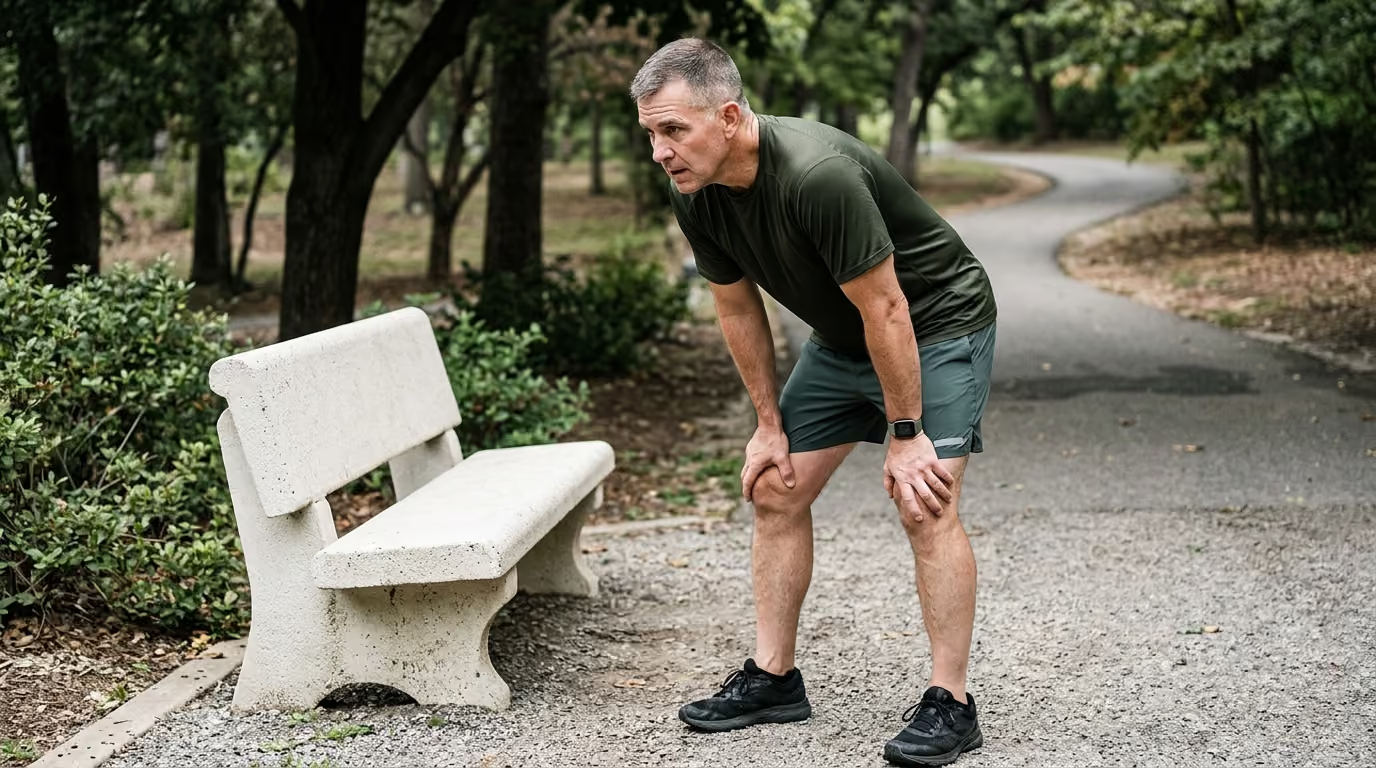

Aging immune health does not depend on costly wellness fads, but on proven clinical prevention, timely vaccinations, and consistent lifestyle habits.





Many people assume that supporting the immune system requires buying specialized supplements or chasing trendy wellness routines. The reality is far more grounded in basic biological maintenance and clinical prevention. You wake up after six hours of restless sleep with aching joints and a dry cough, wondering if your immune defense is slipping. A simple blood draw at the clinic shows normal white blood cell counts, yet you feel worn down after a minor seasonal virus.
Understanding immune health in later life requires looking past marketing promises and focusing on concrete preventive behaviors. True immune resilience is not about artificially stimulating immune cells to work harder. It is the capacity to prevent infections, respond effectively to vaccines, resolve illness without excessive tissue damage, and maintain physical function as you get older.
Veterans face unique physical demands, distinct occupational histories, and specific age-related health changes. Maintaining immune resilience requires an integrated approach that connects vaccination, chronic condition management, sleep quality, balanced nutrition, physical activity, and exposure control.
The human immune system changes naturally throughout life. These changes do not mean your body suddenly stops defending itself. Instead, the immune response becomes less coordinated, slower to adapt to unfamiliar pathogens, and more prone to baseline inflammatory signaling. Clinicians refer to this broader shift as immunosenescence.
Your immune system operates through two interconnected branches that coordinate protection:
Immunosenescence is accompanied by a phenomenon known as inflammaging. This term describes a chronic, low-grade, systemic inflammatory state that commonly develops in older adults. When inflammation remains elevated without an active infection, it strains healthy tissue and impairs the precision of your immune response.
Regular physical activity and nutrient-dense eating patterns help regulate this baseline inflammatory state. However, lifestyle habits do not make a person completely immune to infection. You can read more about these physical adaptations in our healthy aging articles.
Routine laboratory tests like standard complete blood counts offer a snapshot of circulating immune cells. However, normal lab values alone do not guarantee complete protection from seasonal illness. Practical immune resilience is evaluated through real-world outcomes. Clinicians assess your overall vaccination history, the frequency and severity of infections, nutritional status, chronic disease control, and changes in daily functional capacity.
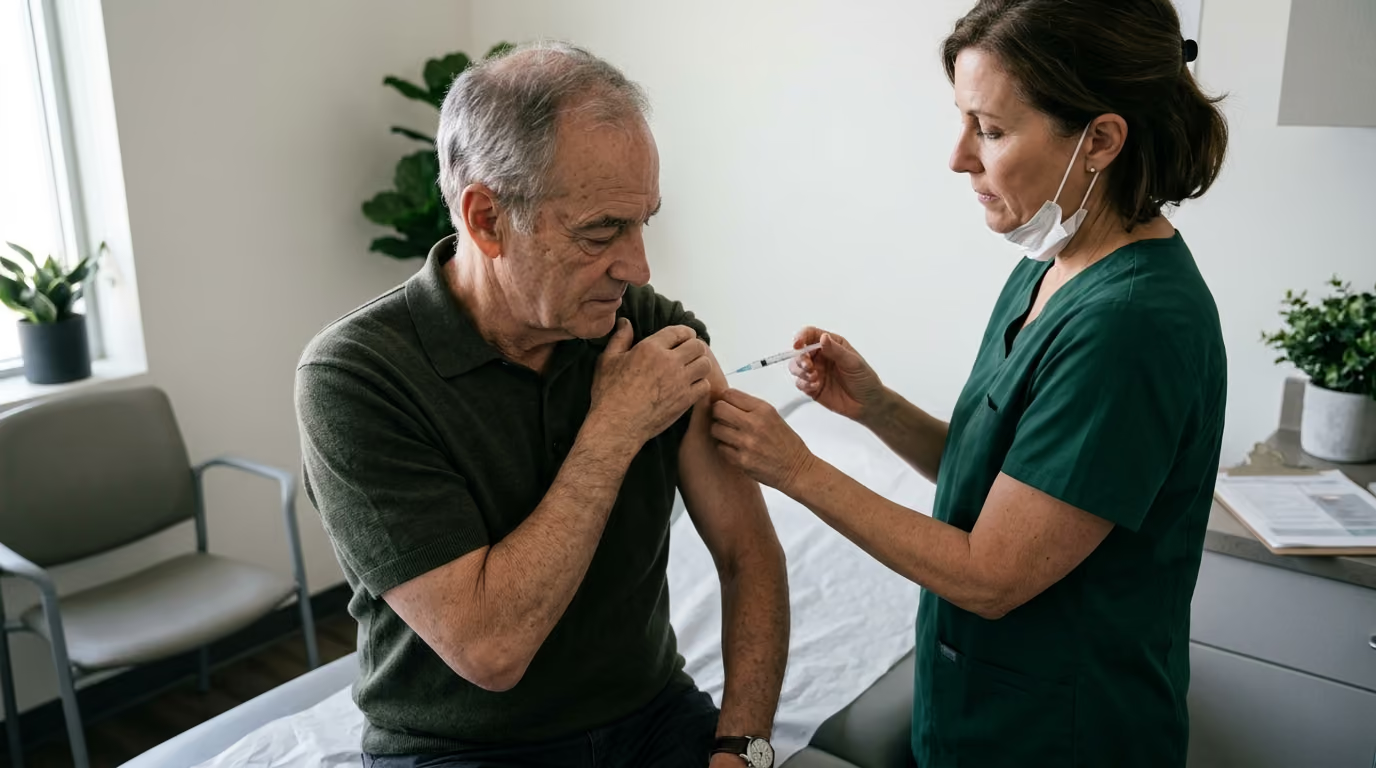
Vaccination remains the most reliable, thoroughly researched intervention for preventing severe infectious disease and hospitalization. Vaccines train your adaptive immune system to recognize dangerous pathogens before exposure occurs. Because immunization schedules change based on age, previous doses, and underlying health conditions, your personal record requires regular clinical review.
The Centers for Disease Control and Prevention (CDC) recommends annual influenza vaccination for all individuals aged six months and older. For adults aged 65 and older, specific high-dose, recombinant, or adjuvanted influenza vaccines are preferred when available. These specialized formulations produce a stronger antibody response to overcome age-related changes in adaptive immunity.
An annual flu shot does not guarantee that you will never catch a respiratory virus. Instead, it significantly lowers the risk of severe pneumonia, intensive care admission, and death. For veterans with underlying lung or heart conditions, annual vaccination provides an essential layer of physiological protection.
Vaccines for COVID-19 continue to be updated to match circulating variants. The CDC adult schedule includes age-specific recommendations and provides distinct guidance for individuals aged 65 and older or those with moderate to severe immunocompromise.
To determine your current vaccination needs, review these specific points with your primary care provider:
Pneumococcal disease can cause serious infections of the lungs, bloodstream, and brain lining. The CDC maintains clear adult recommendations based on age and specific health factors. The exact schedule depends on whether you have received previous pneumococcal conjugate or polysaccharide vaccines.
Adults aged 65 and older require vaccination, but individuals aged 19 to 64 also qualify if they have chronic medical conditions. These conditions include chronic obstructive pulmonary disease, asthma, heart disease, diabetes, chronic kidney disease, liver disease, or a history of cigarette smoking. Because several vaccine options exist, your clinician or VA pharmacist must reconcile your past immunization records before administering a dose.
RSV is a common respiratory virus that can lead to severe lower respiratory tract infections in older adults. The CDC recommends a single dose of RSV vaccine for all adults aged 75 and older. It is also recommended for adults aged 50 to 74 who have chronic medical conditions that increase their risk of severe illness.
These qualifying risk factors include chronic cardiovascular disease, chronic lung disease, end-stage renal disease, complicated diabetes, severe obesity, and moderate to severe immune compromise. RSV vaccination is not an annual shot. If you have already received an RSV vaccine dose, current public health guidance indicates that you do not need another one.
Shingles occurs when the dormant varicella-zoster virus reactivates in nerve tissue, often causing severe nerve pain that can last for months. The CDC recommends a two-dose series of the recombinant zoster vaccine for adults aged 50 and older. This series is also recommended for adults aged 19 and older who have weakened immune systems.
Adults also need a tetanus, diphtheria, and acellular pertussis (Tdap) booster every 10 years, or earlier in the event of a dirty wound. Keeping your records organized across military, VA, and civilian healthcare systems ensures you do not miss necessary boosters or receive duplicate doses.
Commercial marketing often claims that individual powders or concentrated extracts can boost immune function. Peer-reviewed clinical evidence does not support the idea of supernormal immunity. Instead, the immune system depends on broad, continuous nutritional sufficiency to fuel cellular repair and sustain antibody production.
Undernutrition is a significant contributor to impaired immune function in aging adults. Protein-energy malnutrition reduces the production of antibodies, weakens physical tissue barriers, and slows the proliferation of T cells.
Maintaining immune competence requires consistent daily intake of macronutrients and micronutrients:
For practical meal frameworks and dietary planning, consult our dedicated recovery and physical restoration resources.
Micronutrients such as vitamins A, C, D, E, B6, B12, folate, iron, selenium, and zinc play essential biochemical roles in immune cell function. Correcting a diagnosed micronutrient deficiency restores normal immune capacity. However, giving high doses of these vitamins to a person who is not deficient does not grant superior protection against infectious disease.
Clinical reviews show inconsistent results regarding whether daily multi-ingredient immune supplements reduce the frequency or duration of respiratory infections in well-nourished older adults. High-dose supplements can also carry distinct risks, including kidney strain, gastrointestinal bleeding, or dangerous interactions with prescription medications.
The safest clinical approach follows a clear sequence:
Nutritional plans must be customized for veterans managing complex chronic conditions. For example, individuals with chronic kidney disease may need to restrict their intake of protein, potassium, or phosphorus. Veterans managing congestive heart failure must monitor total fluid intake carefully. Never make drastic changes to your diet or fluid consumption without consulting your clinical care team.
Sleep is an active biological process during which your body repairs tissue, clears metabolic waste, and regulates systemic inflammation. Chronic sleep restriction alters the production of inflammatory cytokines and suppresses the normal function of natural killer cells.
Research consistently identifies seven to eight hours of regular, restorative sleep as the target range for optimal metabolic and immune function. During deep sleep stages, the nervous system shifts into a parasympathetic state, allowing the body to redirect energy toward cellular maintenance and immune memory consolidation.
Prolonged sleep debt diminishes your body's response to vaccination and leaves you more susceptible to common viral infections. Quality matters just as much as total time spent in bed. Fragmented sleep disrupts natural hormonal rhythms, keeping baseline cortisol and inflammatory markers elevated throughout the day.
Many veterans experience persistent sleep disruption due to service-connected injuries, pain, or psychological stress. Identifying the root cause of poor rest is essential for long-term health.
Evaluate your sleep patterns using these diagnostic considerations:
Veterans can find comprehensive strategies for improving sleep hygiene in our sleep, stress, and resilience resources.
Regular physical activity is one of the most effective ways to preserve immune resilience, lower baseline systemic inflammation, and protect respiratory health. Exercise improves circulation, allowing immune cells and antibodies to move rapidly throughout the body.
Public health guidelines from the CDC recommend that adults aim for at least 150 minutes of moderate-intensity aerobic physical activity each week. In addition, adults should perform muscle-strengthening activities that work all major muscle groups on two or more days per week.
Epidemiological research shows that adults who meet both aerobic and muscle-strengthening guidelines have significantly lower mortality rates from pneumonia and influenza compared to sedentary peers. Physical conditioning improves lung capacity, strengthens respiratory muscles, and helps the body clear airway secretions more effectively.
You do not need intense athletic training to support immune resilience. Consistency and safety are the most important factors.
To learn more about structured training plans tailored for older adults, visit our strength, fitness, and body composition resources.
Physical activity should be adjusted when you are sick. If you develop a fever, productive chest cough, body aches, or shortness of breath, pause structured workouts and prioritize rest and hydration.
Returning to exercise after a respiratory infection should always be gradual. Begin with short, low-intensity walks and monitor your heart rate, breathing, and fatigue levels carefully. If you experience lingering chest tightness, dizziness, or unusual exhaustion, contact your doctor for an evaluation before resuming strenuous activity.
Chronic health conditions place continuous demands on your physiology, reducing your body's ability to fight off new infections. Effective disease management is an indispensable part of infection prevention.
Common medical diagnoses directly influence your risk of severe complications from viral and bacterial pathogens:
Maintaining tight control over blood sugar, adhering to prescribed cardiovascular medications, using maintenance inhalers correctly, and attending routine follow-up appointments directly protect your immune system.
Certain prescription drugs suppress immune activity to manage autoimmune disorders, prevent organ transplant rejection, or treat cancer. If you take any of these medications, your body will have a harder time fighting off standard infections.
Common immune-modifying treatments include:
Never stop or adjust the dose of an immunosuppressive medication on your own. Instead, work closely with your prescribing specialist and primary care provider to schedule vaccines at optimal times and develop individualized infection avoidance plans.
Veterans have unique health considerations related to environmental exposures encountered during active service. Airborne hazards, toxic fumes, and particulate matter can cause long-term damage to the respiratory tract, altering localized immune defenses.
During deployments across Southwest Asia, the Middle East, and other regions, service members were exposed to open burn pits, industrial emissions, engine exhaust, fine sand, and chemical vapors. Open burn pits were used to dispose of plastics, medical waste, petroleum products, and general refuse, creating thick plumes of particulate matter.
VA studies have evaluated large cohorts of deployed veterans to understand the long-term health consequences of these airborne hazards. Research indicates that deployment to bases with open burn pits is associated with a modest increase in the odds of developing asthma, COPD, chronic bronchitis, and hypertension. For every 100 days of documented burn pit exposure, researchers noted incremental increases in the risk of diagnosed chronic respiratory and cardiovascular conditions.
These data highlight the need for comprehensive medical screening. An exposure history does not mean you are guaranteed to develop lung disease, but it does mean unexplained respiratory symptoms should be evaluated promptly by a medical professional.
The Sergeant First Class Heath Robinson Honoring our PACT Act expanded VA healthcare eligibility and established presumptive service connection for numerous chronic respiratory and cancer diagnoses. Under this law, the VA provides a toxic exposure screening to every veteran enrolled in the VA healthcare system.
Enrolled veterans receive an initial screening and follow-up evaluations at least once every five years. You can review administrative details through our veteran lifestyle and healthcare resources.
When attending your toxic exposure screening, prepare a thorough personal summary:
The VA recognizes several respiratory illnesses as presumptive conditions related to particulate matter and toxic exposures. These include chronic asthma, COPD, chronic rhinitis, chronic sinusitis, constrictive bronchiolitis, pulmonary fibrosis, and interstitial lung disease.
If you experience persistent exertional breathlessness, a chronic morning cough, frequent chest infections, or unexplained fatigue, seek a comprehensive pulmonary evaluation. Diagnostic tools like spirometry, full pulmonary function testing, and high-resolution chest imaging help clinicians detect lung damage early, allowing for timely treatment.
Vaccination and healthy lifestyle habits provide internal resilience, but reducing direct exposure to pathogens remains an essential defense. Simple, reliable hygiene habits significantly lower the transmission of seasonal viruses and bacteria.
Incorporate basic preventive steps into your daily routine:
As people age, the physical signs of a serious infection can change. Older adults and individuals taking immune-modifying medications do not always develop a high fever when dealing with pneumonia, urinary tract infections, or bloodstream infections.
Watch for subtle, early warning signs of systemic infection:
If you or a family member notice these signs, contact a healthcare provider or seek urgent medical care immediately. Early medical intervention prevents minor localized infections from progressing into life-threatening conditions like sepsis.
Because health status varies widely among veterans, prevention strategies must be tailored to the individual. The following real-world scenarios illustrate how these principles are applied in clinical practice.
A 68-year-old veteran with a history of burn-pit exposure during deployment presents with a chronic morning cough and worsening shortness of breath when climbing stairs.
Clinical Approach:
An 80-year-old veteran lives alone, reports poor sleep, has experienced unintentional weight loss of eight pounds over six months, and has a history of high blood pressure.
Clinical Approach:
A 57-year-old veteran takes a prescription biologic medication for severe rheumatoid arthritis and wants to know how to protect their immune health.
Clinical Approach:
A 62-year-old veteran reports experiencing three separate bouts of bronchitis over the past winter, accompanied by fatigue and unexplained weight loss.
Clinical Approach:
This article is provided for educational and informational purposes only. It is not intended to serve as individual medical advice, clinical diagnosis, or treatment recommendations. Health requirements vary widely based on your personal medical history, medications, allergies, and living environment. Always consult a qualified healthcare professional, such as your primary care clinician or VA medical team, before changing your vaccination schedule, starting new supplements, or altering your physical activity routine.
No. While zinc and vitamin C are required for normal immune cell function, scientific studies do not show that taking mega-doses of these nutrients prevents respiratory infections. Correcting a diagnosed deficiency helps restore normal immune capacity, but consuming excessive amounts beyond daily dietary requirements does not create supernormal immunity. Megadoses can also cause side effects like nausea, diarrhea, stomach cramps, and interference with copper absorption.
No. Under current CDC guidelines, the RSV vaccine is given as a single lifetime dose for qualifying adults. It is not an annual vaccine like the seasonal influenza shot. If you have already received an RSV vaccine, you do not need another dose during subsequent respiratory virus seasons unless future public health recommendations change.
You cannot determine the exact cause of a respiratory condition from symptoms alone. Symptoms like chronic cough, wheezing, and exertional shortness of breath occur in many lung conditions, including asthma, COPD, and bronchitis. The best step is to schedule an appointment with your VA or civilian healthcare provider for formal pulmonary function testing and complete a VA toxic exposure screening to document your service history.
Yes. Age-related changes in the immune system occur gradually, even in adults who feel fit and eat a balanced diet. Vaccines provide targeted instructions that allow your adaptive immune system to recognize dangerous pathogens quickly. Being in good physical shape improves your overall resilience, but it does not replace the specific antibody protection that vaccines provide against severe infections like influenza, COVID-19, shingles, and pneumonia.
Maintaining immune resilience throughout your life is an active, ongoing process that relies on established medical evidence, routine screening, and consistent daily health habits.
Follow BattleVet for practical guidance on military and veteran health, strength, recovery, testosterone, sleep and healthy aging. Stay connected for new articles, research backed insights and clear information to help you stay capable for the years ahead.


Build better habits around strength, recovery, sleep, hormones and healthy aging with practical guidance for active military personnel and veterans.
Explore BattleVet