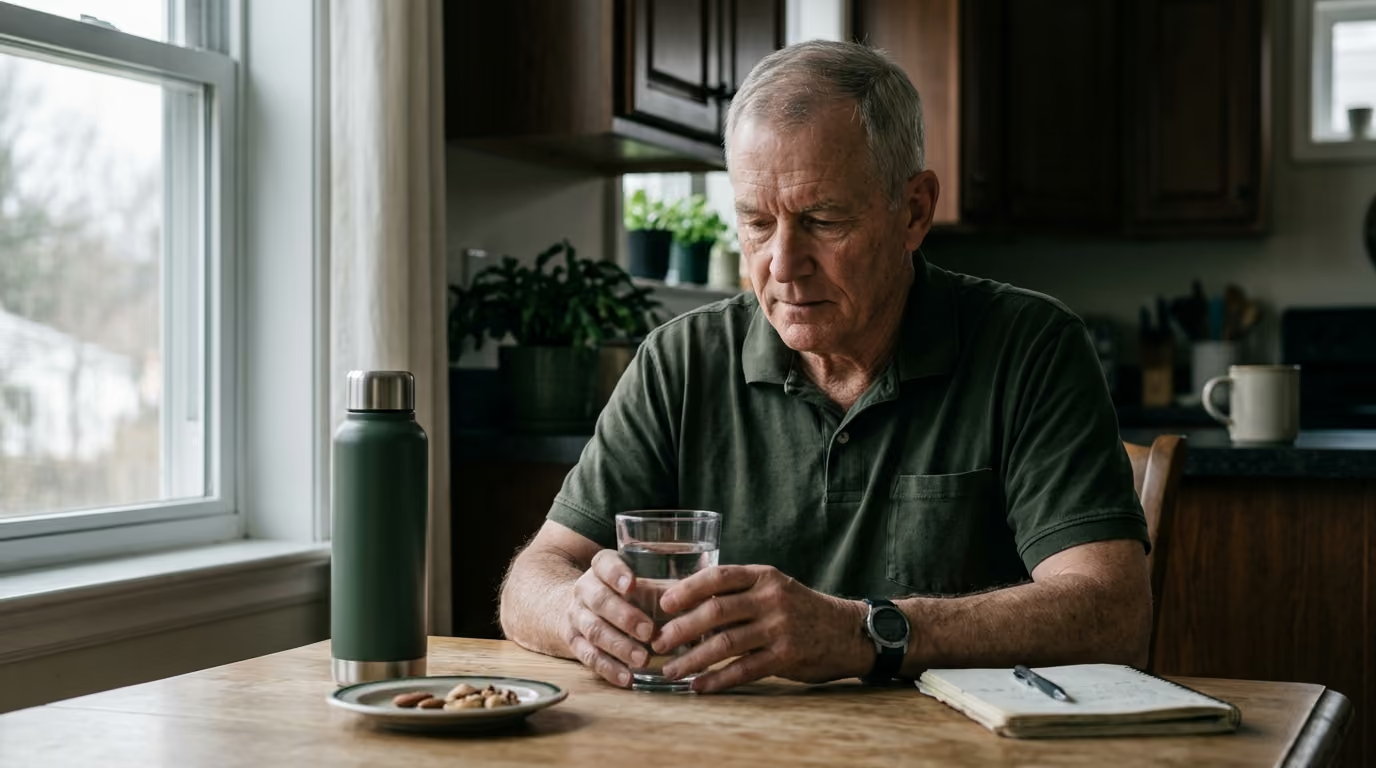

Aging bodies do not regulate heat like younger ones, requiring older adults to master evidence-based hydration protocols and recognize heat illness risks.





If you are in immediate danger, call 911. For 24/7 support, call or text 988 and press 1 for the Veterans Crisis Line, or text 838255.
Hydration and heat tolerance in older age are not simply matters of drinking more water. They represent a complex physiological system involving kidney filtration, cardiovascular reserve, sweat gland efficiency, and medication interactions. True heat resilience requires understanding how aging changes your thermal biology, recognizing where standard hydration slogans fail, and applying structured habits to outdoor work, physical training, and daily living.
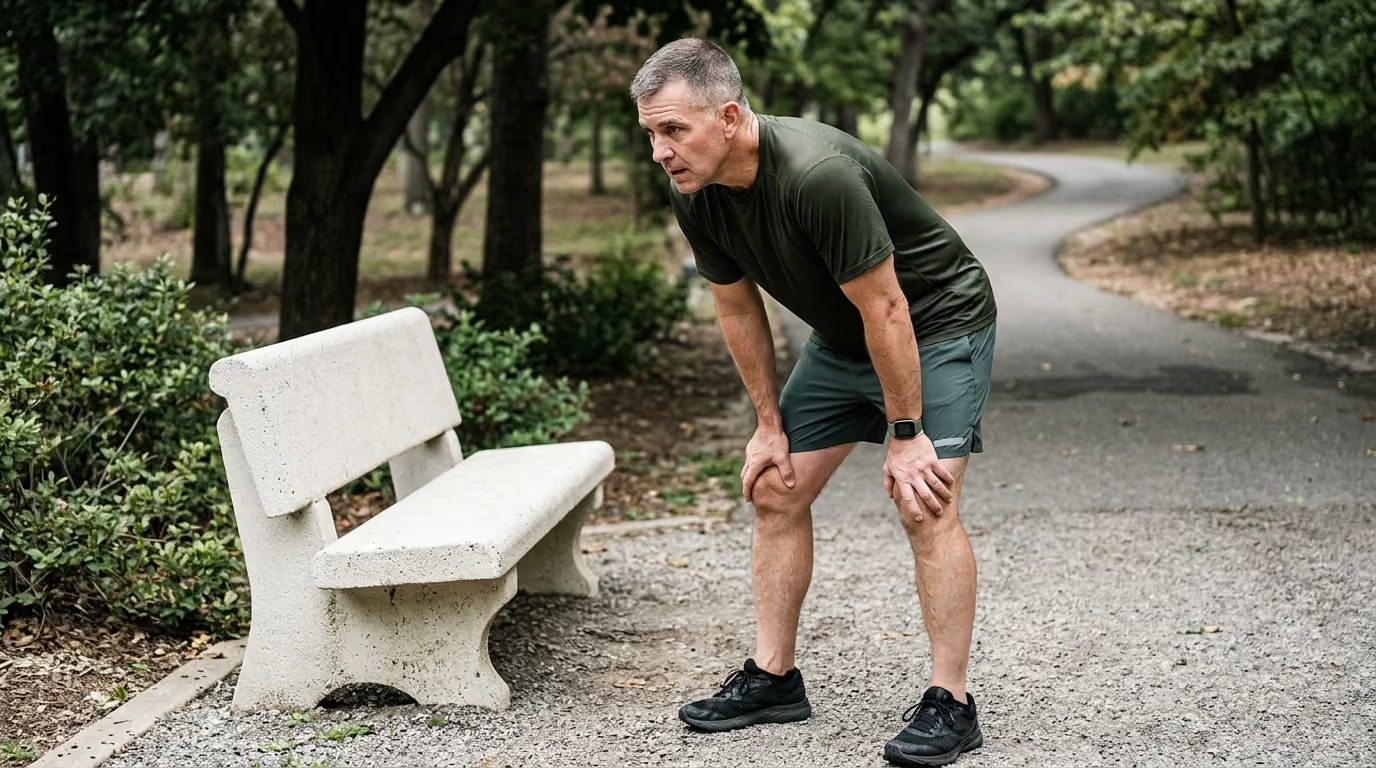
A retired service member walks out to clear brush on a humid July morning. The temperature sits at 88 degrees, and the air feels heavy. Having spent years operating in hot environments, he expects his body to signal when he needs water, but his mouth does not feel dry. Two hours later, a dull headache sets in, his balance becomes unsteady, and his resting heart rate spikes, revealing that his body has been silently losing fluid without triggering thirst.
Thermoregulation and fluid balance shift naturally with age, making scheduled hydration, deliberate acclimatization, and an awareness of medication side effects essential for staying safe and capable in hot environments.
To protect your physical capability in high temperatures as you age, you must abandon the assumption that thirst will protect you. Instead, you need a proactive system based on environmental monitoring, measured fluid and electrolyte intake, structured rest periods, and clear protocols for early warning signs.
The human body regulates its core temperature through a balance of heat production and heat dissipation. When internal temperature rises, the brain directs more blood toward the skin surface and activates sweat glands. Evaporation of that sweat removes thermal energy, while increased cutaneous blood flow allows heat to radiate away from the body core. As the body ages, several key components of this cooling infrastructure experience documented physiological shifts.
Research published in Physiological Reviews demonstrates that adults over 60 show lower heat-induced sweating rates and reduced skin blood flow responses compared to younger individuals. Sweat glands become less responsive to thermal signals, and the microvascular network near the skin surface does not dilate as efficiently. Because less heat is carried from the core to the perimeter and evaporation is blunted, internal temperature can climb rapidly during physical effort, even when a person does not feel drenched in sweat.
Total body water also declines naturally across the lifespan. Muscle tissue holds a high percentage of water, while adipose tissue holds very little. Age-related changes in body composition, combined with shifts in intracellular fluid, leave older adults with a smaller fluid reservoir. A smaller baseline water volume means that losing even a modest amount of fluid produces a faster, more dramatic spike in blood concentration and physiological stress.
At the same time, renal function undergoes structural changes. The kidneys become less effective at concentrating urine during periods of water restriction and less efficient at conserving sodium when intake drops. This narrower margin for error means that an older individual can slide into volume depletion or electrolyte disturbances much faster than a younger adult facing the same environmental workload. For those focused on long-term physical capability, reviewing healthy aging and longevity resources provides essential context on how these baseline physiological systems shift over time.
A critical risk factor is the blunting of the biological thirst mechanism. A comprehensive review in PubMed on thirst and fluid intake reveals that older adults consistently drink less fluid in response to water deprivation, hyperosmotic stress, and exercise in hot conditions. The central nervous system signals that initiate thirst become delayed and less sensitive. Waiting until you feel parched before reaching for a canteen or water bottle guarantees that you are already operating in a state of measurable hypohydration.
Physical aging rarely happens in isolation from medical management. Many veterans manage cardiovascular conditions, joint discomfort, metabolic health, or sleep challenges with daily prescriptions. While these medications support long-term health, several broad drug classes alter fluid balance, blood pressure regulation, and the body's ability to shed heat.
Guidance from the Centers for Disease Control and Prevention (CDC) for healthcare providers highlights how common prescriptions interfere with normal thermoregulation. Diuretics, frequently prescribed for hypertension and heart failure, actively prompt the kidneys to excrete water and sodium. In high heat, this accelerated fluid loss can rapidly trigger volume depletion, orthostatic hypotension, lightheadedness, and falls.
Beta-blockers, another standard cardiovascular tool, limit maximum heart rate and reduce blood flow to superficial skin vessels. By restricting peripheral vasodilation and altering sweat output, beta-blockers reduce the cardiovascular system's capacity to transport core heat outward. They can also blunt the body's natural warning signals, masking the rapid heart rate that normally accompanies thermal stress.
Anticholinergic medications, which include certain allergy treatments, bladder control drugs, and psychiatric prescriptions, directly inhibit the neurotransmitter acetylcholine. Because acetylcholine triggers sweat gland secretion, these medications can severely impair or completely halt the sweating response. A person taking anticholinergic agents can develop life-threatening core temperatures indoors or outdoors without producing noticeable perspiration.
Chronic medical conditions introduce their own operational constraints:
A compromised heart must work significantly harder to pump warm blood to the skin for cooling. In extreme heat, cardiac output must increase substantially, placing immense strain on an already vulnerable cardiovascular system.
Reduced glomerular filtration limits the kidneys' ability to balance fluid volume and filter electrolytes. Individuals with kidney impairment cannot rapidly clear excess fluid, nor can they effectively retain essential minerals during heavy sweating.
Prolonged high blood glucose can damage microvascular networks and autonomic nerves that control sweat glands. This diabetic neuropathy frequently results in irregular sweating patterns, particularly in the lower extremities, which hampers whole-body cooling.
Individuals managing conditions like congestive heart failure or advanced liver disease are often placed on strict daily fluid limits by their physicians. These individuals cannot follow generic advice to drink continuous water in the heat, making professional medical guidance and environmental avoidance their primary lines of defense.
Under no circumstances should you stop or alter prescribed medications on hot days without direct instructions from your prescribing physician. Instead, consult your healthcare provider or pharmacist about your summer routine to establish a tailored hydration and cooling plan.
Heat-related illnesses exist along a spectrum of severity. Distinguishing between early heat exhaustion and medical emergencies like heat stroke is a life-saving skill. Treating these conditions as something to push through is dangerous, especially as physiological reserves diminish.
Heat exhaustion occurs when the body loses excessive amounts of water and salt through sweating, leading to volume depletion and circulatory strain. The individual typically remains conscious and oriented, though they may feel profoundly fatigued, weak, or nauseated.
The correct field response for heat exhaustion is immediate de-escalation. Move the person to an air-conditioned room or deep shade, loosen or remove heavy clothing, apply cool wet towels to the neck and torso, and provide cool water or an electrolyte beverage if they can swallow safely. If symptoms do not improve within 15 minutes, or if vomiting prevents fluid retention, seek medical attention immediately.
Heat stroke is a severe medical emergency characterized by a failure of the central thermoregulatory system. Core body temperature can surge to 103 degrees Fahrenheit or higher within minutes, causing cellular damage and central nervous system dysfunction.
The presence of sweat does not rule out heat stroke. In exertional heat stroke, an individual may continue sweating profusely even as their brain function deteriorates. The defining characteristic of heat stroke is neurological impairment.
If you observe confusion, collapse, or altered behavior in the heat, call 911 immediately. While waiting for emergency medical services, initiate aggressive cooling. Move the person to the shade, immerse them in cold water if feasible, or pack ice packs and cold, wet cloths around the neck, armpits, and groin. Never attempt to force fluids into the mouth of a confused, seizing, or unconscious person, as this creates a serious risk of choking and aspiration.
Heat acclimatization is an active physiological adaptation that occurs when a person is exposed to heat and exercise over several consecutive days. It is not an innate trait, nor is it permanently maintained by general physical fitness or past military service. Acclimatization is rapidly lost after periods of indoor inactivity, illness, travel to cooler regions, or seasonal transitions.
During the acclimatization process, the body makes specific, measurable adjustments. The sweating response begins at a lower core temperature threshold, total sweat volume increases, and the salt concentration in sweat decreases to conserve sodium. Cardiovascular efficiency improves, allowing the heart to maintain stroke volume and blood pressure with less strain during heat exposure.
According to occupational guidelines from the National Institute for Occupational Safety and Health (NIOSH), safe acclimatization requires a progressive schedule spread over 7 to 14 days. For individuals with no recent heat exposure, NIOSH recommends limiting heat exposure to 20 percent of a normal workload on day one, followed by a 20 percent increase each subsequent day.
For individuals who already possess a baseline of recent heat exposure, a faster 4-day progression can be used:
Older adults and veterans returning to warm-weather routines must treat acclimatization with patience. Relying on muscle memory or mental toughness from past deployments can lead to dangerous overexertion. Even if your cardiovascular fitness is high from winter conditioning, your thermal regulatory mechanisms require up to two weeks of consistent, moderate exposure to adjust safely.
When resuming outdoor workouts, rucking, or heavy physical labor after a break, keep your initial sessions short. The American College of Sports Medicine (ACSM) suggests that starting sessions in the heat can be as short as 10 to 15 minutes. Increase your session duration and physical output slowly, scheduling your training for the coolest hours of the morning or late evening.
Maintaining hydration is a continuous discipline rather than a last-minute reaction to heat. An effective hydration plan is structured across three distinct phases: preparation before exposure, sustained intake during activity, and measured replenishment afterward.
Hydration begins long before you step into the sun. Attempting to drink large volumes of water immediately before activity causes stomach discomfort and triggers rapid urination without properly hydrating tissues.
During physical effort, the objective is to replace fluids at a rate that matches sweat loss without overwhelming the digestive system or diluting blood sodium levels.
Guidelines from the Occupational Safety and Health Administration (OSHA) and NIOSH recommend drinking approximately 8 ounces (one cup) of water every 15 to 20 minutes during moderate work in hot environments. This steady pacing provides a continuous supply of fluid for absorption while avoiding gastrointestinal distress.
Fluid intake should not exceed 48 ounces (1.5 quarts) per hour. Drinking beyond this threshold does not improve hydration and significantly increases the risk of exercise-associated hyponatremia, a dangerous condition caused by abnormally low blood sodium.
For physical activities lasting under 60 to 90 minutes, plain water is generally sufficient for healthy adults. When heavy work or training extends beyond two hours in high temperatures, sweat-induced electrolyte losses become significant. In these scenarios, integrate a balanced electrolyte beverage or consume lightly salted snacks alongside plain water to maintain proper sodium and potassium concentrations.
Recovery requires replacing residual fluid and electrolyte deficits while allowing core temperature to normalize.
The most accurate field method for evaluating fluid loss is weighing yourself before and after activity. The ACSM recommends checking body weight in minimal, dry clothing immediately before and after training. Each pound of body weight lost represents approximately 16 ounces of fluid deficit.
Physical capability remains a core priority for many veterans as they age. Whether you are maintaining a strength routine, rucking on trails, or completing demanding property maintenance, hot weather demands deliberate modifications to workload and strategy.
Understanding how to balance training load with physical restoration is vital for longevity. You can read more about balancing physical output in our library of strength and fitness resources. In hot conditions, this balance requires specific tactical adjustments.
Consider these common scenarios to see how age, environment, and physiology interact:
A 72-year-old veteran takes a prescribed thiazide diuretic for blood pressure. Feeling capable, he begins push-mowing his half-acre yard at noon on an 88-degree day with 75 percent humidity. Because his thirst response is blunted, he does not pause for water. After ninety minutes, he experiences sudden dizziness, a throbbing headache, and legs that feel like lead.
The lesson: Midday radiant heat, combined with medication-induced fluid excretion and delayed thirst, creates rapid volume depletion. The fix is scheduling yard work before 9:00 AM, taking a mandatory shaded break every 20 minutes, and drinking measured fluids regardless of thirst.
A 66-year-old former competitive runner maintains excellent cardiovascular fitness on indoor treadmills throughout the winter and spring. During the first heat wave of June, he heads out for an 8-mile outdoor run at his standard indoor pace. By mile four, his core temperature spikes, his heart rate reaches near-maximal levels, and his coordination fails.
The lesson: Cardiovascular conditioning does not equal heat acclimatization. The safer approach requires shortening outdoor sessions to 20 minutes during the first week, lowering target paces, and building volume over 10 to 14 days.
A 63-year-old veteran participating in an all-day community build project drinks two large sports bottles of plain water every hour to prevent dehydration. By late afternoon, she feels nauseated, bloated, confused, and weak.
The lesson: Consuming excessive plain water beyond hourly sweat rates dilutes serum sodium. The solution is capping total intake at 32 to 40 ounces per hour and using electrolyte replacement during extended work.
When training or working with others in hot conditions, establish a clear buddy check protocol. Watch for subtle changes in performance and behavior that signal heat stress:
Heat-induced volume depletion significantly increases fall risk through sudden drops in blood pressure when standing. If you or a partner feel faint or unsteady, sit down immediately in the shade to prevent a fall injury.
Misinformation regarding hydration and heat safety is widespread. Relying on outdated slogans or oversimplified rules can lead to serious health complications.
This is one of the most hazardous assumptions for older adults. Biological aging dampens thirst mechanisms in response to both dehydration and blood concentration. Waiting for thirst to dictate your fluid intake guarantees that you will remain in a persistent fluid deficit during warm-weather activity.
Water is essential, but it is entirely possible to drink too much. Overconsumption of plain water overwhelms kidney clearance and dilutes extracellular sodium levels, causing hyponatremia. This condition causes brain cells to swell, leading to headache, confusion, seizures, and in severe cases, death. Stick to evidence-based intake limits of 8 ounces every 15 to 20 minutes, not exceeding 48 ounces in an hour.
Urine color can provide a rough general reference, but it is not infallible. Consuming a large volume of water quickly will produce clear urine even if your underlying tissues remain dehydrated. Furthermore, diuretic medications, high-dose B vitamins, and kidney disease alter urine color and concentration independent of your hydration status.
According to the National Weather Service, electric fans become ineffective and can even accelerate heat illness when the heat index exceeds 95 to 99 degrees Fahrenheit. In high temperatures, fans blow hot air across the skin faster than sweat can evaporate, functioning like a convection oven. When the heat index is high, rely on air conditioning, cool baths, or damp skin applications rather than fans alone.
While classic non-exertional heat stroke often presents with hot, dry skin, exertional heat stroke frequently occurs with heavy, visible sweating. Never assume a person is safe from critical heat illness simply because their shirt is soaked with sweat. Cognitive impairment, slurred speech, and loss of balance are the true indicators of heat stroke.
Travel frequently introduces multiple compounding heat stressors. Departing a mild or northern climate and landing in a hot, tropical, or high-altitude environment exposes the body to acute thermal strain before natural acclimatization can occur.
CDC travel health guidelines note that travel disruptions further complicate hydration. Long flights and road trips encourage people to restrict fluid intake to avoid using public restrooms. Airplanes feature low cabin humidity that accelerates insensible fluid loss through respiration. Irregular schedules, disrupted sleep, and vacation alcohol consumption all degrade baseline thermoregulation.
If you are traveling with a pre-existing medical condition such as heart failure, hypertension, or kidney disease, visit your doctor before your trip. Request specific instructions on fluid goals, electrolyte consumption, and any necessary medication timing adjustments for your destination's climate.
Heat illness is not solely an outdoor problem. CDC surveillance data reveals that a substantial percentage of heat-related deaths among older adults occur inside residential homes without adequate cooling. Stagnant indoor air, heat retention in brick or concrete structures, and limited ventilation can turn a living space into a hazardous environment during prolonged heat waves.
Developing an indoor heat action plan ensures your living space remains safe when temperatures soar.
Maintaining thermal safety indoors also supports neurological health and daily function. For more information on managing daily routines and wellness, explore our veteran lifestyle and healthcare resources.
During severe heat waves, focus on light, nutrient-dense meals that do not require using an oven. Utilize cool showers, foot baths, or damp washcloths applied to the neck and wrists to assist your body in shedding heat without cardiovascular strain.
Maintaining your physical capability in hot weather requires structured preparation rather than reactive decisions. Use this checklist to set up your summer routine:
This article is provided exclusively for educational and informational purposes and does not constitute medical advice, diagnosis, or treatment. Thermoregulation, fluid requirements, and heat tolerance vary significantly based on individual health history, chronic medical conditions, and daily prescription regimens.
Always consult a qualified healthcare professional, such as your primary care physician or cardiologist, before making changes to your physical training, fluid intake limits, electrolyte supplementation, or medication routines. Never adjust or discontinue prescribed medications on hot days without direct clinical guidance from your healthcare team.
Daily baseline fluid requirements vary based on body size, activity level, climate, and overall health status. A common starting guideline for healthy adults is approximately 2 to 3 liters (68 to 100 ounces) of total fluid daily from all beverages and moisture-rich foods.
However, individuals with heart failure, advanced kidney disease, or specific liver conditions are often placed on medical fluid restrictions by their doctors. Always defer to your personal physician's specific guidance regarding your daily volume limits.
Moderate consumption of caffeinated coffee or tea does count toward daily fluid intake in habitual caffeine consumers. While caffeine possesses mild diuretic properties, regular consumers develop tolerance, meaning standard consumption does not cause net dehydration.
However, during active physical exertion in high heat, plain water and balanced electrolyte solutions should serve as your primary hydration sources. Avoid high-dose energy drinks and limit alcohol consumption, as alcohol significantly impairs kidney water conservation and suppresses core temperature regulation.
Heat edema is a common condition where blood vessels in the legs and feet dilate to allow more blood to reach the skin surface for cooling. Gravity causes some of this expanded fluid volume to pool in the lower extremities, resulting in puffy ankles or swollen feet.
While mild heat edema often resolves after resting in a cool room with your legs elevated, persistent or sudden asymmetrical leg swelling can indicate underlying cardiovascular, venous, or kidney concerns. If swelling is painful, red, sudden, or accompanied by shortness of breath, seek prompt medical evaluation.
Immediately move the person out of the heat into an air-conditioned room or dense shade. Lay them down flat and elevate their legs slightly to support blood flow back to the heart and brain. Loosen or remove tight, heavy clothing. Apply cool, wet towels to the neck, forehead, armpits, and chest, or gently mist them with cool water while fanning.
If they are alert and able to swallow without difficulty, offer small sips of cool water or an electrolyte beverage. If they do not improve within 15 minutes, begin vomiting, or show any signs of confusion, call 911 immediately.
Follow BattleVet for practical guidance on military and veteran health, strength, recovery, testosterone, sleep and healthy aging. Stay connected for new articles, research backed insights and clear information to help you stay capable for the years ahead.


Build better habits around strength, recovery, sleep, hormones and healthy aging with practical guidance for active military personnel and veterans.
Explore BattleVet