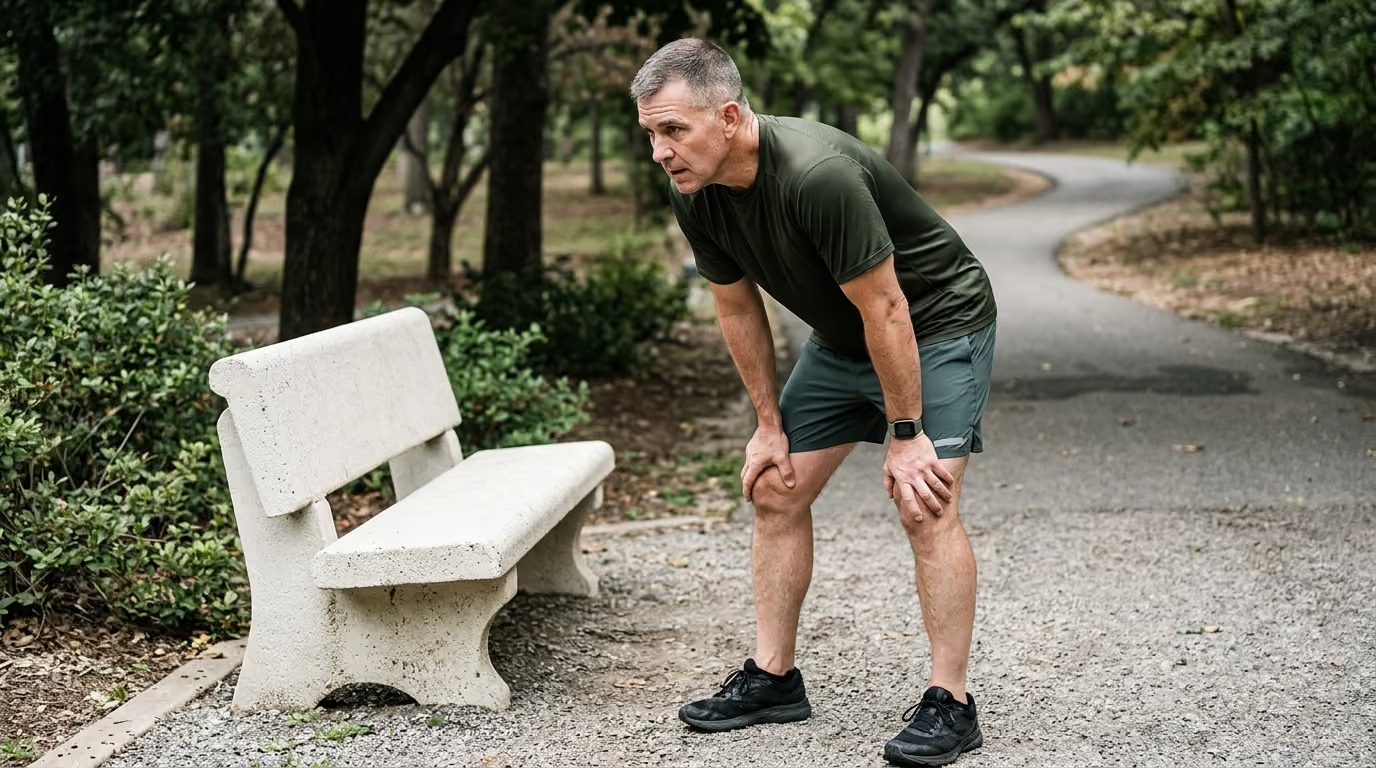

Over 45 percent of military veterans are 65 or older, making coordinated long-term medical care essential for managing multiple chronic health conditions.





If you are in immediate danger, call 911. For 24/7 support, call or text 988 and press 1 for the Veterans Crisis Line, or text 838255.
You sit at the kitchen table with three different pill bottles from two different pharmacies. Your primary care clinic ordered blood work last week, but your private cardiologist requested a different panel yesterday. You try to remember which doctor is supposed to call you about your knee scan, while your lower back aches from yesterday's yard work. Managing your physical health after military service should not feel like running a disorganized command post.
Building a long-term post-service health care team requires treating your medical providers as a single coordinated network with primary care at the center, rather than managing isolated specialists on your own.
To build an effective long-term health care team after military service, you must establish a clear primary care medical home, connect required specialists through active record sharing, integrate clinical pharmacy and rehabilitation services, and designate a primary point of contact for care coordination across the Department of Veterans Affairs, Medicare, TRICARE, or private health networks.
Military service places unique demands on the human body and mind. Over decades, the cumulative impact of physical strain, blast exposures, irregular sleep patterns, and high-stress environments shapes how veterans age. According to data from the Department of Veterans Affairs, approximately 45.6 percent of the veteran population is age 65 or older. Aging-related physical function, memory maintenance, complex medication management, and caregiver support are central concerns for millions of former service members.
Research on older veterans shows that health conditions rarely occur in isolation. A study examining elderly veterans found an average of 5.5 chronic health conditions among men and 5.1 among women across 23 evaluated conditions. In male veterans, the combination of high blood pressure, high cholesterol, and coronary heart disease was present in 37 percent of individuals studied. For female veterans, the combination of high blood pressure, high cholesterol, and arthritis occurred in 25 percent of participants.
When you live with multiple chronic conditions, standard medical guidelines can conflict. A medication prescribed to manage joint pain might elevate blood pressure or stress your kidneys. A treatment intended to stabilize heart function might cause dizziness that increases your risk of falling. This reality shifts the focus from managing individual diseases to establishing a care strategy that protects your overall daily capability. For more guidance on maintaining physical capacity as you grow older, explore our healthy aging articles.
Scientific evidence also demonstrates strong links between service-connected trauma and long-term physical well-being. Studies indicate that post-traumatic stress disorder in older veterans correlates with higher rates of cardiovascular distress, sleep disturbance, tobacco use, and reduced cognitive functioning. Furthermore, traumatic brain injuries can interact with normal biological aging, increasing the risk of balance issues, chronic headaches, and emotional changes decades after the initial trauma. While research continues to investigate the exact neurological mechanisms connecting blast exposure to late-life cognitive decline, current clinical consensus emphasizes early evaluation, structured symptom tracking, and proactive lifestyle support.
A complete health care team is not merely a list of unrelated doctors. It is an organized group of professionals who share notes, verify prescriptions, and align their recommendations with your personal goals. Your network should include several distinct roles working in synchronization.
Primary care serves as the foundation for your long-term health management. The Department of Veterans Affairs organizes primary care through Patient Aligned Care Teams, known as PACT. Your primary care clinician manages routine screenings, tracks chronic illnesses, issues specialty referrals, and oversees follow-up after hospital stays.
A primary care provider maintains your complete health history. However, you must clarify which specific individual on the team manages your coordination. In many clinics, a registered nurse care manager handles follow-up calls, verifies lab results, and tracks outside referrals. You should always know the direct phone extension or secure messaging route to reach this coordinator.
For veterans managing severe multimorbidity, physical frailty, or memory changes, standard primary care may not provide sufficient support. The VA offers Geriatric Patient Aligned Care Teams, known as GeriPACT. This specialized medical home model provides comprehensive geriatric evaluations, detailed medication reconciliations, caregiver assessments, advance care planning, and direct links to community programs.
GeriPACT is an escalation option designed for complex needs rather than a replacement for routine primary care. If you experience unexpected weight loss, recurring falls, difficulty managing daily tasks, or memory lapses, asking for a GeriPACT referral can provide a higher level of dedicated support.
Medication safety is one of the most critical elements of long-term health. A clinical pharmacist does not simply dispense pills. Within modern clinical systems, clinical pharmacists conduct comprehensive medication reviews, adjust dosages based on kidney and liver function, identify drug interactions, and help eliminate unnecessary prescriptions.
Veterans frequently receive medications from multiple sources, such as VA mail order, private insurance plans, and local retail pharmacies. A clinical pharmacist acts as a safety barrier. They verify that over-the-counter supplements, pain relievers, and specialty prescriptions do not create dangerous side effects or duplicate active ingredients.
A medical plan fails if you cannot travel to your appointments, afford your prescriptions, or prepare nutritious meals. Clinical social workers evaluate your living situation, identify available community resources, assist with transportation services, and guide you through benefits paperwork. They also provide essential support for family caregivers who may be experiencing severe physical or emotional fatigue. To see how social and daily lifestyle strategies fit together, review our veteran lifestyle and healthcare resources.
Mental health is an integral part of physical health and longevity. Psychological stress, unresolved trauma, chronic pain, and sleep disruptions directly alter hormone levels, cardiovascular function, and immune recovery. Integrating behavioral health into your permanent medical team ensures that emotional and cognitive challenges are addressed before they become emergencies.
Vet Centers provide community-based readjustment counseling, individual therapy, group processing, and family support for eligible veterans and service members. Vet Centers operate independently from standard VA medical centers. You do not need to be enrolled in VA health care or have a service-connected disability rating to use Vet Center services.
These centers offer confidential counseling for readjustment challenges, military sexual trauma, grief, and family communication issues. Because Vet Centers maintain separate record systems for counseling notes, they provide an accessible entry point for veterans who hesitate to seek help within traditional hospital environments.
Many veterans experienced concussions, vehicle accidents, falls, or blast exposures during their active duty years. Decades later, these injuries can contribute to balance issues, light sensitivity, chronic headaches, irritability, and executive function changes.
When establishing your long-term medical team, ensure that your clinicians document your complete injury history. Even if an injury occurred thirty years ago, your doctors must know about past head trauma. This background allows them to differentiate between age-related cognitive changes, medication side effects, and long-term traumatic brain injury complications.
Data from VA suicide surveillance reports indicate that suicide rates among veterans aged 55 to 74 reached 29.9 per 100,000, and rates for veterans aged 75 and older reached 32.1 per 100,000. Among older veterans who died by suicide, approximately 72.7 percent used a firearm.
A responsible long-term care plan incorporates open discussions regarding lethal means safety and crisis response. Storing firearms securely with cable locks or in lockboxes during periods of major life transition, grief, or severe depression saves lives. If you or a veteran you know experiences sudden hopelessness or severe emotional distress, the Veterans Crisis Line is available by calling 988 and pressing 1, texting 838255, or using online chat. This service is free, confidential, and available even if you are not enrolled in VA healthcare.
Maintaining independence as you age depends heavily on your functional capacity. Functional health measures what you can actually accomplish in your daily life, such as climbing stairs, getting out of a chair, carrying groceries, and managing your own household. Rehabilitation should never be viewed as a short-term program used only after major surgery.
Physical therapists design structured exercise protocols to improve joint mobility, rebuild muscle mass, enhance balance, and reduce fall risks. Regular physical therapy evaluations help aging veterans adapt their exercise routines around old joint injuries, degenerative disc disease, or surgical repairs. For structured approaches to staying physically capable, consult our evidence-based strength resources.
Occupational therapists evaluate how you interact with your physical living environment. They assess your ability to cook, write, bathe, manage medications, and drive safely. An occupational therapist can recommend home modifications, such as grab bars, ramps, stair lifts, and specialized kitchen utensils, that allow you to live independently in your own home for as long as possible.
Service members face intense noise exposures from weapons systems, aircraft, engines, and heavy machinery. Hearing loss and tinnitus are among the most prevalent service-connected conditions. Audiologists provide hearing evaluations, custom hearing aids, and assistive listening devices that improve communication and reduce social isolation.
Speech-language pathologists treat more than speech patterns. They evaluate swallowing difficulties, vocal cord dysfunction, and subtle cognitive-communication changes caused by strokes or brain injuries. Swallowing evaluations are vital for older adults, as undiagnosed swallowing disorders can lead to choking or aspiration pneumonia.
The VA Rehabilitation and Prosthetic Services program provides eligible veterans with a wide range of assistive equipment. This inventory includes custom orthotics, prosthetic limbs, mobility scooters, specialized eyeglasses, and wheelchair modifications.
You should request a functional reassessment whenever your physical mobility declines. You do not need to wait for a catastrophic fall to ask for a walking stick, a knee brace, or a balance evaluation. Proactive adjustments to your physical support equipment keep you active and protect your joints from unnecessary wear.
Many veterans receive medical care from several distinct health systems simultaneously. You might use the VA for primary care and prescription drugs, Medicare for a local cardiologist, and TRICARE for dental or vision services. Without active coordination, this fragmentation leads to duplicated tests, conflicting medical advice, and dangerous drug interactions.
When the VA cannot provide specific services in a timely manner or within a reasonable driving distance, care may be authorized through the VA Community Care Network. However, receiving a community referral does not mean your records will transfer automatically.
You must confirm that the community specialist receives your official authorization paperwork before your appointment. After your visit, verify that the outside specialist faxes or electronically transmits their clinical notes, imaging reports, and lab results back to your referring VA primary care team. You remain the primary administrator of your health information across these boundaries.
The VA does not coordinate payment automatically with Medicare, TRICARE, or private commercial insurance policies. Each health system operates under separate legal authorities, billing rules, and networks.
Before undergoing non-emergency procedures, diagnostic imaging, or specialty evaluations, confirm which insurance system is being billed. Never assume that Medicare will cover co-pays for unauthorized private care, or that the VA will pay for emergency room visits at private hospitals without proper emergency notification protocols.
You should always maintain a personal, portable medical record packet. The VA My HealtheVet platform features the Blue Button tool, which allows you to view, print, and download your electronic health summary, clinical notes, lab results, and military service history.
Download an updated copy of your health summary every six months. Keep a printed version in a secure binder at home, and bring it with you whenever you visit a private specialist, urgent care clinic, or civilian emergency department.
Building an effective long-term health care team requires clear systems and practical habits. Follow these seven steps to establish a reliable support structure.
Decide whether your primary care home base will be a VA clinic, a Department of Defense medical facility, or a private civilian practice. Ensure that your chosen clinic has the infrastructure to coordinate specialty care, manage chronic diseases, and respond to your questions between scheduled visits.
Ask your clinic directly:
Create a single-page document that summarizes your essential medical history. Keep several printed copies available for medical appointments and emergency situations.
Your summary should list:
Gather every prescription drug, over-the-counter painkiller, vitamin, herbal supplement, eye drop, and inhaler currently in your home. Schedule a dedicated appointment with your primary care provider or a clinical pharmacist for comprehensive medication reconciliation.
Ask your pharmacist:
Do not wait for a physical injury or a fall to evaluate your physical mobility. Ask your primary care clinician for baseline referrals to physical therapy, occupational therapy, and audiology.
Use these evaluations to address minor joint stiffness, subtle balance changes, and mild hearing loss early. Addressing small physical limitations early prevents serious injuries that could compromise your ability to live independently.
Connect with behavioral health professionals before life stressors or emotional difficulties escalate into severe crises. Depending on your background and comfort level, this may involve enrolling in a VA mental health clinic, scheduling counseling sessions at a local Vet Center, or working with a private therapist.
If you struggle with sleep disruptions, night sweats, or recurring nightmares, request an evaluation at an accredited sleep disorders clinic. Restorative sleep is fundamental for brain health, hormone balance, and cardiovascular recovery. For more evidence-based information on sleep restoration, read our sleep and recovery guides.
Whenever you are discharged from a hospital, complete an outpatient surgery, or visit an outside specialist, execute a standard handoff checklist. Never assume that clinical notes transfer automatically between facilities.
Before leaving the facility, obtain:
If you rely on a family member or friend for assistance with transportation, meals, or daily personal care, register them with the VA Caregiver Support Program. The VA Caregiver Support Line at 1-855-260-3274 connects families with respite services, education, and local support coordinators.
Complete your advance care planning while your thinking is clear and your health is stable. Complete VA Form 10-0137, the VA Advance Directive, to legally designate your health care agent and outline your specific preferences for future medical interventions.
Clinical appointments are often brief. Arriving with a clear structure ensures that your priorities are addressed and prevents critical details from being overlooked.
Write down your top three medical concerns or questions on a notepad before entering the clinic. If you are experiencing new physical symptoms, create a concise symptom log recording when the issue started, how long it lasts, what makes it better or worse, and how it limits your daily activities.
Bring your printed one-page health summary and your current medication inventory to every visit. If you use reading glasses or hearing aids, ensure they are clean, functioning, and worn during your consultation.
Be concise and direct about your symptoms. Describe the functional impact of your health concerns rather than minimizing your discomfort. Explain how a symptom affects your ability to work, exercise, sleep, or care for your home.
Ask your clinician to clarify the following questions:
Before leaving the examination room, use the teach-back method to confirm mutual understanding. Summarize the agreed-upon plan in your own words so your clinician can correct any misunderstandings immediately.
Confirm that you know the exact name of any new diagnosis, the specific actions you must take next, which provider owns the follow-up process, and the specific warning signs that require emergency medical attention.
Navigating healthcare systems involves administrative hurdles and common points of failure. Being aware of these pitfalls helps you protect your care continuity.
Many veterans believe that the VA electronic health record system communicates seamlessly with private hospital networks, Department of Defense databases, and community clinics. While electronic interoperability continues to improve, gaps remain common.
Never assume an outside specialist has read your VA chart, or that your VA doctor knows you were admitted to a local civilian hospital over the weekend. Always carry copies of your recent records, and personally confirm that outside documentation is added to your permanent VA medical file.
When a primary care clinician submits a referral for physical therapy, cardiology, or community care, the process has only begun. Referrals can stall due to insurance authorization delays, scheduling backlogs, or clerical errors.
Track every referral actively. If you do not receive a scheduling call or authorization letter within two weeks, contact your clinic's referral coordinator. After completing the specialty appointment, verify that the consulting specialist sent their evaluation report back to your primary care team.
Family members and trusted friends often notice subtle changes in memory, balance, mood, and medication adherence long before a physician detects them during a brief office visit. However, clinicians cannot legally share information with your loved ones without written consent.
Complete the appropriate release of information paperwork, such as VA Form 10-5345, to authorize your trusted care partner to speak with your clinical team. Encourage your caregiver to attend appointments, take notes, and share their observations regarding your daily functional health.
Many individuals attend physical or occupational therapy for six weeks following an injury, only to stop all exercises once their formal clinic visits end. Physical conditioning, balance training, and mobility maintenance require continuous effort throughout your life.
Treat the home exercise program provided by your therapist as a non-negotiable daily routine. If your mobility declines or your chronic pain flares up months later, request a renewal of your therapy referral to modify your program and maintain your functional independence. To learn more about structured longevity frameworks, explore our healthy aging and longevity articles.
Examining how coordinated care works in real-world scenarios illustrates how to address complex health challenges effectively.
A 72-year-old veteran lives independently, walks daily, and manages his own home. However, he has high blood pressure, type 2 diabetes, chronic knee pain from his service years, and mild hearing loss. He takes seven different prescriptions filled across two different pharmacy networks.
The Coordinated Solution:
A 66-year-old veteran is admitted to a civilian community hospital for severe bacterial pneumonia. She is discharged five days later with two new inhalers, an oral antibiotic, and instructions to follow up with her doctor.
The Coordinated Solution:
A 69-year-old veteran with a history of blast concussions during his military service notices that his balance has deteriorated over the past year. He experiences frequent dizzy spells, occasional memory slips, and increased irritability.
The Coordinated Solution:
This article is published for educational and informational purposes only. It does not constitute individual medical advice, clinical diagnosis, or treatment recommendations. Health care choices, medication adjustments, and exercise programs should always be discussed with a qualified healthcare professional who understands your specific medical history, physical capabilities, and individual health goals. Never disregard professional medical advice or delay seeking care because of information you have read in this resource.
Standard VA primary care through a Patient Aligned Care Team provides comprehensive, general healthcare for adult veterans of all ages. GeriPACT is a specialized geriatric model designed specifically for older veterans managing multiple complex chronic illnesses, functional decline, memory challenges, or high caregiver burden. GeriPACT incorporates specialized geriatricians, pharmacists, social workers, and extended appointment times to deliver intensive coordination.
Yes. Many eligible veterans use both VA healthcare and Medicare benefits. However, these systems operate independently and do not automatically share billing or medical records. You must choose which system you are using for each specific appointment, procedure, or prescription, and you must ensure your medical records are shared between your VA and private civilian clinicians.
Start by contacting the veteran's primary care team or a VA medical center social worker to request an evaluation for Home and Community-Based Services. The VA offers programs including Homemaker and Home Health Aide Care, Home-Based Primary Care, Respite Care, and Veteran-Directed Care. Additionally, family caregivers can contact the VA Caregiver Support Line at 1-855-260-3274 for guidance on available caregiver benefits.
No. Vet Centers provide readjustment counseling, bereavement support, military sexual trauma counseling, and family services to eligible veterans, active service members, and their families without requiring enrollment in the broader VA healthcare system or a service-connected disability rating. Vet Centers maintain independent, confidential record systems.
Review this guide whenever you experience a major change in your health status, transition between healthcare systems, receive a new chronic diagnosis, or notice a decline in your physical independence. Reassessing your medical team structure annually ensures that your healthcare network continues to protect your capabilities, your independence, and your long-term quality of life.
Maintaining capability as you age requires treating your healthcare network with the same discipline, communication, and systematic planning that defined your military service.
Follow BattleVet for practical guidance on military and veteran health, strength, recovery, testosterone, sleep and healthy aging. Stay connected for new articles, research backed insights and clear information to help you stay capable for the years ahead.


Build better habits around strength, recovery, sleep, hormones and healthy aging with practical guidance for active military personnel and veterans.
Explore BattleVet