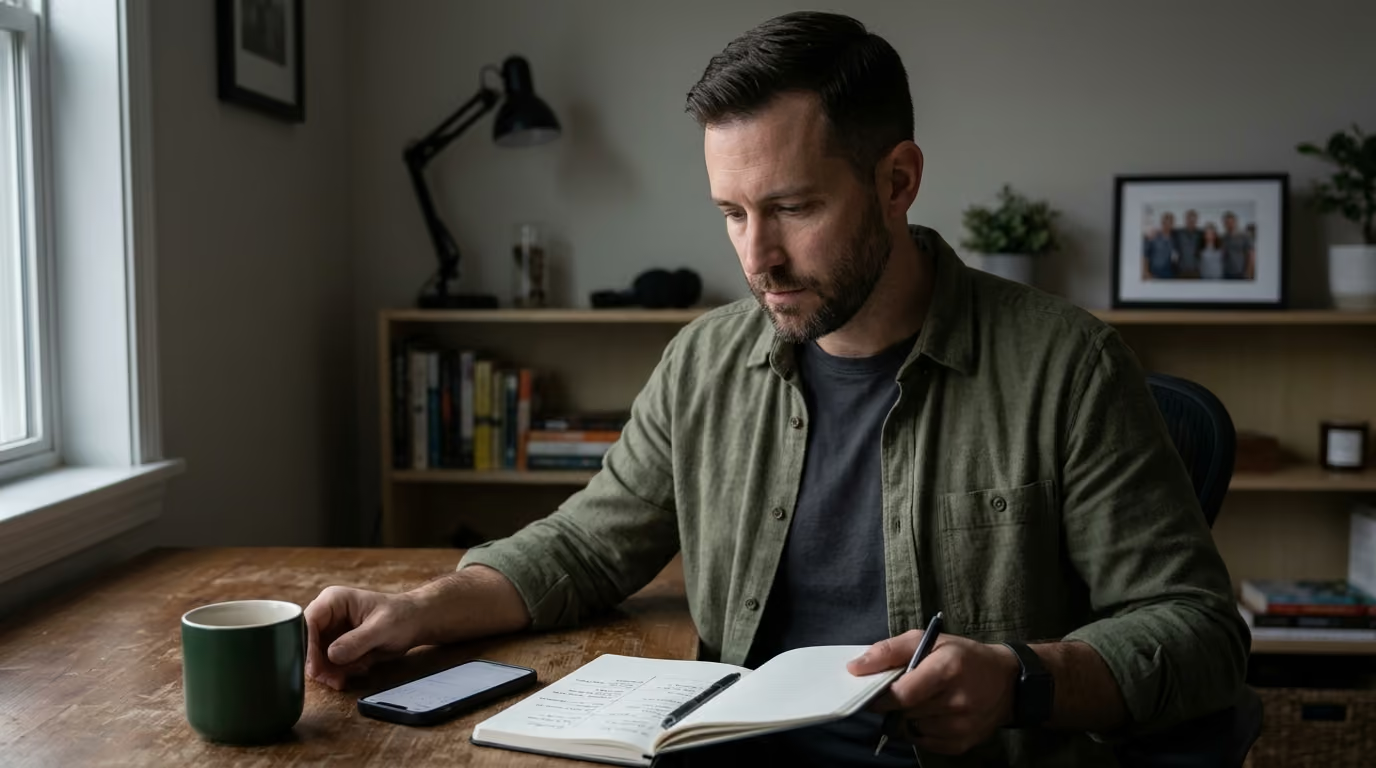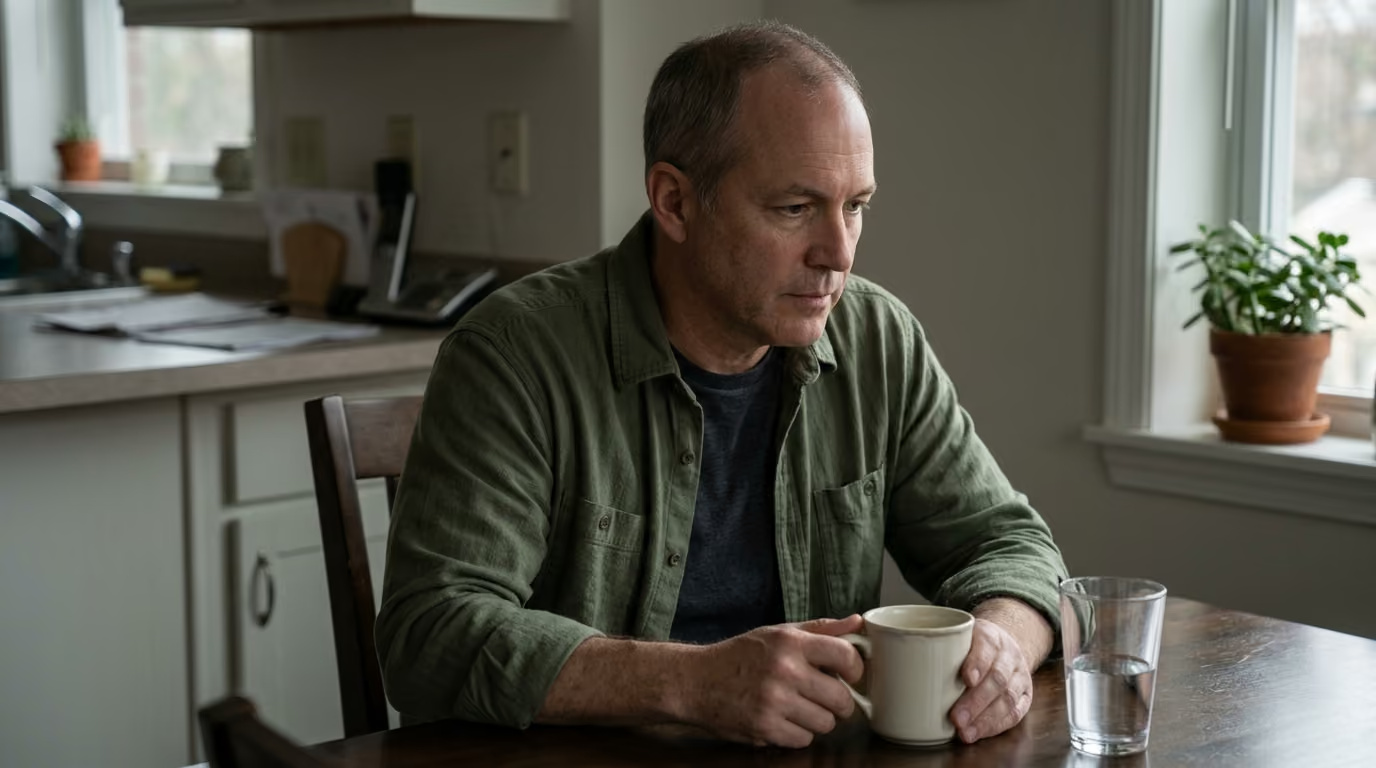

Two distinct categories of daily functioning help older veterans assess personal mobility, optimize medications, and access vital VA geriatric resources.





You wake up at 0500 with stiff knees, reaching for the bedside table to steady yourself. The morning routine that once took ten minutes now requires thirty, between managing four separate prescription bottles and finding your reading glasses. Later at the clinic, your blood pressure reading is higher than expected, and you struggle to catch every word the nurse says across a noisy waiting room. These small daily friction points often build quietly for years before anyone calls them aging.
Aging successfully after military service is not about trying to recapture youth. It is about protecting your functional independence, mental sharpness, and decision-making authority so you can live on your own terms.
The direct answer to staying capable as you age is establishing a proactive, function-first health strategy early. Rather than waiting for a medical emergency, you must evaluate physical mobility, track your military exposure history, optimize hearing and vision, audit medications, and set up clear family support plans before serious problems develop.
Most people assume that maintaining fitness in older age requires pushing through physical pain just like you did in uniform. In our experience working with aging service members, doing the exact opposite is what actually preserves capability. Grinding through joint damage and ignoring sensory loss accelerates physical decline. Shifting your mindset from short-term physical punishment to sustainable joint mobility, balance, and recovery is what keeps you autonomous decades down the road.
Healthy aging begins by understanding where your body and mind stand right now. The Veterans Health Administration organizes its Geriatrics and Extended Care mission around reducing disability and maximizing functional independence. Geriatric specialists focus on what you can safely do, what you want to continue doing, and where you need support. Establishing an accurate personal baseline makes it much easier to spot subtle declines before they turn into major health events.
To understand your current status, you must distinguish between normal aging, disease processes, disability, and frailty. Normal age-related changes include slightly slower physical recovery, gradual loss of muscle mass, and modest changes in hearing or visual focus. Disease-related decline involves specific conditions like diabetes, heart failure, osteoarthritis, or chronic lung disease. Disability occurs when physical impairments clash with daily environmental demands. Frailty represents a state of depleted physical reserves, making an individual vulnerable to sudden health crashes from minor illnesses.
Your military background adds unique variables to this equation. Service members experience physical and environmental stresses that civilian peers rarely encounter. When our team looks at veteran health trends across different service eras, we see that chronic joint stress, blast waves, and environmental toxins show up as distinct physical patterns decades after discharge.
Track your everyday capabilities through two distinct categories of daily living. Basic activities of daily living include walking across a room, transferring from a chair to standing, bathing, dressing, eating, and using the toilet. Instrumental activities of daily living involve complex tasks like preparing balanced meals, driving safely, managing prescription schedules, paying household bills, and handling home maintenance.
Many aging veterans remain fully capable of dressing and bathing while quietly struggling with medication schedules or home repairs. Recognizing difficulty with these complex tasks is often the earliest signal that your routine needs adjustment. You can explore structured strategies for tracking physical function in our guide to healthy aging and longevity resources.
Document your full service history in a written portfolio. Record every duty station, combat deployment, operational specialty, and documented injury. Note any documented toxic exposures, including burn pits, solvents, herbicides, or contaminated base water supplies. Keeping this file readily accessible ensures you can access appropriate medical screenings and Veterans Affairs benefits without delay.
Physical capability in your sixties, seventies, and beyond depends heavily on lower-body power and balance. According to the Centers for Disease Control and Prevention, more than 14 million adults aged 65 and older fall each year. Falls represent the leading cause of fatal and nonfatal injuries among older Americans. The age-adjusted fall death rate rose by 41 percent between 2012 and 2021, generating roughly 50 billion dollars in annual medical expenses.
Falls are not an unavoidable part of getting older. They are preventable physical events driven by muscle weakness, poor balance, environmental hazards, and medication side effects. For veterans with service-connected knee damage, spinal fusions, or lower-limb amputations, fall risks often emerge decades before age 65.
Physical activity guidelines from the Centers for Disease Control and Prevention recommend that older adults complete at least 150 minutes of moderate aerobic activity weekly. They also advise completing muscle-strengthening exercises at least two days per week alongside dedicated balance training. If chronic pain or limited joint range prevents you from meeting these targets, stay as physically active as your body safely permits. Even ten minutes of structured daily movement yields measurable protective benefits.
Shift your physical training approach away from heavy spinal loading toward movement patterns that support daily autonomy. Prioritize exercises that train you to stand up smoothly from deep chairs, step over obstacles, and pick items off the floor safely.
Treat every near-fall or slip as an important clinical warning sign. If you feel dizzy when standing up, have your primary care team evaluate your blood pressure and current prescriptions. Work with a physical therapist to address gait abnormalities, select proper footwear, and learn how to use walking aids correctly. For detailed exercise programming tailored to long-term resilience, review our strength, fitness, and body composition guides.
Install bright nightlights along pathways between your bed and bathroom. Remove loose rugs that slide on hardwood surfaces. Place secure grab bars inside showers and beside toilets. These practical environmental adjustments protect your independence far better than unguided physical exertion.
Maintaining clear thinking and memory is central to remaining self-reliant. Many veterans worry that occasional forgetfulness means they are developing dementia. It is essential to understand the clinical differences between typical aging, mild impairment, and serious neurocognitive disorders.
Normal cognitive aging involves slightly slower processing speed, taking longer to recall names, or needing a calendar to track appointments. Mild cognitive impairment involves measurable memory or reasoning challenges that do not stop you from managing daily life. Dementia represents a progressive medical condition where memory, reasoning, and judgment decline enough to disrupt independent living. Delirium is a sudden, fluctuating state of acute confusion caused by underlying physical problems like infections, dehydration, or medication reactions.
Research tracking older veterans reveals important links between military brain injuries and long-term cognitive health. In a large study published in medical literature, 16 percent of older veterans with a prior traumatic brain injury developed dementia over nine years, compared with 10 percent of veterans without head trauma. After statistical adjustment, traumatic brain injury was associated with a 60 percent higher dementia risk. A study of more than 350,000 veterans showed that even mild concussions without loss of consciousness more than doubled the long-term risk of a dementia diagnosis.
These research findings show that head trauma is a risk factor, not an unavoidable outcome. Having a history of concussions or blast exposures does not mean dementia is guaranteed. Instead, this history highlights the importance of managing cardiovascular risk factors that directly influence brain circulation.
Many cognitive complaints stem from fully treatable physical and psychological conditions rather than brain degeneration. Before assuming memory lapses indicate permanent damage, review the following potential drivers with your physician.
Protect your brain by controlling blood pressure, blood glucose, and cholesterol levels. Engage in challenging mental activities that require learning new physical skills, such as woodworking, instrument playing, or learning a language. Stay socially engaged with community groups, veteran organizations, or volunteer projects to prevent the cognitive decline associated with social isolation. Read our dedicated analysis of sleep, stress, and resilience resources to optimize nighttime recovery and mental clarity.
Sensory inputs directly drive personal safety, balance, and cognitive function. Military service frequently exposes personnel to high-intensity impulse noise from firearms, artillery, aircraft, and heavy machinery. Consequently, hearing loss and chronic tinnitus represent two of the most widespread service-connected conditions among aging veterans.
Hearing loss is far more than a minor annoyance. When you cannot hear clearly, you risk missing important spoken medical instructions, road warnings, and home smoke alarms. Straining to understand conversations in social settings creates mental fatigue, often leading veterans to withdraw from family gatherings and community life.
Untreated hearing impairment is frequently misdiagnosed as cognitive decline. A veteran who fails to respond to questions or provides unrelated answers in a busy clinic may simply be unable to hear the words clearly. Correcting sensory loss removes unnecessary cognitive strain and allows the brain to process information accurately.
Under Veterans Health Administration policies, enrolled veterans can access comprehensive diagnostic audiology services. Veterans who meet clinical eligibility criteria can receive modern hearing aids, replacement batteries, wax guards, and repair support through official supply channels.
Schedule regular audiology examinations to ensure your devices are programmed correctly for your current hearing profile. When speaking with medical providers, ask them to face you directly, speak clearly, and minimize background noise. Request written summaries of complex treatment instructions, and repeat key details back to the clinician to ensure mutual understanding.
Vision health requires equal attention. Age-related changes such as cataracts, glaucoma, macular degeneration, and diabetic retinopathy impair balance and elevate fall risks. Schedule annual dilated eye exams to catch eye diseases early, update corrective lens prescriptions, and ensure proper lighting across your living spaces.
As people age, changes in kidney function, liver metabolism, body composition, and total body water alter how medications behave. Drugs often remain active in the body longer, producing stronger effects and a higher likelihood of unintended side effects.
Many veterans receive care from multiple doctors, including civilian specialists and Veterans Affairs providers. Without tight coordination, this fragmented care frequently leads to polypharmacy, duplicate prescriptions, and dangerous drug interactions. Medication side effects often masquerade as new physical ailments, including dizziness, constipation, sudden confusion, urinary retention, and fatigue.
The National Institute on Aging highlights that balance problems are frequently driven by medication side effects. Adjusting dosages, eliminating unneeded prescriptions, or switching to alternative drugs can significantly reduce dizziness and lower fall risks.
Conduct a comprehensive brown-bag medication review at least once each year with your primary care provider or clinical pharmacist. Place every prescription pill, over-the-counter medicine, sleep aid, pain reliever, vitamin, herbal supplement, and medicated cream into a bag and bring it to your appointment.
Never discontinue a prescribed medication abruptly without consulting your healthcare team. Stopping certain blood pressure drugs, antidepressants, or pain medications suddenly can trigger severe withdrawal symptoms or dangerous health spikes. Work closely with your provider to taper medications safely when changes are needed.
To understand how hormonal changes intersect with aging and prescription management, explore our educational articles on testosterone and hormones.
The Veterans Health Administration operates an extensive network of specialized geriatric and extended care programs designed to keep veterans living safely in their homes for as long as possible. Understanding these programs before an emergency happens ensures you can access appropriate support smoothly.
A comprehensive geriatric evaluation involves an interdisciplinary assessment by a team including a geriatrician, clinical nurse, social worker, physical therapist, and clinical pharmacist. This team creates a personalized plan focused on managing chronic conditions, reducing hospitalization risks, supporting caregivers, and coordinating local resources.
Geriatric Patient Aligned Care Teams, known as GeriPACT, provide specialized primary care for veterans dealing with multiple complex medical conditions, memory challenges, or advanced age. These teams offer coordinated chronic care management, advance care planning, and close communication with family caregivers.
Access to these extended care services is not automatic solely based on veteran status. According to Veterans Affairs regulations, you must be enrolled in VA health care, demonstrate a clinical need for the specific level of care, and reside in an area where the service is operational. Demand for these programs is growing rapidly. Government Accountability Office reports show that long-term care obligations increased by 33 percent between 2014 and 2018, with spending projected to double by 2037 as the veteran population ages.
Because service availability varies across regional healthcare systems, contact your primary care team early to ask about local geriatric resources. If you need assistance navigating health policies, review our guides covering the broader veteran lifestyle and healthcare system.
Documenting your exposure history under the PACT Act is another critical step. The legislation expanded healthcare access and disability compensation for veterans exposed to toxic burn pits, Agent Orange, radiation, and industrial hazards. Enrolled veterans receive toxic exposure screenings at least once every five years. Participating in an exposure registry provides important documentation for your medical records, though filing a formal disability claim requires a separate administrative process.
Veterans who experienced military sexual trauma can access specialized physical and mental healthcare through dedicated facility coordinators. The Veterans Health Administration provides this care for conditions related to military sexual trauma without requiring a service-connected disability rating.
Family caregivers serve as the backbone of long-term care for aging veterans. Research from the RAND Corporation estimates that there are approximately 14.3 million military and veteran caregivers in the United States, representing over five percent of the adult population. Roughly 20 percent of these caregivers provide support to veterans who served in post-9/11 operations.
Caregiving frequently begins with small tasks, such as driving to clinic visits or organizing weekly pill organizers. Over time, the role often expands to full-time supervision, personal hygiene assistance, and managing complex medical equipment. Many spouses and adult children carry heavy caregiving loads for months or years without formally recognizing themselves as caregivers.
The Veterans Affairs Caregiver Support Program provides structured assistance through two primary pathways. The Program of General Caregiver Support Services offers skills training, peer support, mobile resources, and access to respite care for individuals caring for enrolled veterans who require assistance with daily tasks.
The Program of Comprehensive Assistance for Family Caregivers offers enhanced support for eligible veterans who sustained serious service-connected injuries or illnesses. This program provides eligible caregivers with a monthly financial stipend, health insurance options, mental health counseling, and dedicated training. Eligibility requires that the veteran need continuous in-person personal care for at least six months to assist with basic daily activities or provide essential supervision.
Establish an emergency contingency plan before a health crisis develops. Identify who will handle daily medication management, meals, and personal care if your primary caregiver is suddenly hospitalized or unable to assist. Having a clear plan in place prevents rushed decisions during family emergencies.
For additional perspectives on building sustainable daily routines after military service, read our articles on veteran life.
Advance care planning is the process of defining and documenting your personal healthcare preferences before a severe medical illness or injury prevents you from speaking for yourself. Completing these documents is not a sign of giving up control. Instead, it ensures that your values, treatment goals, and personal wishes are strictly respected.
Without formal advance directives, family members and healthcare teams are left to guess what medical interventions you would want during an emergency. This uncertainty often sparks painful disagreements among loved ones and can lead to unwanted invasive procedures or prolonged hospitalizations.
The Veterans Health Administration uses Form 10-0137, known as the VA Advance Directive. This document allows you to name your healthcare power of attorney and record your specific choices regarding life-sustaining medical treatments.
Select a healthcare agent who understands your personal values, remains calm during medical crises, and is willing to advocate firmly for your documented preferences. Discuss your views openly with your agent, family members, and primary physician so there is no ambiguity about your expectations.
Store copies of your completed advance directives in an accessible location at home. Ensure your primary care clinic and local VA medical center upload the document into your electronic medical record. Provide a copy to your designated healthcare agent and alternate representative.
Review and update your advance directives whenever significant life events occur. Revisit your choices after a new medical diagnosis, a change in marital status, the passing of a designated agent, or any noticeable shift in your overall physical independence.
Evaluating health interventions for aging veterans requires separating established medical science from early, unproven concepts. Making health choices based on rigorous evidence protects your physical well-being and prevents wasted financial resources.
Strong scientific evidence supports several foundational health practices for preserving function in older age:
Several areas of longevity research show promise in early studies but require further clinical validation:
Veterans should view the following claims with healthy skepticism until rigorous clinical evidence emerges:
Grounding your health strategy in proven medical fundamentals ensures you invest your energy into actions that genuinely protect your long-term independence.
Translating healthy aging concepts into daily life requires practical, hype-free steps. Use this checklist to build a resilient foundation for your retirement years.
Begin by building your personal health summary on a single sheet of paper. List your chronic medical conditions, current prescriptions with exact dosages, drug allergies, previous surgical procedures, and emergency contact details. Keep this summary in your wallet and share copies with your family and healthcare team.
Incorporate daily balance and mobility movements into your normal morning routine. Spend five minutes practicing controlled chair squats, standing heel raises, and single-leg balance while standing next to a sturdy counter. These brief movement habits preserve motor control and joint stability without requiring hours in a commercial gym.
Review your home environment room by room. Replace burned-out light bulbs with high-lumen fixtures to improve visibility. Clear electrical cords and low furniture from primary hallways. Place non-slip rubber mats inside bathtubs and showers. These practical home updates significantly reduce everyday fall hazards.
Stay connected with your local community and fellow veterans. Participating in local civic groups, service organizations, or community fitness programs provides vital social connection and emotional resilience. Building a reliable local support network ensures you have trusted friends to call whenever unexpected challenges arise.
For additional research-backed guidance on sustaining daily capability, explore our comprehensive collection of military and veteran health resources.
This article is published strictly for educational and informational purposes. It does not constitute individual medical advice, clinical diagnosis, or personalized treatment planning. Aging military personnel and veterans should always consult a qualified physician, geriatric specialist, or licensed healthcare professional before changing their exercise routine, altering medication schedules, or adjusting dietary habits. If you are experiencing sudden confusion, severe dizziness, chest pain, or symptoms of an acute medical condition, seek immediate emergency medical care.
No. Having a history of concussions, blast overpressure exposure, or mild traumatic brain injury is a documented clinical risk factor, not a certainty. Large studies show higher statistical rates of dementia among veterans with head injuries, but many individuals with past concussions maintain normal cognitive function throughout older age. You can protect your brain by managing blood pressure, treating sleep apnea, staying physically active, and maintaining strong social connections.
You can request a comprehensive geriatric evaluation by speaking with your primary care provider at your local Veterans Affairs medical center or community clinic. Your provider can submit a clinical referral to the Geriatrics and Extended Care service or the local Geriatric Patient Aligned Care Team. A team of geriatric specialists will evaluate your mobility, medications, living environment, and cognitive function to develop a personalized care plan.
Basic activities of daily living involve fundamental physical self-care tasks, including walking, bathing, dressing, eating, transferring from a bed to a chair, and using the toilet. Instrumental activities of daily living involve complex tasks necessary for independent community living, such as managing finances, preparing meals, shopping for groceries, driving, managing prescription schedules, and maintaining a home. Difficulty with instrumental activities often appears first and signals a need for added support.
Family caregivers can contact the VA Caregiver Support Line at 1-855-260-3274 or visit their local VA medical center to speak with a Caregiver Support Coordinator. The coordinator can evaluate which programs fit your family situation, including the Program of General Caregiver Support Services or the Program of Comprehensive Assistance for Family Caregivers. These programs provide skills training, peer support, respite care, and, for eligible participants, monthly financial stipends.
Aging with dignity and strength requires shifting your focus from immediate physical endurance to sustainable lifelong capability. By evaluating your baseline, addressing physical risks early, and communicating openly with loved ones, you can protect your autonomy and thrive through every stage of veteran life.
Follow BattleVet for practical guidance on military and veteran health, strength, recovery, testosterone, sleep and healthy aging. Stay connected for new articles, research backed insights and clear information to help you stay capable for the years ahead.


Build better habits around strength, recovery, sleep, hormones and healthy aging with practical guidance for active military personnel and veterans.
Explore BattleVet