
Slowing down on daily walks or struggling with heavy carries signals declining resilience that targeted strength training and nutrition can reverse.





Frailty is not the inevitable result of getting older, nor is it a simple term for feeling tired. It is a distinct medical syndrome where the body loses its physiological reserves. This loss leaves a person vulnerable to sudden decline after an illness, a fall, or a minor medical procedure.
You might notice that standing up from a deep couch requires pushing hard with both arms. Walking across an uneven lawn might suddenly feel uncertain, making you look down at your feet. You might find that recovering from a routine viral infection takes three weeks instead of three days. These subtle changes show a shrinking margin of physical safety, but they are not permanent endpoints.
Building physical resilience through resistance training, adequate protein intake, medication reviews, and daily movement can prevent or reverse prefrailty before it leads to a permanent loss of independence.
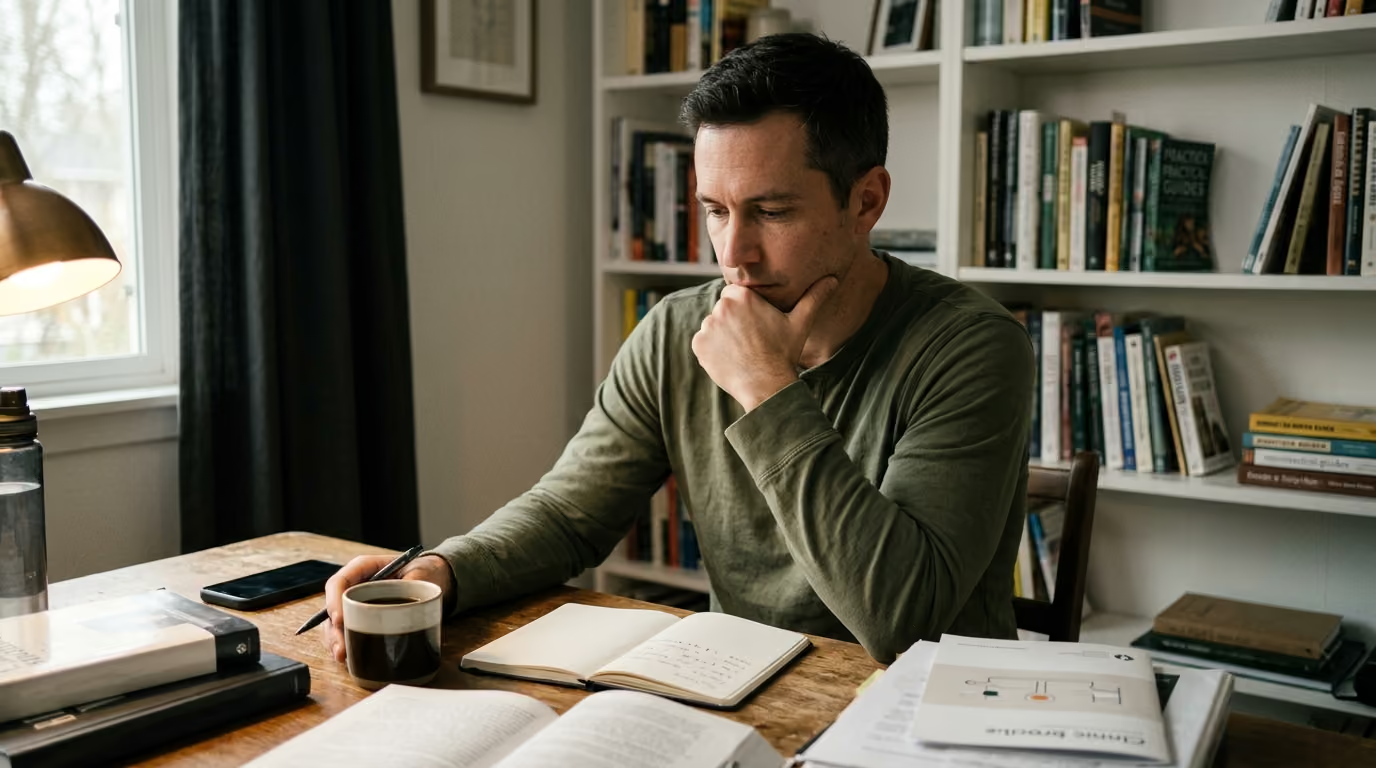
Preventing frailty requires a practical strategy to maintain your reserve capacity. Physical resilience is the ability to absorb a health stressor, recover effectively, and return to normal daily activities. By tracking functional markers such as walking speed and grip strength, you can spot early decline. Combining progressive resistance exercises, balanced nutrition, safe medication management, and social engagement protects your independence long before physical limitations restrict your life.
Frailty represents a state of reduced physiological reserve across multiple organ systems. In a resilient body, a minor event like a urinary tract infection or a mild ankle sprain causes a brief dip in energy. The person recovers quickly and returns to baseline function. In a frail body, that same minor event can trigger a cascading decline, leading to hospital care or prolonged immobility. Understanding this distinction helps veterans take control of their healthy aging and longevity rather than assuming physical decline is unchangeable.
The World Health Organization defines intrinsic capacity as the combination of all physical and mental capacities an individual can use. Intrinsic capacity includes your mobility, vitality, cognitive clarity, psychological health, and sensory function. When intrinsic capacity drops, your functional ability relies heavily on your environment. A supportive home layout, reliable transport, and proper footwear can help bridge this gap. Environmental adjustments are practical solutions that maintain your daily autonomy while you rebuild physical reserve.
It is critical to distinguish frailty from related medical concepts like sarcopenia and disability. Sarcopenia specifically describes the loss of skeletal muscle mass, strength, and physical performance. Sarcopenia is a primary physical driver of frailty, but frailty involves wider physiological systems. Malnutrition, cognitive decline, sensory impairment, and depression can all worsen frailty even if muscle loss is mild.
Disability refers to difficulty performing daily activities such as bathing, dressing, preparing meals, or managing personal finances. A veteran can live with a stable service-connected disability, such as an amputation, without being clinically frail. Conversely, a person can be clinically frail while remaining fully independent in basic personal care. The primary goal of frailty prevention is to intervene during this window of vulnerability before daily physical independence is compromised.
Detecting frailty early offers the best opportunity to reverse functional decline. Medical research commonly relies on the Fried frailty phenotype, which evaluates five specific criteria. Meeting one or two of these criteria indicates prefrailty, while meeting three or more indicates frailty. Identifying these markers early allows veterans to make targeted lifestyle adjustments before minor weaknesses become major physical limitations.
The five Fried criteria provide a practical checklist for monitoring changes in physical capacity:
Losing more than ten pounds or more than five percent of your body weight over the past year without dieting is a warning sign. This loss often reflects muscle wasting, systemic inflammation, or inadequate caloric intake.
Feeling that every daily task requires extreme effort or struggling to find energy several days a week indicates depleted reserves. This systemic fatigue differs from normal post-exercise tiredness.
Dropping daily movement levels or abandoning hobbies, yard work, and recreational walking drastically reduces muscular stimulation. Inactivity rapidly accelerates muscle loss.
A noticeably slower walking pace serves as a reliable indicator of declining physical capacity. Taking longer to cross a street or navigate a parking lot signals reduced lower-body power and balance.
A measurable drop in grip strength or difficulty rising from a chair without using your arms indicates functional weakness. Leg power is particularly critical for maintaining balance and preventing falls.
Clinicians also use the Clinical Frailty Scale to assess overall vulnerability on a spectrum from very fit to severely frail. A score above four indicates emerging vulnerability and frailty. The Veterans Health Administration utilizes an Electronic Health Record Frailty Index to analyze health records and predict vulnerability across large patient groups.
Veterans can track their physical trajectory by asking straightforward questions about daily function:
Tracking these functional questions every six months provides a clear view of your physical trajectory. Recognizing a downward trend early gives you time to rebuild your physical reserve.
Decades of clinical research show that frailty is dynamic and modifiable rather than permanent. Strong scientific evidence confirms that physical exercise acts as the most potent intervention for preventing and reversing frailty. Multicomponent exercise programs that combine resistance training, aerobic conditioning, balance drills, and flexibility exercises yield the greatest improvements. Systematic reviews demonstrate that these programs consistently increase muscle strength, improve gait speed, and enhance balance in older adults.
Network meta-analyses comparing various exercise forms show that resistance training produces the largest positive effect on frailty status. While daily walking provides clear cardiovascular benefits, walking alone does not provide sufficient mechanical tension to prevent muscle loss. Resistance training stimulates muscle protein synthesis and improves neuromuscular coordination. This direct physical stimulus preserves the fast-twitch muscle fibers required to catch yourself during a stumble.
Nutrition research establishes that older bodies require more dietary protein to maintain muscle mass than younger bodies. Expert consensus panels, including the European Society for Clinical Nutrition and Metabolism and the PROT-AGE Study Group, recommend that older adults consume at least 1.0 to 1.2 grams of protein per kilogram of body weight daily. For individuals managing acute or chronic illnesses, targets increase to 1.2 to 1.5 grams per kilogram. Pairing adequate protein intake with progressive resistance exercise provides the building blocks and stimulus needed to rebuild physical reserve.
While the benefits of exercise and protein are well-established, evidence for anti-aging supplements, single-nutrient megadoses, and testosterone therapy remains mixed or limited. Routine hormone replacement or dietary supplements cannot replace the systemic benefits of progressive exercise, balanced nutrition, and medication management. Veterans should rely on proven lifestyle habits before considering unproven wellness trends.
A successful resilience program does not require intense gym workouts. Instead, it focuses on functional movements that improve your ability to handle real-world physical demands. Training should prioritize movements that translate directly to standing, walking, carrying items, and maintaining balance. Veterans can find structured training concepts within our strength, fitness, and body composition resources to help guide their long-term progression.
A balanced physical resilience plan integrates four distinct exercise categories:
Building leg strength protects your mobility and makes standing up from chairs effortless.
Upper-body strength allows you to carry groceries, lift household objects, and catch yourself if you lose balance.
Practicing balance challenges the neuromuscular system and reduces the risk of serious falls. Always perform balance drills near a sturdy counter or wall.
Aerobic exercise supports cardiovascular endurance, improves stamina, and speeds recovery after physical exertion.
Aim to complete resistance and balance exercises on two to three non-consecutive days each week. Accumulate 150 minutes of moderate aerobic activity across the week through daily brisk walks or cycling. If you are starting from a low activity baseline, begin with five-minute sessions and gradually increase duration as your tolerance improves.
Adequate nutrition supplies the raw materials necessary to repair tissue, sustain energy levels, and preserve muscle mass. Older adults often experience a lower appetite, changes in taste, or dental issues that lead to unintended calorie deficits. When total caloric intake falls below daily energy needs, the body breaks down skeletal muscle for fuel. Preventing this muscle loss requires a conscious effort to consume adequate protein and energy throughout the day. Exploring our recovery and physical restoration guidance provides deeper strategies for fueling daily recovery.
Distributing protein intake evenly across meals maximizes muscle protein synthesis. Rather than consuming the majority of your protein at dinner, aim for twenty-five to thirty-five grams of high-quality protein at breakfast, lunch, and dinner. Each meal should provide enough essential amino acids, particularly leucine, to trigger muscle maintenance pathways.
Practical, protein-rich foods that fit easily into daily meals include:
Unintentional weight loss should never be ignored in older adults. Losing weight without trying often indicates muscle wasting, underlying medical issues, or inadequate nutrition. If you notice your clothes fitting loosely without changes to your diet, consult your healthcare provider.
Proper hydration is equally vital for physical resilience. Dehydration reduces blood volume, increases dizziness upon standing, and impairs kidney function. Drink water consistently throughout the day rather than waiting until you feel thirsty. If you have chronic kidney disease, discuss your target protein and fluid numbers with your doctor or dietitian before making major dietary changes.
Medications designed to manage chronic conditions can sometimes produce side effects that mimic or accelerate frailty. Sedation, dizziness, orthostatic hypotension, and slowed reaction times significantly increase the risk of falls. Taking multiple medications, known clinically as polypharmacy, increases the likelihood of drug interactions that compromise physical capability. Managing these risks fits directly into broader military and veteran health strategies.
The Centers for Disease Control and Prevention created the STEADI initiative to help patients and clinicians identify medications linked to falls. Certain drug classes warrant regular clinical review:
The CDC encourages the SAFE framework for medication management. This approach involves Screening for high-risk drugs, Assessing the underlying health conditions, Formulating a safer plan, and Educating patients on fall risks. A physician or clinical pharmacist may reduce a dosage, switch to a safer alternative, or discontinue an unnecessary drug.
Never stop or alter prescription medications on your own. Abruptly discontinuing blood pressure drugs, antidepressants, or pain medications can trigger severe withdrawal symptoms or dangerous health complications. Instead, request a comprehensive medication review through your primary care team or VA clinical pharmacist. Bring an updated list of all prescription drugs, over-the-counter products, vitamins, and herbal supplements to your appointment.
Physical resilience is deeply intertwined with mental and social health. Isolation and loneliness are not merely emotional challenges; they directly influence physical outcomes. Data from the National Institute on Aging indicates that roughly one in four adults aged 65 and older is socially isolated. A report from the National Academies confirms that social isolation significantly increases the risk of cardiovascular disease, cognitive decline, depression, and premature mortality.
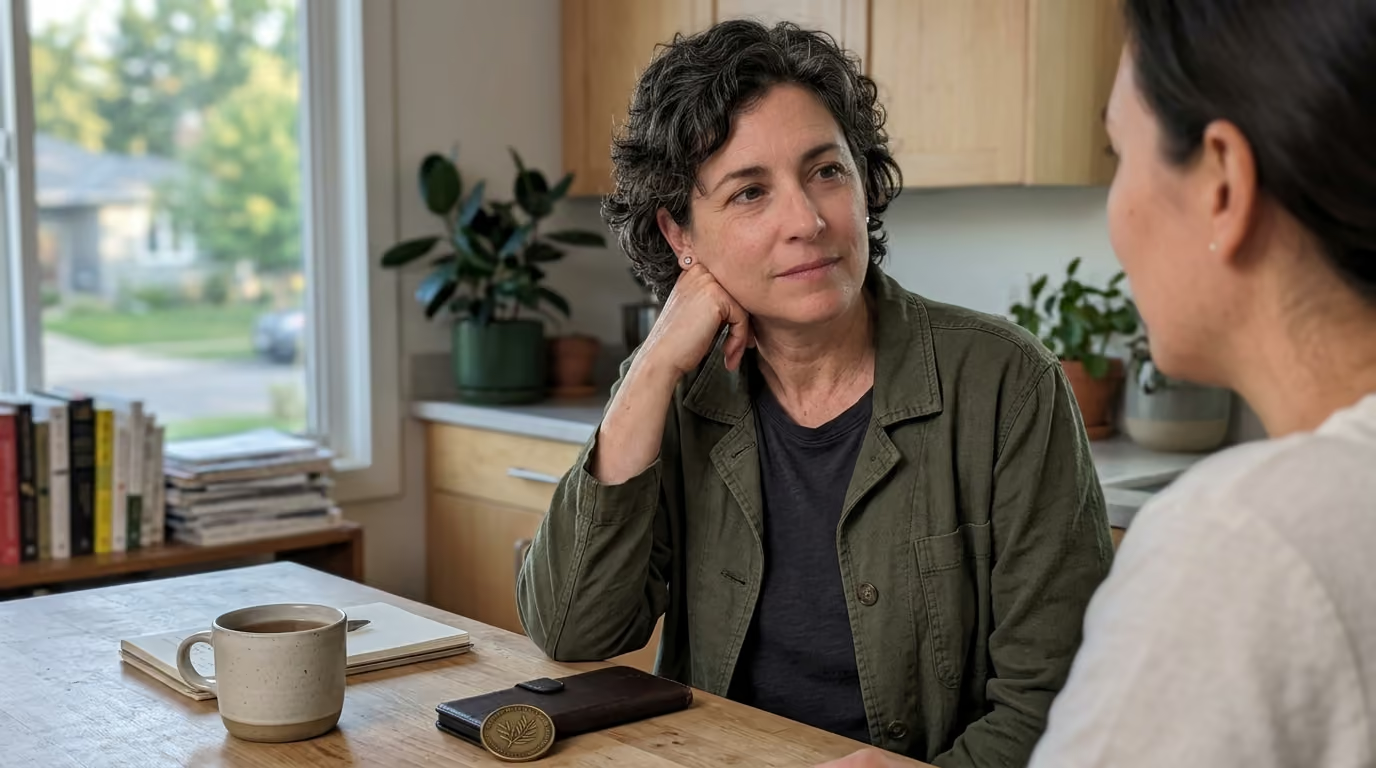
Social connection provides practical accountability and emotional motivation to stay active. A veteran who lives alone and feels disconnected may skip meals, stop exercising, and neglect medical checkups. Conversely, participating in regular group activities, family gatherings, or community projects encourages daily movement and mental engagement. Maintaining social ties also ensures that peers can spot early signs of physical decline or illness before a crisis occurs.
Mental health conditions such as depression and post-traumatic stress disorder can drain physical energy. Depression often manifests as severe fatigue, low motivation, and poor appetite, which accelerates the loss of muscle reserve. Addressing mental health through clinical counseling, peer groups, or stress management directly supports physical resilience. Managing daily stress is a core pillar of our sleep, stress, and resilience resources.
Veterans can strengthen their social resilience through several practical avenues:
Distinguishing between living alone and feeling lonely is important. An individual can live alone while maintaining an active social life, while another might feel isolated within a crowded home. Building a consistent routine of social engagement protects both cognitive clarity and physical independence.
Frailty prevention strategies must adapt to the unique medical histories and physical realities of individual veterans. A standardized exercise program may not suit someone managing chronic joint pain, an amputation, or cardiopulmonary disease. Personalizing your approach ensures safety while continuing to build reserve capacity. For personalized healthcare navigation, our veteran lifestyle and healthcare resources offer useful context.
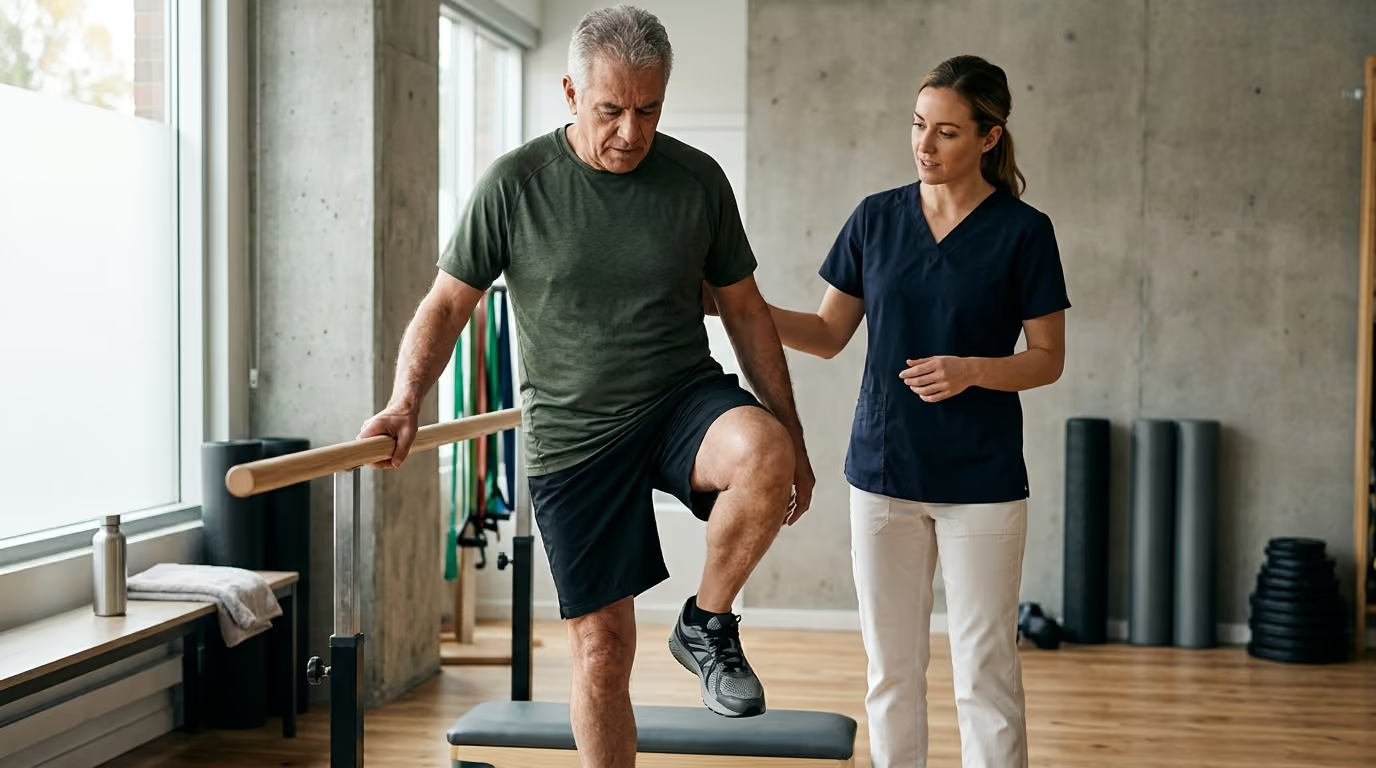
Veterans with limb loss, spinal cord injuries, or severe orthopedic injuries should focus on the physical capacities they can train safely. Upper-body endurance, seated core strength, wheelchair transfers, and residual-limb skin care become primary resilience goals. Working with a physical therapist ensures that exercise modifications protect joint integrity while maximizing functional independence.
Pain often creates a destructive cycle: pain leads to inactivity, which causes muscle weakness, joint stiffness, and ultimately more pain. The solution is not complete rest, but choosing low-impact, tolerable movements. Water aerobics, recumbent cycling, and isometric strengthening allow you to train muscles without aggravating sensitive joints. Pacing your activity avoids the flare-ups associated with overexertion.
Undergoing major surgery is a significant physical stressor that tests your physiological reserves. Research from the Veterans Health Administration shows that screening for frailty before surgery improves surgical outcomes. Engaging in a prehabilitation program consisting of breathing exercises, light resistance training, and nutritional optimization helps your body withstand surgery and shortens your recovery time.
Veterans managing peripheral neuropathy, Parkinson's disease, or previous strokes face heightened balance challenges. Balance drills must be strictly supervised and performed next to stable support structures. Physical therapy can help you learn compensatory strategies, such as wider foot placement or using a properly fitted cane, to maintain safe community mobility.
Examining real-world examples illustrates how frailty prevention strategies adapt to different physical baselines and health situations.
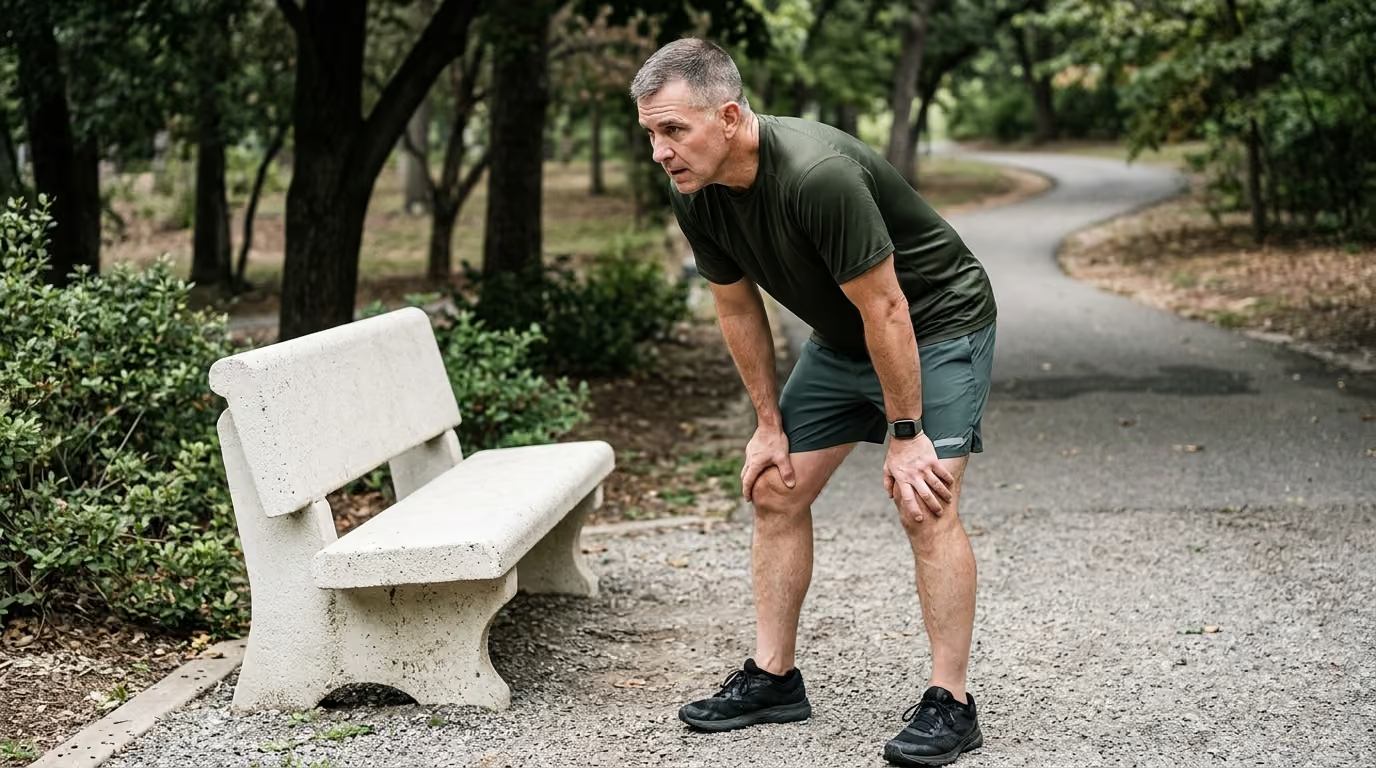
A 72-year-old veteran lives alone and considers himself healthy, but he has started using his arms to push out of chairs and avoids taking the stairs. He walks more slowly and feels unusually fatigued after running basic errands.
A 68-year-old veteran walks two miles every morning but struggles to lift a bag of soil or carry a loaded laundry basket up from the basement.
A 79-year-old veteran experiences two near-falls in one month shortly after starting a new sleep medication and adjusting his blood pressure prescription. He reports morning grogginess and feeling unsteady when turning around.
An 83-year-old veteran experiences unintended weight loss and low energy following the loss of his spouse. He skips meals, spends most of the day seated watching television, and stops attending his weekly veterans breakfast.
This article is provided for educational and informational purposes only and does not constitute individual medical advice, clinical diagnosis, or treatment recommendations. The physical training, nutritional strategies, and health concepts discussed here may not be appropriate for every individual. Always consult with a qualified physician, physical therapist, registered dietitian, or clinical pharmacist before beginning any new exercise routine, altering your dietary intake, or making changes to your prescribed medications. If you experience chest discomfort, severe shortness of breath, dizziness, sudden weakness, or unexplained weight loss, seek prompt medical attention.
Yes, clinical research confirms that frailty is a dynamic condition that can improve with targeted intervention. Multicomponent exercise programs that combine progressive resistance training with balance and aerobic work consistently improve muscle mass, walking speed, and functional capability in frail and prefrail adults. When paired with adequate protein intake and medication optimization, many individuals successfully regain physical reserve and return to a robust state.
Walking provides valuable cardiovascular benefits, helps regulate blood sugar, and supports general vitality, but it is rarely enough on its own. Walking does not provide sufficient mechanical resistance to halt the loss of muscle mass or preserve upper-body strength. To fully protect against frailty, walking should be paired with progressive resistance exercises and balance drills that challenge your muscles and nervous system.
Losing weight without trying is a primary indicator of declining physiological reserves. In older adults, unintentional weight loss usually involves the loss of skeletal muscle and bone density rather than just fat mass. This loss of muscle tissue weakens the body, slows metabolism, and increases vulnerability to injury and infection. Any unexplained weight loss should be evaluated by a healthcare professional.
You should request a medication review whenever you experience a fall, a near-fall, new dizziness, daytime sleepiness, or lightheadedness when standing. A review is also recommended whenever a new medication is prescribed, when your total number of medications increases, or if you receive prescriptions from multiple doctors. A clinical pharmacist or primary care doctor can identify drug interactions and adjust dosages to keep you safe.
Follow BattleVet for practical guidance on military and veteran health, strength, recovery, testosterone, sleep and healthy aging. Stay connected for new articles, research backed insights and clear information to help you stay capable for the years ahead.


Build better habits around strength, recovery, sleep, hormones and healthy aging with practical guidance for active military personnel and veterans.
Explore BattleVet