
When managing ongoing pain or stress after service, veterans can use this evidence-based framework to safely evaluate therapies like acupuncture and yoga.





If you are in immediate danger, call 911. For 24/7 support, call or text 988 and press 1 for the Veterans Crisis Line, or text 838255.
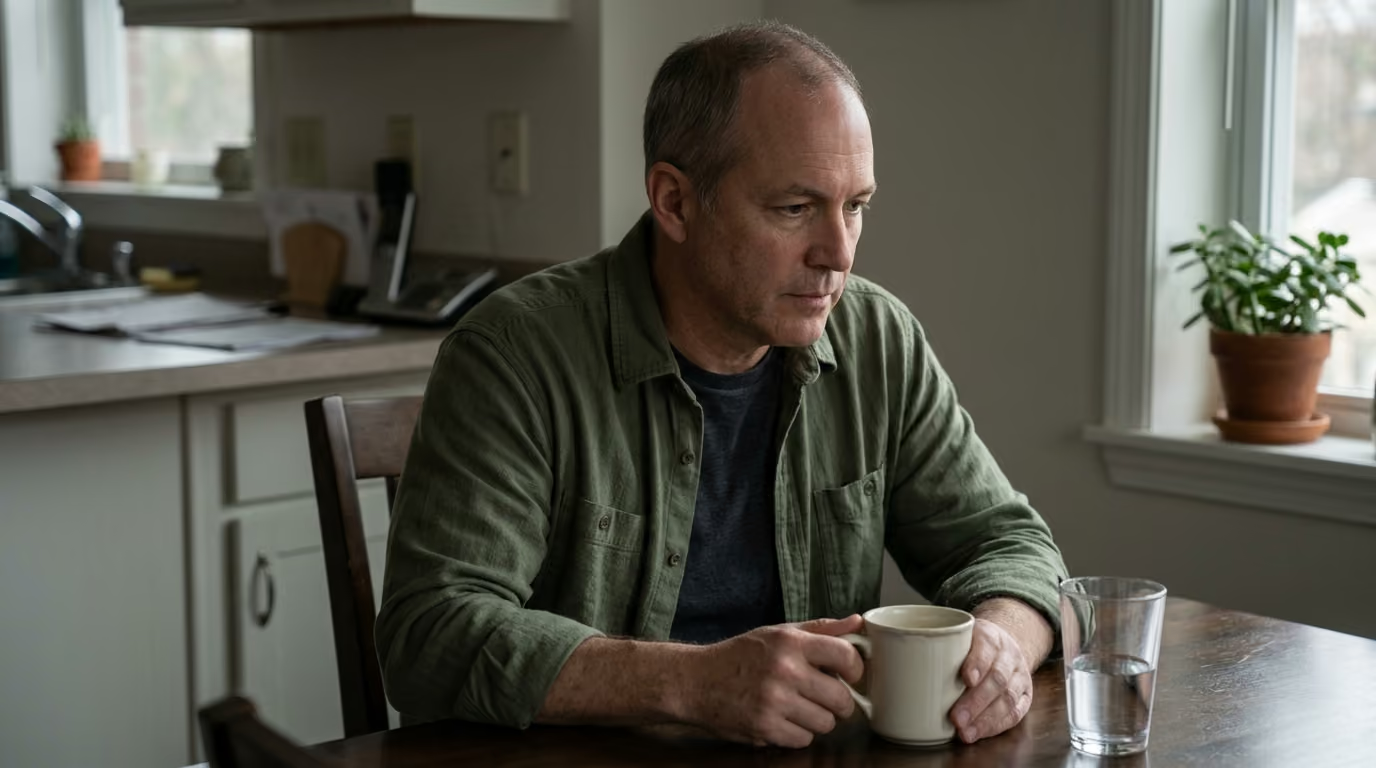
You wake up with lower back stiffness, lingering tension in your shoulders, and a brain that refuses to settle down after four hours of broken sleep. You want relief that goes beyond another prescription bottle, but internet searches for alternative therapies bring up endless marketing claims and conflicting advice. Finding reliable information on what actually works for military and veteran health concerns should not be an uphill battle. This guide provides a clear evaluation of evidence-based complementary therapies, their safety considerations, and how to integrate them into your routine.
Complementary care works best as an evidence-based addition to standard medical treatment, supporting symptom reduction and daily functioning without replacing conventional diagnosis, medications, or psychotherapy.
Complementary health approaches encompass therapies like acupuncture, yoga, mindfulness, biofeedback, and medical massage. When combined with conventional clinical medicine, these practices form an integrative health plan. Within the Department of Veterans Affairs healthcare system, these therapies fall under the Whole Health model. Research shows that complementary practices can help manage chronic pain, reduce physiological stress, and improve physical functioning. They are not stand-alone cures for major psychiatric conditions, severe physical trauma, or acute medical emergencies. Selecting the right approach requires assessing the available scientific evidence, screening for personal health risks, and coordinating directly with your healthcare team.
Understanding healthcare options requires clear definitions. People often use the words complementary, alternative, and integrative interchangeably. These terms actually describe very different approaches to medical care.
Complementary care refers to non-mainstream practices used alongside conventional medicine. An example is attending an acupuncture clinic while continuing physical therapy for back pain. Alternative care refers to non-mainstream practices used in place of conventional medicine. Choosing an untested herbal supplement instead of standard oncology care is an alternative approach. Integrative health brings conventional treatments and evidence-based complementary practices together in a structured, coordinated plan.
The Department of Veterans Affairs uses the term complementary and integrative health, or CIH. The VA Whole Health system integrates specific CIH services alongside primary care, mental health services, and specialty medicine. This system focuses on what matters most to the individual veteran, supporting overall well-being and active self-care.
The VA medical benefits package includes eight approved complementary approaches when clinically appropriate. These eight services are:
Veterans can access these services through several pathways. Care may be provided directly at VA medical centers or through clinical telehealth. The VA also partners with community organizations and utilizes the Community Care Network when local facility access is limited. You can review broader veteran healthcare resources to understand how these administrative pathways work across regional networks.
A central principle governs complementary care for service members and veterans. Complementary therapies should expand your treatment options rather than displace proven medical diagnosis, medication management, physical rehabilitation, or psychotherapy.
To make informed choices, you must distinguish between different clinical goals. Each goal serves a specific purpose in a comprehensive treatment plan:
Most complementary approaches demonstrate their strongest value as tools for symptom support and functional improvement. They are not designed to serve as stand-alone cures for complex medical or psychiatric disorders.
Navigating non-traditional health options requires a systematic evaluation process. Marketing claims often blur the line between temporary symptom relief and a medical cure. Using a structured framework helps you select practices that offer genuine value while avoiding unnecessary physical or financial risk.
Start by defining a concrete, measurable health objective. Clear goals allow you and your doctor to evaluate whether an intervention is working.
Vague goals like detoxifying the body or balancing energy make it impossible to measure clinical progress. Useful, concrete goals include:
When you track a specific metric, you can make clear decisions about continuing or stopping a therapy.
Scientific research varies significantly in quality and relevance. When evaluating a complementary practice, divide the available literature into three distinct tiers:
The National Center for Complementary and Integrative Health notes that research specifically focusing on military populations remains limited for many complementary therapies. However, researchers have conducted rigorous reviews on available military health data.
A 2021 systematic review and meta-analysis published in a major pain medicine journal examined 12 randomized controlled trials involving 15 interventions for chronic pain in United States military personnel and veterans. The interventions included yoga, acupuncture, mindfulness-based approaches, biofeedback, cognitive-behavioral techniques, and positive psychology practices.
The meta-analysis revealed three important findings:
These findings show that complementary therapies can help veterans move better and experience less physical pain. They also demonstrate that an approach that relieves back pain cannot automatically be treated as an effective treatment for clinical depression or post-traumatic stress disorder.
Complementary practices should never operate in a vacuum. Before beginning any new regimen, review your current conventional medical plan with your primary care provider.
Clarify your current working diagnoses, particularly if your symptoms have changed recently. Make sure you have screened for underlying medical red flags such as nerve compression, unexplained weight loss, or cardiovascular issues.
Review all active prescriptions, over-the-counter medications, and physical therapy assignments. For mental health support, review your engagement with standard evidence-based treatments. The 2023 VA and Department of Defense Clinical Practice Guideline for PTSD explicitly recommends trauma-focused psychotherapies as primary first-line interventions. These therapies include Cognitive Processing Therapy, Prolonged Exposure, and Eye Movement Desensitization and Reprocessing.
Complementary practices can address specific secondary issues such as sleep disturbance, physical tension, and stress regulation alongside these therapies. They do not replace structured psychiatric or psychological care.
Distinguish between statistical significance, clinical significance, and personal value. A research study may find a statistically significant change in a large group, but the average difference might be minor for an individual.
Conversely, a modest average improvement in physical function can carry immense personal value if it allows you to sleep through the night or play with your children. Define success by your ability to participate in meaningful daily activities.
Establish a baseline measurement before your first session. Schedule a formal reassessment date four to eight weeks later. Useful tracking metrics include daily step counts, sleep duration, nightmare frequency, pain interference scores, and medication side effects.
Every healthcare decision involves trade-offs. Even low-risk therapies carry personal burdens that must be factored into your decision:
Verify whether your local VA facility offers the therapy on-site, through telehealth, or via a community care referral. Do not assume every clinic provides immediate access to every approved modality.
A well-designed health trial includes clear criteria for when to stop. Discontinue or modify a complementary therapy immediately if:
Complementary care must never delay urgent emergency care for acute chest pain, neurological deficits, severe infection, sudden shortness of breath, or thoughts of self-harm.
Complementary therapies encompass many different techniques, mechanisms, and safety profiles. Evaluating each modality individually allows you to match specific therapies to specific symptoms.
Mindfulness involves paying attention to present-moment experiences with an intentional, nonjudgmental attitude. Meditation is a broader category that includes focused breathing, open monitoring of thoughts, progressive body scans, and compassion-focused mental exercises.
It is vital to understand that informal breathing apps, general relaxation exercises, and structured clinical protocols are not identical. Mindfulness-Based Stress Reduction, or MBSR, is an intensive eight-week clinical program involving weekly group sessions, daily home practice, and guided body awareness.
The 2023 VA and DoD Clinical Practice Guideline for PTSD suggests MBSR as an adjunctive treatment for veterans with PTSD. Systematic reviews show that MBSR can help reduce the severity of self-reported PTSD symptoms when compared to inactive control groups. However, the guideline notes that evidence is not strong enough to recommend MBSR over established trauma-focused psychotherapies.
The National Center for Complementary and Integrative Health reports that mindfulness practices generally have low physical risks. However, quiet meditation is not entirely risk-free. Some veterans with histories of severe psychological trauma, panic disorder, or traumatic brain injury experience increased anxiety, intrusive memories, or dissociation during unstructured, silent meditation.
If silent meditation triggers emotional distress, switch to shorter, eyes-open practices. Movement-based mindfulness, such as walking meditation or clinician-guided grounding exercises, offers a safer alternative. Use these practices to build emotional regulation and stress tolerance rather than expecting them to eliminate trauma memories entirely. For additional self-regulation tools, explore our structured sleep and resilience strategies designed for service members.
Yoga combines physical postures, controlled breathing techniques, focused attention, and periods of relaxation. Programs range from gentle restorative movements while seated in a chair to vigorous, athletic styles practiced in heated rooms.
Research supports yoga as an effective adjunctive tool for physical rehabilitation and stress management. A comprehensive 2017 review highlighted by federal researchers found that yoga produces small-to-moderate improvements in back-related physical function at three and six months compared to non-exercise controls. The direct reduction in pain intensity was small but meaningful.
For post-traumatic stress, a VA review of seven clinical studies indicated that structured yoga participation resulted in greater self-reported symptom improvement than education-only or waitlist control groups. These improvements reflect general benefits in nervous system regulation and physical comfort rather than a cure for PTSD.
Yoga is generally safe when instructed by a qualified professional, but physical injuries can occur. Poses that involve deep spinal twisting, extreme neck flexion, or inverted postures can worsen conditions like sciatica, spinal disc herniations, severe osteoporosis, high blood pressure, and glaucoma.
Veterans benefit most from trauma-informed and adaptive yoga formats. Practical adaptations ensure a safe physical and mental environment:
These adaptations allow you to gain the physical and regulatory benefits of movement while protecting joint safety and personal boundaries.
Medical massage therapy involves the targeted manipulation of muscles, tendons, and connective tissues by a licensed professional. It is commonly used to address localized muscle soreness, tension headaches, myofascial pain, and recovery from physical training.
Research indicates that massage therapy can provide short-term reductions in pain intensity and perceived muscle stiffness. It promotes relaxation and can improve localized blood flow to restricted soft tissues.
Federal safety reviews indicate that massage therapy carries a strong overall safety record when delivered by trained, licensed therapists. Rare but serious medical complications have occurred in individuals with specific underlying health conditions. These complications include nerve damage, localized hematomas, and blood clot displacement.
A massage therapist must be fully informed about your medical history. Tell your practitioner if you have:
Massage therapy relieves soft tissue discomfort, but it does not correct underlying structural or neurological problems. Do not use repeated massage sessions to manage progressive muscle weakness, radiating nerve pain, numbness in the extremities, or unexplained weight loss. Those symptoms require comprehensive medical investigation.
For veterans managing trauma histories, personal control during massage is essential. You have the right to specify pressure depth, dictate room lighting and music, decline touch on specific body regions, and stop the session immediately if you feel uncomfortable.
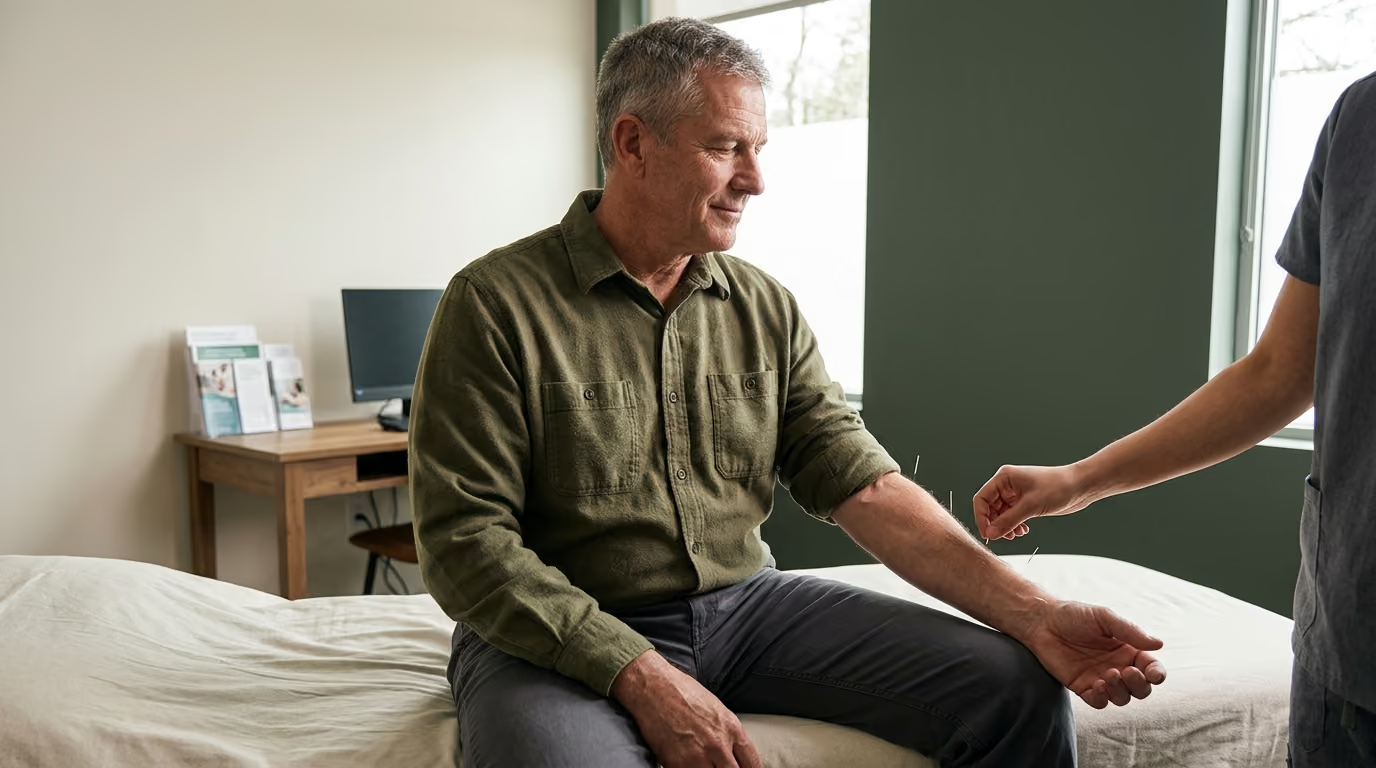
Acupuncture is an ancient practice that involves inserting very fine, sterile needles into specific anatomical points on the body to stimulate peripheral nerves and modulate pain pathways. In military and veteran healthcare settings, clinicians use both traditional full-body acupuncture and an abbreviated protocol known as Battlefield Acupuncture.
Battlefield Acupuncture, developed within the military health system, involves placing up to five small, semi-permanent needles in specific points of the outer ear. The VA research registry classifies traditional acupuncture and Battlefield Acupuncture as distinct research areas. The 2024 VA research registry recorded 18 active or completed studies on traditional acupuncture and seven studies on Battlefield Acupuncture.
A 2024 scoping review of military health research evaluated 53 studies on pain management. The review found consistent evidence that acupuncture protocols help reduce self-reported pain intensity across diverse clinical settings.
The safety profile of acupuncture is well documented. Serious complications, such as organ punctures or systemic infections, are exceptionally rare and almost exclusively linked to unlicensed practitioners or non-sterile needles. Common, mild side effects include minor bruising, light bleeding at the needle site, or temporary soreness.
To ensure clinical safety, ask your practitioner the following questions:
Extra clinical caution is necessary if you take blood thinners, have compromised immune function, have an active skin infection, or have implanted medical devices such as pacemakers. While acupuncture can reduce chronic pain, the 2023 VA and DoD clinical guidelines found insufficient evidence to recommend acupuncture as a primary treatment for PTSD.
Biofeedback utilizes non-invasive electronic sensors to monitor real-time physiological data, such as muscle tension, skin surface temperature, heart rate variability, respiration rates, and sweat gland activity. A trained clinician displays this data on a monitor, teaching you how to recognize and modify involuntary physiological stress responses.
Biofeedback does not alter your biology through an external current. Instead, it acts as a precise training mirror. By viewing your physiological signals, you learn specific breathing, mental focus, and muscle relaxation skills that bring your body into a calmer state.
The 2021 military chronic pain meta-analysis evaluated biofeedback as an adjunctive pain management tool. The 2024 VA complementary research registry listed ten formal biofeedback studies focused on military personnel and veterans. Research shows biofeedback is particularly useful for managing tension-type headaches, migraine prevention, chronic muscle guarding, and autonomic hyperarousal.
Biofeedback requires active practice. Learning to regulate your physiological response to stress takes several weeks of guided sessions and consistent home application. It is safe, non-invasive, and carries no direct risk of physical injury.
Biofeedback should be integrated with standard evaluations for sleep apnea, thyroid dysfunction, cardiovascular disease, and panic disorders. Physical symptoms of autonomic arousal, such as a racing heart or shortness of breath, should always be cleared medically before attributing them purely to stress. Review our evidence-based recovery and sleep practices to see how physiological tracking pairs with restorative routines.
Peer support programs connect veterans with trained peer specialists, veteran service organizations, structured support groups, or community recovery networks. While not a clinical CIH therapy in the biological sense, peer support is widely used across the veteran community to support health navigation and personal resilience.
Peer specialists draw on shared military background and lived recovery experiences to reduce social isolation, break down mental health stigma, and help veterans navigate complex healthcare systems.
Peer support is an effective bridge to professional care, but it is not a substitute for clinical psychological or psychiatric treatment. The VA national suicide prevention clinical guidelines report that there is currently insufficient scientific evidence to determine whether peer-to-peer programs directly reduce suicide attempts or suicide deaths.
A small mixed-methods pilot study evaluating a peer specialist intervention for veterans at elevated risk of suicide highlighted this complexity. While 83.3% of participants demonstrated measurable improvement in at least one psychosocial metric, 41.7% showed deterioration in at least one clinical area during the follow-up period. This finding demonstrates why peer programs must maintain clear boundaries and direct referral connections to emergency clinical services.
A safe, structured peer program should always maintain:
When these structures are in place, peer programs serve as a valuable source of community connection and mutual accountability alongside formal medical care.
Evaluating a new health practice requires assessing your personal health history, the intervention itself, the practitioner, the facility, and your ongoing care plan. Use this Five-P screening model before beginning any complementary therapy.
Review your medical history and current health status:
Evaluate the physical and psychological demands of the therapy:
Verify the qualifications and professional standards of the provider:
Inspect the physical and psychological environment:
Establish the operational details of your treatment:
Misinformation surrounding complementary healthcare can lead to poor clinical outcomes, wasted money, and unnecessary physical risks. Reviewing common misconceptions helps you separate fact from marketing fiction.
A common belief is that any therapy labeled natural is inherently harmless. Physical movement, manual bodywork, and needle-based therapies all alter human physiology. A natural intervention can cause joint strain, soft tissue injury, nerve irritation, or psychological distress if applied incorrectly or matched with the wrong medical condition.
Dismissing all complementary therapies as unscientific is inaccurate. The VA Integrative Health Coordinating Center actively funds, tracks, and reviews clinical trials on complementary care. The 2024 VA complementary health research registry documented 117 VA-funded studies, 18 National Institutes of Health studies, and three Department of Defense studies evaluating complementary modalities. Research shows clear evidence for specific outcomes, such as pain management and physical functioning, even while other clinical claims remain unproven.
Clinical trials report average outcomes across selected groups of people. A study showing that yoga reduces lower back discomfort in young active-duty troops cannot be applied blindly to an older veteran managing severe spinal stenosis, nerve damage, and heart disease. Every veteran has a unique medical history that determines whether an intervention is safe and appropriate.
Experiencing less physical pain or falling asleep faster does not mean an underlying medical condition has disappeared. A veteran with severe post-traumatic stress may feel calmer after an acupuncture or biofeedback session, but that relaxation does not replace the structured cognitive processing required to resolve trauma-related psychological distress.
Assuming that silent meditation, slow breathing, and lying still in a dark room are universally relaxing is a mistake. For individuals with hyperarousal or combat-related post-traumatic stress, forced physical stillness and quiet environments can trigger anxiety, panic attacks, or intrusive memories. Safe practices must adapt to personal trauma histories.
Because peer support is built on mutual conversation and shared background, people often assume it carries no clinical risks. Without clear boundaries, formal training, and immediate clinical escalation procedures, peer interactions can lead to emotional distress or unmanaged mental health crises. Peer support works best when connected directly to professional medical oversight.
While VA national policy authorizes eight specific complementary approaches within the standard benefits package, local availability varies. Facility size, staffing resources, and regional community networks affect what is offered on-site. Veterans must check with their local care team to determine how specific therapies are delivered in their area.
Smartphone breathing applications and guided meditation audio tracks are convenient tools for daily stress management. They are not equivalent to structured, evidence-based psychotherapy or clinician-led MBSR programs. Commercial apps lack personalized clinical screening, interactive symptom assessment, and real-time crisis response protocols.
More intense therapies do not produce better results. Aggressive deep-tissue massage, intense stretching, rapid hyperventilation, long meditation retreats, and frequent acupuncture sessions can increase inflammation, physical pain, and psychological distress. Safe, sustainable progress relies on starting with gentle, well-tolerated sessions and progressing gradually.
Examining how complementary therapies fit into real-world situations clarifies how to apply these principles safely.
A 48-year-old veteran has managed persistent lower back stiffness and muscle spasms for six years following service in mechanized infantry. He wants to reduce his reliance on nonsteroidal anti-inflammatory drugs due to recurring stomach irritation.
The veteran meets with his primary care physician to review his condition. An updated physical examination and imaging confirm chronic musculoskeletal strain without acute nerve root compression or spinal instability. The physician confirms that physical movement is safe and refers the veteran to a physical therapist.
Alongside active physical therapy, the veteran begins a twelve-week complementary trial consisting of twice-weekly adaptive yoga and a five-session course of Battlefield Acupuncture through the local VA clinic. He tracks two specific metrics: his continuous walking tolerance and his average daily pain interference score during work.
After eight weeks, his walking tolerance increases from fifteen minutes to thirty-five minutes, and his pain interference score drops significantly. His depressive symptoms remain unchanged, leading him to maintain his regular primary care visits. By treating complementary care as a functional support tool rather than a cure, he successfully improves his mobility and decreases his reliance on daily pain medications.
A 34-year-old veteran experiences chronic hyperarousal, night sweats, and broken sleep connected to combat deployments. She is currently participating in evidence-based Cognitive Processing Therapy with a VA clinical psychologist.
She asks her psychologist about adding meditation to help calm her racing heart and physical restlessness in the evenings. The psychologist explains that while silent, unstructured meditation can sometimes trigger intrusive memories, a structured eight-week Mindfulness-Based Stress Reduction course can teach effective grounding techniques.
The veteran begins an MBSR program delivered via VA telehealth. She practices brief, eyes-open sensory grounding exercises and gentle body scans before bed. She tracks her sleep latency and nightly awakenings.
The mindfulness practices help her recognize physical tension early and reduce the time it takes to fall asleep by forty minutes. She continues her weekly trauma-focused psychotherapy to address core trauma memories, using mindfulness solely as a practical tool for physiological self-regulation.
A 55-year-old veteran experiences persistent shoulder stiffness and upper back tightness following a fall from a ladder. He considers booking a deep-tissue massage at a commercial spa.
Before scheduling, he visits his primary care doctor to evaluate the injury. An examination and X-ray rule out a rotator cuff tear, bone fracture, and localized blood clot. His doctor approves medical massage therapy for localized muscle guarding.
The veteran selects a licensed medical massage therapist who has direct experience working with orthopedic injuries. Before the session, he informs the therapist about his recent fall and requests moderate, localized pressure without rapid joint manipulation.
He establishes a clear stopping rule: if sharp pain occurs or if soreness persists past twenty-four hours, he will pause treatment. After four weekly sessions combined with home rotator cuff exercises, his shoulder range of motion improves without adverse events.
A 29-year-old veteran attends a weekly peer support group hosted by a local veteran organization. During a group discussion, he discloses feelings of hopelessness, severe isolation, and passive thoughts of wanting to fall asleep and not wake up.
The peer specialist leading the meeting has completed formal crisis intervention training. Recognizing the clinical risk, the specialist does not attempt to handle the situation alone or offer informal counseling.
The specialist follows an established safety protocol. She steps into a private office with the veteran, maintains a calm and supportive environment, and immediately contacts the Veterans Crisis Line alongside the veteran.
The veteran is connected directly to a clinical crisis responder and an urgent mental health evaluation at the nearest medical center. Two weeks later, once the veteran is stable and engaged with an outpatient mental health team, he returns to the peer group for ongoing community support and social connection.
A 62-year-old veteran living in a rural farming community experiences chronic tension headaches and neck stiffness. The nearest major VA medical center is a two-hour drive away, making weekly in-person appointments impractical.
During a routine virtual primary care visit, the veteran discusses non-pharmacological options for headache management. His doctor checks local network options and determines that while in-person acupuncture is unavailable locally, the VA Whole Health program offers virtual biofeedback and guided relaxation training.
The VA ships a portable heart-rate variability sensor to his home, and the veteran connects with a clinical biofeedback specialist through secure video appointments. The clinician teaches him diaphragmatic breathing techniques and physiological self-regulation from his living room.
The veteran practices ten minutes of guided breathing twice daily and tracks his headache frequency in a logbook. Over six weeks, his tension headaches decrease from five days a week to two days a week, avoiding the financial cost and physical exhaustion of long highway travel.
Understanding the financial and administrative side of complementary care ensures that you can pursue these therapies without unexpected expenses.
Federal regulations authorize the VA to provide approved complementary and integrative health services as part of standard medical benefits. However, administrative pathways determine how those services are delivered and paid for:
When calculating the true cost of any complementary health trial, account for all associated expenses:
Never assume that a commercial clinic is authorized by the VA simply because their marketing materials display military imagery or state that they welcome veterans. Always confirm authorizations through your official VA primary care team before your first appointment. You can review additional long form educational resources to help you navigate medical systems and clinical decision-making.
Combining conventional medical treatments with evidence-based complementary therapies requires a structured, step-by-step approach. Follow this ten-step integration protocol to coordinate your care safely:
This article is for educational and informational purposes only and does not constitute medical advice, diagnosis, or treatment. Complementary and integrative health practices should always be evaluated in consultation with a qualified physician, psychologist, or licensed healthcare professional. Never discontinue, adjust, or delay conventional medical care, prescription medications, or evidence-based psychiatric therapies based on information read online. If you experience acute chest pain, neurological symptoms, severe physical trauma, or an immediate mental health crisis, contact emergency services or call the Veterans Crisis Line at 988 (Press 1) immediately.
The VA covers acupuncture and medical massage therapy when deemed clinically appropriate by your care team. If your local VA medical center does not offer these services on-site or through telehealth within standard access standards, your provider can submit a referral for care through the VA Community Care Network. You must obtain formal VA authorization before receiving treatment from a community provider. The VA will not reimburse you for services obtained without prior approval.
Current scientific evidence does not support mindfulness, meditation, or yoga as stand-alone cures for post-traumatic stress disorder. The VA and DoD Clinical Practice Guidelines recommend trauma-focused psychotherapies as the primary treatments for PTSD. However, practices like Mindfulness-Based Stress Reduction and adaptive yoga can serve as valuable adjunctive tools. They help regulate physiological stress responses, reduce physical tension, and improve sleep quality alongside formal psychological care.
Natural does not mean completely safe. Modalities involving physical movement, soft tissue pressure, needle insertion, or prolonged quiet focus carry distinct biological and psychological effects. For example, deep spinal twists can aggravate disc injuries, aggressive massage can dislodge blood clots in individuals taking anticoagulants, and unstructured silent meditation can trigger panic or dissociation in people with active trauma histories. Always evaluate your personal medical history before beginning a new practice.
A legitimate practitioner holds an active, verifiable state license or national board certification in their specific clinical field, such as acupuncture, physical therapy, or licensed massage therapy. Legitimate providers are transparent about their credentials, conduct thorough health intake assessments, maintain clean facilities, and obtain informed consent. Be cautious of any practitioner who claims to cure complex diseases, promises immediate detoxification, or advises you to stop taking prescribed medications.
Taking systematic action ensures you explore complementary care safely and productively. Use this checklist to guide your steps over the coming week:
Follow BattleVet for practical guidance on military and veteran health, strength, recovery, testosterone, sleep and healthy aging. Stay connected for new articles, research backed insights and clear information to help you stay capable for the years ahead.


Build better habits around strength, recovery, sleep, hormones and healthy aging with practical guidance for active military personnel and veterans.
Explore BattleVet