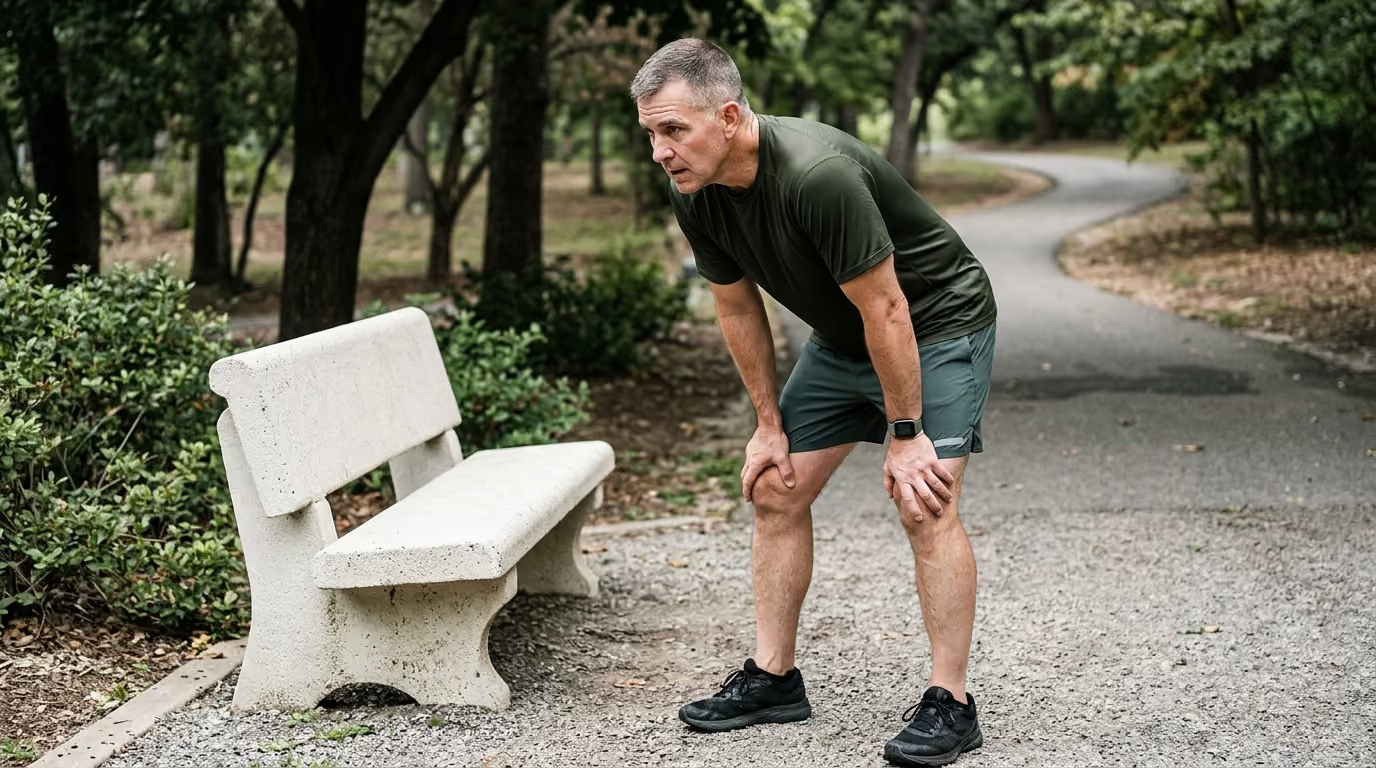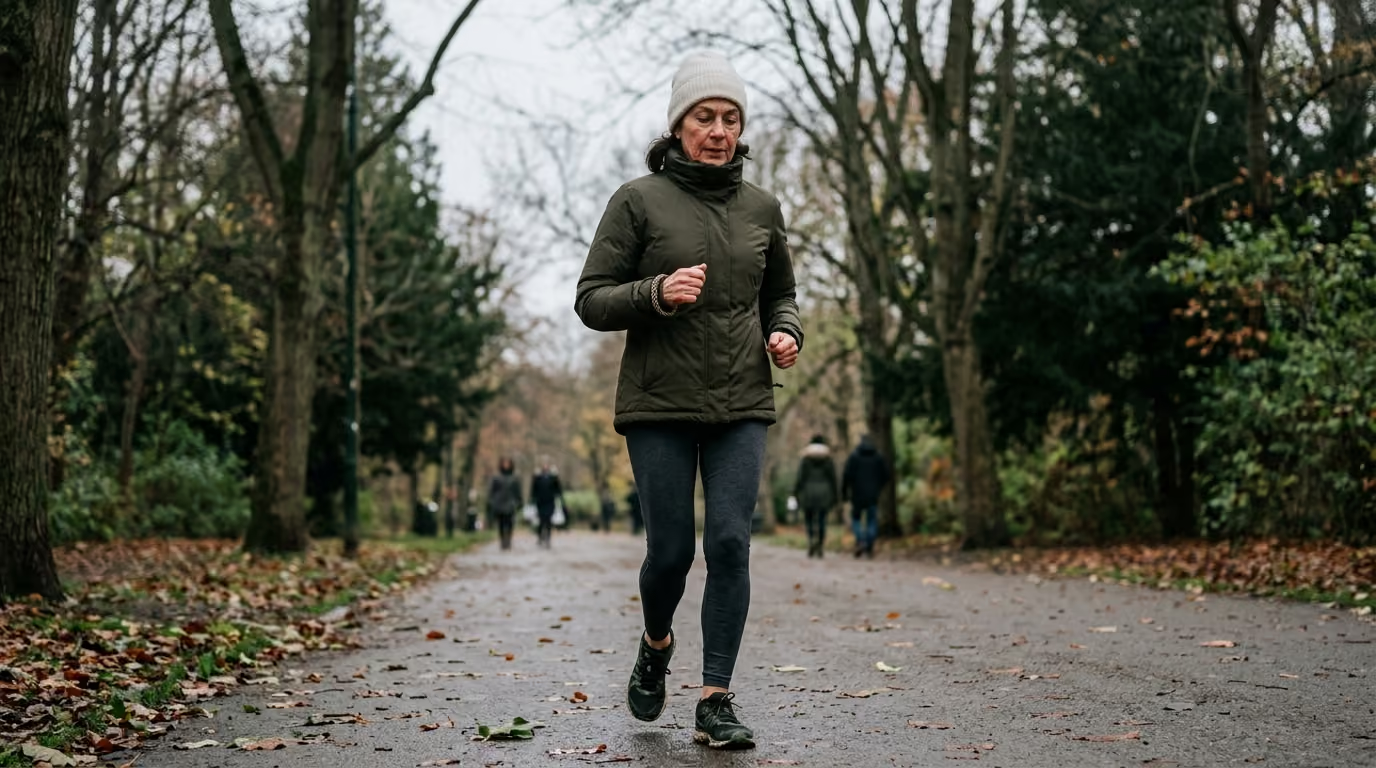

Cold weather physical activity supports healthy aging and longevity when older adults adapt their routines to protect cardiovascular and joint health.





You step onto the front porch on a cold January morning, feeling the chill tighten your chest and stiffen your knees. You have likely searched online for whether walking in freezing temperatures helps or harms your health as you get older. Finding reliable guidance can be difficult when advice swings between dangerous bravado and excessive caution.
Here is the quick take: Cold weather is neither a miraculous longevity treatment nor an absolute barrier to exercise, but staying physically active year-round is essential for healthy aging when you manage cardiac strain, fall risks, and proper apparel.
Exercising in low temperatures requires understanding how cold air alters circulation, respiratory function, and musculoskeletal mechanics. Older adults can safely maintain cardiovascular fitness, muscle mass, and joint mobility throughout the winter by adjusting their training intensity, dressing in moisture-wicking layers, choosing stable terrain, and substituting indoor workouts when weather conditions turn hazardous.
Maintaining a stable internal body temperature requires coordinated work between the nervous, cardiovascular, and muscular systems. As people age, several physiological changes alter this thermoregulatory capacity. The body loses some of its ability to sense environmental temperature shifts promptly. Autonomic reflexes that redirect blood flow become slower and less pronounced.
Subcutaneous fat provides natural thermal insulation beneath the skin. With age, the distribution and thickness of this fat layer change, often reducing natural insulation in the limbs. At the same time, the rate of resting metabolic heat production gradually declines. When exposed to low temperatures, older adults produce metabolic heat less rapidly than younger adults.
The shivering response also undergoes age-related changes. Shivering is an involuntary muscular contraction designed to generate rapid metabolic heat. In older individuals, the onset of shivering is often delayed, and the total heat generated through shivering is lower. This delay increases the time an individual remains in a state of net heat loss.
Sweat gland function and skin blood flow regulation shift over time. While reduced sweating is helpful in preventing evaporative cooling in the cold, impaired skin blood vessel control makes it harder to conserve central heat. These combined factors mean that prolonged exposure to cold air lowers core body temperature faster in older populations.
Thermoregulatory efficiency also varies widely between individuals. An active person who maintains high cardiorespiratory fitness and muscle mass retains better thermoregulatory capacity than a sedentary individual of the same chronological age. Understanding your individual baseline helps you make informed choices about winter exercise rather than relying on generalized assumptions.
Maintaining physical activity throughout the colder months is critical for preserving functional capability. You can read more about practical habits in our healthy aging articles.
Cold ambient temperatures trigger immediate adjustments in the cardiovascular system. When cold air contacts the skin and facial nerves, the sympathetic nervous system activates peripheral vasoconstriction. Blood vessels in the extremities narrow to redirect warm blood toward vital internal organs. This narrowing increases systemic vascular resistance, which forces the heart to pump against higher pressure.
This process elevates resting systolic and diastolic blood pressure. For individuals with healthy arteries, the heart compensates without difficulty. For those with underlying coronary artery disease or hypertension, the combined demand of cold exposure and physical exertion increases myocardial oxygen demand. A workload that feels easy indoors can place a substantially higher workload on the heart when performed in cold air.
Epidemiological research consistently highlights the relationship between low temperatures and cardiovascular events. A 2023 systematic review and meta-analysis published in environmental health literature demonstrated that every 1°C drop in temperature was associated with a 1.6% increase in cardiovascular disease mortality and a 1.2% increase in cardiovascular morbidity. Cold spells present a documented increase in cardiovascular strain across populations.
Sudden, vigorous physical tasks in freezing weather create distinct cardiovascular hazards. Heavy snow shoveling involves intense isometric upper-body exertion, often accompanied by breath-holding and sudden increases in blood pressure. Combined with cold-induced vasoconstriction, this exertion sharply elevates the workload on the heart. Individuals with known cardiac conditions should avoid heavy shoveling and choose controlled, progressive aerobic activities instead.
To minimize cardiovascular strain during cold-weather exercise, follow these established physiological guidelines:
Long-term cardiovascular resilience depends heavily on year-round training consistency. Learn more about maintaining functional capacity in our training and performance resources.
Inhaling cold, dry air places specific physical demands on the respiratory tract. The primary role of the upper airway is to warm and humidify incoming air before it reaches the delicate tissues of the lungs. In freezing conditions, the nasal passages and trachea must transfer substantial heat and moisture to each breath.
This rapid fluid loss from the airway lining can cause localized dehydration of the respiratory mucosa. In individuals with hyperreactive airways, asthma, or chronic obstructive pulmonary disease (COPD), this thermal and moisture loss often provokes bronchoconstriction. The smooth muscles surrounding the airways contract, leading to symptoms such as chest tightness, coughing, wheezing, and shortness of breath.
Public health agencies identify adults with preexisting respiratory conditions as a population vulnerable to cold-weather complications. Exercising in cold air does not permanently damage healthy lung tissue, but it can trigger acute symptom flare-ups in those with underlying conditions. Proper management requires monitoring symptoms closely and adjusting the exercise environment when necessary.
Indoor air quality also influences winter respiratory health. As people spend more time inside with closed windows and active heating systems, indoor air can become dry and laden with airborne particles. Using safe humidification and ensuring adequate ventilation supports mucosal hydration and helps defend against common seasonal respiratory infections.
Many older adults report an increase in joint stiffness and discomfort when cold, damp weather arrives. This perceived relationship between weather and joint pain is widespread among individuals living with osteoarthritis. Clinical surveys indicate that over two-thirds of individuals with joint conditions believe atmospheric shifts directly influence their daily comfort.
Scientific investigations into this phenomenon reveal complex interactions. A comprehensive review of multiple clinical studies found statistically significant correlations between joint pain intensity, dropping temperatures, and rising humidity or changes in barometric pressure. However, researchers emphasize that statistical correlation does not demonstrate that cold temperatures cause direct physical damage to joint cartilage or bone structure.
Other controlled studies among active older adults have found only weak or inconsistent associations between daily meteorological shifts and objective joint symptoms. These mixed findings suggest that individual susceptibility varies widely. The mechanical properties of synovial fluid may change slightly in lower temperatures, becoming marginally more viscous and contributing to a temporary sensation of morning stiffness.
The practical priority for joint health is avoiding prolonged winter inactivity. Immobilizing a stiff joint weakens surrounding supportive musculature and reduces the circulation of synovial nutrients within the joint capsule. Gentle, progressive movement warms periarticular tissues, increases blood flow, and restores functional range of motion.
For older adults dealing with joint sensitivity, structured movement protocols provide reliable relief without overloading vulnerable tissues. You can find comprehensive strategies for joint support within our healthy aging and longevity resources.
Winter conditions introduce mechanical hazards that frequently present a more immediate risk to longevity than cold temperatures alone. Slipping on ice, packed snow, or wet leaves can lead to fractures, head trauma, and soft tissue injuries. For older adults, a serious fall often initiates a prolonged period of bed rest and functional decline.
Age-related changes in gait and sensory feedback affect how the body responds to slippery surfaces. Proprioception, which is the body's ability to sense joint position and movement in space, naturally declines over time. Reaction times for compensatory stepping become slower, and age-related loss of lower-body muscle strength reduces the ability to catch oneself after a minor loss of balance.
Safe winter mobility requires adjusting gait mechanics when navigating uncertain terrain. Shortening your stride length keeps your center of gravity directly over your support base. Placing your feet flatter on the ground rather than striking aggressively with the heel increases surface contact and improves traction.
Choosing appropriate footwear is one of the most effective mechanical interventions for fall prevention. Look for winter footwear with deep, flexible rubber treads engineered to maintain grip in freezing temperatures. For outdoor walking on packed snow or icy trails, consider using slip-on traction cleats or studded overshoes to ensure reliable footing.
Strength and balance exercises serve as the foundation of year-round fall prevention. The World Health Organization recommends that older adults engage in balance-focused activities on three or more days each week. Practicing single-leg balance, heel-to-toe walking, and controlled body-weight squats builds the stability required to navigate variable winter surfaces safely.
Maintaining physical capability across the lifespan requires meeting established physical activity benchmarks regardless of the season. The World Health Organization recommends that adults aged 65 and older accumulate at least 150 to 300 minutes of moderate-intensity aerobic exercise, or 75 to 150 minutes of vigorous aerobic activity, each week. In addition, muscle-strengthening activities involving all major muscle groups should occur on at least two days weekly.
Winter physical activity programming must balance these cardiovascular and musculoskeletal requirements against environmental stressors. A structured approach ensures you build endurance, preserve strength, and improve balance without unnecessary exposure to hypothermia or injury.
Structuring an outdoor winter workout requires careful progression. Begin each session with at least five to ten minutes of low-intensity movement inside your home. Marching in place, performing gentle torso twists, and executing controlled sit-to-stand repetitions from a chair raise your internal core temperature and lubricate joints before you step into cold air.
When you transition outdoors, begin your walk or activity at an easy, deliberate pace. Allow your cardiovascular system and breathing to adapt to the lower air temperature over several minutes before reaching your target walking speed. Conclude your session with a gradual cool-down, returning indoors before your clothing becomes damp with sweat and cools your skin.
Preserving muscle tissue through winter is critical for joint protection and metabolic health. You can explore structured resistance programs in our strength, fitness, and body composition guides.
Proper clothing acts as an adaptable barrier that regulates heat exchange between your body and the environment. Rather than relying on a single heavy coat, use a three-layer clothing system. This configuration traps insulating layers of air while allowing you to adjust ventilation as your body generates heat during exercise.
Overdressing during cold-weather exercise creates a common physiological trap. If you wear heavy, non-breathable fabrics, your body sweats to shed excess heat. When you slow down or stop moving, that trapped perspiration cools rapidly against your skin, accelerating heat loss and increasing your risk of cold stress.
Protecting the extremities is critical because blood vessels in the hands, feet, ears, and nose constrict early during cold exposure. Wear insulated gloves or mittens, a warm beanie that covers the ears, and wool or synthetic socks. Footwear must fit comfortably without squeezing the foot, as tight shoes restrict peripheral blood flow and accelerate cooling in the toes.
Hydration requires deliberate attention during winter. Cold air blunts the body's natural thirst mechanism by up to forty percent, leading many individuals to drink less fluid than they need. In addition, you lose significant water vapor through your breath in dry winter air, and your body continues to produce sweat under layered clothing.
Drink water regularly throughout the day rather than waiting for intense thirst. Consume a glass of water before heading out for a winter walk, carry fluids for activities lasting longer than forty-five minutes, and rehydrate upon returning indoors. Adequate hydration supports normal blood volume, cardiovascular stability, and efficient tissue perfusion.
Rest and restorative sleep also play an essential role in tissue repair and immune defense during harsh weather. Review evidence-based recovery strategies in our recovery and sleep articles.
Winter longevity strategies prioritize continuous, consistent movement over strict adherence to outdoor workouts. When environmental conditions present clear hazards, shifting your training indoors preserves physical capacity while eliminating unnecessary risks.
National public health agencies recommend evaluating the weather forecast before heading outside. Take into account not only the ambient temperature, but also wind speed, precipitation, and surface conditions. Wind chill represents the effective cooling rate on exposed skin and serves as an important metric for determining frostbite risk.
Indoor training offers a controlled, safe environment for maintaining cardiovascular fitness and muscular strength. A wide range of practical indoor options require minimal equipment:
Maintaining an adequate indoor temperature is equally important for baseline health. The National Institute on Aging advises older adults to keep their living spaces heated to at least 68°F (20°C). Prolonged exposure to cold indoor rooms can cause gradual, unrecognized drops in core body temperature, particularly in individuals with limited mobility.
Exercising in cold weather requires clear awareness of the boundaries between normal physical exertion and acute medical emergencies. Cold exposure can mask symptoms or accelerate physiological distress, making prompt recognition of warning signs vital for safety.
Hypothermia occurs when the body loses heat faster than it can produce it, causing core temperature to drop below 95°F (35°C). Frostbite is localized freezing of skin and deeper tissues, most commonly affecting the fingers, toes, ears, nose, and cheeks. Both conditions require immediate attention.
If you suspect hypothermia in yourself or an exercise companion, take prompt action. Move the person to a warm, dry shelter immediately. Remove any wet clothing and replace it with warm, dry blankets or layers. Focus warming efforts on the center of the body, including the chest, neck, head, and groin, using warm blankets or skin-to-skin contact.
Offer warm, non-caffeinated, non-alcoholic beverages if the person is fully conscious and able to swallow normally. Never attempt to warm frozen skin or frostbitten extremities with direct, high heat, such as boiling water, heating pads, or open fires, as numb tissues burn easily. Seek professional medical evaluation for all suspected cases of frostbite and hypothermia.
Examining how different health profiles interact with cold weather illustrates how to apply these safety principles in daily life.
A 69-year-old individual with no history of cardiovascular or respiratory disease wishes to continue a daily three-mile walking routine during winter. The morning temperature is 28°F (-2°C) with dry pavements and light wind.
The optimal approach begins with a five-minute dynamic warm-up inside the home. The walker wears synthetic moisture-wicking base layers, an insulating fleece, a lightweight wind-resistant jacket, a knit cap, and warm gloves. The footwear features deep rubber lugs for solid traction. The walker carries a mobile phone, stays on cleared sidewalks along a familiar loop close to home, and hydrates with a glass of water before departure.
A 74-year-old with a history of treated coronary artery disease wants to clear six inches of heavy, wet snow from the driveway after an overnight storm.
Snow shoveling involves strenuous upper-body isometric strain that sharply spikes blood pressure and cardiac workload, creating significant cardiovascular risk. The safest course is to avoid manual shoveling entirely. The individual delegates the task, uses an automated snow blower operated at a slow pace, or stays indoors and completes a low-intensity stationary cycling workout followed by gentle resistance training.
A 67-year-old with mild to moderate bilateral knee osteoarthritis notes increased joint aching and stiffness when morning temperatures drop near freezing.
Rather than remaining inactive, the individual spends ten minutes performing seated leg extensions, gentle bridges, and unweighted heel slides in a warm living room. Once the joints feel lubricated and warm, the person walks on a flat, well-cleared neighborhood route during the warmest part of the afternoon. If local walkways remain icy, the individual completes an indoor walking session followed by targeted hip-strengthening exercises.
A 78-year-old with COPD experiences coughing and breathlessness when stepping out into dry, sub-freezing air.
The individual checks the local air quality index and wind conditions before planning any activity. To protect reactive airways, the person wears a breathable thermal neck gaiter over the mouth and nose to pre-warm and humidify inhaled air. On days when temperatures drop below freezing or winds are strong, the individual moves the exercise session indoors, using resistance bands and chair-assisted functional exercises.
Current medical evidence does not support deliberate, extreme cold exposure as a longevity treatment for older adults. While cold exposure has gained popular attention, research consistently demonstrates that low ambient temperatures increase cardiovascular workload, elevate blood pressure, and heighten the risk of adverse cardiovascular events in vulnerable populations. The proven longevity benefit comes from maintaining year-round physical activity, preserving muscle mass, and protecting cardiovascular function, rather than subjecting the body to severe thermal stress.
There is no single universal temperature cutoff that applies to every individual. General clinical guidance suggests that when temperatures drop below 32°F (0°C), particularly with high wind chill or precipitation, the risk of cardiovascular strain and soft tissue injury rises. Adults with underlying cardiovascular, respiratory, or balance conditions should exercise caution below freezing and consider moving workouts indoors. Healthy individuals with proper apparel, good traction, and no cardiopulmonary symptoms can often exercise safely in lower temperatures if wind and ice are minimal.
Many individuals with osteoarthritis report heightened joint pain during cold, damp weather. Research indicates that drops in temperature and fluctuations in barometric pressure correlate with increased pain perception and stiffness, potentially due to subtle changes in periarticular tissue elasticity and synovial fluid viscosity. However, these weather-related aches do not mean that cold air is causing progressive structural damage to your joints. Continuing gentle, low-impact movement is the most effective way to warm surrounding tissues and reduce stiffness.
Normal exercise fatigue develops gradually, feels proportional to your physical effort, and resolves with rest and hydration. Cold-related distress presents with specific systemic warning signs: uncontrollable shivering, slurred speech, confusion, loss of fine motor coordination in the hands, or pale, numb skin. If you experience chest tightness, pressure, radiating pain, or severe shortness of breath, these are potential signs of acute cardiovascular or respiratory overload. Stop exercising immediately, seek warm shelter, and contact medical professionals.
This article is published strictly for educational and informational purposes and does not constitute individualized medical advice, clinical diagnosis, or treatment recommendations. Physical responses to cold exposure vary significantly based on personal medical history, baseline cardiovascular status, respiratory health, and prescription medication use. Always consult a qualified physician or healthcare provider before beginning a new exercise program, significantly increasing your physical training volume, or exercising in cold environments if you manage chronic medical conditions.
Use this practical checklist to establish a safe, consistent winter movement routine this week:
Follow BattleVet for practical guidance on military and veteran health, strength, recovery, testosterone, sleep and healthy aging. Stay connected for new articles, research backed insights and clear information to help you stay capable for the years ahead.


Build better habits around strength, recovery, sleep, hormones and healthy aging with practical guidance for active military personnel and veterans.
Explore BattleVet