
Better long-term health and reduced chronic inflammation become achievable for veterans by addressing sleep, metabolic stress, and daily movement patterns.





Most commercial wellness advice treats chronic inflammation like an enemy switch that can be turned off with a single supplement, a restrictive cleanse, or extreme discipline. In real human biology, inflammation is not a solitary malfunction. It is a necessary protective system that keeps you alive when you suffer an infection, tear muscle tissue during physical training, or heal from surgery.
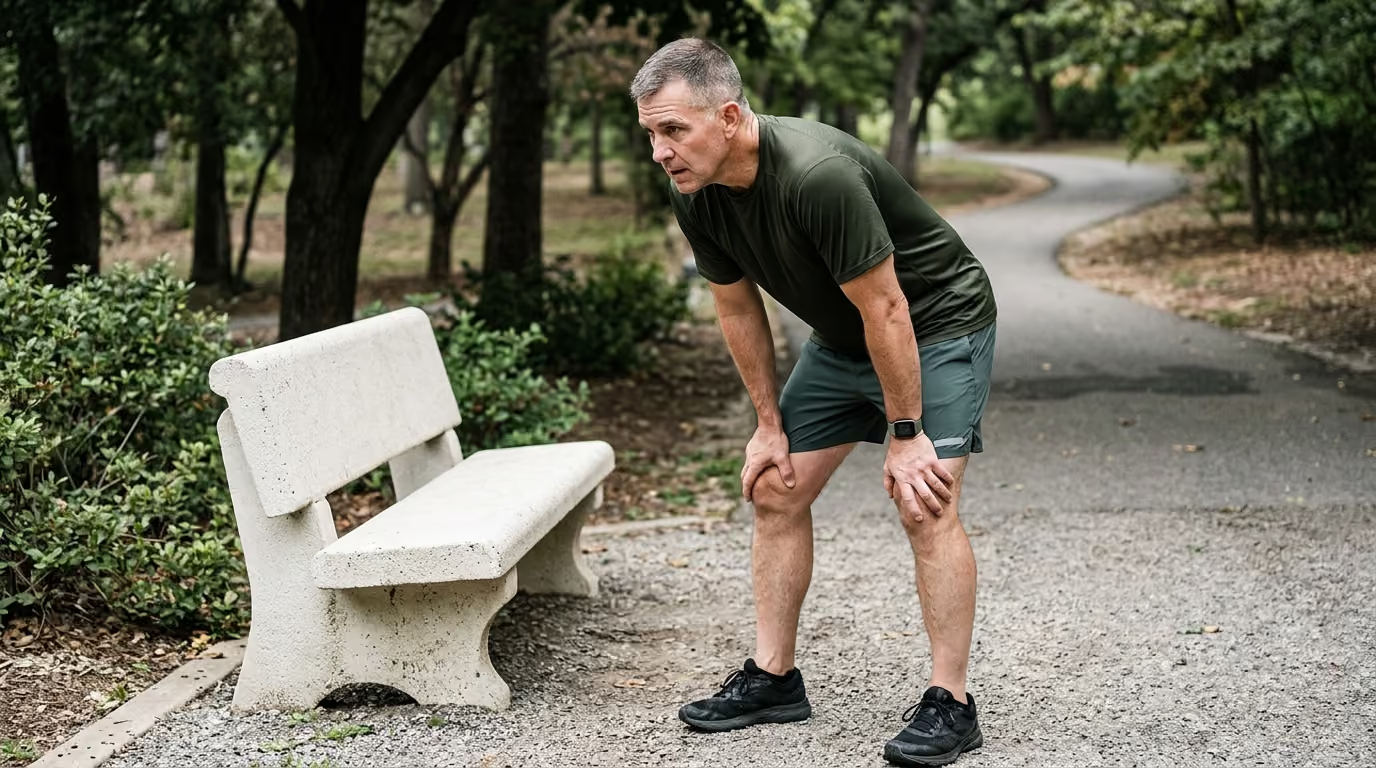
A 52-year-old veteran wakes up after five hours of broken sleep. His knees ache from years of carrying heavy loads, and a high-sensitivity C-reactive protein test from a routine physical came back elevated. He searches online and finds endless warnings that silent inflammation is destroying his body, paired with expensive pills promising complete biological repair. Instead of clarity, he receives alarmist marketing that ignores his actual daily health challenges.
Quick Take: Managing chronic inflammation is not about eliminating your immune response, but about reducing persistent biological stress through consistent sleep, strength preservation, visceral fat reduction, and medical management of chronic conditions.
The direct answer to managing chronic inflammation for long-term health is straightforward. You cannot eradicate inflammation entirely, nor should you want to. The proven strategy requires addressing the primary drivers of persistent immune signaling: excess visceral fat, physical inactivity, untreated sleep apnea, chronic psychological stress, tobacco use, and uncontrolled cardiometabolic diseases such as hypertension and diabetes.
To make informed decisions about your health, you must separate protective immune responses from persistent low-grade stress. When you cut your hand or contract a virus, your immune system releases chemical signals to recruit white blood cells. This acute response causes temporary redness, swelling, warmth, and discomfort. Once the damaged tissue heals or the pathogen clears, the immune signaling subsides and tissue returns to baseline.
Chronic inflammation behaves differently. It occurs when immune signaling remains activated for months or years at low levels. This persistent signaling does not produce dramatic visible swelling in a single joint. Instead, it circulates quietly throughout blood vessels, organs, and connective tissues. Over time, this low-grade immune activation can damage healthy cellular structures.
Researchers use the term inflammaging to describe the persistent, low-grade inflammatory state that often develops as people age. This process involves multiple biological systems. It includes cellular senescence, where aging cells stop dividing but release inflammatory compounds into surrounding tissue. It also involves mitochondrial dysfunction, changes in gut barrier integrity, and changes in immune cell responsiveness.
Inflammaging functions as a risk framework rather than a specific medical condition. It is associated with cardiovascular disease, type 2 diabetes, loss of muscle mass, cognitive decline, and physical frailty. However, having higher inflammatory markers does not mean your body is failing. It indicates that biological stress is present and that underlying lifestyle, metabolic, or medical drivers require attention.
Understanding this biological cascade helps clarify what you can control. The cycle begins when a trigger, such as poor sleep or excess abdominal fat, creates metabolic or tissue stress. The immune system responds with sustained signaling molecules, including interleukin-6 and tumor necrosis factor-alpha. Over time, this signaling impairs physical function, reduces daily activity, and increases chronic disease risk.
This cycle is a feedback loop rather than a one-way street. Physical pain reduces daily movement. Lower movement leads to weight gain and muscle loss. Extra weight increases joint stress and worsens sleep quality. Poor sleep elevates stress hormones and fuels appetite dysregulation. Breaking this loop requires intervening at multiple practical points rather than searching for a single anti-inflammatory remedy.
Military service creates distinct physical, mental, and environmental demands that can alter long-term health trajectories. Service members frequently encounter irregular sleep schedules, blast exposures, sustained physical overload, and high operational stress. Recognizing how these factors influence post-service health allows you to take targeted action.
Veterans are not a single, uniform population. Health risks vary widely based on military occupation, deployment history, injury history, service era, age, and access to healthcare. Service itself does not automatically cause chronic disease. However, service-connected physical limitations and stress exposures can make healthy habits harder to maintain after leaving the military.
Musculoskeletal injuries represent one of the most common service-related challenges. A veteran managing chronic back pain or osteoarthritis often struggles to maintain the running or high-intensity conditioning practiced during active duty. When physical activity drops abruptly but dietary habits remain unchanged, visceral fat accumulation often follows. This accumulation triggers metabolic stress and systemic immune activity.
Post-traumatic stress disorder (PTSD), depression, and persistent anxiety also alter autonomic and immune function. Research shows that PTSD and depression in military personnel are associated with higher levels of systemic inflammatory markers. This association does not prove that inflammation causes PTSD, nor does it mean an inflammatory blood test can diagnose mental health conditions. It demonstrates that prolonged psychological stress directly affects physical biology.
The overlap between physical pain and psychological trauma creates distinct health challenges. Veterans with co-occurring chronic pain and PTSD experience higher rates of insomnia, breathing problems, migraines, and arthritis than those with only one of these conditions. They also report greater difficulty carrying out standard activities of daily living.
National health data underscores the importance of addressing cardiometabolic health among veterans. A national study published in Preventing Chronic Disease reported that 32.7% of U.S. veterans had obesity. Rates were particularly high among younger veterans and those using Veterans Health Administration services. Earlier national surveys found that 76.1% of veteran men and 64.0% of veteran women were overweight or had obesity.
Longitudinal research examining the 2011 to 2021 period found higher self-reported rates among veterans compared to non-veterans for conditions such as hypertension, diabetes, heart disease, arthritis, and kidney disease. These findings emphasize that many veterans face a concentration of modifiable health risks. Addressing these risks through evidence-based care is fundamental to healthy aging and longevity.
Direct-to-consumer lab testing has made it easy to order inflammatory blood panels. However, interpreting these tests without clinical context often leads to unnecessary confusion. C-reactive protein, or CRP, is an acute-phase protein produced by the liver in response to inflammatory signaling. High-sensitivity CRP (hsCRP) measures very low levels of this protein in the bloodstream.
Cardiologists sometimes use hsCRP to help evaluate cardiovascular risk in adults who already fall into an intermediate-risk category. A higher hsCRP level can indicate greater vascular inflammation, helping clinicians decide whether to initiate preventive therapies. However, hsCRP was never designed to serve as a general longevity scorecard.
According to a joint scientific statement from the Centers for Disease Control and Prevention and the American Heart Association, other inflammatory cytokines should not be routinely measured for cardiovascular risk assessment. The CDC and AHA also advise that an unexplained hsCRP level of 10 mg/L or higher should be repeated and evaluated for non-cardiovascular causes, such as active infections, acute injuries, or systemic inflammatory diseases.
A high CRP result is entirely non-specific. It can reflect an ongoing dental infection, a recent hard workout, a minor joint sprain, smoking, obesity, or an autoimmune condition. A high test result identifies the presence of risk or an active biological response, but it does not tell you why the marker is elevated.
A normal CRP test result does not guarantee that your cardiovascular or metabolic systems are healthy. You can have advanced coronary plaque, untreated high blood pressure, or poorly managed blood sugar alongside a normal CRP reading. For this reason, inflammatory testing should never replace standard preventive evaluations, including blood pressure screening, lipid panels, hemoglobin A1C tests, and sleep studies.
The CDC and AHA scientific statement notes that secondary prevention decisions for established heart disease should not depend on hsCRP testing. Serial testing to monitor treatment progress is not recommended for routine clinical use. You should focus your efforts on controlling blood pressure, blood glucose, physical activity, and body composition rather than attempting to micromanage biomarker numbers.
Body composition plays a central role in driving systemic immune activation. Visceral adiposity refers to fat tissue stored deep within the abdominal cavity, surrounding organs like the liver, pancreas, and intestines. This is biologically distinct from subcutaneous fat, which sits directly beneath the skin on your limbs or hips.
Visceral fat is an active endocrine and immune organ. When visceral fat stores expand, fat cells become enlarged and experience oxygen deprivation. This cellular stress causes the tissue to release inflammatory molecules and attract immune cells, including specialized macrophages. These immune cells sustain local and systemic inflammatory signaling, which impairs insulin sensitivity across muscle and liver tissue.
Because of how fat is distributed, body mass index (BMI) alone provides an incomplete picture of health. BMI calculates a simple ratio of weight to height. It cannot distinguish between skeletal muscle mass, subcutaneous fat, and visceral fat. Two veterans with an identical BMI of 28 can have entirely different metabolic profiles if one carries significant muscle mass while the other carries excess abdominal fat.
Despite its limitations, BMI remains a useful starting point for population screening. The U.S. Preventive Services Task Force (USPSTF) defines adult obesity as a BMI of 30 or higher. For adults in this category, the USPSTF recommends referral to intensive, multicomponent behavioral interventions to support safe and sustained weight management.
Effective weight management does not require extreme caloric restriction or drastic physical transformations. Meaningful health improvements occur with modest, sustained reductions in body weight. Losing five to ten percent of total body weight substantially improves insulin sensitivity, lowers blood pressure, reduces liver fat, and decreases circulating inflammatory signals.
Clinical progress is best measured through functional and metabolic markers rather than scale weight alone:
Structured behavioral programs provide valuable accountability, but expectations must remain realistic. Research evaluating the Veterans Health Administration MOVE! weight management program shows that program engagement and session frequency correlate directly with weight loss outcomes. However, average weight reductions across large participant groups remain modest.
An early clinical trial examining the MOVE! program found that only a small subset of participants lost at least five percent of their baseline weight at six months. The study found no statistically significant group differences across several dietary, metabolic, or physical function measures. These findings highlight that simply signing up for a program is not enough. Lasting improvements require ongoing follow-up, nutrition support, individualized exercise adjustments, and treatment for co-occurring pain or sleep problems.
Sleep is a critical biological recovery period, not a luxury. During healthy slow-wave sleep, blood pressure drops, heart rate slows, stress hormones decrease, and tissue repair processes take place. When sleep is cut short or repeatedly interrupted, systemic stress pathways remain active around the clock.
The Centers for Disease Control and Prevention recommends that adults aged 18 to 60 obtain at least seven hours of sleep per night. CDC data demonstrates that sleeping fewer than seven hours on a regular basis is associated with higher rates of obesity, diabetes, hypertension, coronary heart disease, stroke, mental distress, and all-cause mortality.
Sleep disturbance takes multiple forms, each requiring a distinct management approach:
Obstructive sleep apnea is common among veterans, particularly those managing weight gain or service-related neck and airway changes. Every time the airway closes during sleep, blood oxygen drops, triggering an emergency surge of adrenaline. This repeated nighttime stress raises daytime blood pressure, promotes insulin resistance, and drives systemic inflammation.
Veterans who snore loudly, wake up gasping, experience morning headaches, or suffer from severe daytime sleepiness should seek a formal clinical sleep evaluation. Using a continuous positive airway pressure (CPAP) device or an oral appliance treats the underlying mechanical obstruction. This restores blood oxygen levels and removes a major source of nocturnal physiological stress.
For veterans managing chronic insomnia and trauma symptoms, standard sleep hygiene advice like keeping the room cool is rarely sufficient. The Veterans Health Administration identifies Cognitive Behavioral Therapy for Insomnia (CBT-I) as the primary, first-line treatment for chronic insomnia in veterans with PTSD.
CBT-I is a structured, evidence-based psychological treatment that targets the thoughts and behaviors that maintain sleep problems. It helps reset your body's natural sleep drive, reduces sleep-related anxiety, and establishes a reliable association between the bed and restful sleep. For in-depth strategies on building sustainable rest, review our guidance on healthy sleep habits and physical restoration.
Persistent psychological stress and physical pain are potent biological drivers of immune activity. When your brain perceives ongoing environmental or psychological threats, the sympathetic nervous system and the hypothalamic-pituitary-adrenal (HPA) axis remain activated. This continuous activation alters cortisol signaling and promotes sustained production of inflammatory cytokines.
Living with untreated PTSD or chronic depression creates chronic physiological strain. However, scientific evidence makes it clear that while mental health conditions correlate with inflammatory markers, you cannot diagnose or treat PTSD with anti-inflammatory supplements. Effective management requires proven clinical therapies that target the underlying psychological condition.
The 2023 VA/DoD Clinical Practice Guideline for the Management of Posttraumatic Stress Disorder strongly recommends individual trauma-focused psychotherapies over medications as first-line treatment. These evidence-based psychotherapies include:
When medications are used for PTSD, the VA/DoD guideline identifies specific evidence-supported options, including sertraline, paroxetine, and venlafaxine. For veterans experiencing severe, trauma-associated nightmares that disrupt sleep, the guideline suggests prazosin to reduce nocturnal hyperarousal.
Managing chronic musculoskeletal pain requires an active rehabilitation approach. For years, conventional thinking suggested that pain meant you should rest and avoid movement. Modern pain science shows that prolonged avoidance leads to deconditioning, joint stiffness, muscle loss, and worsening pain sensitivity over time.
Physical therapy, structured strength training, and behavioral pain management help retrain the nervous system and restore physical capacity. Learning how to move safely with chronic injuries reduces the daily stress burden. You can find comprehensive resources on managing stress biology within our resilience and sleep resource library.
Physical activity is one of the most powerful tools available for improving long-term health and modulating immune function. Research shows an inverse, dose-response relationship between regular physical activity and systemic inflammatory markers. This benefit occurs even at moderate activity levels and does not require grueling physical training.
Skeletal muscle acts as an active metabolic organ. When your muscles contract during exercise, they release signaling proteins called myokines. These myokines communicate with fat tissue, the liver, and the immune system, helping to regulate glucose uptake, improve insulin sensitivity, and promote an anti-inflammatory internal environment after exercise.
Many veterans carry the mindset that physical training only counts if it involves high-impact running, heavy rucking, or extreme fatigue. When service-connected joint injuries make those activities painful, veterans often stop training altogether. This all-or-nothing approach accelerates muscle loss and metabolic decline.
To build a sustainable routine, you must differentiate between physical activity, structured exercise, and sedentary behavior:
The federal Physical Activity Guidelines for Americans recommend that adults complete 150 to 300 minutes of moderate-intensity aerobic activity per week, alongside muscle-strengthening activities on at least two days per week. National health data shows that nearly 80 percent of American adults do not meet both the aerobic and strength guidelines.
You do not need to hit the upper target immediately. The greatest reduction in health risk occurs when transitioning from complete inactivity to modest, consistent movement. If joint pain or deconditioning limits you, start with small, manageable doses that you can repeat consistently without triggering severe symptom flare-ups.
Practical entry points for veterans managing physical limitations include:
Regular aerobic exercise also provides direct benefits for sleep architecture. The federal physical activity guidelines note that consistent physical activity improves sleep efficiency, shortens sleep onset latency, increases deep slow-wave sleep, and reduces daytime sleepiness. To learn more about designing safe, sustainable exercise programs, explore our strength, fitness, and body composition guides.
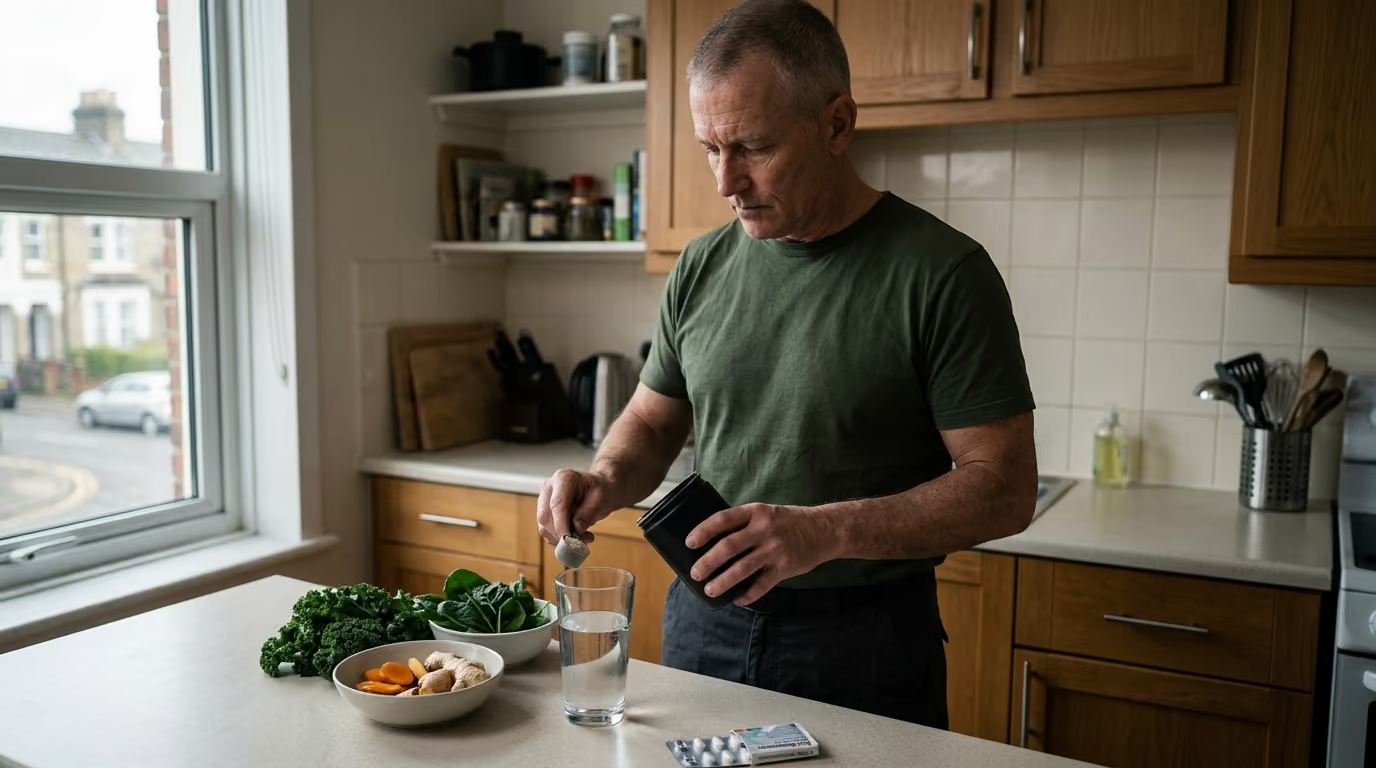
Popular health media frequently promotes individual foods, spices, or teas as miracle cures capable of wiping out chronic inflammation. Common claims suggest that consuming high doses of turmeric, green tea extracts, or specific berries will reverse years of metabolic stress. These marketing claims misrepresent how human nutrition influences biology.
No single food or supplement can neutralize the biological consequences of chronic sleep loss, heavy alcohol intake, visceral adiposity, or physical inactivity. Dietary patterns influence health through overall composition, energy balance, and micronutrient density over months and years, not through isolated superfoods.
A healthy dietary pattern helps lower systemic inflammation primarily by improving metabolic parameters. It supports stable blood glucose, improves blood lipid profiles, lowers blood pressure, and reduces liver fat accumulation. It also nourishes the gut microbiome, which plays a central role in regulating immune activity across the intestinal barrier.
According to data from the Centers for Disease Control and Prevention, fewer than one in ten American adults consume the recommended daily amount of vegetables. Shifting away from heavily processed items toward nutrient-dense whole foods provides the fiber, vitamins, and polyphenols needed for healthy metabolic function.
Focus your daily nutrition around practical, evidence-based components:
Practical dietary changes must fit your actual lifestyle, budget, cooking skills, and family preferences. Extreme diets that cut out entire food groups are rarely sustainable over the long term. A balanced, nutrient-dense eating pattern that you can maintain for decades will produce far greater longevity benefits than any short-term cleanse.
Health recommendations cannot follow a one-size-fits-all formula. Veterans frequently manage unique clinical circumstances that require tailored strategies rather than standard health advice.
While reducing excess visceral fat is a common goal, aggressive weight loss is dangerous for frail or underweight older veterans. Unintentional weight loss in older adults often accelerates sarcopenia, which is the age-related loss of muscle mass and physical strength. This increases the risk of falls, bone fractures, and loss of independence.
For these individuals, the clinical priority is preventing further muscle loss. This requires ensuring adequate total caloric intake, consuming higher amounts of dietary protein, participating in supervised resistance training, and addressing underlying issues such as poor dental health, swallowing difficulties, or depression.
Veterans diagnosed with autoimmune conditions such as rheumatoid arthritis, ankylosing spondylitis, lupus, or inflammatory bowel disease experience immune activation driven by specific genetic and immunological mechanisms. While regular exercise and healthy nutrition support overall health, they do not replace medical therapies.
Disease-modifying antirheumatic drugs (DMARDs) and biologic therapies are necessary to prevent joint destruction, organ damage, and long-term disability. Lifestyle modifications should complement, not substitute for, specialized rheumatologic or medical care.
Certain essential medications used to manage mental health conditions, chronic pain, seizures, or high blood pressure can cause weight gain or increase appetite as a side effect. Common examples include specific antidepressants, antipsychotics, mood stabilizers, and beta-blockers.
Veterans taking these medications should never stop or alter their prescriptions without clinical supervision. Abruptly stopping psychiatric or cardiovascular medications can trigger severe rebound symptoms or dangerous withdrawal effects. If weight gain becomes a significant concern, consult your prescribing clinician to discuss potential dosage adjustments, alternative medications, or additional metabolic support.
Physical activity is safe and beneficial for most people, but new or worsening cardiovascular symptoms require immediate medical evaluation before continuing an exercise program. Warning signs that require clinical assessment include:
If you experience any of these symptoms, pause high-intensity workouts and consult a healthcare provider for appropriate diagnostic testing, such as an electrocardiogram or stress test.
Navigating health information requires separating proven strategies from commercial hype. Avoiding common misconceptions saves time, money, and unnecessary frustration.
No diet can cure structural osteoarthritis or repair worn cartilage. However, adopting a balanced dietary pattern rich in whole foods and low in refined sugars can help reduce overall metabolic stress and support weight loss. Reducing body weight significantly decreases mechanical load on weight-bearing joints like the knees and hips, which often results in less pain and improved mobility during daily activities.
No. High-sensitivity CRP is a non-specific marker that reflects current inflammatory signaling in the body. An elevated reading can result from an acute infection, a recent joint injury, obesity, smoking, or chronic inflammatory diseases. It does not measure biological age, and it should not be used as a standalone scorecard for longevity.
You should not take nonsteroidal anti-inflammatory drugs (NSAIDs) like ibuprofen or naproxen daily without medical supervision. While these medications provide short-term pain relief by blocking inflammatory enzymes, long-term daily use carries significant risks. These include gastrointestinal bleeding, kidney damage, fluid retention, and increased risk of cardiovascular events. Discuss long-term pain management strategies with your doctor.
There is no single magic bullet, but addressing sleep apnea, increasing daily physical activity, and reducing visceral fat provide the largest systemic benefits. Combining consistent sleep, regular resistance training, and clinical management of blood pressure and blood sugar targets the primary drivers of persistent immune activation simultaneously.
This resource is provided strictly for educational purposes and is designed to help veterans better understand how lifestyle factors and chronic conditions interact with physical capability and healthy aging. It does not constitute medical advice, clinical diagnosis, or individualized treatment plans.
Health needs vary significantly based on medical history, service-connected disabilities, and current prescriptions. Always consult a qualified healthcare professional, such as your primary care physician or VA care team, before starting new exercise routines, making substantial dietary changes, stopping medications, or pursuing diagnostic lab testing.
By focusing your daily energy on proven lifestyle behaviors and evidence-based medical care, you can reduce avoidable biological stress and maintain the strength, function, and independence needed for a long, capable life.
Follow BattleVet for practical guidance on military and veteran health, strength, recovery, testosterone, sleep and healthy aging. Stay connected for new articles, research backed insights and clear information to help you stay capable for the years ahead.


Build better habits around strength, recovery, sleep, hormones and healthy aging with practical guidance for active military personnel and veterans.
Explore BattleVet