
Although hard workouts stimulate growth, actual fitness gains depend on managing total daily stress and optimizing sleep architecture for full recovery.





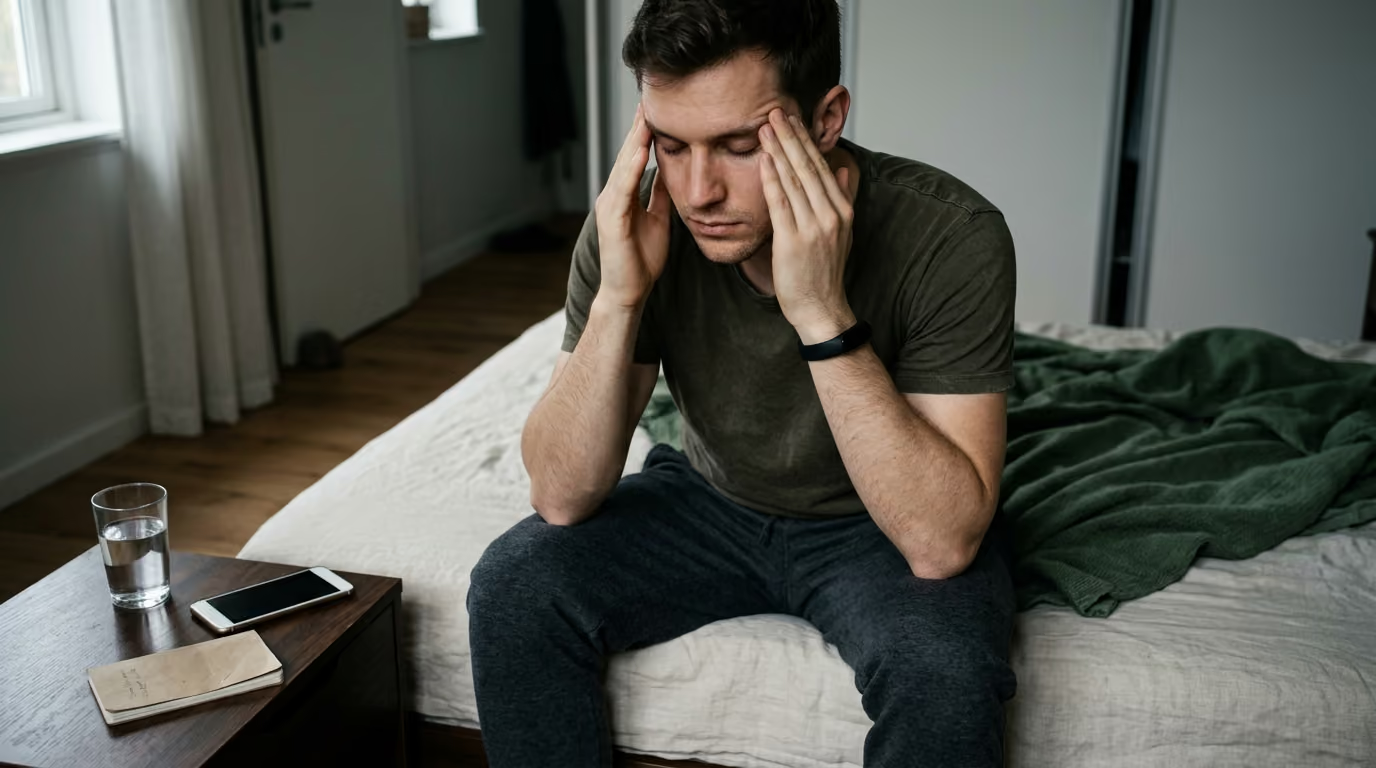
You wake up to your alarm at 0500 feeling heavier than when you went to bed. Your resting heart rate is up four beats per minute, your joints feel stiff, and your morning coffee barely makes a dent in your mental fog. You planned a heavy lifting session followed by intervals today, but your work demands are peaking and your sleep has sat below six hours all week. Pushing through another exhausting workout might seem like discipline, but it often drives you deeper into physical fatigue.
The physiological benefit of physical training depends entirely on your total recovery capacity, meaning exercise can only relieve stress and improve sleep when program load matches your daily life demands.
Physical training serves as a powerful regulator of the nervous system, physical resilience, and sleep architecture when programmed within your body's capacity to adapt. When combined with excessive work demands, poor nutrition, and restricted sleep, exercise becomes an additional stressor that worsens fatigue and disrupts nightly rest. Balancing exercise volume, training intensity, sleep opportunity, and active recovery allows you to build strength and conditioning while keeping chronic stress under control.
Training is a physiological stressor. When you lift weights, run intervals, or complete conditioning circuits, you stimulate the sympathetic nervous system. Your heart rate rises, core body temperature increases, and cortisol and adrenaline mobilize stored energy.
This acute stress response is necessary for adaptation. The breakdown of muscle tissue and the temporary depletion of cellular energy signal your body to rebuild stronger tissues. Adaptation does not occur during the workout itself. It takes place during periods of rest, primarily while you sleep.
Problems arise when your overall stress load exceeds your available recovery resources. A practical model for understanding this balance is:
Training stimulus + life demands - recovery resources = net recovery state.
Life demands include job pressure, financial stress, relationship tension, environmental heat or cold, poor nutrition, and illness. Recovery resources include total sleep, nutritious food, hydration, downtime, and social support. If your life demands spike while your sleep drops, the same workout that once built fitness will now contribute to chronic fatigue.
This cumulative physiological strain is known as allostatic load. When allostatic load remains high for too long, your nervous system struggles to shift from a high-alert sympathetic state to a restorative parasympathetic state. You may experience elevated resting heart rates, disrupted sleep patterns, mood volatility, and declining physical performance. Using physical training effectively requires adjusting workout volume and intensity to match your current life circumstances.
Sleep is the primary biological mechanism for physiological and psychological restoration. During deep slow-wave sleep, your body releases growth hormone, repairs damaged muscle fibers, and clears metabolic waste from brain tissue. During rapid eye movement sleep, your brain processes emotional experiences, consolidates memories, and helps regulate mood.
The American Academy of Sleep Medicine and the Sleep Research Society recommend that adults sleep at least seven hours per night regularly. Sleeping less than seven hours on an ongoing basis increases the risk of cardiovascular disease, metabolic dysfunction, impaired immune function, and mental distress.
To manage recovery accurately, you must distinguish between four specific sleep concepts:
Sleep need is the biological requirement your body has for restorative rest. For most healthy adults, this ranges between seven and nine hours each night. Athletes, tactical professionals, and individuals undergoing intense physical training often require eight to ten hours to recover from high neuromuscular and metabolic output.
Sleep opportunity is the actual time you spend in bed with the lights off. If your biological sleep need is eight hours, but you only give yourself six hours in bed, you accumulate a sleep debt. Exercise cannot compensate for a chronic lack of sleep opportunity.
Sleep duration measures the total time you are asleep. Sleep quality reflects how restorative and uninterrupted that sleep feels upon waking.
You can spend eight hours asleep but experience fragmented, shallow rest due to late caffeine intake, high stress, or room temperature. Conversely, you might sleep for six and a half hours of deep, uninterrupted rest and wake up feeling alert. Both metrics matter for long-term health and physical recovery.
Sleep efficiency is the percentage of time in bed that you actually spend sleeping. An efficiency rating of 85 percent or higher is standard for healthy adults. If you spend eight hours in bed but stay awake for two hours tossing and turning, your sleep efficiency drops to 75 percent.
Intense training performed too close to bedtime or during periods of severe mental strain can lower sleep efficiency by delaying sleep onset. You can review our detailed guides on recovery and sleep protocols to evaluate your current sleep patterns.
Different forms of exercise create different neurological and metabolic demands. Balancing aerobic work, resistance training, and mobility sessions helps you maintain fitness without overwhelming your nervous system during high-stress periods.
The World Health Organization recommends that adults perform 150 to 300 minutes of moderate-intensity aerobic physical activity per week, or 75 to 150 minutes of vigorous aerobic activity. Aerobic exercise strengthens cardiovascular capacity, improves insulin sensitivity, and supports mental health.
A network meta-analysis of randomized controlled trials shows that regular aerobic exercise significantly improves Pittsburgh Sleep Quality Index scores and shortens the time it takes to fall asleep. Aerobic training enhances parasympathetic tone over time, which lowers resting heart rate and helps your body transition into sleep.
To manage stress, prioritize low-intensity steady-state aerobic work, such as brisk walking, light cycling, or easy rowing. Keep your intensity at a level where you can speak in complete sentences without gasping. When life stress is high or your sleep is restricted, avoid high-intensity interval training, which imposes high demands on the sympathetic nervous system.
Strength training preserves muscle mass, builds bone density, and reinforces tendon strength. Research indicates that resistance training can improve subjective sleep quality, sleep efficiency, and psychological well-being.
A clinical trial in older adults with sleep issues found that resistance training improved sleep efficiency and reduced sleep-onset latency. Lifting weights increases adenosine production in the brain, which builds homeostatic sleep pressure throughout the day and promotes deeper sleep at night.
Resistance training can become counterproductive if you push every set to muscular failure or lift heavy loads during periods of severe exhaustion. High-volume training with eccentric muscle damage requires significant recovery capacity. When managing high life stress, keep two to three repetitions in reserve on each work set. You can explore balanced approaches in our strength and fitness programming resources.
Mind-body movements, mobility circuits, and controlled breathing routines offer low-stress movement options. These modalities improve joint range of motion, reduce physical muscle tension, and lower psychological distress without imposing high metabolic strain.
Network meta-analyses indicate that practices like Pilates and yoga rank among the most effective exercise types for improving subjective sleep quality. These movements combine physical activity with deliberate diaphragmatic breathing, which stimulates the vagus nerve and downregulates the sympathetic nervous system.
Mobility work should remain gentle and controlled. Stretching into extreme joint pain or grinding through high-intensity power yoga adds physical stress rather than reducing it. Use ten to twenty minutes of slow, controlled range-of-motion work in the evening to prepare your body for rest.
A persistent belief in fitness culture is that working out in the evening ruins sleep quality. Scientific evidence shows a more nuanced reality.
Systematic reviews demonstrate that evening exercise does not automatically impair sleep quality. In many cases, moderate-intensity training completed in the late afternoon or early evening increases slow-wave sleep and supports emotional regulation.
Vigorous, high-intensity exercise that ends within one hour of bedtime can interfere with sleep. Intense exertion raises your core body temperature, elevates your heart rate, and delays the natural release of melatonin.
Your core body temperature must drop by approximately two degrees Fahrenheit to initiate and sustain deep sleep. If you complete high-intensity intervals right before bed, your elevated body temperature and heightened nervous system activity can delay sleep onset.
Use this practical framework for exercise timing:
A recovery day should not mean sitting on the couch for sixteen hours eating processed food. It means intentionally reducing overall physiological strain below your current recovery threshold.
Effective recovery strategies fall into four specific categories:
Passive recovery involves complete physical rest, deliberate stillness, and sufficient sleep opportunity. It is essential when you are experiencing systemic fatigue, acute illness, or severe sleep deprivation. Passive recovery allows cellular glycogen stores to replenish and gives your central nervous system time to reset.
Active recovery involves very low-intensity movement that stimulates blood circulation without creating muscle damage or cardiovascular fatigue. Examples include a twenty-minute easy walk, thirty minutes of casual cycling on a flat path, or easy laps in a pool.
Active recovery helps flush metabolic waste, reduces joint stiffness, and exposes you to natural daylight. If your active recovery session leaves you breathing hard or sweating heavily, it is no longer an active recovery session.
Psychological recovery refers to activities that remove mental pressure, competition, and cognitive strain. High-stress professionals often make the mistake of turning every workout into a high-stakes performance test.
Engaging in hobbies, spending time with family, or reading in a quiet environment allows your brain to decompress from cognitive demands. Reducing psychological stress lowers circulating stress hormones, which directly supports deeper sleep.
Structural recovery involves scheduled programming adjustments over weeks and months. This includes planned deload weeks where you reduce training volume by 40 to 50 percent while maintaining movement quality.
Deload weeks allow accumulated micro-trauma in tendons and ligaments to heal. They also prevent chronic mental burnout and give your nervous system a scheduled break from heavy loading. You can read more about structured programming across our training and physical performance section.
Balancing exercise, stress, and sleep requires tracking key recovery indicators. Relying solely on motivation is unreliable because mental drive often masks underlying physiological fatigue.
Subjective markers provide accurate insights into your systemic recovery state. Track the following metrics every morning:
If two or three of these subjective markers are negative for several consecutive days, your total stress load is out of balance.
Tracking physical output provides objective feedback on your recovery state. Warning signs include:
Wearables provide useful data on resting heart rate, heart rate variability, and skin temperature. A sustained elevation in your morning resting heart rate or a significant downward trend in heart rate variability often indicates high allostatic load.
Do not let wearable devices dictate your psychological state. Consumer fitness trackers provide estimates of sleep stages and readiness scores rather than medical diagnoses. Use wearable data as a secondary check to confirm your subjective feelings and physical performance trends.
The European College of Sport Science and the American College of Sports Medicine classify training fatigue into three distinct stages:
Functional overreaching is a short-term increase in training load that causes temporary performance decrements. Following a period of reduced training and adequate rest, your body supercompensates and performance improves.
Non-functional overreaching occurs when high training loads continue without sufficient recovery resources. Performance drops and remains depressed for several weeks or months. You may experience persistent sleep disturbances, mood swings, and frequent minor illnesses.
Overtraining syndrome is a severe clinical state involving systemic neuroendocrine, metabolic, and immune dysfunction. Recovering from overtraining syndrome can take several months or even years of medical intervention and total rest. Preventing this state requires adjusting training whenever non-functional overreaching signs appear.
Individual circumstances require specific adjustments to exercise, stress, and sleep routines.
When work deadlines, life transitions, or family obligations peak, do not try to hit personal records in the gym. Reduce your resistance training volume by half, keep your repetitions far from failure, and replace high-intensity conditioning with twenty-minute brisk walks. Focus on maintaining basic movement patterns and protecting your sleep opportunity.
If you struggle with chronic insomnia, exercise can improve sleep onset and total sleep time over several weeks. Avoid using late-night workouts to physically exhaust yourself before bed, as this increases sympathetic arousal and worsens sleep anxiety.
Keep workouts in the morning or early afternoon. Pair training with outdoor sunlight exposure to reinforce your natural circadian rhythms. For deeper insights, explore our sleep, stress, and resilience resources.
As you age, muscle mass naturally declines and connective tissue requires more time to repair. Clinical research shows that resistance training is essential for older adults to maintain bone density, improve sleep architecture, and preserve metabolic health.
Older trainees should prioritize longer recovery intervals between demanding lifting sessions. Emphasize joint-friendly exercise selections, full range of motion, and adequate daily protein intake to support tissue recovery.
Shift workers must manage recovery based on sleep opportunity rather than standard clock time. If your shift ends at 0700, that morning hour represents your biological evening.
Avoid high-intensity lifting immediately after a night shift. Complete your training before your shift begins or after waking from your primary sleep block. Keep your bedroom dark, quiet, and cool when sleeping during daylight hours.
Scientific research provides clear insights into exercise, stress, and sleep, but certain claims remain unproven.
The strongest evidence confirms that regular physical movement consistently improves sleep quality and lowers psychological distress. The primary error is treating training as an isolated factor. Exercise is one component within a broader recovery system that relies on adequate sleep, sound nutrition, and managed life demands. You can check our articles on nutritional recovery to support your physical training demands.
To build sustainable physical capability, organize your training week based on your current recovery capacity.
Set a fixed wake-up time every morning. Count backward eight hours to establish your lights-out target. Protect this sleep window before adding extra workouts or volume to your schedule.
Aim for 150 minutes of moderate aerobic activity and two full-body strength sessions each week. This baseline dose provides the primary cardiovascular, metabolic, and mental health benefits without overwhelming your recovery system.
Before every workout, evaluate your sleep quality, morning energy, and muscle soreness. If your recovery indicators are poor, reduce your planned workout intensity:
Use this structure when life stress is manageable and sleep is consistent:
A single night of poor sleep will not destroy your fitness, but it impairs your reaction time, motor coordination, and pain tolerance. If you must train after five hours of sleep, reduce your lifting loads, avoid training to failure, and skip high-risk maximal efforts. Focus on technique, moderate volume, or low-intensity aerobic work to support blood flow without overloading your nervous system.
Your body does not separate training stress from psychological or occupational stress. Both draw from the same systemic recovery pool. If your fatigue is accompanied by heavy muscle soreness, declining gym numbers, and joint stiffness, training volume is likely a primary driver. If your fatigue comes with mental fog, irritability, and racing thoughts while your muscles feel fine, psychological stress is likely the dominant factor.
Stretching and foam rolling are optional tools, not mandatory requirements for recovery. They can help reduce perceived muscle stiffness and promote physical relaxation through the nervous system. If you find foam rolling enjoyable and calming, include ten to fifteen minutes in your routine. If it feels like a painful chore that adds stress to your day, simple walking and adequate sleep are far more effective.
If exercise consistently worsens your insomnia, assess your workout timing and intensity. High-intensity interval training or heavy lifting late in the day keeps core body temperature and sympathetic arousal elevated, delaying sleep. Move your intense workouts to the morning, reduce overall training volume, and ensure you are eating enough carbohydrates in the evening to support restorative rest.
This article is for educational purposes only and does not constitute individual medical advice, physical therapy, or psychiatric diagnosis. If you experience chronic, unresolving fatigue, severe insomnia, chest pain, palpitations, or persistent mental distress, consult a qualified healthcare professional or sleep specialist for a comprehensive clinical assessment.
Return to this recovery guide whenever you undergo a major life transition, experience an increase in occupational stress, or notice your physical performance declining despite consistent effort in the gym. Adjusting your training stimulus to match your recovery capacity protects your long-term capability and physical resilience.
Follow BattleVet for practical guidance on military and veteran health, strength, recovery, testosterone, sleep and healthy aging. Stay connected for new articles, research backed insights and clear information to help you stay capable for the years ahead.


Build better habits around strength, recovery, sleep, hormones and healthy aging with practical guidance for active military personnel and veterans.
Explore BattleVet