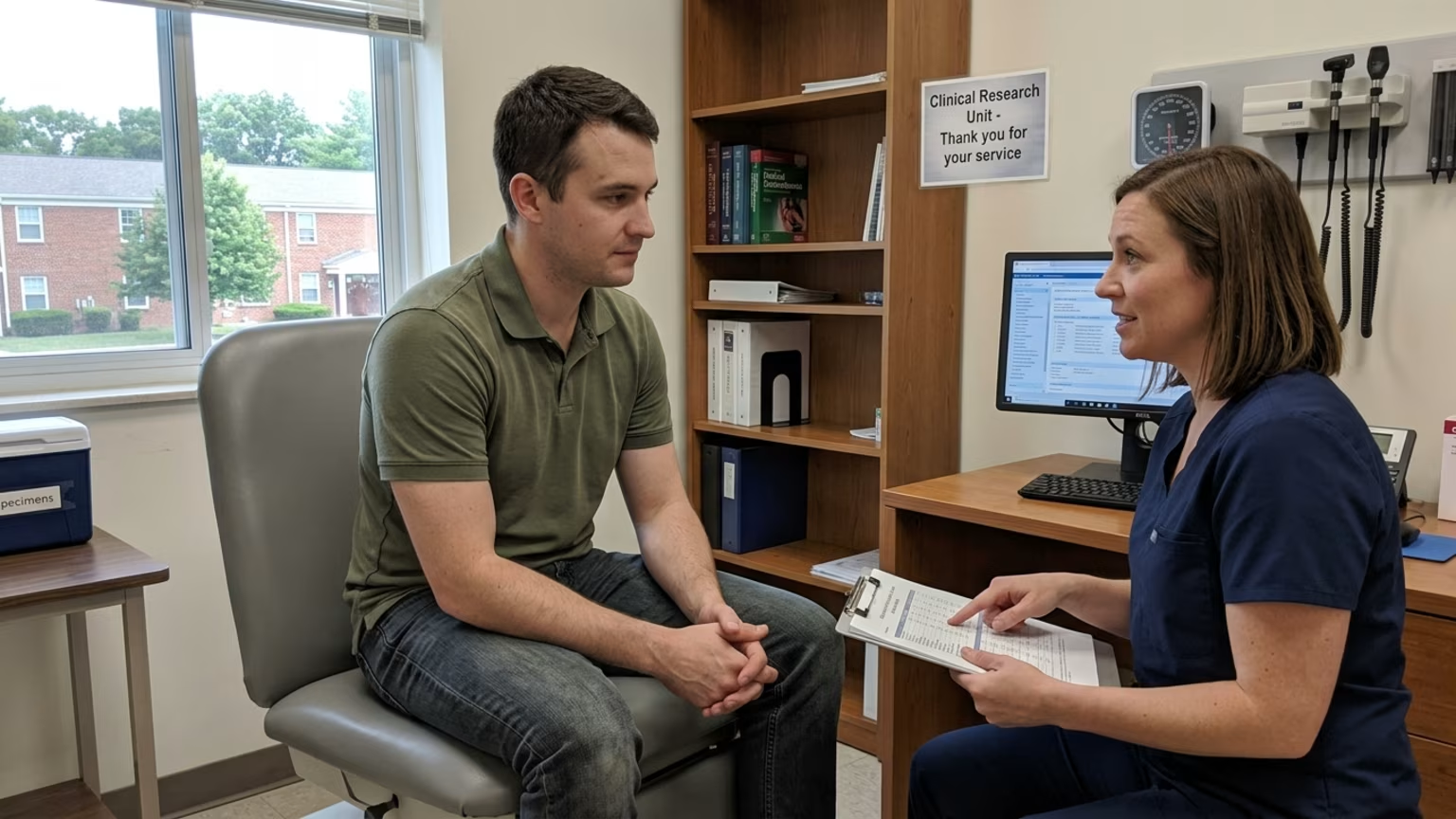

A 2026 UC San Diego study links naturally occurring anti-NMDAR1 autoantibodies to lower depression and PTSD scores in Marines following a traumatic brain injury.





On September 8, 2026, researchers published new findings in Molecular Psychiatry detailing a biological marker related to military brain injury recovery. The collaborative team from the University of California San Diego School of Medicine and the Veterans Affairs San Diego Healthcare System evaluated active duty personnel. They analyzed blood samples and psychiatric assessments from 1,025 United States Marines. This clinical data was gathered before and after a seven month Afghanistan deployment conducted between 2011 and 2013.
The published analysis came directly from the Marine Resiliency Study II, a longitudinal project examining the specific factors associated with vulnerability to post-traumatic stress disorder. The study also investigates the elements that create natural resilience against these conditions. Researchers focused on identifying naturally occurring anti-NMDAR1 autoantibodies circulating in the blood of these service members. These specific immune proteins target a receptor component that is heavily involved in memory formation and information storage in the brain.
This research update provides crucial context for personnel navigating life after a traumatic brain injury. A summary from the University of California San Diego notes that a brain injury is associated with a two to four-fold increase in the risk of depression, anxiety, and PTSD. For many years, clinical treatment has relied almost exclusively on self reported mental health symptoms to guide recovery plans. This new study fits into a broader movement toward combining symptom assessments with measurable biological signals to identify long term risks.
Physical and psychological recovery are deeply connected processes that require a comprehensive management strategy. I remember waking up after a poor night of sleep and realizing that my training recovery was taking much longer than it used to. I realized that readiness is more than just pushing through the fatigue. It requires a dedicated approach to sleep and hormonal health, which completely shifted how I view long term capability.
The latest antibody findings reflect this exact same physiological principle on a clinical level. True post-deployment resilience appears to have a measurable biological foundation that goes beyond mental toughness. Relying solely on basic psychological screening might cause clinicians to miss complex biological processes occurring after a head impact. Military researchers recognize this gap and are actively developing longitudinal data resources that integrate nutrition care information with brain injury outcomes.
Expanding our approach to military health research provides a clearer picture of true operational readiness. These developments do not establish anti-NMDAR1 testing as a standard military screening tool just yet. However, they show a rapidly expanding research emphasis on the biological and neurological indicators of post-deployment recovery. This shift helps medical professionals build a long term framework for veteran health that respects the physical realities of brain injuries.
The research data provided clear statistical outcomes regarding these circulating immune proteins. Among Marines with a lifetime history of traumatic brain injury, researchers observed a strong association between antibody concentration and mental health scores. Participants ranking in the highest quarter for anti-NMDAR1 antibody levels had approximately 25 percent lower post-deployment depression symptom scores. These same individuals also recorded 22 percent lower PTSD symptom scores compared to participants with lower antibody levels.
The researchers documented these biological relationships with high statistical significance. Pre-deployment plasma levels were modestly but statistically significantly associated with lower predicted post-deployment depression symptoms with a p-value of 0.0008. The association with lower PTSD symptoms showed a p-value of 0.0075. Furthermore, higher antibody levels correlated with a lower likelihood of reporting moderate-to-severe depression after deployment.
This immune marker association was strictly symptom specific across the cohort. Higher anti-NMDAR1 levels were linked to lower depression and PTSD scores, but the study did not find the same relationship with anxiety symptoms. These antibodies remained detectable in the blood for more than one year. This extended duration suggests that the antibody concentration represents a relatively stable biological trait rather than a short lived response.
The research team also referenced mouse experiments described by the University of California San Diego to explain this unique antibody behavior. Xianjin Zhou, PhD, proposed that antibody physical size might explain the different effects observed in experimental models. Smaller IgG anti-NMDAR1 antibodies actually impaired memory retention in the mice. Conversely, larger IgM antibodies appeared to protect memory function effectively.
The researchers proposed a specific mechanism to explain these contrasting results. They hypothesize that naturally occurring IgM antibodies may bind to receptors outside the synapses. These external receptors contribute to secondary brain damage after a traumatic injury. By binding to these areas, the larger antibodies could potentially limit some injury related effects.
These findings heavily reinforce the current medical guidance for active duty personnel and veterans. A service member with a concussion should not wait for biological marker research to mature before reporting symptoms. Intrusive memories, sleep disruption, irritability, and concentration problems require prompt attention from a qualified medical professional. The current study did not provide a validated screening protocol or recommend changing any current treatment plans based on circulating antibody levels.
Clinical recovery should always be monitored across multiple domains simultaneously to ensure no secondary issues are missed. Traumatic brain injury related neurological and psychiatric symptoms frequently occur together and complicate the healing process. A 2026 study published in Military Medicine highlighted this exact overlap in modern service members. The research reported that dizziness severity in personnel with a history of brain injury was directly associated with higher depression and PTSD levels.
Veterans must remain highly cautious about commercial claims offering unverified immune testing or rapid antibody therapies. Some commercial entities market immune boosting treatments as proven ways to prevent psychological conditions. The recent study was strictly observational and did not establish an approved blood test. It also did not demonstrate that artificially raising anti-NMDAR1 levels would prevent depression or PTSD.
Early clinical attention remains incredibly important for anyone managing a history of head impacts. The most defensible near term takeaway is maintaining strict risk awareness during your recovery. A history of traumatic brain injury can clearly coexist with later depression or PTSD symptoms. Individuals must maintain a proactive approach to their sleep, stress and resilience routines while relying on established clinical assessments.
Victoria B. Risbrough, PhD, noted that this naturally occurring immune marker might function almost like a built in protective factor against the disabling consequences of brain injury. Understanding exactly how these specific antibodies operate could eventually help researchers identify individuals at greater risk. This advancing knowledge might also lead to the development of highly targeted medical interventions. As health systems integrate more biological data into patient care, how will the identification of stable immune markers reshape the future of brain injury recovery for veterans?
Follow BattleVet for practical guidance on military and veteran health, strength, recovery, testosterone, sleep and healthy aging. Stay connected for new articles, research backed insights and clear information to help you stay capable for the years ahead.


A new policy analysis outlines how the Department of Defense and VA could reduce their reliance on Chinese pharmaceutical ingredients to secure medication access.

A 2026 review shows structured aerobic exercise is linked to longer survival for cancer patients. Learn how VA rehabilitation integrates these clinical findings.
The Army deployed a sleep director to the Himalayas in 2026 to manage jet lag and altitude. Here is how formal sleep protocols support veteran recovery.
Build better habits around strength, recovery, sleep, hormones and healthy aging with practical guidance for active military personnel and veterans.
Explore BattleVet