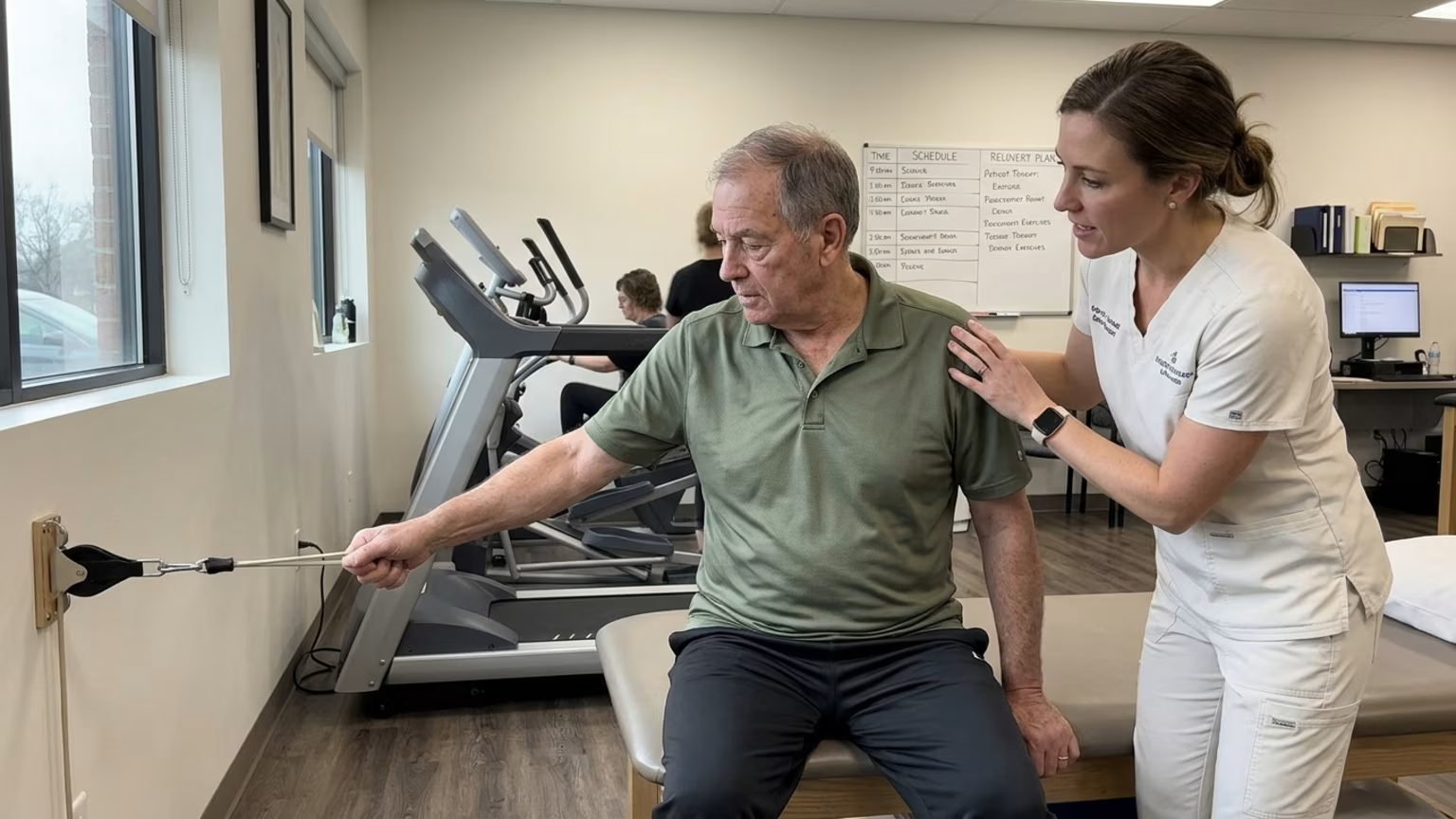

A 2026 review shows structured aerobic exercise is linked to longer survival for cancer patients. Learn how VA rehabilitation integrates these clinical findings.





In 2026, a systematic review and meta-analysis published in the British Journal of Sports Medicine examined whether structured exercise interventions were associated with survival and recurrence outcomes in adults treated for cancer. Researchers searched for randomized controlled trials published through the end of 2025. They found that 21 out of 123 initially identified studies met the eligibility criteria. The included trials involved 8,449 participants across North America, Europe, Australia, and Asia.
This analysis provides a clear look at how specific physical routines affect survival rates during and after serious illness. The data separates organized movement programs from general lifestyle activity. This distinction is critical for medical professionals and patients planning a recovery strategy. Understanding the precise impact of clinical exercise helps establish clearer expectations for oncology rehabilitation.
Facing a cancer diagnosis fundamentally changes how service members and veterans approach their physical health. During active duty, physical fitness is often viewed strictly through the lens of operational readiness and immediate performance. A serious illness forces a sudden transition toward preserving long term health and basic longevity. The priorities shift from maximizing physical output to maintaining bodily resilience and structural function.
I remember waking up after a poor night of sleep and realizing that my training recovery was taking much longer than it used to. I realized that physical readiness requires a dedicated approach to hormonal health, which completely shifted how I view long term capability. This same shift in mindset is absolutely required when navigating illness. Recovery demands a systemic approach rather than simply trying to power through the discomfort.
The transition from intense military physical training to clinical rehabilitation presents a unique mental challenge. Active duty workouts rely heavily on group accountability and high intensity physical outputs. Clinical rehabilitation requires a totally different mindset that centers on careful pacing and consistent progression. Veterans often struggle with this shift because the new routines feel entirely foreign compared to their past training experiences.
This change in perspective is exactly why clinical exercise data is so important for veteran healthcare. When dealing with a complex medical condition, patients need practical information rather than vague advice to stay active. Medical teams are increasingly looking at structured movement as a core component of comprehensive care. Programs designed for recovering patients focus on measurable steps that build capability safely over time.
The Department of Veterans Affairs has established specific frameworks to support this kind of physical recovery. VA physical, occupational and movement therapists use therapeutic exercise to improve health and quality of life. They also integrate counseling, education and training into patient care to ensure long term success. Veterans thus have access to programs that successfully bridge the gap between medical treatment and ongoing physical rehabilitation.
Understanding the exact benefits of these supervised programs helps veterans advocate for their own recovery. The latest findings emphasize that structured aerobic work is a measurable intervention that correlates with better outcomes over time. Veterans can use this clinical evidence to ask their primary care teams for specific exercise prescriptions. Readers interested in maintaining their physical independence can find additional guidance in our healthy aging resources.
The British Journal of Sports Medicine review offers specific numbers regarding patient survival outcomes. Participants in the analyzed trials had an average age of 54, with reported ages ranging from 47 to 76. The participant pool was predominantly female, with 88% being women. The researchers noted that the average monitoring period for these participating patients was 64 months.
The outcomes for patients in structured programs showed notable differences from those in standard control groups. Compared with non-exercising comparison groups, participants assigned to structured exercise were 23% less likely to die. They were also 17% less likely to experience recurrence before death. These figures highlight a strong association between dedicated physical programming and long term patient survival.
The analysis provided further detail regarding specific causes of mortality among the study participants. Separate analyses reported an 18% lower risk of death from any cause among participants receiving structured exercise. Those same participants showed a 26% lower risk of cancer-specific death during the monitoring period. Aerobic exercise alone and combined aerobic-plus-strength programs produced the most favorable overall-survival estimates.
Strength training alone did not demonstrate the same clear survival benefits in the analyzed literature. Strength training alone showed no clear association with survival. However, that conclusion was based on only one trial involving 129 participants. The limited data on strength training means its specific statistical impact on survival remains uncertain.
Adherence to the prescribed physical program played a significant role in the overall patient outcomes. Associations were stronger among participants who completed at least 70% of their prescribed exercise program. This highlights the vital importance of consistency when participating in clinical rehabilitation.
The data did have specific limitations regarding disease progression. The review found no clear association between structured exercise and delaying the time until cancer worsened. It also found no clear association with increasing the likelihood that no invasive cancer remained after standard treatment.
These findings actively shift the way clinicians and patients should plan post-treatment physical recovery. The data strongly supports prioritizing consistent and documented aerobic conditioning. General daily activity is beneficial, but the study specifically measured structured and prescribed clinical interventions. Veterans should ask their healthcare providers to help them establish a clear cardiovascular routine.
You can read more about coordinating health decisions in our veteran lifestyle and healthcare materials. Since the study showed stronger associations for those who met adherence thresholds, tracking progress becomes highly important. Patients can use simple training logs to monitor their weekly program completion rates. Bringing this documented data to medical appointments allows the rehabilitation team to make informed adjustments to the routine.
While aerobic work showed the strongest survival estimates, resistance training still serves a highly critical purpose. Strength training alone did not show a clear survival association in the limited data available. However, maintaining skeletal muscle mass remains essential for daily mobility and basic physical independence. VA rehabilitation programs actively use strengthening exercises to support physical function and quality of life.
A combined approach of cardiovascular work and strength training offers a highly practical rehabilitation model. This comprehensive strategy ensures that a recovering patient builds both systemic endurance and essential structural strength. Clinicians can design combined routines that respect a patient's current energy levels while pushing steady progress. Consistent physical therapy allows the care team to adjust the volume based on real-time physiological feedback.
The VA is actively testing new ways to deliver consistent physical therapy to patients recovering at home. In one 2026 telehealth physical-therapy study, researchers planned to recruit 126 Veterans. The program used three video sessions per week for 12 weeks followed by four additional coaching sessions. This model shows how clinical teams are successfully adapting to provide structured guidance outside traditional hospital clinics.
Patients must remember that any exercise plan acts as a strategic addition to standard medical treatment. The research does not suggest that physical activity replaces necessary oncology care. It instead positions organized movement as a highly valuable tool for building long term physical resilience. Those seeking more information on preserving physical function can review our military health content.
As clinical oncology continues to integrate physical rehabilitation into standard care, the delivery of these exercise programs will likely evolve. Will future research establish specific cardiovascular thresholds that maximize survival outcomes for entirely different cancer diagnoses? Understanding exactly how much movement is required could fundamentally reshape standard veteran care protocols in the coming years.
Follow BattleVet for practical guidance on military and veteran health, strength, recovery, testosterone, sleep and healthy aging. Stay connected for new articles, research backed insights and clear information to help you stay capable for the years ahead.


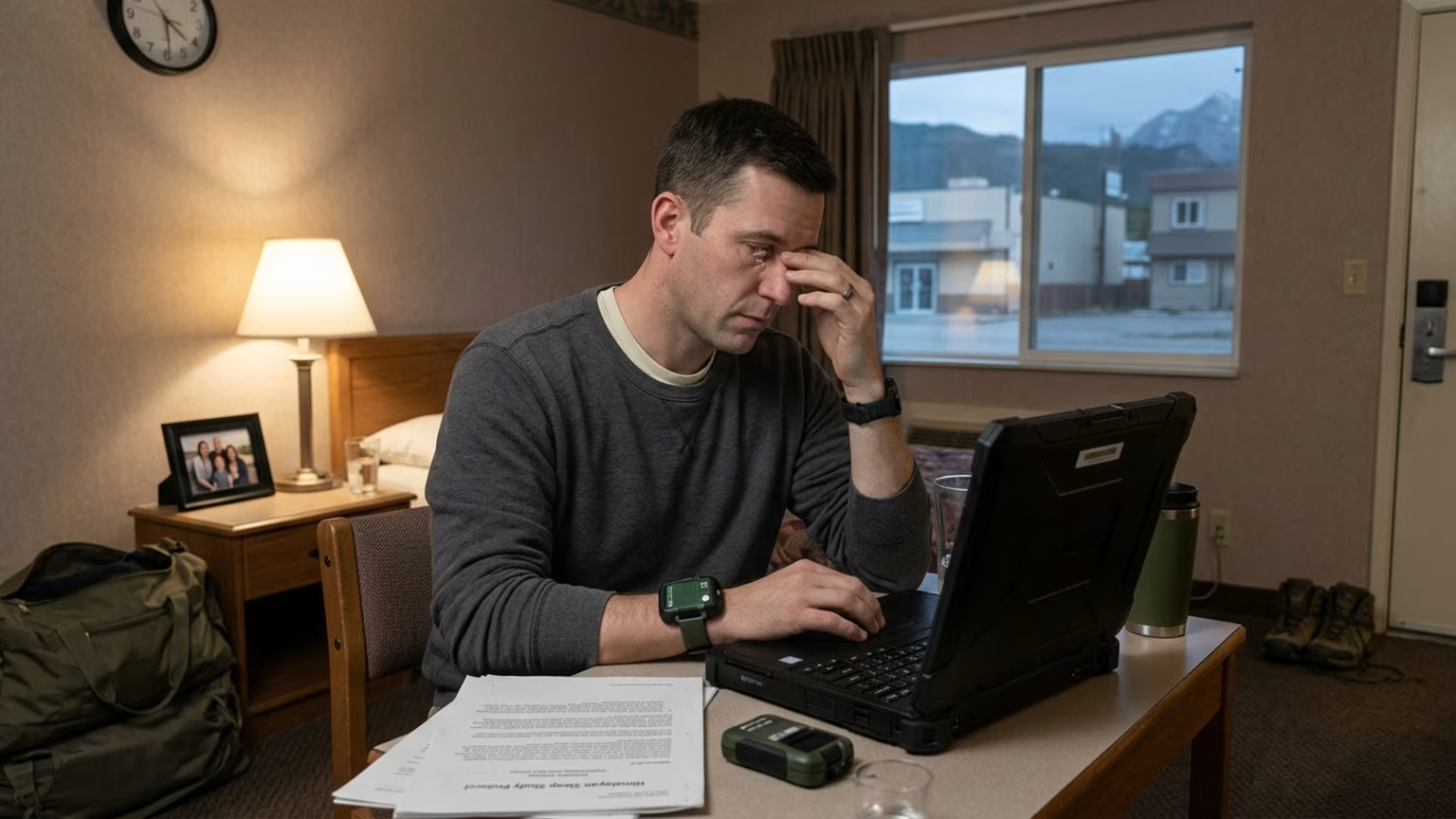
The Army deployed a sleep director to the Himalayas in 2026 to manage jet lag and altitude. Here is how formal sleep protocols support veteran recovery.


The VA is launching its new Electronic Health Record system in Anchorage amid congressional scrutiny over costs. Learn what this means for veteran care.

The Army's new Combat Field Test trial introduces a strict seven-event sequence. Learn how this assessment shifts military physical training and recovery.
Build better habits around strength, recovery, sleep, hormones and healthy aging with practical guidance for active military personnel and veterans.
Explore BattleVet