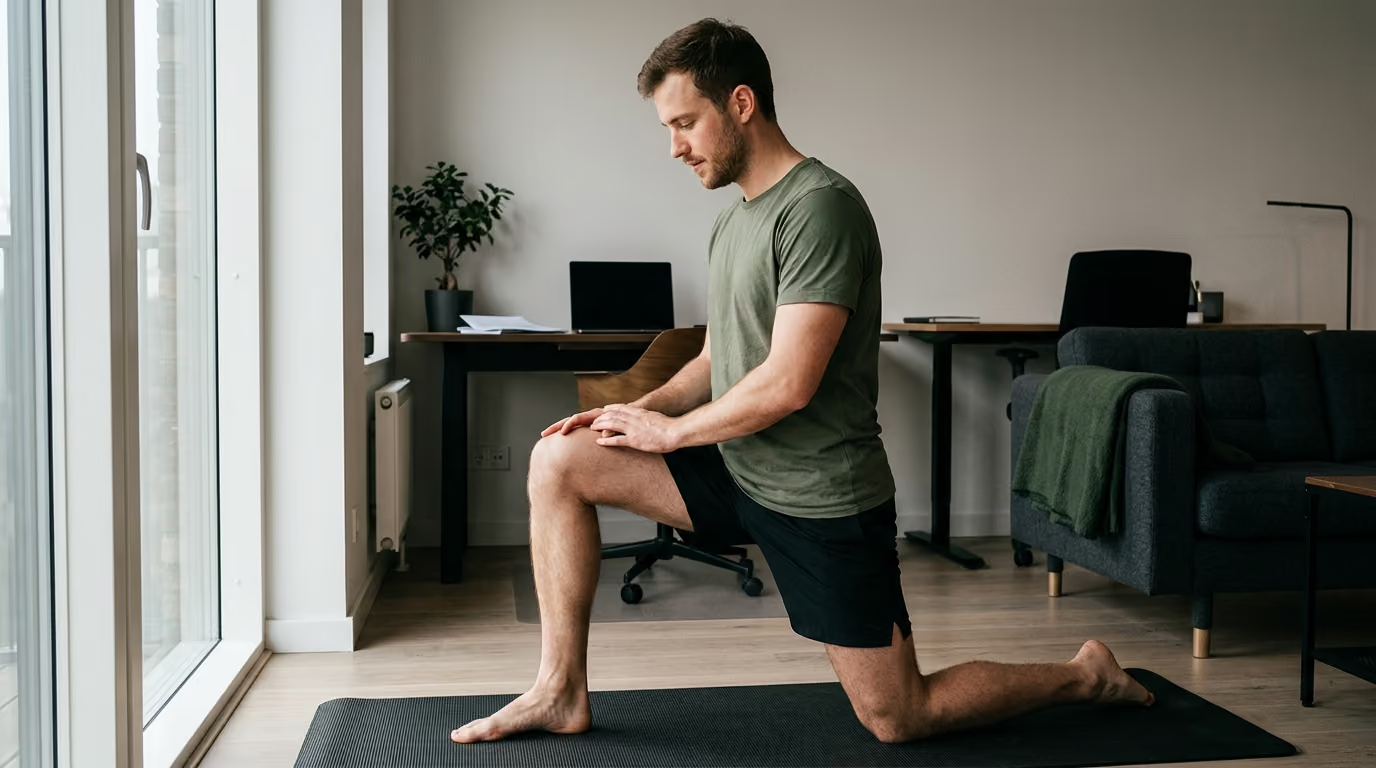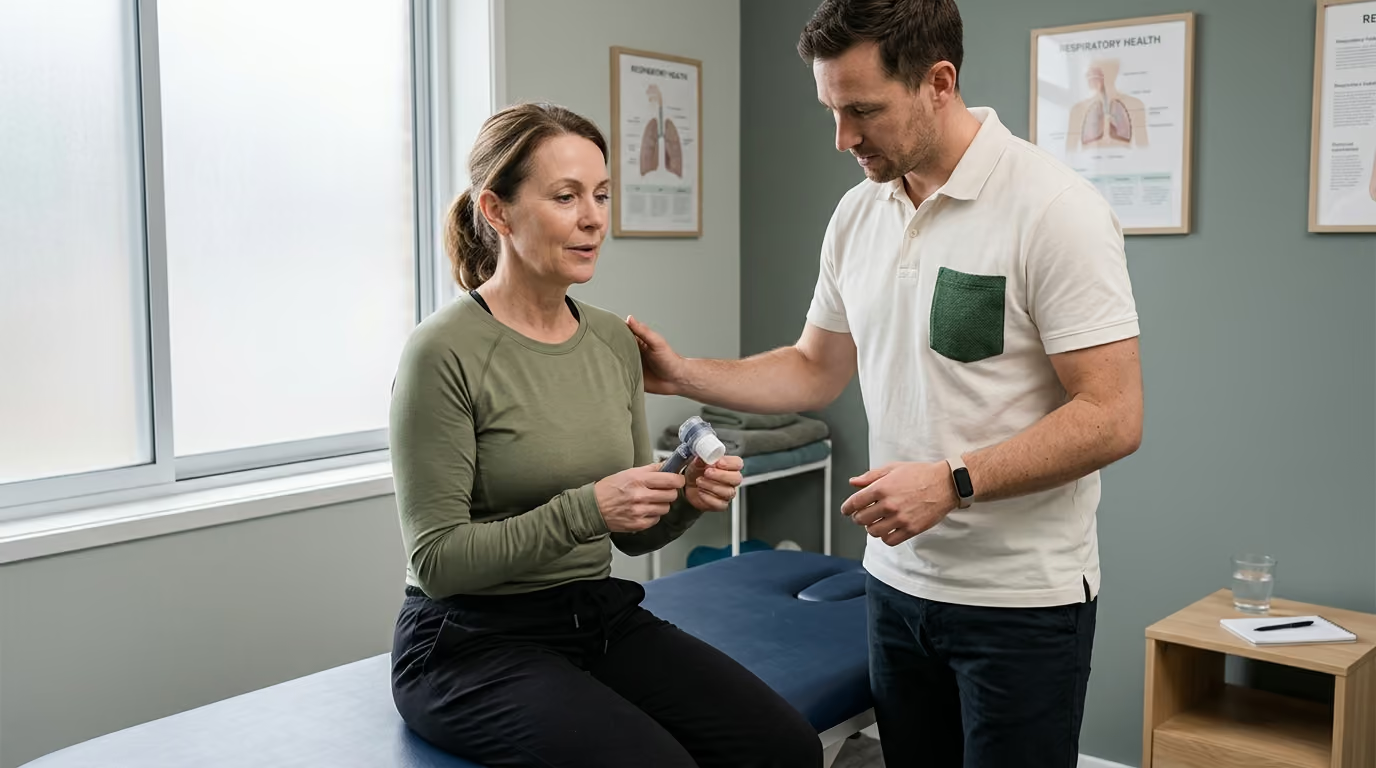

Climbing a flight of stairs leaves you winded because recovering your stamina requires rebuilding respiratory mechanics before pushing your cardiovascular limits.





Most people assume that regaining your breath after illness or prolonged inactivity requires pushing through the exhaustion until your lungs burn. Forcing your body to gasp for air during early recovery often backfires, reinforcing faulty breathing mechanics and extending your downtime. True recovery of exercise tolerance depends on restoring respiratory efficiency, pacing your cardiovascular system, and rebuilding physical capacity step by step.
Restoring exercise tolerance after illness, stress, or deconditioning requires a structured progression that balances breathing control with gradual aerobic and strength conditioning.
Breathlessness is a symptom with multiple potential causes, not a standalone illness. When you experience shortness of breath, the limitation can stem from the lungs, the heart, the vascular system, the nervous system, or deconditioned skeletal muscles. A safe recovery plan systematically rebuilds baseline movement, teaches efficient ventilatory mechanics, tracks delayed physiological responses, and identifies when medical intervention is necessary.
Breathlessness, known clinically as dyspnea, is a subjective experience of breathing discomfort. It occurs when the brain perceives an imbalance between the body's demand for oxygen and its ability to supply it. To rebuild physical capacity safely, you must understand what your symptoms represent.
Normal exertional breathlessness is the expected increase in ventilation that occurs during hard physical labor. When you run, ruck, or lift heavy weights, your muscles consume more oxygen and produce more carbon dioxide. Your respiratory rate increases naturally, and your breathing returns to resting levels within a few minutes of stopping.
Exercise intolerance is a reduced ability to sustain physical tasks due to disproportionate breathlessness, abnormal fatigue, or premature muscle failure. It often develops after acute respiratory infections, extended bed rest, or periods of high stress. In this state, everyday tasks such as carrying groceries or climbing stairs feel unusually taxing.
Persistent dyspnea refers to shortness of breath that continues well past the expected resolution of an acute illness. It can also appear during minor daily activities where breathing should remain effortless. Disproportionate dyspnea occurs when the level of breathlessness exceeds what would be expected for a given physical task or level of lung function.
Breathing pattern dysfunction involves inefficient mechanics that can persist long after an infection has cleared. Common signs include excessive upper chest movement, frequent sighing, mouth breathing at rest, and rapid, shallow respirations. Some individuals unconsciously hold their breath during movement, which spikes blood pressure and accelerates fatigue.
Deconditioning is the loss of cardiovascular capacity, metabolic efficiency, and muscular strength following prolonged inactivity. When skeletal muscles become deconditioned, they lose mitochondria and capillary density. This causes muscles to produce lactic acid earlier during physical effort, increasing carbon dioxide output and triggering heavy breathing even at low workloads.
These categories often overlap in real life. A person recovering from pneumonia may have residual airway inflammation, deconditioned leg muscles, altered breathing habits, and elevated baseline stress. Separating these factors prevents you from misinterpreting normal deconditioning as permanent damage or overlooking a genuine medical complication.
Physiological exercise tolerance relies on a five-part chain:
A breakdown at any link in this chain will cause breathlessness. For instance, airway narrowing reduces ventilation, while heart failure restricts circulation. Inactivity reduces muscle utilization efficiency, which makes normal daily tasks feel overwhelming.
Before attempting to increase your physical activity, you must verify that your symptoms do not indicate an unstable medical condition. Self-directed exercise progression is designed for gradual physical restoration, not for managing acute medical emergencies.
Cardiovascular and pulmonary emergencies can mimic severe physical fatigue. Conditions such as pulmonary embolism, acute coronary syndrome, heart failure, pneumothorax, and severe asthma exacerbations require immediate clinical evaluation. Research from major clinical health systems highlights several symptoms that demand emergency medical care.
Seek emergency medical attention if you experience any of the following symptoms:
Clinical pathways from organizations like NHS England emphasize that rapid symptom progression or a low resting oxygen saturation must be evaluated by a healthcare professional. A resting oxygen saturation below 95 percent on a standard pulse oximeter, or a drop during minimal movement, warrants clinical investigation.
Non-emergency symptoms can also indicate an underlying medical issue that needs diagnosis before you begin an exercise program. Schedule a non-emergency clinical appointment if your breathlessness worsens progressively over weeks, or if you wake at night struggling to catch your breath. Unexplained ankle swelling, persistent daily cough, wheezing, and recurring heart palpitations also require a formal medical assessment.
When evaluating your physical condition, healthcare providers typically examine your medical history, perform lung function testing, check an electrocardiogram, and review basic blood work. This diagnostic process rules out anemia, thyroid dysfunction, latent cardiac disease, and structural lung impairments. Once your clinical team confirms that you are stable, you can begin rebuilding your physical tolerance with confidence.
You can learn more about managing long-term physical capability across our military health articles and related medical guides.
Breathing retraining is the foundation of physical recovery. When recovering from illness or stress, people often adopt an upper-chest breathing pattern that uses accessory neck and shoulder muscles. This habit increases the energy cost of breathing and signals ongoing stress to the central nervous system.
Effective breathing exercises prioritize relaxation, rhythm, and coordination over maximal lung volume. You do not need to take the deepest breath possible. Instead, focus on smooth, quiet, and controlled ventilation that matches your metabolic demand.
Pursed-lip breathing is a practical technique used in pulmonary rehabilitation to manage breathlessness and maintain open airways. It creates back-pressure inside the bronchial airways during exhalation, preventing premature airway collapse and facilitating the release of trapped air.
Follow these steps to practice pursed-lip breathing:
The American Lung Association recommends making the exhalation at least twice as long as the inhalation. Avoid straining your abdominal muscles to empty your lungs completely. Use this technique during walking, climbing stairs, or when recovering after physical effort.
Diaphragmatic breathing, also known as belly breathing, restores the primary role of the diaphragm during rest and low-intensity activity. The diaphragm is a dome-shaped muscle located below the lungs that contracts downward during inhalation, expanding the lower rib cage and abdomen.
Follow these steps to perform diaphragmatic breathing:
Do not force the abdominal movement. The goal is coordination and ease rather than dramatic expansion. As your technique improves while seated, practice diaphragmatic breathing while standing and walking.
The World Health Organization outlines a useful strategy for coordinating respiration with physical work called breathing with effort. Many people hold their breath when lifting an object or stepping onto a higher surface. This breath-holding, known as the Valsalva maneuver, spikes intrathoracic pressure and causes premature fatigue.
To coordinate your breathing with physical tasks:
When experiencing acute breathlessness after physical effort, altering your body position can reduce the mechanical work required by your diaphragm. These positions allow your abdominal contents to shift downward, giving your diaphragm more room to contract.
The forward-leaning seated position is effective for recovery. Sit in a chair, lean your torso slightly forward from the hips, and rest your forearms on your thighs or on a table in front of you. Keep your neck relaxed and your shoulders dropped away from your ears.
The forward-leaning standing position works well when no seating is available. Stand facing a sturdy wall, railing, or counter. Lean forward slightly, place your hands or forearms on the surface, and support your upper body weight through your arms while practicing pursed-lip breathing.
Restoring exercise capacity is a progressive process that requires changing one training variable at a time. Jumping directly into intense interval training or heavy loading before your aerobic base has recovered increases the risk of setbacks.
The following five-phase framework provides a structured pathway from early recovery to functional fitness. Progress to the next phase only when your current activity is completed with stable breathing and no delayed symptom worsening.
The initial phase focuses on medical clearance, resting symptom reduction, and baseline health management. If you are recovering from a respiratory infection, your body requires adequate rest to clear residual inflammation and repair cellular tissue.
During this stage, keep physical exertion minimal. Focus on basic self-care, maintaining adequate hydration, eating balanced meals, and practicing five to ten minutes of diaphragmatic breathing daily. Monitor your resting heart rate and ensure you can perform basic household activities without severe breathlessness before moving forward.
Once resting breathlessness has stabilized, begin introducing low-demand movement to prevent joint stiffness and stimulate circulation. The goal is to move without causing significant ventilatory stress.
Suitable Phase 2 activities include:
Perform these light activities once or twice daily. Stop immediately if you feel lightheaded, develop chest tightness, or notice your breathing becoming erratic.
Phase 3 introduces continuous, low-intensity movement designed to recondition your cardiovascular system and peripheral muscles. Walking is the ideal modality because it is easily scalable and mimics daily functional demands.
Begin with interval walking on flat, predictable terrain:
In pulmonary rehabilitation programs, clinicians often use a 0 to 10 breathlessness rating scale. During Phase 3, aim to keep your exertion level around a 3 out of 10, which represents moderate breathlessness where you can still speak in full sentences. If your breathing becomes labored enough that you can only speak in broken phrases, reduce your walking speed.
Review our dedicated recovery and sleep resources to support tissue repair between training sessions.
When you can complete 15 minutes of interval walking without excessive fatigue or delayed breathlessness, transition to continuous aerobic conditioning. In this phase, you build the mitochondrial density and stroke volume needed for sustained physical tasks.
Progress your aerobic training using a systematic rule: increase only one variable at a time. First, increase the frequency of your walks from three days per week to four or five days. Next, extend the duration of your continuous walking sessions by two to three minutes each week until you can walk continuously for 30 minutes.
Only after you have achieved 30 minutes of continuous flat walking should you consider increasing walking speed, adding light inclines, or introducing a stationary bicycle. If you introduce hills or resistance, temporarily reduce your total session duration to manage the overall physiological workload.
Muscle weakness makes ordinary physical tasks feel harder. When your leg and core muscles are deconditioned, they require a higher percentage of your maximal strength to perform tasks like climbing stairs or carrying loads. This heightened demand increases oxygen consumption and breathing rate.
Incorporate basic bodyweight and resistance exercises two to three days per week:
Remember to coordinate your breathing with effort during every repetition. Inhale before starting the movement and exhale through pursed lips as you push, pull, or stand up. Never hold your breath during resistance training.
For comprehensive strength frameworks, explore our strength and fitness guides.
Scientific research provides clear insights into which interventions effectively restore exercise capacity and which methods remain unproven. Distinguishing robust clinical evidence from experimental practices ensures that you invest your time into strategies that deliver measurable results.
Pulmonary rehabilitation is among the most thoroughly researched and supported interventions in modern respiratory medicine. Guidelines from the American Thoracic Society and the European Respiratory Society strongly recommend pulmonary rehabilitation for adults with chronic obstructive pulmonary disease, interstitial lung disease, and persistent post-hospitalization respiratory deficits.
Pulmonary rehabilitation is not generic exercise advice. It is a comprehensive, individualized program combining supervised exercise training, breathing education, nutritional counseling, and behavioral support. Clinical trials consistently demonstrate that structured rehabilitation improves exercise capacity, reduces dyspnea perception, decreases hospital readmission rates, and enhances overall quality of life.
The 2023 American Thoracic Society clinical practice guideline strongly supports both center-based rehabilitation and telerehabilitation models. This means that structured, remotely monitored home programs can achieve clinical outcomes comparable to hospital-based programs for appropriate candidates.
Multiple meta-analyses have evaluated exercise training and respiratory rehabilitation for individuals recovering from viral respiratory illnesses, including COVID-19.
A meta-analysis published in respiratory medicine literature evaluated pulmonary rehabilitation after COVID-19 and identified a pooled improvement in the six-minute walk distance of approximately 50 meters compared to control groups. This improvement exceeded the threshold for a clinically meaningful difference in functional mobility.
A Bayesian meta-analysis analyzing 14 randomized clinical trials with 1,244 adults experiencing post-COVID conditions found moderate-certainty evidence that standardized rehabilitation improved functional exercise capacity. The analysis demonstrated a 99 percent posterior probability that structured rehabilitation was superior to standard care.
A comprehensive systematic review including 37 studies and 3,363 patients confirmed that multicomponent exercise programs lasting four to eight weeks produced significant improvements in physical capacity, lung function, fatigue scores, and quality of life. The research emphasized that combining breathing exercises with progressive aerobic and resistance training yielded far better outcomes than breathing exercises alone.
While breathing exercises like pursed-lip and diaphragmatic breathing are effective for symptom management, isolated breathing techniques do not rebuild cardiovascular endurance or muscular strength. Breathing control alters sensory perception and improves ventilatory coordination, but it cannot replace the systemic adaptations created by aerobic exercise.
Inspiratory muscle training involves using handheld devices that provide resistance when breathing in. Clinical guidelines from the British Thoracic Society state that inspiratory muscle training is not recommended as a routine addition to standard pulmonary rehabilitation. While it may benefit a small subset of patients with documented respiratory muscle weakness, it does not provide universal benefits for general deconditioning.
Invest your primary effort into consistent walking, functional strength training, and basic breathing mechanics rather than expensive breathing devices or unvalidated supplements.
Access additional evidence-led analyses across the BattleVet research library.
Measuring your functional progress helps you make informed adjustments to your training volume. Tracking objective and subjective markers prevents both undertraining and excessive overexertion.
You do not need specialized laboratory equipment to measure physical improvement. Standardized field tests and daily observations provide actionable data on your recovery trajectory.
The six-minute walk test is a standard outcome measure in clinical research. To perform an informal version at home, mark a flat, unobstructed walking path. Walk back and forth along the path for exactly six minutes at a steady pace that you can sustain safely, then measure the total distance covered. Record your distance every four weeks to evaluate your functional gains.
Other practical home assessments include:
Many individuals make predictable errors when trying to regain their physical conditioning. Recognizing these pitfalls helps maintain steady, uninterrupted progress.
Do not adopt the mentality that more breathlessness leads to faster recovery. Severe breathlessness during training indicates that the current workload exceeds your ventilatory or cardiovascular capacity. Exercising at an unsustainable intensity causes poor movement mechanics, increases stress hormones, and extends the time needed to recover.
Avoid forcing maximal inhalations. When people feel short of breath, their natural instinct is to suck in as much air as possible. Repeatedly forcing your lungs to maximum capacity can cause hyperventilation, lightheadedness, and muscle tension across the neck and chest. Focus on smooth, relaxed inhalations followed by controlled, extended exhalations.
Never assume that persistent breathlessness is merely anxiety. Psychological stress and anxiety can worsen respiratory symptoms, but they should never be treated as the sole cause until comprehensive cardiopulmonary evaluations have ruled out medical conditions.
Do not rely entirely on a pulse oximeter reading to determine safety. A normal resting oxygen reading of 98 percent does not rule out asthma, cardiac dysfunction, anemia, or breathing pattern disorders. Pay attention to how your entire body feels and responds, rather than focusing solely on a single device metric.
Certain recovery scenarios require specialized approaches. A generic exercise progression may be inappropriate if you experience specific underlying conditions or atypical symptom patterns.
Some individuals recovering from viral illnesses experience a phenomenon known as post-exertional symptom exacerbation. In this condition, physical or cognitive effort triggers a disproportionate flare-up of severe fatigue, brain fog, widespread pain, and breathlessness 12 to 48 hours after the activity.
If you notice that moderate physical effort leaves you bedridden or severely fatigued the following day, standard graded exercise must be paused. In these cases, pushing through the fatigue can cause long-term setbacks.
Manage post-exertional exacerbation by establishing an energy baseline. Break daily tasks into small, manageable segments, avoid pushing into exhaustion, and incorporate frequent rest breaks throughout the day. Seek clinical guidance from a healthcare provider experienced in post-viral illness management.
You can read more about balancing physical load and central nervous system recovery in our stress and resilience guides.
Prolonged bed rest or viral illness can disrupt the autonomic nervous system, leading to orthostatic intolerance or postural orthostatic tachycardia syndrome. In these conditions, standing up causes an abnormal spike in heart rate, dizziness, lightheadedness, and breathlessness.
If your heart rate races uncontrollably when you stand, prioritize recumbent and seated exercises during early recovery:
Individuals with a history of asthma may experience exercise-induced bronchospasm, where the airways narrow in response to increased ventilation, dry air, or cold temperatures. Symptoms include wheezing, chest tightness, coughing, and sudden breathlessness during or shortly after exertion.
Always use your prescribed preventer medications as directed by your physician. Perform an extended, low-intensity warm-up of at least 10 to 15 minutes to allow your airways to adapt to increased airflow. During cold weather, exercise indoors or wear a breathable neck gaiter over your nose and mouth to warm and humidify the air you inhale.
Explore our broader collection of physical training articles for further conditioning principles.
This comprehensive guide is designed for educational purposes and should not replace individualized medical advice, clinical diagnosis, or supervised therapy. Every person possesses a unique health profile, baseline fitness level, and medical history.
Before beginning any new exercise program or making substantial changes to your physical routine, consult a qualified healthcare professional. Seek an individualized medical evaluation if you have a history of cardiopulmonary disease, take prescription medications, or experience persistent symptoms. A physician or licensed physical therapist can evaluate your specific exercise tolerance and provide personalized exercise targets.
Recovery timelines vary based on illness severity, previous physical conditioning, age, and individual health factors. For an uncomplicated respiratory infection, exercise tolerance often improves within two to six weeks of progressive, low-intensity activity. Recovery following severe pneumonia, prolonged hospitalization, or post-viral syndromes can take three to six months or longer. Focus on consistent, gradual progress rather than adhering to an arbitrary timeline.
A mild, dry cough can persist for several weeks after an airway infection due to temporary bronchial hypersensitivity. If your resting breathing is comfortable, your energy is stable, and you have no fever or chest pain, gentle walking and light mobility exercises are generally appropriate. However, if physical activity triggers severe coughing spasms, wheezing, or chest tightness, reduce the intensity and consult your physician.
When you spend weeks inactive, your leg muscles undergo rapid deconditioning. They lose capillary density and mitochondrial capacity, reducing their ability to extract and use oxygen efficiently. As a result, your leg muscles produce lactic acid and tire out quickly, sending fatigue signals to your brain before your cardiovascular system reaches its maximum capacity. Progressive walking and basic bodyweight resistance training will rebuild local muscular endurance.
Breathing exercises improve ventilatory coordination, reduce dyspnea perception, and help manage physiological stress, but they cannot restore full cardiovascular or muscular fitness. To regain exercise tolerance, you must combine breathing control with progressive aerobic conditioning and functional resistance training. Breathing exercises support your physical recovery, but they are only one component of a comprehensive rehabilitation framework.
Rebuilding exercise tolerance requires patience, consistent daily habits, and an objective approach to physical conditioning.
Follow BattleVet for practical guidance on military and veteran health, strength, recovery, testosterone, sleep and healthy aging. Stay connected for new articles, research backed insights and clear information to help you stay capable for the years ahead.


Build better habits around strength, recovery, sleep, hormones and healthy aging with practical guidance for active military personnel and veterans.
Explore BattleVet