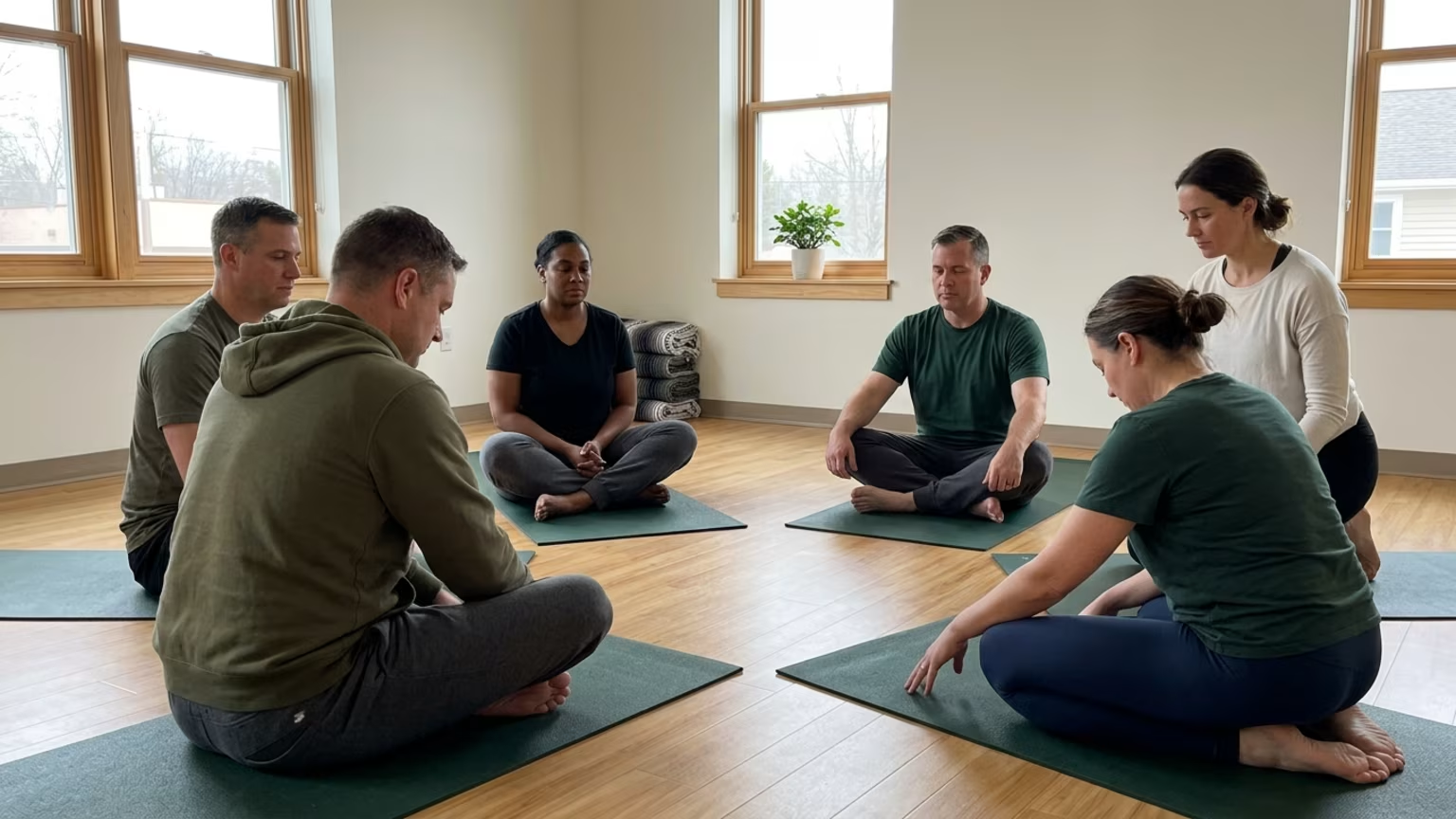

A recent KRDO feature and clinical research highlight trauma-sensitive yoga as a practical tool for veterans managing PTSD and stress recovery.





If you or a veteran you know is in crisis, help is available. Call 911 for immediate danger, dial 988 and press 1 for the Veterans Crisis Line, or text 838255.
In September 2026, a KRDO feature highlighted how trauma-sensitive yoga helps veterans manage severe stress. The report profiled Lance Gillenwater, a former Air Force medic. Gillenwater stated that his military service contributed to debilitating PTSD. He received a 100% PTSD diagnosis about 10 years before the story was published.
The article noted that he spent approximately five years at the bottom before recognizing that he needed help. A commander eventually recommended yoga and breathing exercises as coping tools. Gillenwater said he had previously taken only one yoga class. He described himself as a runner and swimmer before finding that slowing down helped him function.
After benefiting from the practice, he became a trauma-informed yoga instructor with Comeback Yoga. According to KRDO, the organization offers classes twice a week at the Mt. Carmel Veterans Service Center in Colorado Springs. KRDO also reported that just shy of a quarter of military service members experience PTSD at some point. The news outlet attributed this estimate to the Armed Forces Benefit Association.
The feature presented yoga as a body-based practice focused on breathing and nervous-system regulation rather than athletic performance. Gillenwater explained that participants practice responding calmly to manageable stressors in the class environment. His central message is that slowing down can help people learn a different response to stress. He described the classes as allowing participants to expose their bodies to manageable stressors safely.
This framing aligns with a trauma-sensitive approach emphasizing choice and present-moment awareness. The Colorado Springs example shows exactly how yoga can be delivered through a veteran service center directly.
This coverage highlights a practical shift in how military personnel approach symptom management. Many veterans view physical training purely as a test of endurance or strength. However, aggressive workouts do not always support long-term nervous system recovery. Trauma-sensitive yoga provides an alternative that focuses on internal awareness and controlled movement.
In our experience at BattleVet, shifting from intensity to restoration is a necessary step. I remember waking up after a poor night of sleep and realizing that my training recovery was taking much longer than it used to. I realized that readiness is more than just pushing through the fatigue. It requires a dedicated approach to sleep and hormonal health, which completely shifted how I view long term capability.
Trauma-informed yoga operates on a similar principle of active restoration. Programs are designed around safety, choice, present-moment awareness, and physical movement. Instructors understand that a military health focus requires more than just standard flexibility work. Participants are taught to monitor their internal state and apply deliberate breathing techniques to reduce excess stimulation.
Gillenwater's description of yoga as a subtractive process offers a useful perspective for military audiences. These groups often associate fitness exclusively with intensity or performance. In this context, yoga deliberately reduces excess stimulation and increases awareness of internal responses. This allows veterans to build physical resilience without the pressure of a competitive fitness environment.
This matters because standard PTSD treatments require a high level of sustained engagement. Dropping out of traditional clinical therapy is a common challenge for many veterans. Offering a physical, movement-based entry point can help individuals stay involved in their own care. The focus shifts from talking about trauma to safely inhabiting the body.
Recent research provides a clearer picture of how trauma-sensitive yoga compares to conventional therapies. A 2026 review in Frontiers in Psychiatry offered important clinical context. The review reported statistically equivalent outcomes between Trauma Center Trauma-Sensitive Yoga and cognitive processing therapy in a fully powered trial. That trial focused on military-sexual-trauma-related PTSD.
Both groups saw significant PTSD reductions during the evaluation period. That review reported higher completion in the trauma-sensitive-yoga group than in the cognitive-processing-therapy group in the latter trial. The completion rate was 65.3% for the yoga group versus 45.8% for the therapy group. The review also noted that some studies report stronger effects on self-reported symptoms than on clinician-rated outcomes.
This distinction matters because subjective improvement can be meaningful to a veteran’s daily life. However, subjective improvement is not identical to a clinician-confirmed reduction or remission of PTSD. The evidence base remains limited by modest samples, differing interventions, and risk of bias. The available research does not establish yoga as a universal replacement for trauma-focused psychotherapy.
A separate systematic review found that early results were promising and suggested an inverse relationship between regular exercise and PTSD symptoms. That review noted the long-term effect of exercise on PTSD remains unclear. The research lacks a common focus and still carries methodological limitations. These findings support yoga as a potential adjunct treatment rather than a standalone cure.
The evidence shows that trauma-sensitive yoga is a viable complement to established medical care. Veterans should treat these classes as a practical tool for recovery and sleep rather than a replacement for professional assessment. If symptoms are severe, individuals must seek proper clinical support immediately. Yoga is a supportive practice for managing daily distress.
When looking for a program, veterans should prioritize trauma-sensitive instruction over standard commercial fitness classes. A trauma-informed program emphasizes safety and present-moment awareness rather than complex poses. Prospective participants should ask if an instructor has specific training in trauma-informed care. This ensures the environment will support sleep, stress and resilience regulation instead of causing additional stress.
Pacing is much more important than physical performance. In the KRDO feature, Gillenwater stressed that breathing is the actual point of the class. Veterans should enter these sessions with a focus on slowing down rather than competing. This approach helps individuals who might be uncomfortable in highly competitive gym environments.
Veterans should also look for community-based access models in their area. Comeback Yoga provides classes at a dedicated veteran service center in Colorado Springs. Local VA facilities and veteran support networks often host comparable programs. These organizations usually understand the specific needs of former service members better than general public studios.
Tracking personal progress is also critical for veteran life improvements. Participants should monitor whether their daily functioning and distress tolerance are actually improving over time. The studies summarized by Frontiers in Psychiatry assessed specific PTSD outcomes alongside treatment completion. Veterans should actively discuss any symptom changes or ongoing concerns with a qualified clinician.
As alternative therapies gain traction, the integration of body-based practices with clinical care is becoming more prominent. Will standard health protocols eventually mandate trauma-informed movement programs alongside traditional psychotherapy for all veterans?
Follow BattleVet for practical guidance on military and veteran health, strength, recovery, testosterone, sleep and healthy aging. Stay connected for new articles, research backed insights and clear information to help you stay capable for the years ahead.


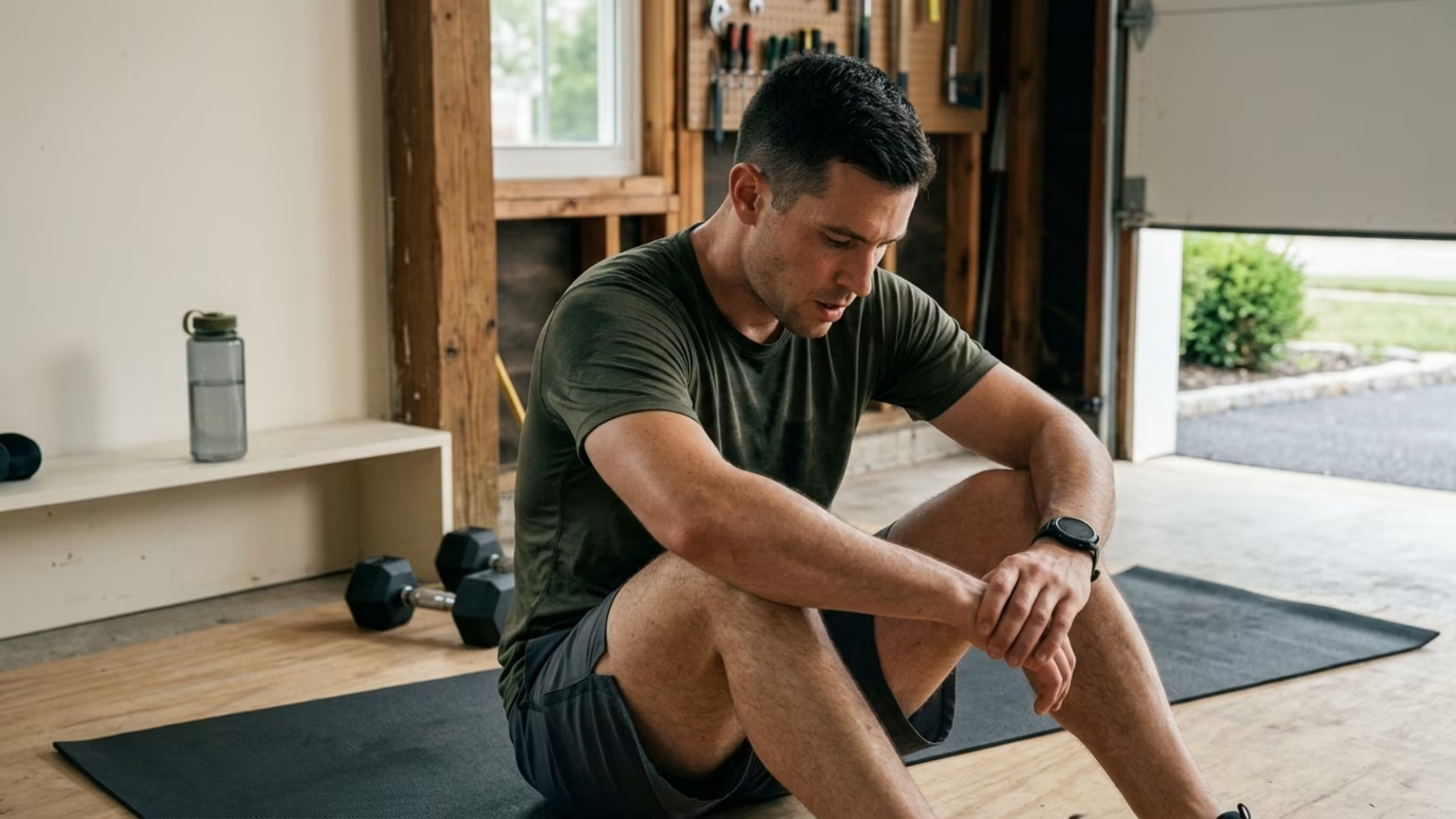
Men’s Journal recently published a 15-minute military core circuit. Discover how this bodyweight routine fits into broader functional readiness and recovery.


Open Arms offers Australian veterans free counselling for sleep disturbance and stress. Read how new pilot programs and DVA funding support long term health.
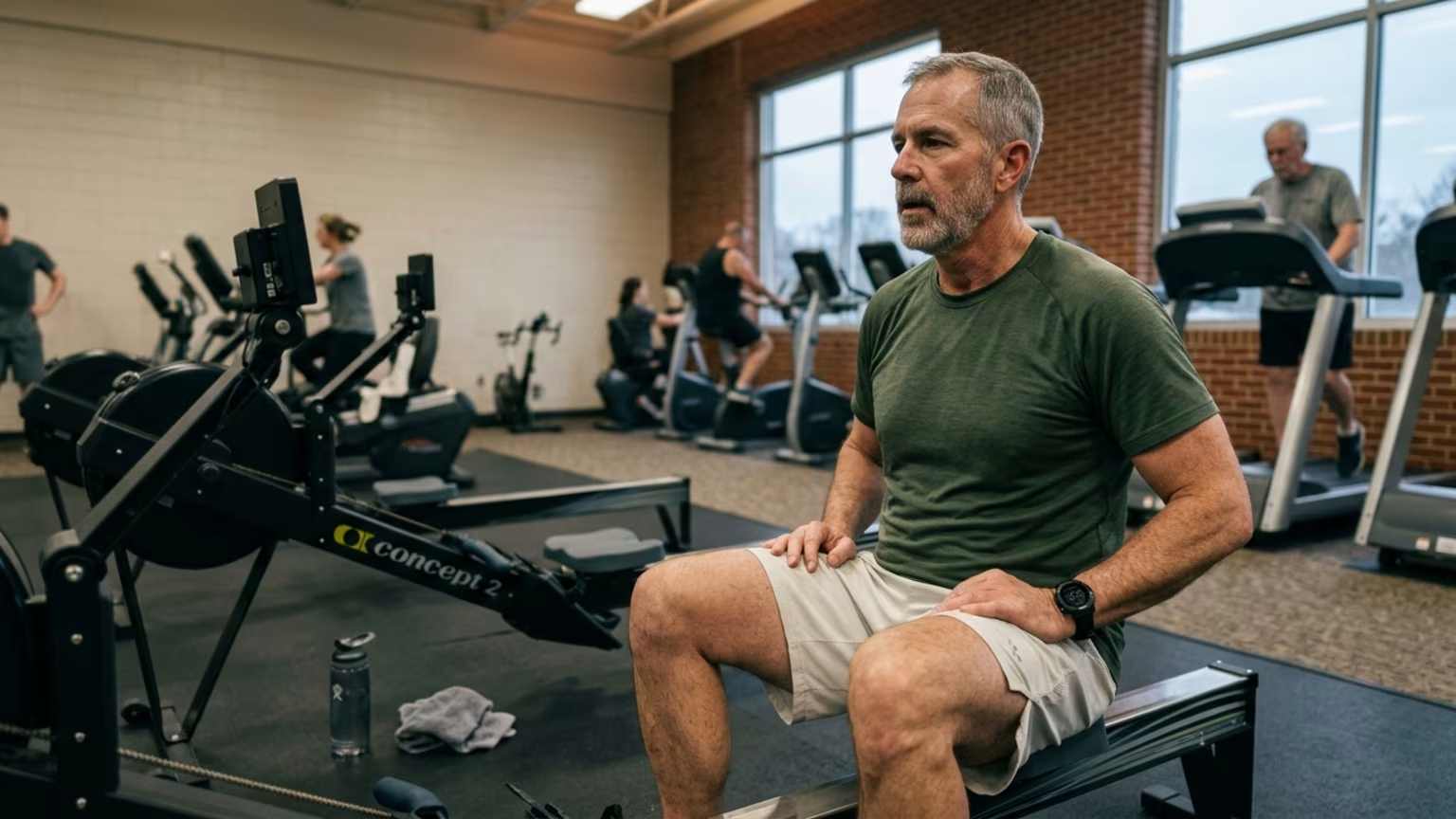
A 2026 GeroScience study associates lifelong aerobic exercise with higher vitality capacity in older adults. Learn what this research means for veteran health.
Build better habits around strength, recovery, sleep, hormones and healthy aging with practical guidance for active military personnel and veterans.
Explore BattleVet