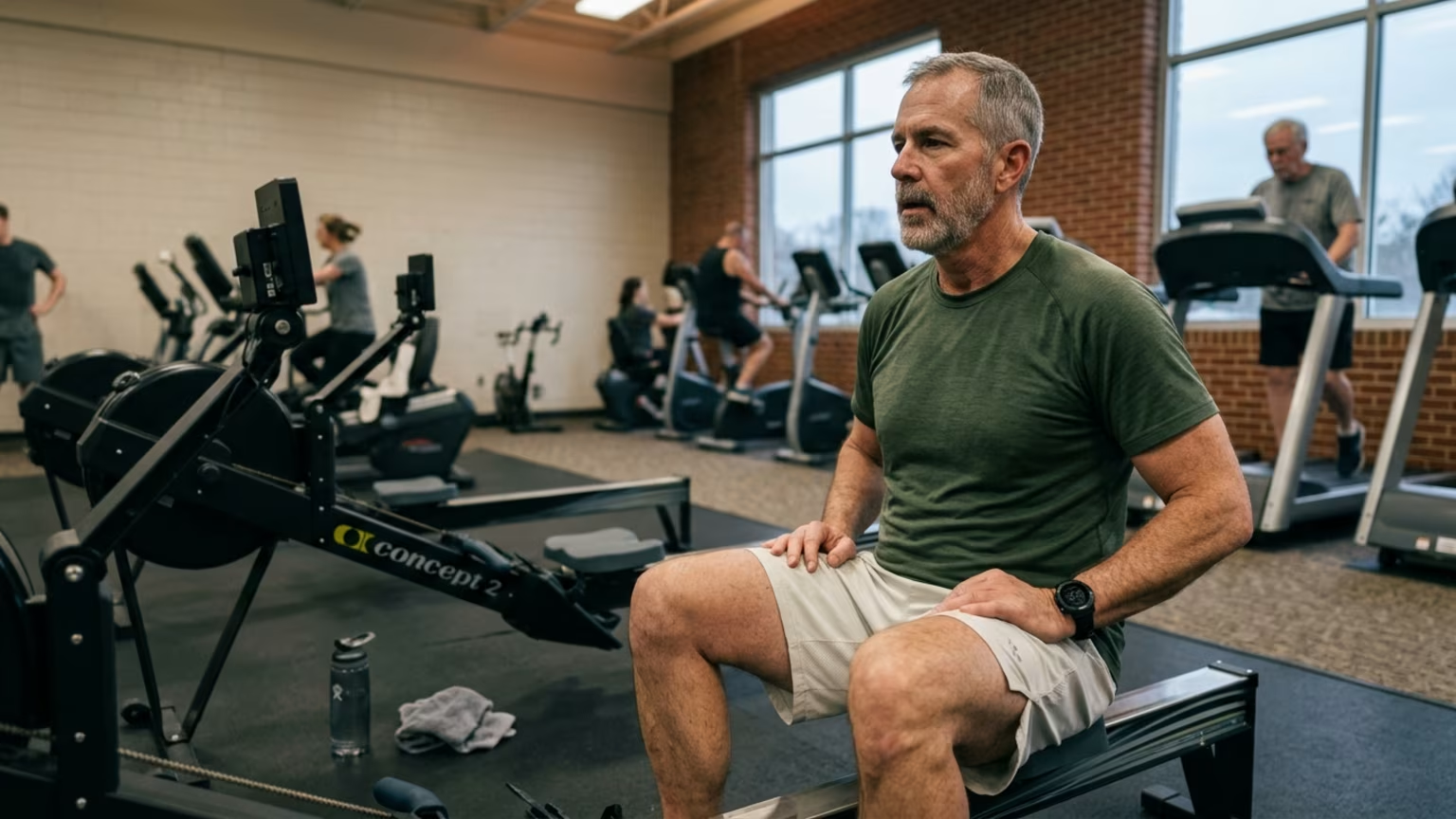

A 2026 GeroScience study associates lifelong aerobic exercise with higher vitality capacity in older adults. Learn what this research means for veteran health.





In September 2026, researchers published new findings in GeroScience regarding physical activity and aging. The study found that lifelong aerobic activity was associated with higher vitality capacity in older adults. This association was particularly clear in measures related to immune and stress responses. Researchers combined multiple physical metrics to assess how well the body maintains physiological reserve as it ages.
Service members often measure health through visible physical strength and endurance during their active years. However, long-term health also requires the internal ability to recover from physical stress and illness. The GeroScience study focused on physiological reserve rather than just mortality. This specific capacity helps distinguish healthier aging from pathological aging.
For a veteran audience, the implications of maintaining a physiological buffer are highly practical. Resilience is not limited to how much weight you can carry or how fast you can run. It includes your body's ability to regulate its heart rate and maintain oxygen levels under physical stress. A well-regulated physiological system provides a necessary foundation for long-term capability.
BattleVet provides research-backed guidance on maintaining physical readiness to help readers make informed decisions about these underlying systems. In our experience, readiness requires a much broader view than just pushing through daily fatigue. I remember waking up after a poor night of sleep and realizing that my training recovery was taking much longer than it used to. I realized that readiness requires a dedicated approach to sleep and hormonal health, which completely shifted how I view long-term capability.
The research involved approximately 40 healthy adults in Nice, France. The participants had an average age of about 64. Nearly half of this group had performed aerobic exercise at least three times per week for approximately 30 years. The comparison group reported no regular sport and no more than 75 minutes of weekly physical activity.
The lifelong-active participants completed at least 2.5 hours of moderate exercise each week. Some participants completed an equivalent amount of vigorous activity instead. The researchers combined 12 separate health measures into a single vitality score. This score included metrics like blood markers, heart rhythm, blood-oxygen levels and lung function.
The clearest differences between the two groups involved heart-rate variability and resting blood-oxygen saturation. Average blood-oxygen saturation was 96.8 percent among active participants. This compared favorably with an average of 94.8 percent among the inactive participants. Heart-rate variability averaged 49.9 milliseconds in the active group and 27.2 milliseconds in the inactive group.
Heart-rate variability serves as a key indicator of how efficiently your nervous system recovers from physical exertion. A higher measurement generally suggests that the body can adapt to stress quickly and return to a stable resting state. Blood-oxygen saturation measures how efficiently your lungs and circulatory system deliver oxygen throughout your body. The significant gaps in these two specific metrics drove the researchers' conclusions about improved vitality capacity.
Interestingly, the study found no clear difference in several other foundational physical measures. The researchers reported no stark differences in grip strength, knee strength, lung function or inflammatory molecules. They concluded that lifelong aerobic physical activity is associated with higher vitality capacity in older adults. They noted this association was particularly strong within the immune and stress response domain.
The absence of significant differences in muscle strength highlights a crucial reality about human physiology. Aerobic exercise conditions the heart and lungs effectively, but it does not build heavy muscle tissue. Aging naturally reduces muscle mass over time unless you actively challenge those tissues with resistance work. This is why a balanced approach to fitness is always superior to relying on a single training method.
It is important to understand the specific limits of these numerical findings before changing your routine. The researchers described their work as small and exploratory. They clearly called for further studies to validate vitality capacity as a recognized clinical measure. Because the study was observational, it cannot prove that decades of aerobic exercise directly caused the higher scores.
The participant group was predominantly healthy, older and white. This demographic makeup limits how confidently the findings can be generalized to a much broader population. It remains uncertain if the results apply directly to injured service members or veterans with deployment-related health conditions. Other factors like diet, sleep habits and genetics could also explain the observed differences.
These numbers provide a snapshot of group averages rather than individual diagnostic targets. A veteran should not infer that a specific oxygen-saturation or heart-rate-variability value proves superior overall health. The results simply show a strong association between consistent aerobic activity and better physiological reserve over time.
The GeroScience findings strongly reinforce current public health recommendations regarding consistent and moderate exercise. The Centers for Disease Control and Prevention recommends that adults aim for at least 150 minutes of moderate-intensity activity per week. Alternatively, adults can target 75 minutes of vigorous-intensity activity weekly. This guidance includes adjusting both intensity and duration for age, health status and physical limitations.
The Centers for Disease Control and Prevention guidance provides a practical framework for achieving these weekly activity targets. Spacing the recommended 150 minutes of moderate activity across several days can make the goal much more manageable. This regular frequency ensures that the cardiovascular system receives consistent stimulation throughout the entire week. A steady routine is often easier to maintain than trying to fit all physical activity into a single weekend.
Consistency is the primary functional lesson from this observational study. The active participants maintained their aerobic habits for approximately 30 years. Building a sustainable habit is far more valuable than chasing short bursts of extreme physical training. Veterans should choose activities that can survive changes in duty station, injury status and civilian retirement.
Aerobic work should never replace other essential forms of physical training and restorative care. The study showed no notable difference between the groups in muscle function or energy and metabolism. This nuance argues heavily against viewing aerobic exercise as a complete solution for aging. Maintaining overall capability requires pairing aerobic work with resistance training, mobility exercises and strategies for long-term physical preservation.
The Centers for Disease Control and Prevention also notes additional benefits of regular physical activity for older adults. Staying physically active may strengthen antibody responses after some vaccines. While this guidance is a general observation, it highlights the broad value of physical readiness. Veterans managing chronic pain or physical disability should always consult a clinician to find suitable exercise options.
The practical objective for veterans is preserving the capacity to participate fully in daily life. This means maintaining the ability to walk, climb, carry and manage stress over the long term. Focusing purely on extending lifespan often misses the importance of functional capability and daily independence. Consistent aerobic exercise supports the underlying physiological systems that make this daily function possible.
Starting an exercise routine does not require a complex or highly expensive program. Activities like walking, swimming, cycling and running are excellent ways to build necessary aerobic capacity. Veterans can adapt these simple activities to fit their current physical abilities and available resources. Scaling your training to match your current health status is critical for preserving muscle mass and physical capacity without risking injury.
It is completely normal for training preferences to evolve as you age. The aerobic activities that worked during active duty might not be suitable for a veteran managing joint pain. The key is finding a sustainable replacement rather than abandoning cardiovascular work entirely. Transitioning from high-impact running to steady swimming or cycling still provides the necessary physiological stimulus.
This adaptability is a core component of long-term physical resilience. An injury that prevents you from lifting heavy weights does not have to stop your aerobic progression. Maintaining a baseline of cardiovascular fitness helps preserve your physiological reserve during periods of restricted mobility. This steady approach ensures you retain a strong foundation for future recovery.
While the study observed individuals who trained for 30 years, veterans of any age can benefit from sustained movement. The research supports the value of long-term aerobic activity as a strong association for better health. It does not establish a rigid, study-proven prescription that must be followed perfectly every single week. You can safely use established activity benchmarks as a reasonable starting point to build a reliable routine.
The concept of vitality capacity offers a highly promising framework for understanding how the human body ages under stress. As scientists explore the clinical links between lifelong exercise and physiological resilience, the research focus will likely shift toward more diverse populations. How will future studies adapt these vitality measures to better serve veterans managing service-connected disabilities and complex chronic conditions?
Follow BattleVet for practical guidance on military and veteran health, strength, recovery, testosterone, sleep and healthy aging. Stay connected for new articles, research backed insights and clear information to help you stay capable for the years ahead.


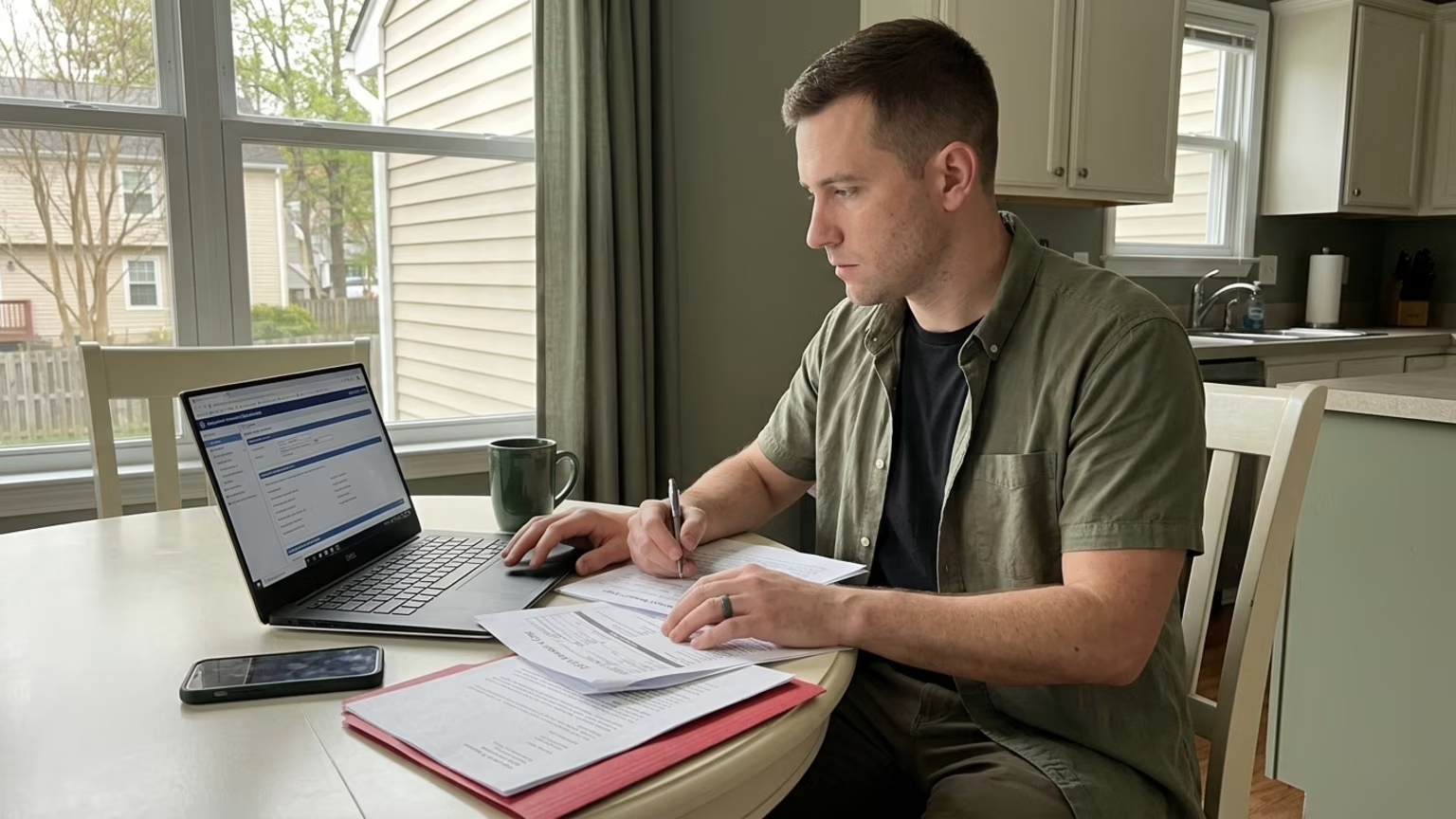
The September 8 executive order aims to improve military records sharing and transition benefits. Learn how these updates impact separating service members.

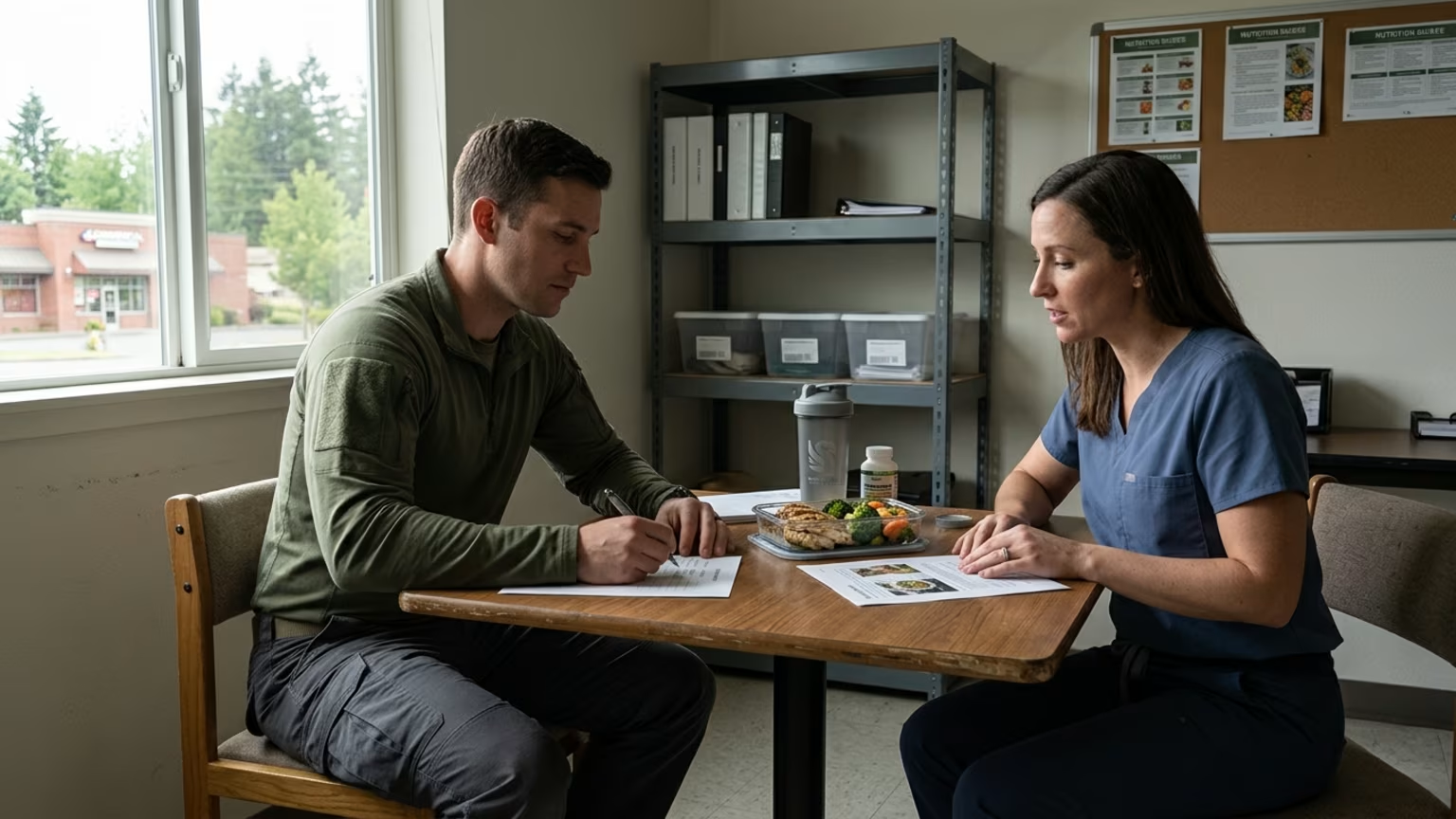
U.S. Special Operations Command awarded a contract for a nutrition platform connecting tactical troops with dietitians. We examine the operational impact.
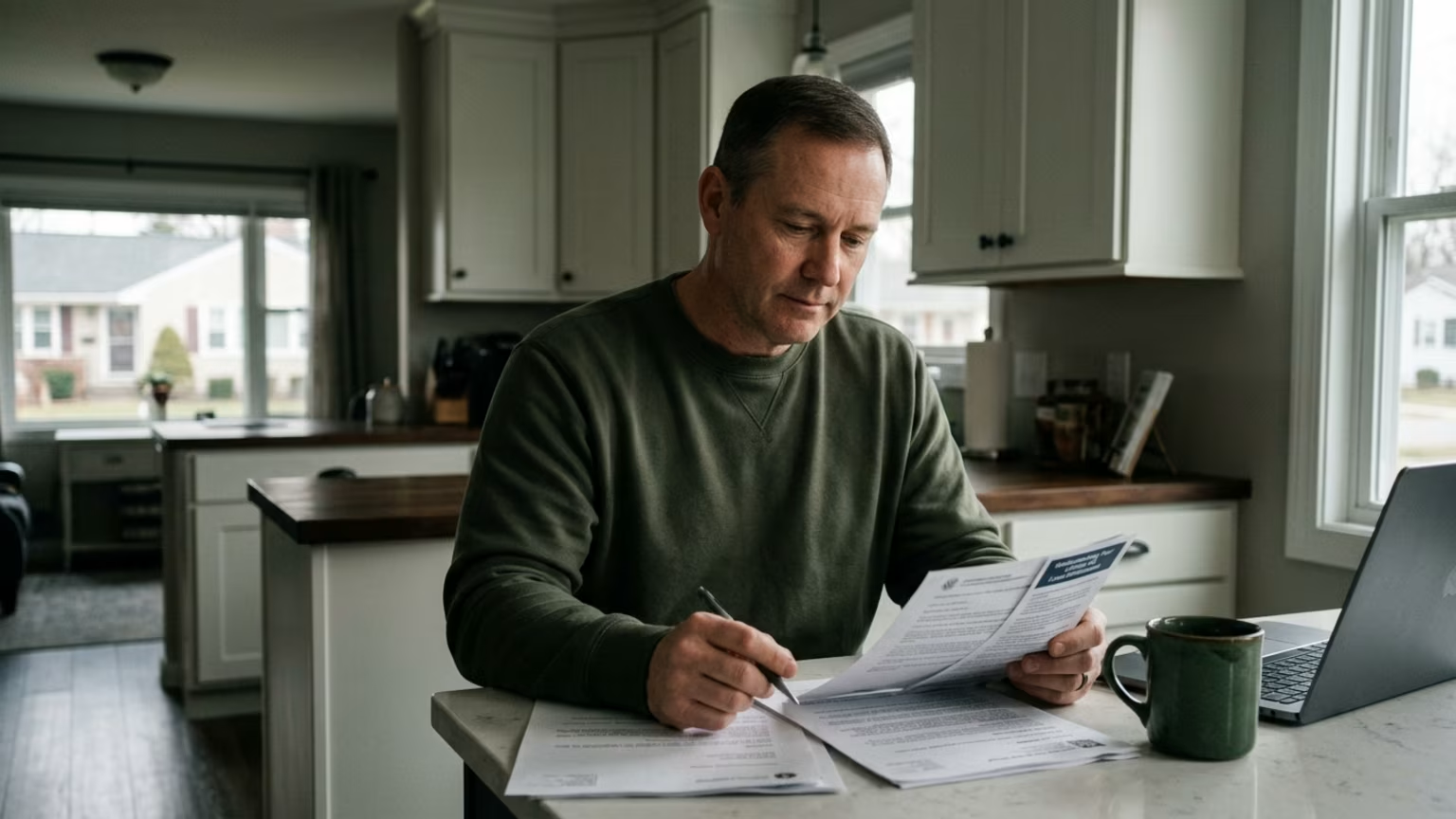
A breakdown of the September 2026 VA explainer confirming the VA-guaranteed home loan is a lifetime benefit that veterans can use more than once.
Build better habits around strength, recovery, sleep, hormones and healthy aging with practical guidance for active military personnel and veterans.
Explore BattleVet