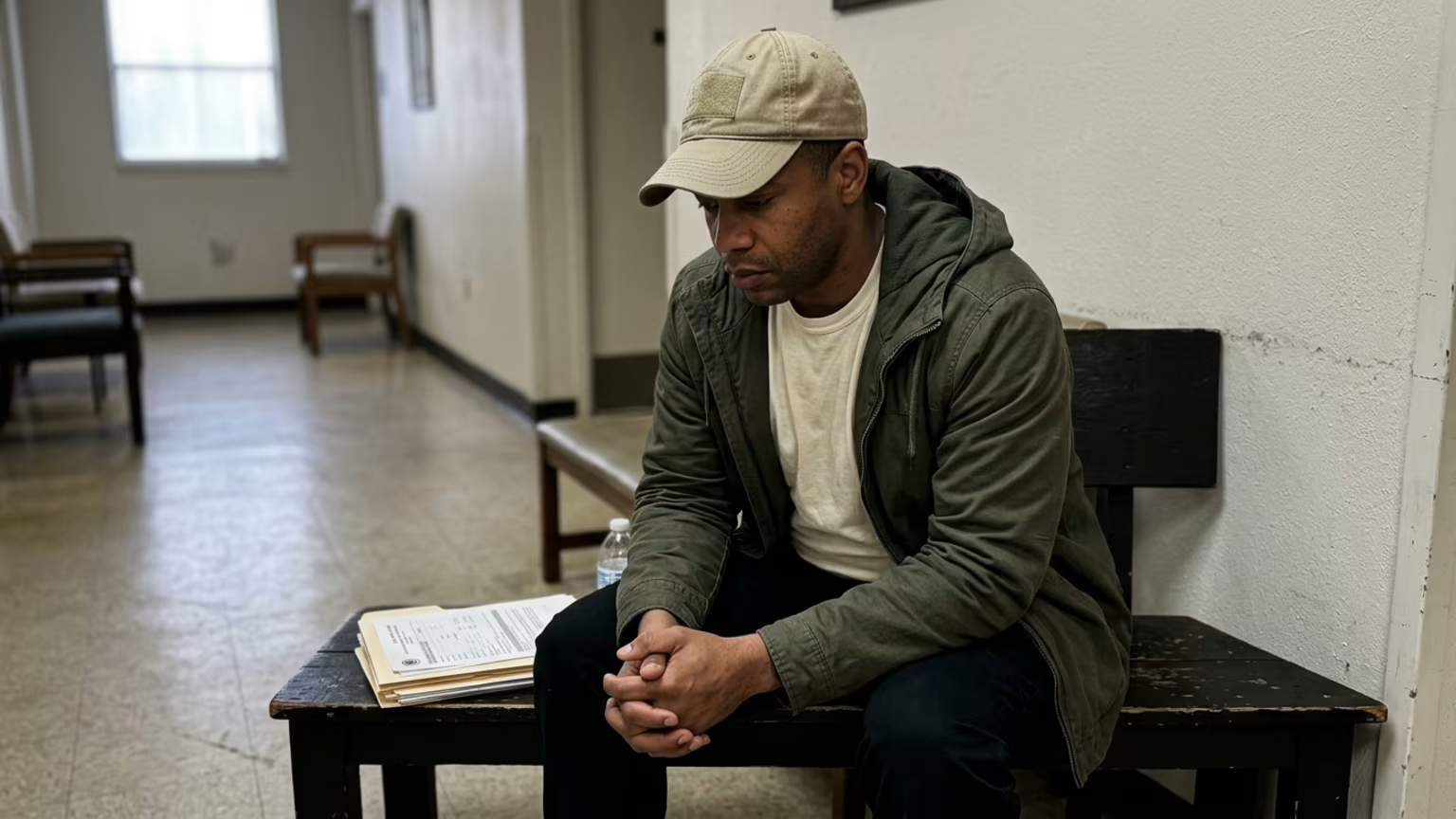

Learn how to recognize early signs of distress after military service. Find practical ways to manage mental health, utilize peer support, and access professional care.





If you are in immediate danger, call 911. For 24/7 support, call or text 988 and press 1 for the Veterans Crisis Line, or text 838255.
A 2025 to 2026 survey from the Department of Veterans Affairs and Yale reported that 13.4% of veterans experienced suicidal thoughts during the previous two weeks. A squad leader retires and moves to a quiet civilian neighborhood. He starts sleeping poorly and withdrawing from his family. His changing behavior is a common reaction to a major life transition rather than an immediate medical diagnosis.
Transitioning from military service brings changes to daily routines, social circles, and personal identity. These shifts can affect sleep and mood without automatically establishing a mental health condition. Recognizing early problems helps veterans maintain their capability before symptoms become severe. This guide provides clear information on identifying warning signs and accessing professional care.
Examining population data reveals significant gaps in treatment for former service members. The same 2025 to 2026 VA and Yale study estimated that 2.3 million to 2.4 million U.S. veterans experienced recent suicidal thoughts. Despite this high number, fewer than 37% of veterans who reported recent suicidal thoughts were receiving mental health care. This statistic highlights a severe gap between those experiencing distress and those getting clinical support.
Civilian data provides helpful context for understanding these national trends. The Substance Abuse and Mental Health Services Administration reported results from its 2025 national survey. That survey found that 20.6% of U.S. adults had any mental illness during the past year. Furthermore, the survey found that 6.9% of adults had a serious mental illness, which establishes a baseline for general population health.
Civilian figures should never be used as exact veteran estimates. However, the 2025 SAMHSA survey noted that 7.4% of adults experienced a past year major depressive episode. The survey also found that 6.6% of adults had moderate or severe anxiety symptoms during the previous two weeks. These baseline civilian numbers show that psychological distress affects a large portion of the general public.
Substance misuse is another critical factor across the broader population. SAMHSA reported that nearly 45 million Americans aged 12 or older met criteria for a substance use disorder. This represents 15.3% of that population during the previous year. To address these national behavioral health challenges, SAMHSA announced $96.7 million in grants in August 2026.
These grants fund suicide prevention, early intervention, and peer support services. While public funding expands resources, the veteran community still faces unique treatment barriers. The VA reported 6,398 veterans died by suicide in 2024. The veteran suicide rate remains 60% higher than the national average.
Mental health risks do not affect all veteran demographics equally. Suicide is the second leading cause of death among veterans younger than 45. Risk factors extend far beyond the direct effects of combat exposure or deployment. Social circumstances and access to healthcare play a massive role in shaping a veteran's overall health trajectory.
Social adversity heavily influences psychological wellbeing. A VA research brief reported that veterans in the highest 5% of social adversity were more than 20 times as likely to report suicidal thoughts or behaviors. They were compared to veterans in the lowest 5% of social adversity. This indicates that housing, finances, and relationships directly impact mental health outcomes.
The same research brief provided further details on social determinants of health. It found that each standard deviation increase in social burden more than doubled the odds of past year suicidal ideation. It also more than doubled the odds of future suicidal intent. Additionally, this increased burden was associated with more than 70% higher odds of lifetime suicide attempts.
Access to specific healthcare networks also correlates with different treatment rates. In the 2025 to 2026 study, veterans primarily using VA health care were more than twice as likely to receive mental health treatment. Among those with recent suicidal thoughts, 53.6% of primary VA users were receiving treatment. By contrast, only 25.6% of those relying on non VA care were receiving mental health treatment.
Clinical outcomes can also vary based on overlapping conditions. A 2026 VA study examined veterans with major depressive disorder and PTSD. The study found this group had significantly less symptom improvement with prolonged exposure therapy than veterans with PTSD alone. However, both groups showed similar improvement when treated with interpersonal psychotherapy.
This finding suggests that overlapping depression and trauma symptoms influence treatment response. The VA noted that these results do not mean interpersonal psychotherapy is universally best for everyone. Treatment must be tailored to the individual patient by a qualified professional. BattleVet prioritizes sharing this nuanced research to support informed military health decisions.
Understanding data is only useful if it informs practical action. Veterans can actively control how they monitor their own symptoms and when they seek professional help. Recognizing the difference between normal transition stress and a persistent problem is crucial. Early intervention prevents manageable symptoms from escalating into emergencies.
Depression often looks different than simple sadness. According to SAMHSA, men may express depression through irritability, anger, or social withdrawal. Persistent low motivation, fatigue, and difficulty concentrating are also common indicators. If these changes disrupt daily functioning or relationships, they warrant a conversation with a clinician.
Anxiety can manifest as muscle tension, poor concentration, and sleep disruption. Routine nervousness is normal, but a qualified professional should evaluate intense, persistent worry. Trauma related symptoms include unwanted memories, emotional numbing, and heightened alertness. A single symptom does not establish a diagnosis, but a cluster of persistent reactions requires professional assessment.
Substance misuse frequently begins as an attempt to cope with difficult symptoms. Veterans may drink or use drugs to manage pain, suppress memories, or force sleep. Hiding substance use or needing increasing amounts are clear warning signs. This behavior should be viewed as a signal to seek clinical support rather than a character flaw.
Addressing substance use directly supports better sleep, stress and resilience management. SAMHSA emphasizes that timely access to addiction treatment and evidence based assessment improves recovery outcomes. Relying on self medication limits a veteran's physical and mental capability over time. Choosing to consult a professional is a proactive decision for long term health.
Peers play a vital role in identifying early problems. SAMHSA guidance emphasizes that trusted community figures are often the first point of contact during mental health challenges. When supporting a peer, notice specific behavioral changes and mention them calmly. Avoid diagnosing your peer and instead focus on practical observations like poor sleep or increased isolation.
SAMHSA states that talking openly about suicide can reduce stigma and help people ask for support. If you are concerned about a peer, ask directly if they are thinking about killing themselves. Listen carefully without demanding a detailed account of their past trauma or military service. Validate their experience by acknowledging their difficulty without assigning a medical label.
Offer practical help by sitting with them while they make an appointment. Check in regularly with a text message or a short walk to reduce their isolation. Peer support is highly valuable, but it never replaces clinical assessment by a trained professional. Always encourage your peer to connect with established medical or substance use services.
Veterans can use multiple pathways to find effective treatment. A primary care clinician, military health service, or civilian therapist can serve as an initial contact point. Overcoming barriers to care requires finding the most practical route available rather than waiting for a perfect solution. SAMHSA notes that integrated care, telehealth, and peer support can improve outcomes for individuals facing rural access or mobility limitations.
The VA has specifically highlighted its own telehealth expansion for rural veterans. The VA reports that its Clinical Resource Hubs program doubled rural veterans' access to telemental health care. While availability varies by location, telehealth offers a vital connection point for many former service members. Confirm local eligibility and wait times when seeking care through these remote platforms.
Immediate emergencies require a fast and decisive response. In the United States, veterans and their supporters can call or text 988 and press 1 for the Veterans Crisis Line. SAMHSA directs individuals to use this resource for immediate crisis intervention. If someone is in immediate danger, prioritize their safety by calling emergency services or going to the nearest emergency department.
The goal of treatment is returning to a capable, healthy life. Military transitions inevitably involve stress, but prolonged impairment requires action. Veterans should track changes in their mood and functioning just as they would track physical fitness. Proactive health management allows former service members to maintain their strength and focus as they age.
Maintaining strong social connections protects against isolation and adversity. Proper medical care combined with strong community support creates a robust framework for healthy aging and longevity. Do not allow a lack of information to prevent you from seeking professional advice. Taking ownership of your psychological wellbeing is a critical component of total health.
The data clearly shows that while millions of veterans experience severe psychological distress, only a fraction receive care, making proactive symptom recognition the most critical step toward preserving long term health. Taking decisive action to secure professional support ensures you remain capable and resilient for the mission ahead.
Follow BattleVet for practical guidance on military and veteran health, strength, recovery, testosterone, sleep and healthy aging. Stay connected for new articles, research backed insights and clear information to help you stay capable for the years ahead.


Combat Stress’s workplace guidance emphasizes listening over diagnosis. Recent U.S. veteran insomnia research adds context for sleep and recovery concerns.


ErythroMer's reported storage design could matter for military care. An academic review still lists it as preclinical, with human evidence ahead.
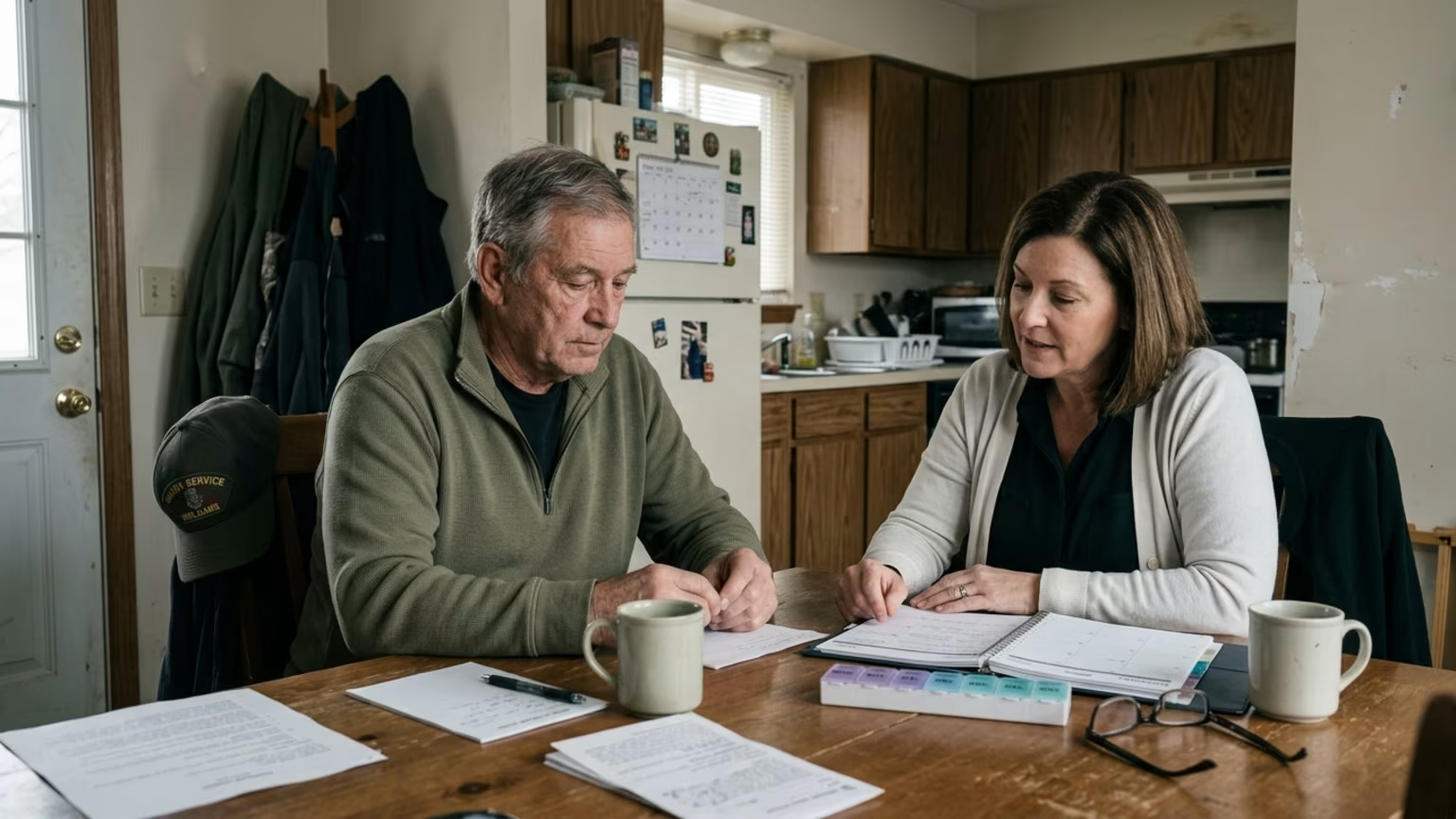
A large veteran study links PTSD and documented social needs to later cognitive impairment, reinforcing the value of connected care planning.
Build better habits around strength, recovery, sleep, hormones and healthy aging with practical guidance for active military personnel and veterans.
Explore BattleVet