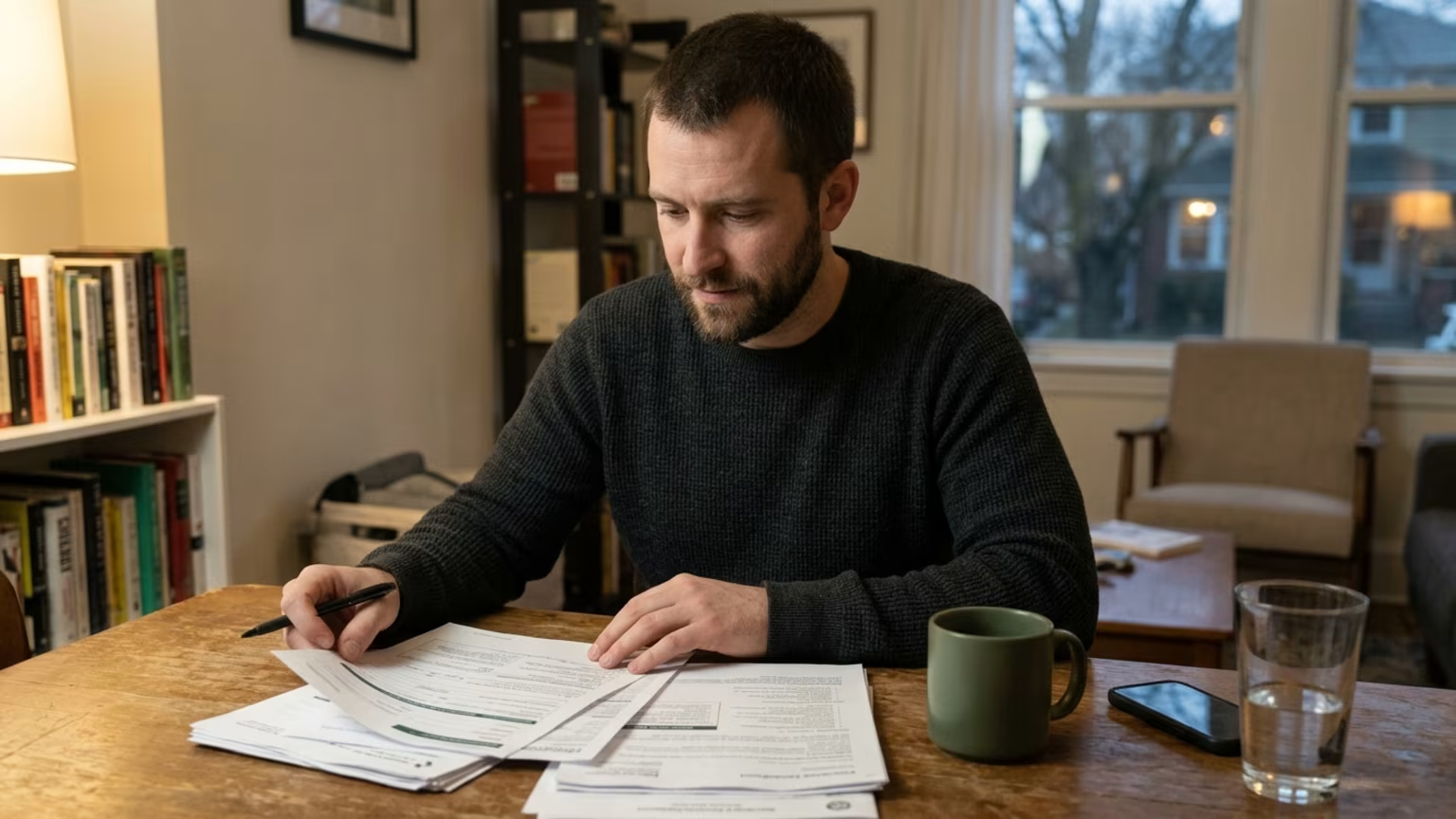

A practical health transition plan for the first year after military service. Learn how to maintain medical continuity, manage routines, and access veteran care.





If you are in immediate danger, call 911. For 24/7 support, call or text 988 and press 1 for the Veterans Crisis Line, or text 838255.
Leaving the military is rarely the sudden physical cliff that popular culture portrays. Instead, the real vulnerability is the slow erosion of structured health routines during the first year of civilian life. A 2025 to 2026 survey of 2,636 veterans from the National Health and Resilience in Veterans Study highlighted this specific transition risk. The study revealed that 13.4 percent of respondents reported recent suicidal thoughts over the previous two weeks. This was a measurable increase from the 9.0 percent reported during the 2019 to 2020 comparison wave.
The loss of military structure affects health indirectly by disrupting daily routines and support networks. Service members often face changes in identity, employment, and community participation. Leaving the military means losing a built-in social network and a clear professional purpose. This sudden absence of structure can silently compound existing physical or psychological strain.
Trying to maintain fitness years after leaving service required a completely new mindset for our team. The goal changed from immediate tactical readiness to healthy aging and longevity. We learned that connecting short term performance with long term health, focusing on mobility and cardiovascular function, was the real key to staying capable. This long term perspective must be established early in the transition process.
This mindset shift is essential because the first twelve months define a veteran's baseline for long term care. A recent military health study reported an association between higher cumulative stress and lower cardiovascular health scores in a contemporary sample. That sample included active duty personnel, Reserve members, and National Guard members. Managing stress early is a critical part of preventing chronic disease down the road. Understanding this connection is a fundamental part of our healthy aging and longevity Resources.
The available data emphasizes why deliberate health planning matters so much. Secondary summaries of U.S. Department of Veterans Affairs data reported 6,398 veteran suicide deaths in 2023. This figure is equivalent to about 17.5 deaths per day. The secondary analysis noted that 61 percent of veterans who died by suicide had not recently used VA health care.
This finding does not mean these individuals lacked all medical coverage or access to a clinician. However, it strongly suggests a disconnect between available support and the veterans who need it most. Offering multiple entry points to care is vital for separated personnel. Options include VA primary care, civilian clinicians, Vet Centers, and employer health services.
The survey data regarding suicidal thoughts also requires careful reading. The 13.4 percent figure refers to recent self-reported thoughts in a specific survey group. The reports also state that suicidal planning and attempts did not rise at the same rate. This means the transition does not universally cause severe depression, but it does require proactive monitoring.
Furthermore, the military health study found that several specific stressors were associated with cardiovascular health measures. These factors included serious life events, adverse childhood experiences, bullying, and combat severity. The authors reported an association between higher cumulative stress and lower cardiovascular health scores. This does not prove that military service directly causes cardiovascular disease, but it highlights a known vulnerability.
These findings change how service members should approach their exit from the military. Health planning must start before separation to prevent prescription gaps and establish consistent primary care. During the final 30 days of service, personnel should book a primary care appointment. This initial visit is the time to review chronic conditions, pain, medications, and deployment exposures.
Service members should also secure their medical records through official channels. Health.mil describes MHS GENESIS as a single electronic health record for service members, veterans, and their families. The MHS GENESIS Patient Portal allows users to access health information, communicate with care teams, and request refills for most prescriptions from military pharmacies.
It is critical to ask the military prescriber how prescriptions will transfer to a civilian or VA pharmacy. Do not stop antidepressants, sleep medicines, pain medicines, or other long term treatments abruptly without clinical advice. Maintaining continuity with these medications helps stabilize the initial transition period.
Veterans should also schedule mental health support before a crisis occurs. A routine screening appointment can address anxiety, depression, post traumatic stress symptoms, or relationship strain. Establishing this connection early removes the friction of finding a provider later.
The first three months of civilian life require deliberately replacing military structure. A rigid, inflexible timetable is unnecessary and often counterproductive. A basic daily framework for waking, working, eating, and exercising is enough. This structure provides stability when civilian jobs or school schedules become unpredictable.
Sleep should be treated as a serious clinical issue rather than a test of discipline. VA materials advise veterans with sleep difficulties to discuss the problem with a provider and point to VA sleep resources. Tracking sleep duration, awakenings, daytime sleepiness, and caffeine intake helps build a clear picture for a civilian doctor. Discuss persistent insomnia, nightmares, or possible sleep apnea with a qualified clinician.
Returning to exercise requires a progressive and patient approach. It is important to begin with a sustainable mix of aerobic activity, strength work, and recovery. Anyone experiencing persistent pain, dizziness, or unexplained shortness of breath needs a medical assessment. You can review safe ways to build routine in our Recovery and physical restoration Resources.
This period is also the right time to build a civilian care map. Find the nearest VA facility, emergency department, civilian primary care practice, and dental office. Save these phone numbers and portal logins before an urgent medical need arises.
Months four through six should focus on closing preventive care gaps. Veterans should ask their primary care clinician which screenings are due based on age, sex, and family history. Provide the clinician with occupational context like noise exposure, toxic exposure, shift work, or repetitive lifting. This context helps the doctor assess clinical risk accurately.
Preventive screening is not a uniform process for every individual. A universal screening schedule does not apply to all veterans regardless of their background. Medical evaluations must account for specific variables like family history, past clinical risk, and service related environments. This customized approach ensures that doctors are not just checking boxes during an annual physical.
This is the time to address lingering issues with hearing, vision, or musculoskeletal health. These concerns can negatively affect civilian employment and family communication even if they do not seem urgent. Ignoring minor injuries often leads to compounding physical problems later in life.
Veterans can request service and medical records through eVetRecs, Standard Form 180, or the National Personnel Records Center. The VA notes that these records can include medical information, assignments, qualifications, and discharge documents. Having this physical or digital documentation ready makes it easier to navigate future VA health care conversations.
By months seven through twelve, veterans should reassess what is actually working. Confirm that prescriptions are stable and that necessary specialist referrals were completed. This ongoing assessment helps catch administrative or clinical problems before they compound into serious health crises. Regular checkups ensure the transition plan stays on track.
Connection plays a huge role in this phase of reintegration. Transition research describes changes in identity, employment, finances, and community participation as important parts of reintegration. Maintain contact with trusted family, former colleagues, or local sports clubs to prevent isolation. Finding a new community is often just as important as physical health maintenance.
The evidence describes transition as complex and potentially challenging rather than a guaranteed period of illness. Some people experience improved autonomy, more family time, and higher employment satisfaction after leaving service. The goal of a health transition plan is to maximize those positive outcomes. Deliberate planning protects veterans from the predictable pitfalls of navigating civilian healthcare.
VA Whole Health services may connect veterans with support for sleep, stress, mental health, exercise, nutrition, and lifestyle changes. The VA continues to promote Whole Health as a model combining conventional clinical services with behavioral and lifestyle changes. It also includes peer support and self management tools.
VA Whole Health content promotes gradual movement, stretching, and yoga. The materials also suggest relaxation, breathing, and mindfulness. These are options for managing stress, sleep, pain, mood, and energy. These resources serve as reasonable adjuncts to a solid transition plan. They should not replace clinical evaluation for persistent depression, chronic pain, or medication side effects. For further insight into managing stress, visit our Sleep, stress and resilience Resources.
No transition plan is complete without a clear emergency escalation protocol. The VA provides confidential crisis support through the Veterans Crisis Line by calling 988 and pressing 1, texting 838255, or using online chat. Keeping these numbers visible can save a life when acute stress overwhelms a veteran.
Veterans should use these tools if suicidal thoughts or severe depression develop. They are also available for uncontrolled substance use, psychosis, or an inability to stay safe. VA services include therapy and medication management, and the Veterans Crisis Line is available 24/7 through 988, option 1, or text 838255. Seeking help is a proactive measure that prevents a temporary crisis from becoming a permanent tragedy.
Anyone in immediate physical danger should call emergency services right away. Accessing immediate help is a sign of capability and clear thinking. It ensures the situation is handled by professionals trained to manage acute medical or psychological emergencies.
Leaving the uniform behind changes the shape of daily life, but the requirement to stay healthy and capable remains intact. Transition is complex, and physical resilience requires deliberate attention during that first critical year. As medical records become more integrated and civilian systems adapt to veteran needs, will the handoff between military service and civilian care finally become as routine as a standard deployment rotation?
Follow BattleVet for practical guidance on military and veteran health, strength, recovery, testosterone, sleep and healthy aging. Stay connected for new articles, research backed insights and clear information to help you stay capable for the years ahead.


Combat Stress’s workplace guidance emphasizes listening over diagnosis. Recent U.S. veteran insomnia research adds context for sleep and recovery concerns.


ErythroMer's reported storage design could matter for military care. An academic review still lists it as preclinical, with human evidence ahead.
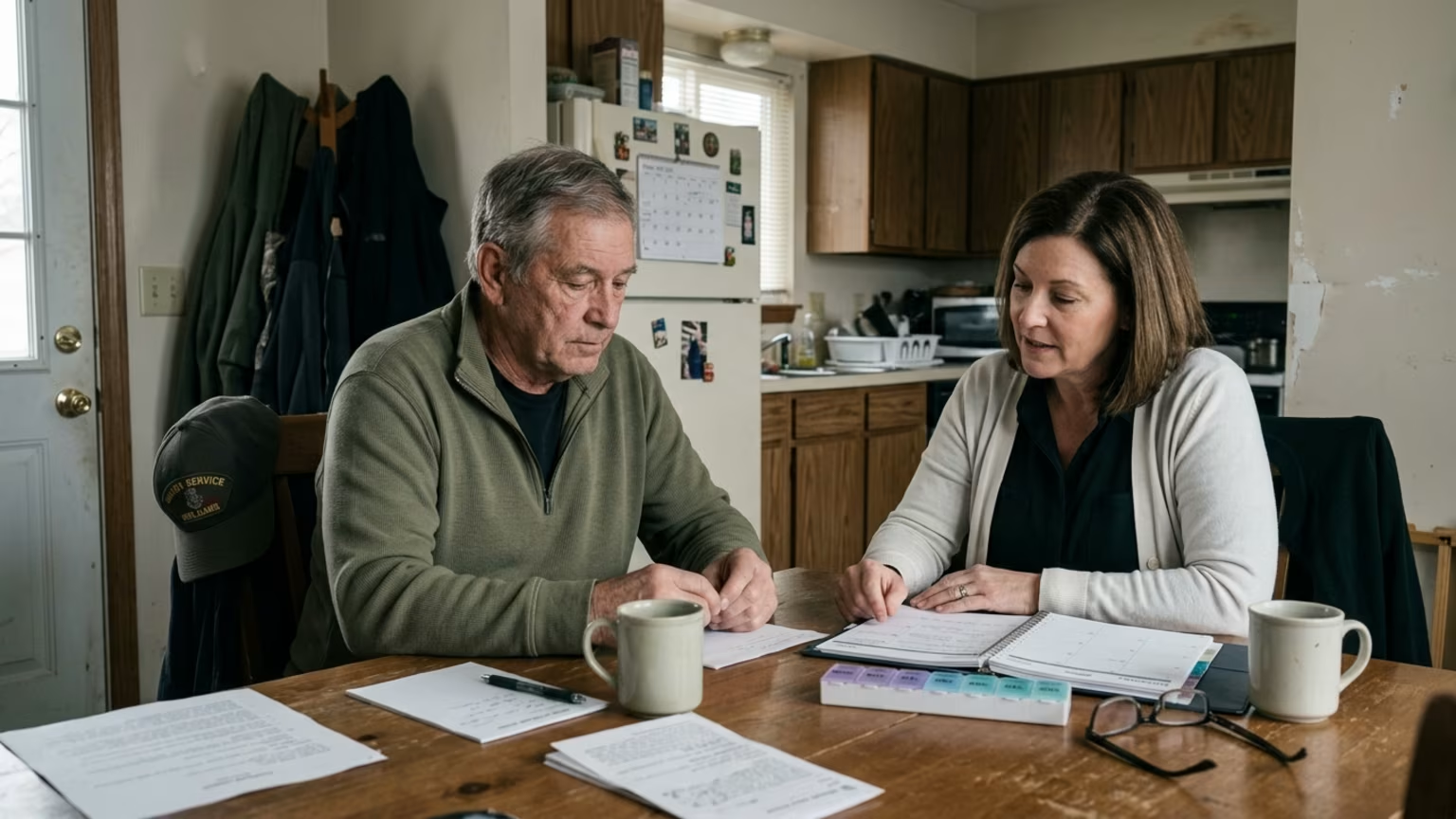
A large veteran study links PTSD and documented social needs to later cognitive impairment, reinforcing the value of connected care planning.
Build better habits around strength, recovery, sleep, hormones and healthy aging with practical guidance for active military personnel and veterans.
Explore BattleVet