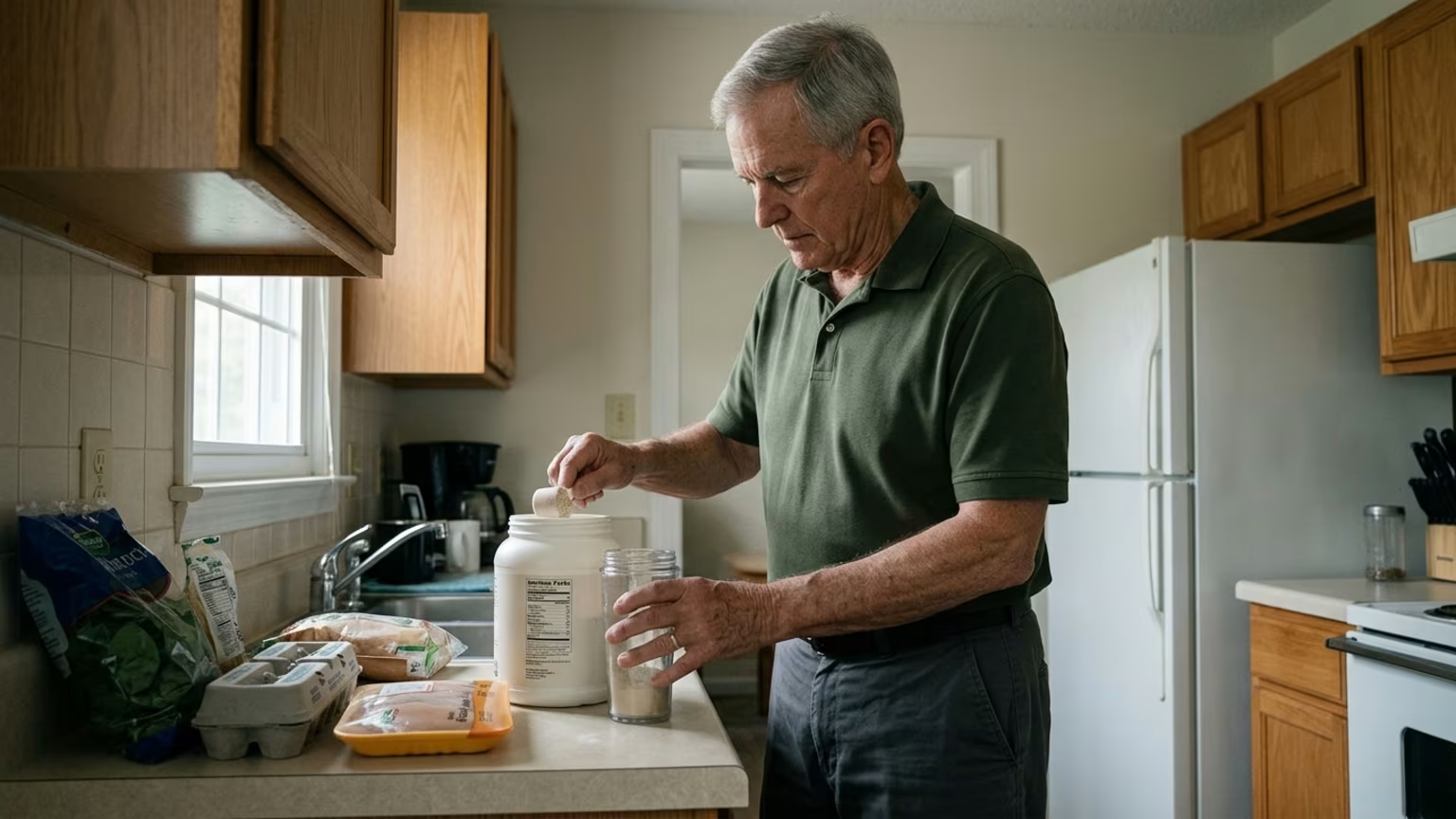

A Durham VA study suggests older veterans with obesity and prediabetes who double their protein intake better preserve physical function during weight loss.





On September 25, 2026, the VA Office of Research and Development reported a Durham VA study of Veterans over 55 with obesity and prediabetes. The research compared a standard weight-loss nutrition program against an enhanced program with double the protein intake. Both study groups participated in nutrition classes and completed an exercise regimen. This approach aimed to evaluate how different nutritional strategies affect body composition and mobility in older men.
Losing weight can improve overall health for older adults with obesity. The process often reduces muscle and other non-fat mass at the same time. This loss of tissue presents a serious challenge for veterans who want to remain strong and capable in their later years. A reduction in physical function directly impacts daily independence and long term health.
BattleVet provides research backed guidance on military and veteran health to address these exact challenges. We connect physical performance with long term health rather than treating them as separate subjects. Maintaining strength and mobility requires a clear understanding of how the body changes with age. This recent research provides valuable context for veterans navigating healthcare information and making decisions about their nutritional priorities.
Personal experience often drives home the reality of aging. I remember waking up after a poor night of sleep and realizing that my training recovery was taking much longer than it used to. I realized that readiness is more than just pushing through the fatigue. It requires a dedicated approach to sleep and hormonal health, which completely shifted how I view long term capability. That same shift in perspective is necessary when managing nutrition for healthy aging.
The findings from the Durham VA study highlight a clear timeline for physical changes. At three months, the enhanced-protein group experienced greater weight loss. This group also demonstrated better performance on measures of physical function compared to the standard nutrition group. These early markers suggest that targeted nutrition can support both fat reduction and physical capability simultaneously.
The physical-function advantage was still present at six months. At this half-year mark, the enhanced-protein group also showed greater preservation of fat-free mass. The term fat-free mass includes muscle tissue and other vital body components. Protecting this mass is a central priority for anyone focused on training and performance during their veteran years.
The VA report identifies Current Developments in Nutrition as the publishing journal. The official summary omits the study’s sample size and exact protein amounts. It also leaves out numerical outcomes, study design, authors, and study-specific limitations. Because of these missing variables, the VA’s conclusion is cautious. The agency states that the results suggest an enhanced-protein diet during weight reduction may benefit older men with prediabetes.
The Durham VA study did not rely on protein intake alone to achieve these results. Participants in both groups received nutrition classes and followed a structured exercise regimen. This reinforces the idea that sustainable health improvements require a comprehensive approach. Physical activity provides the stimulus for muscle preservation while proper nutrition supplies the necessary building blocks.
This comprehensive focus aligns with the design of the VA’s MOVE! Weight Management Program. VA News describes MOVE! as a lifestyle program incorporating physical activity and healthy food choices. The program also provides nutrition education and ongoing support. Programs that combine education with community resources often help veterans navigate complex health decisions with better context. VA News includes individual accounts from veterans reporting personal weight loss through the program.
Our editorial team at BattleVet focuses specifically on military health and evidence led approaches. We separate credible evidence from trends and marketing claims. The Durham VA study focuses on older male Veterans with obesity and prediabetes. The summary does not establish whether these exact results apply to other populations or active duty personnel.
Transitioning out of active service often changes a person's physical routine entirely. During active duty, fitness is typically measured by immediate performance metrics and operational readiness. In veteran life, the focus must shift toward sustainable joint health, metabolic stability, and muscle preservation. The risk of metabolic conditions like prediabetes increases as physical activity levels change. Managing these conditions effectively requires an evidence led strategy rather than relying on outdated training habits.
Many veterans find that their previous approaches to fitness no longer yield the same results. Restricting food intake without monitoring macronutrients can lead to rapid muscle loss. This reduction in muscle mass slows down metabolic rate and increases the risk of injury. A capable adult understands that maintaining physical independence requires adapting to the body's current physiological needs. Prioritizing protein is one practical way to support this biological transition.
The VA summary specifically uses the term fat-free mass when describing the outcomes at six months. Fat-free mass includes water, bone, organs, and skeletal muscle. Preserving this mass during weight loss is incredibly difficult for older adults. When a person eats in a caloric deficit, the body often breaks down muscle tissue for energy. This biological process can leave an individual lighter but significantly weaker.
The enhanced protein intake in the Durham VA study likely provided the necessary amino acids to counteract this breakdown. Amino acids serve as the fundamental components for cellular repair and tissue maintenance. By supplying the body with adequate protein, the veterans in the study were better equipped to maintain their functional strength. This connection between nutrition and capability highlights why informed dietary choices are so important for older men.
The metabolic shift that occurs during aging involves multiple bodily systems. Hormonal changes naturally alter how the male body partitions nutrients and builds tissue. When these changes are combined with obesity and prediabetes, managing weight becomes a complex medical challenge. A capable adult recognizes that maintaining vitality requires adapting their lifestyle to meet these new biological realities. Understanding these physiological shifts is a core part of effective long term health planning.
Our mission at BattleVet includes providing research backed educational resources on these exact topics. We cover strength, recovery, hormones and sleep. We also focus on body composition, mobility and healthy aging within one editorial system. Treating physical performance and long term health as part of the same continuum allows veterans to make smarter decisions. This comprehensive perspective helps our audience build resilient health strategies for their post service years.
The health industry frequently promotes extreme diets and unregulated supplements for rapid weight loss. These marketing claims often ignore the unique medical realities of veterans dealing with prediabetes or obesity. BattleVet aims to solve this problem by providing clear explanations of health topics relevant to military populations. Understanding the limits of new research is just as important as understanding the findings themselves.
Because the VA summary omits specific numerical outcomes and exact protein targets, veterans must avoid jumping to conclusions. A headline suggesting a benefit does not translate into medical instructions for the general public. The Durham VA study serves as a valuable data point within a broader conversation about aging and metabolism. It reinforces the importance of structured exercise and professional medical oversight when making significant lifestyle changes.
These findings change how older veterans should approach weight loss conversations with their medical providers. The study offers a reason to consider body function and body composition rather than focusing strictly on scale weight. Veterans should view physical capability as the primary marker of a successful health intervention. This perspective helps ensure that dropping pounds does not compromise long term strength.
The research supports pairing weight reduction efforts with adequate protein and consistent exercise. Veterans considering a new nutritional plan can use this study to prompt discussions with their VA healthcare team. Patients should ask for personalized guidance instead of treating the idea of double protein as a universal prescription. Individualized targets ensure that dietary adjustments are safe and effective for each veteran's specific medical history.
For veterans utilizing VA services, programs like MOVE! offer a structured environment to implement these concepts. Ongoing support and nutrition education help participants build sustainable habits over time. The transition to a healthier lifestyle requires patience and a willingness to learn new strategies for physical maintenance. Combining clinical guidance with practical education ensures that veterans have the tools they need to succeed.
Veterans should take a proactive role in managing their veteran lifestyle and healthcare. Discussing recent studies with a physician can lead to more tailored and effective treatment plans. A medical professional can help determine the appropriate balance of macronutrients based on individual blood work and metabolic markers. This collaborative approach builds confidence through clarity and promotes long term health outcomes.
As the VA continues to evaluate lifestyle interventions and targeted nutrition protocols, how will future clinical trials further refine protein recommendations to protect the mobility and independence of our aging veteran population?
Follow BattleVet for practical guidance on military and veteran health, strength, recovery, testosterone, sleep and healthy aging. Stay connected for new articles, research backed insights and clear information to help you stay capable for the years ahead.


Military fitness leaders are establishing new guidance on sleep readiness. Learn how the latest military protocols address performance, recovery, and hormones.


The Military Spouse Commission reviewed new directives for DoD-to-VA records transfers, childcare pilot programs, and healthcare access during transition.
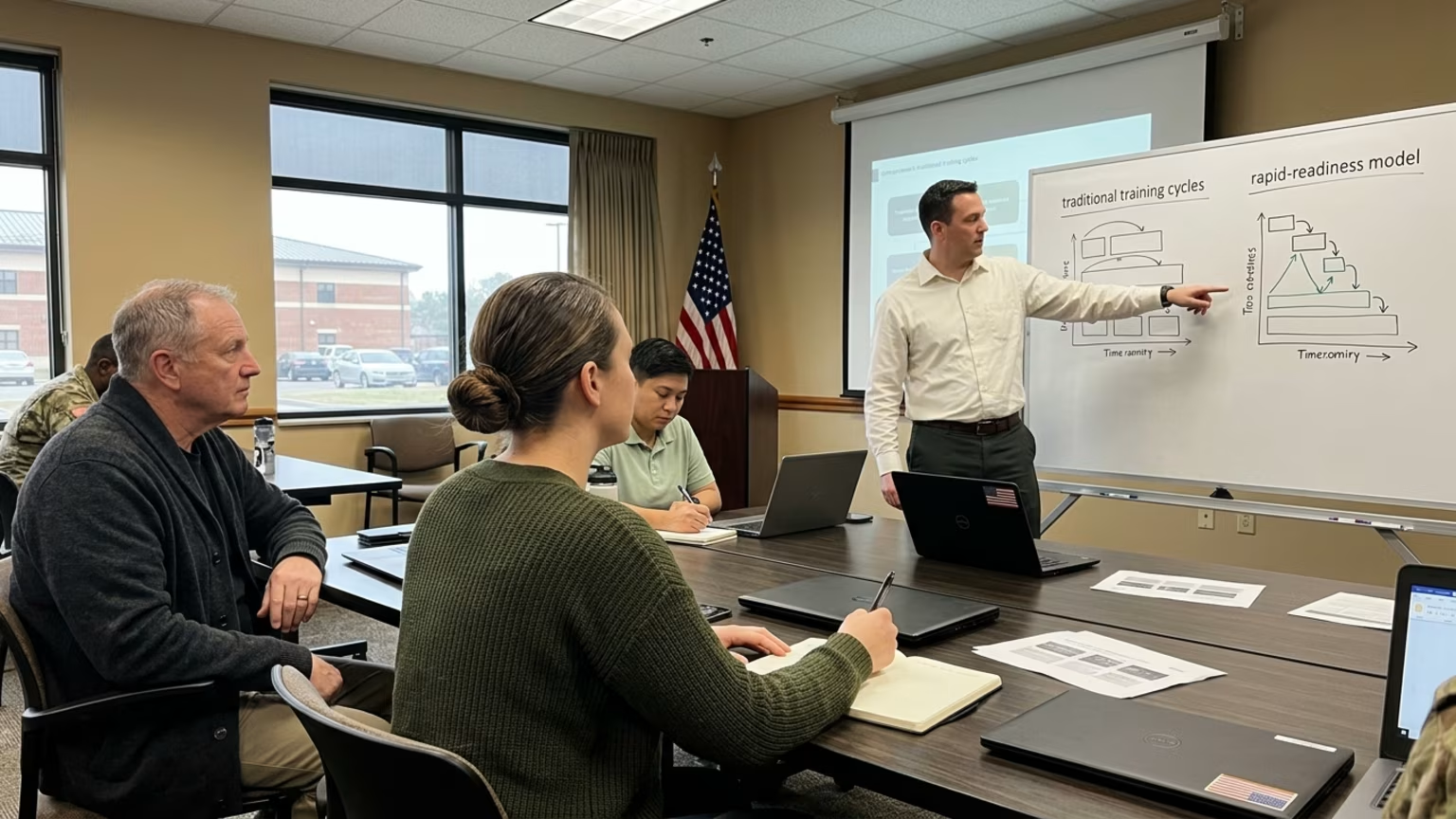
NATO instructors report that static training manuals are too slow for modern battlefields, highlighting the need for rapidly adaptable readiness programs.
Build better habits around strength, recovery, sleep, hormones and healthy aging with practical guidance for active military personnel and veterans.
Explore BattleVet