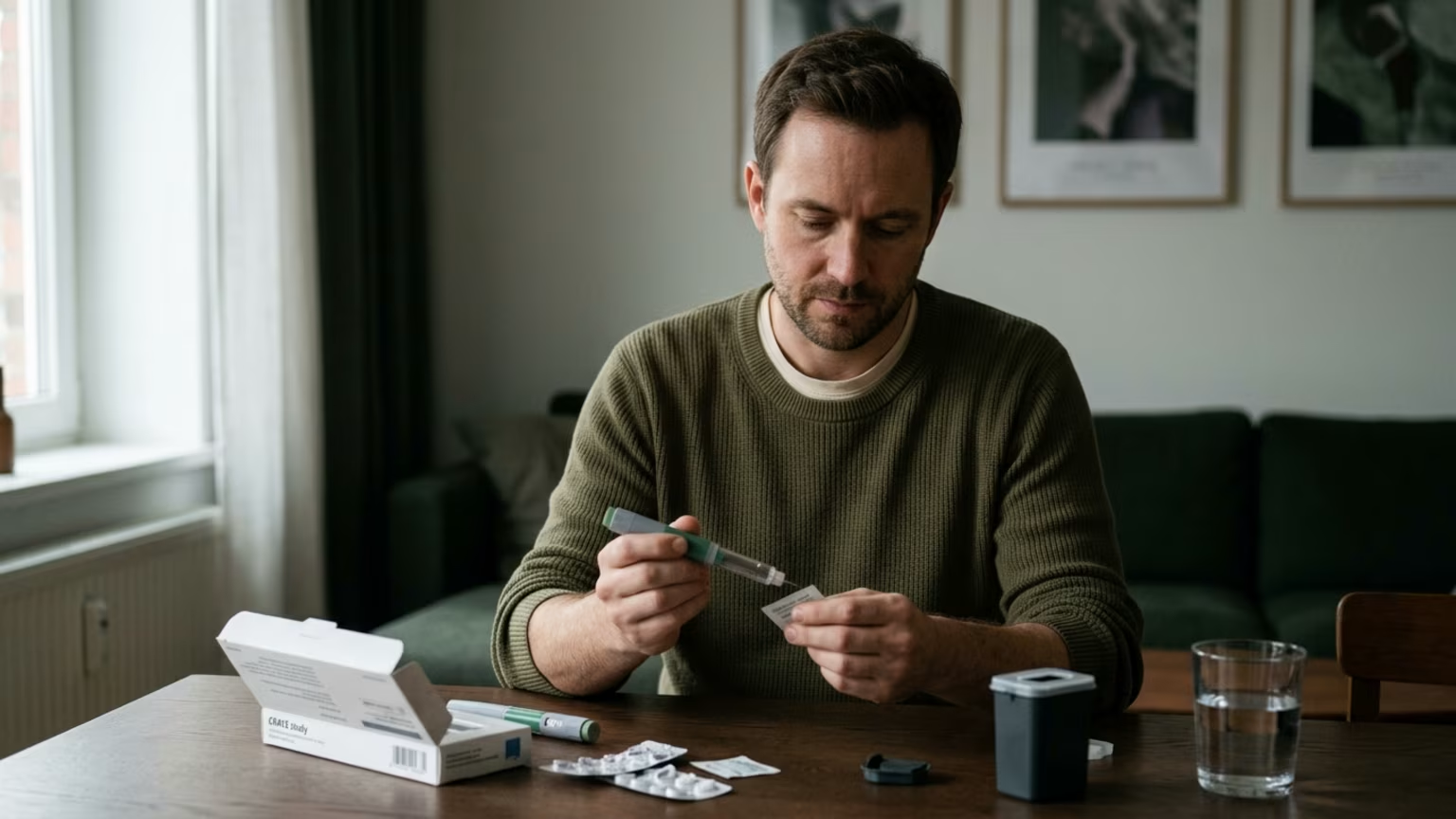

The VA has launched the CRAVE trial to test if weekly semaglutide injections can reduce alcohol use disorder in veterans. Learn how this research impacts care.





Approximately 14.5 million people engaged in heavy drinking in 2025 according to federal survey data. This massive figure proves that treating alcohol use disorder as a mere failure of willpower ignores the biological realities of addiction. For decades, traditional frameworks have told service members that physical discipline can conquer any internal struggle. The medical community is finally recognizing that severe alcohol dependency requires physiological treatment rather than just sheer discipline.
This shift is precisely why the U.S. Department of Veterans Affairs recently launched the Cessation or Reduction of Alcohol Consumption in Veterans trial. Known as the CRAVE trial, this study tests whether weekly semaglutide injections can reduce alcohol use among veterans.
Popular dogma often tells military personnel to push through the pain and rely on mental toughness. This traditional mindset assumes that behavior modification alone can overcome severe physiological dependency. Many established programs emphasize willpower as the primary mechanism for achieving sobriety. Relying solely on grit leaves veterans vulnerable to repeated cycles of relapse and intense frustration.
True recovery requires tools that address the underlying metabolic and neurological drivers of addiction. BattleVet continually examines the biological factors of recovery, which we cover extensively in our military health resources. Recent population data illustrates why the standard approach falls short for many individuals. Gallup-related polling reported that the share of U.S. adults who drink alcohol sat at 54 percent in 2025.
This figure represents the lowest level recorded in the history of that specific poll dating back to 1939. Falling average alcohol use across the general population does not eliminate the need for serious medical treatment. Millions of people continue to experience high-risk consumption patterns despite these broad public health improvements.
The 2025 National Survey on Drug Use and Health reported that approximately 14.5 million people engaged in heavy drinking. The survey clearly defined heavy drinking as binge drinking on five or more days during the previous 30 days. Additionally, 44 percent of teenagers and adults who drank alcohol reported binge drinking during the previous month. These figures highlight a clear divide between casual drinkers and those trapped in high-risk patterns.
A biological condition requires a biological intervention rather than just another motivational lecture.
Interest in GLP-1 medicines for alcohol management has grown significantly over recent years. Semaglutide is a glucagon-like peptide-1 receptor agonist widely used for diabetes and weight management. Researchers want to understand if these medications affect reward-related behaviors and alcohol cravings. Preliminary reports from patients suggest a potential connection between GLP-1 medicines and reduced alcohol consumption.
However, patient anecdotes and early animal research cannot substitute for rigorous scientific testing. A Washington University study reported an association between GLP-1 use and an 18 percent lower risk of alcohol use disorder. While this finding sounds promising, it relies entirely on observational data rather than controlled clinical testing. Observational studies cannot establish whether semaglutide directly prevents or treats alcohol dependency.
A randomized study comparing semaglutide against a placebo is absolutely required to determine actual treatment effects. The CRAVE trial provides the necessary rigorous structure to test these biological theories in a human population. BlackDoctor.org reports that the trial plans to enroll more than 600 veterans between the ages of 18 and 80. These participants must have moderate or severe alcohol use disorder to qualify for the study.
The testing will take place at 18 VA medical centers located across the United States. This multi-site approach ensures a broad and representative sample of the veteran population. Participants will receive weekly injections of either semaglutide or a placebo. This treatment phase will last for approximately 24 weeks before transitioning into a safety follow-up period.
The study design evaluates changes in alcohol consumption, overall health, and daily quality of life. Researchers are looking at comprehensive metabolic health rather than focusing solely on complete abstinence. Registered trial outcomes reportedly include reductions in heavy drinking and changes in World Health Organization drinking-risk categories. The analytical framework will also account for demographic factors by including diverse populations like Black participants.
One major scientific question is whether semaglutide reduces alcohol cravings independently of its other metabolic effects. Current sources do not establish whether the medication works apart from general weight loss or metabolic improvement. The brain and the gut communicate constantly, meaning changes in digestion can influence neurological signals. Claims about a direct effect on brain reward pathways must remain tentative until the trial concludes.
Researchers need to see if veterans experience fewer cravings directly or if they simply feel too full to drink heavily. Answering this question will determine how doctors prescribe these medications in the future. Until those answers arrive, the emphasis remains on safety and verified evidence.
Veterans must approach these early findings with measured expectations and professional clinical guidance. Semaglutide products, including Wegovy, are not currently approved specifically to treat addiction or chemical dependency. Using these medications for alcohol use disorder outside a structured clinical trial remains an off-label decision. Any off-label use requires strict supervision from a qualified healthcare professional.
Veterans who take semaglutide for weight management should never assume it automatically treats alcohol issues. Readers can find more guidance on navigating complex care decisions in our veteran life coverage. BlackDoctor.org notes that recruitment for the CRAVE trial officially opened on July 28, 2026. Veterans interested in the study can contact a local VA medical center for more information.
They can also review ClinicalTrials.gov to investigate participation details and eligibility requirements. Participation in a controlled trial involves rigorous monitoring and is very different from requesting a routine prescription. The study offers a structured environment that prioritizes patient safety at every step. Veterans currently managing heavy drinking should never abruptly stop consuming alcohol without proper medical advice.
Sudden alcohol withdrawal can be highly dangerous and requires a structured medical management protocol. Prospective trial participants should discuss their current drinking patterns and withdrawal history with VA clinicians. A safe transition requires full transparency about heavy-drinking episodes and baseline physical health.
A practical preparation checklist can help veterans navigate a VA appointment effectively. Patients should record their drinking frequency, typical quantities, and any previous withdrawal symptoms before their visit. They must also detail current medications, diabetes status, and personal goals regarding alcohol reduction. This thorough documentation helps doctors assess whether a clinical trial or a different treatment path makes the most sense.
Treatment decisions must account for post-traumatic stress symptoms, sleep quality, and access to counseling. Addressing alcohol use disorder requires a comprehensive approach that medication alone cannot replace. A single weekly injection cannot teach coping skills or rebuild damaged social connections. Additional tools for building a stable routine are available in our lifestyle and healthcare guides.
When we stop viewing those 14.5 million heavy drinkers through a lens of failure, we can begin managing dependency with the precise medical tools it actually requires.
Follow BattleVet for practical guidance on military and veteran health, strength, recovery, testosterone, sleep and healthy aging. Stay connected for new articles, research backed insights and clear information to help you stay capable for the years ahead.


Combat Stress’s workplace guidance emphasizes listening over diagnosis. Recent U.S. veteran insomnia research adds context for sleep and recovery concerns.


ErythroMer's reported storage design could matter for military care. An academic review still lists it as preclinical, with human evidence ahead.

A large veteran study links PTSD and documented social needs to later cognitive impairment, reinforcing the value of connected care planning.
Build better habits around strength, recovery, sleep, hormones and healthy aging with practical guidance for active military personnel and veterans.
Explore BattleVet