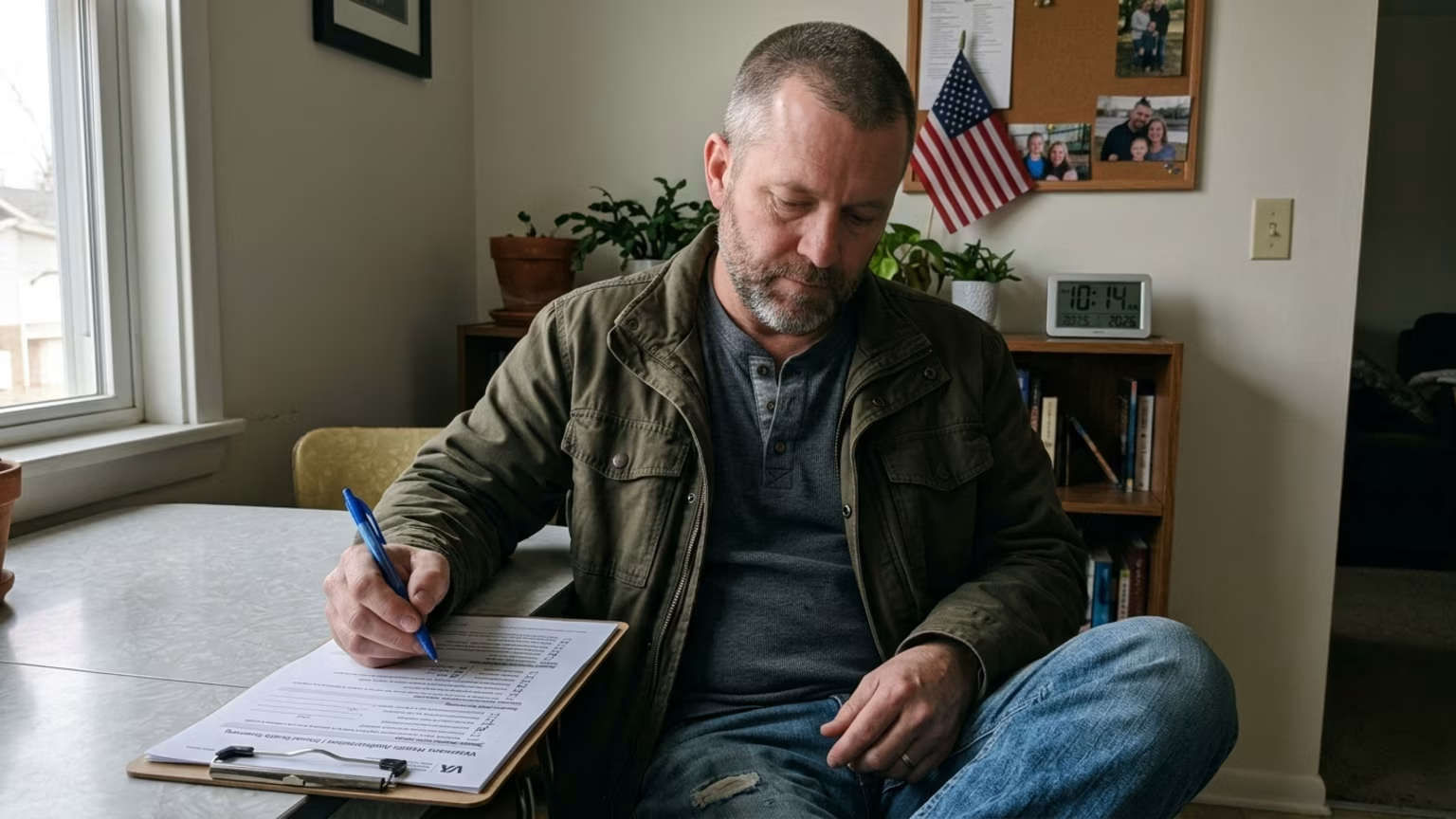

The VA reported record high annual suicide screening and 24-hour follow-up rates for VHA patients in early 2026. Learn how this impacts routine veteran care.





If you or someone you know is in immediate danger, call 911. For immediate crisis support in the United States, veterans can call 988 and press 1, text 838255, or use the Veterans Crisis Line online chat. The Veterans Crisis Line is available to people who are not enrolled in VA benefits or VA health care.
The Department of Veterans Affairs (also known as the VA) reported that nearly 90 percent of veterans who received Veterans Health Administration (also known as the VHA) care completed an annual suicide-risk screening during the 12 months ending in March 2026. According to a summary by Medscape, the reported screening rate was the highest since the agency began collecting comparable records in 2021. This administrative milestone outlines how routine care is currently structured for veterans.
This care process update matters because routine mental health screening is now heavily integrated into standard VHA care. This integration allows clinicians to identify veterans who may need additional support during normal health care interactions. Understanding this process helps veterans know exactly what to expect when they walk into a clinic. It transforms a potentially unexpected set of questions into a predictable part of standard medical maintenance.
The VA also published data to clarify the broader scope of the veteran mental health challenge. The 2025 National Veteran Suicide Prevention Annual Report counted 6,398 veteran suicide deaths in 2023. That number represents an average of 17.5 deaths per day. The mortality figure describes the continuing scale of the problem across the entire veteran population.
The new screening figures describe the delivery of preventive care processes within the VHA system. These two sets of statistics measure completely different aspects of healthcare. The screening and follow up results should be understood strictly as measures of care process performance. They do not stand as evidence that suicide deaths or suicide attempts have been reduced by those same percentages.
At BattleVet, our team knows that maintaining capability requires you to track your personal baselines honestly. I remember waking up after a poor night of sleep and realizing that my training recovery was taking much longer than it used to. I realized that readiness is more than just pushing through the fatigue. It requires a dedicated approach to sleep and hormonal health, which completely shifted how I view long term capability.
The VHA screening process applies this same proactive tracking concept to mental wellness. Clinicians use these required questions to spot deviations from your baseline before they escalate into larger issues. Veterans who read our content on managing physical rest understand that sleep disruptions often signal deeper physical or mental stress. An honest conversation during a clinical screening gives your doctor the context they need to help you.
The reported data shows strong adherence to follow up protocols for veterans identified as needing more help. Among veterans identified through screening as being at increased risk for suicide, 96 percent completed a comprehensive follow up evaluation within 24 hours as of March 2026. The 96 percent follow up figure was also the highest rate recorded to date. This demonstrates a highly structured response system for individuals flagged by the initial questionnaire.
However, the 24 hour benchmark is not an unconditional promise for every single patient. A VA spokesperson noted that immediate evaluation is not feasible for a small percentage of veterans. In some cases, acute medical or psychiatric stabilization may need to occur first. This clinical caveat means urgent physical or psychiatric needs take priority over completing a standard assessment.
The nearly 90 percent screening rate also carries important limitations for how we understand the data. The measurement covers only veterans who actually received VHA care during the relevant 12 month period. It should not be interpreted as the percentage of all United States veterans who received a screening. Veterans who did not use VHA services during this timeframe are naturally excluded from the care population metric.
The VA noted that most veterans who were not recorded as completing screening either finished it later or declined the option. This means the missed screenings do not necessarily represent a permanent failure to offer the evaluation. These nuances are critical for understanding how the healthcare system actually operates. The figures show how often the VA completed specified screening processes for its active patients.
The VA is also expanding these identification tools into other veteran support avenues. Screening is performed during intake for veterans participating in certain VA homeless programs, according to VA News. This provides a critical intervention point for individuals who might not regularly visit a traditional clinic. Catching these risk factors during housing intake creates a safety net for vulnerable populations.
This expanded screening effort ensures that basic health monitoring reaches veterans across different stages of life. The homeless program intake process offers a structured opportunity to identify distress in veterans facing severe external stressors. Integrating clinical screening into housing support acknowledges that physical environment and mental stability are closely linked. These program updates represent a more comprehensive approach to veteran welfare.
The VA has also promoted telehealth and other routes to suicide prevention support to increase access to care. Telehealth services offer another layer of engagement for veterans who might live far from a physical clinic. Between telehealth, standardized clinical screenings, and homeless program intakes, the diagnostic framework is becoming more structured. Veterans interested in the intersection of resilience and physical capability can check our daily routine and medical planning materials.
These new figures reinforce the importance of engaging actively with your health care providers. Veterans who use VHA care can expect suicide risk questions to be incorporated into their routine appointments. You should use the screening conversation to disclose any changes in mood or feelings of hopelessness. Clinicians also need to know about suicidal thoughts, substance use, sleep disruptions, or isolation.
The high volume of completed screenings also normalizes the conversation around mental health in medical settings. When every patient goes through the same questionnaire, it removes the stigma from the interaction. Veterans looking for resources on maintaining their physical baseline can learn how to treat these questions as routine data points. Answering honestly is no different than giving accurate information about a physical joint injury.
It is vital to understand that a screening conversation is simply an identification tool. It is not a diagnosis and not a guarantee that future suicidal behavior can be predicted or prevented. A screening conversation does not necessarily mean a clinician has concluded that a veteran is suicidal. It is a structured opportunity to identify risk factors and the need for further evaluation.
Veterans who are identified as being at increased risk should clearly understand what comes next. The immediate next step is a more comprehensive evaluation, rather than relying on the basic screening result alone. By treating these screenings as routine maintenance, veterans can better manage their overall health trajectory. Readers interested in comprehensive wellness can review our long term health guidelines for more information.
Will high clinical screening rates eventually translate into lower overall mortality numbers as the VA refines its approach to early intervention?
Follow BattleVet for practical guidance on military and veteran health, strength, recovery, testosterone, sleep and healthy aging. Stay connected for new articles, research backed insights and clear information to help you stay capable for the years ahead.


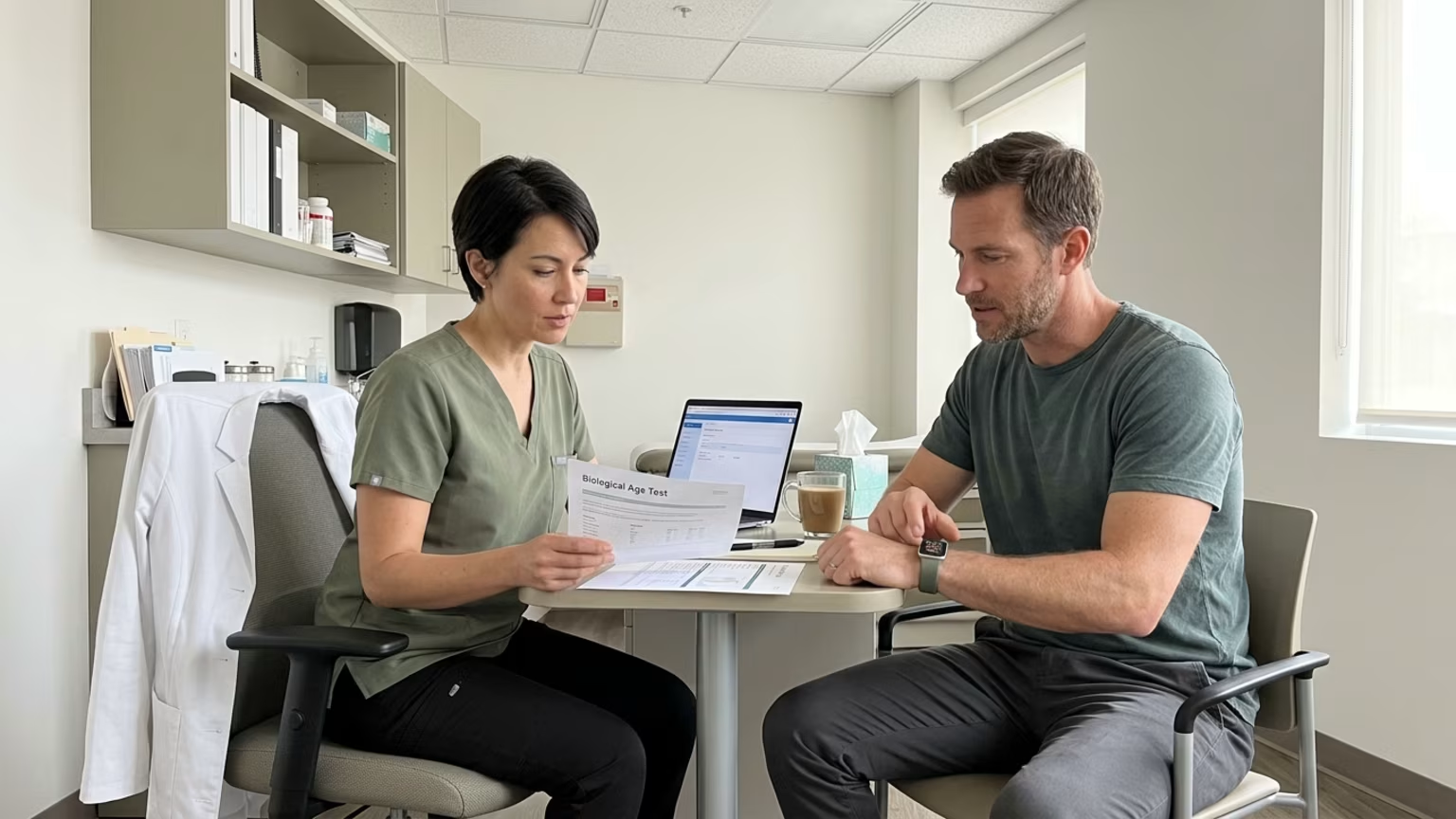
Stanford Medicine cautions against using biological age tests as definitive health markers. Learn why veterans should focus on functional capability instead.


A 2026 review shows combining protein supplements and exercise offers modest strength benefits for older adults. Learn why progressive training is the priority.
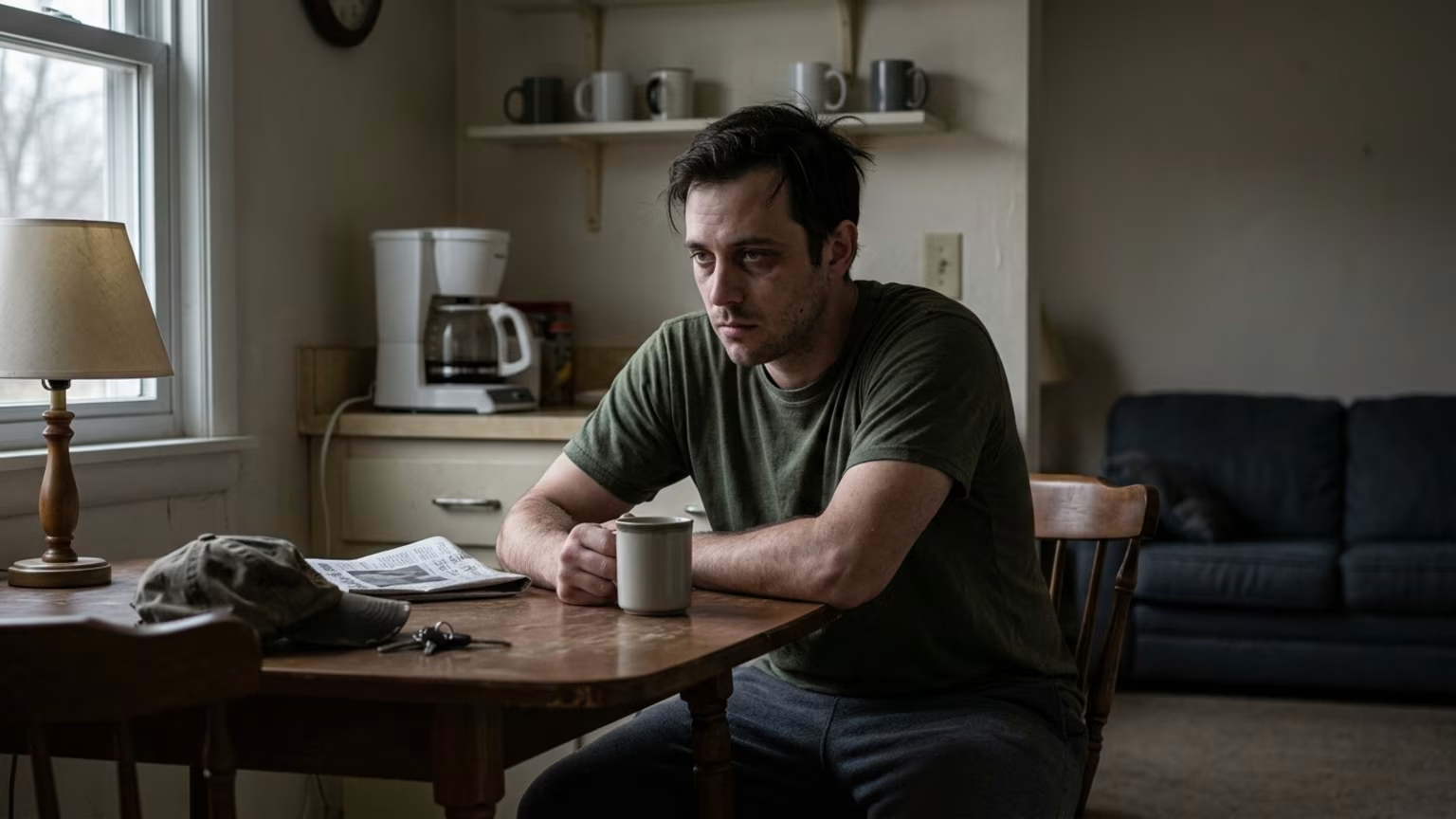
A September 2026 analysis examines how occupational trauma, chronic stress, and sleep disruption impact military readiness and long term veteran health.
Build better habits around strength, recovery, sleep, hormones and healthy aging with practical guidance for active military personnel and veterans.
Explore BattleVet