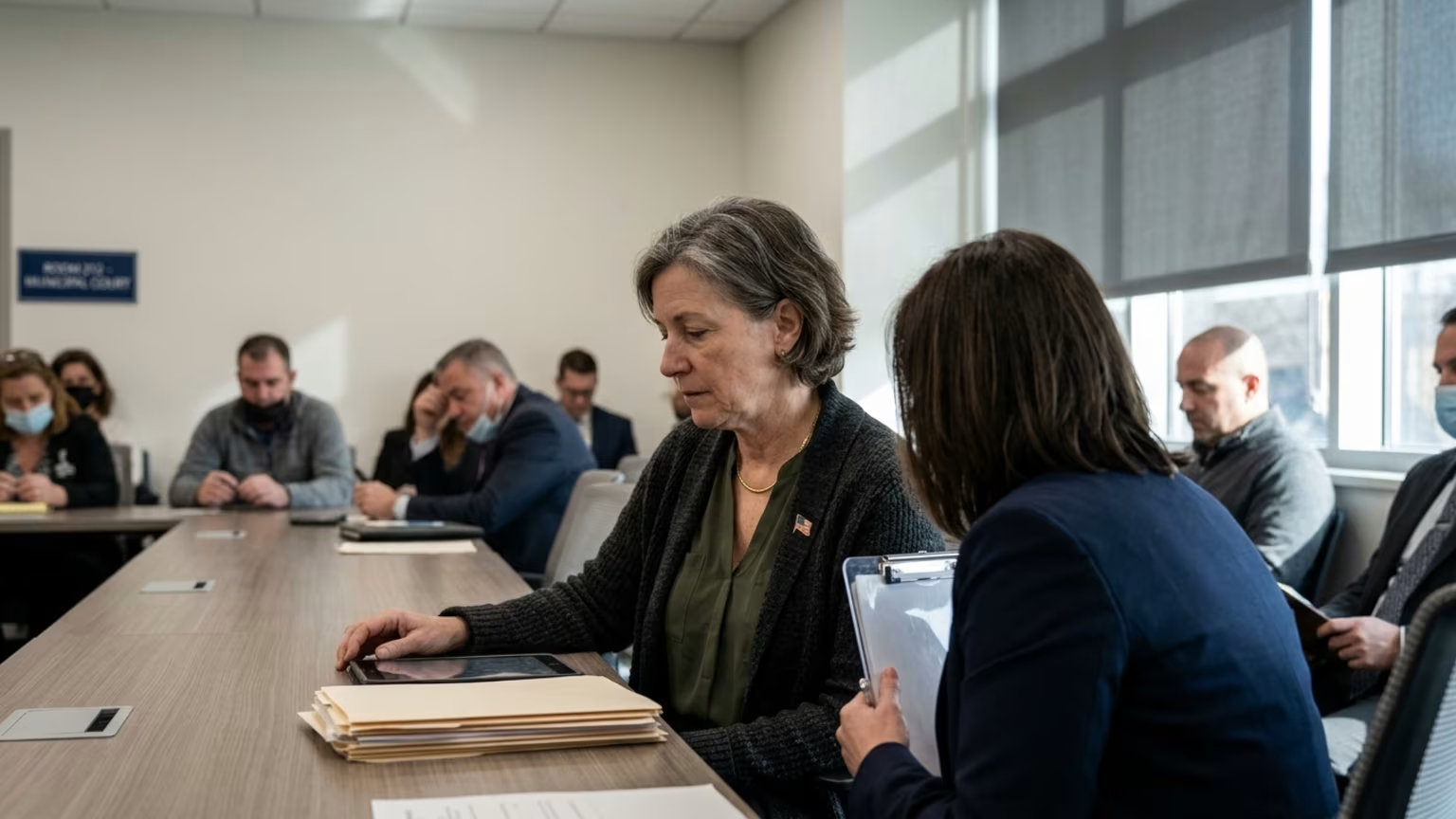

A New Jersey judge ordered a trial for Menlo Park Veterans Memorial Home over allegations that leaders prohibited staff from wearing masks during the pandemic.





A Middlesex County Superior Court judge has ruled that a lawsuit involving workers at the state-operated Menlo Park Veterans Memorial Home will proceed to trial. The state of New Jersey attempted to dismiss the case before it could reach a jury. Judge Glenn Slavin rejected those arguments at the summary judgment stage. His procedural ruling allows the plaintiffs to present their evidence in court. This decision forces the state to legally defend its early pandemic protocols.
The litigation was originally filed in May 2022. It involves approximately 42 plaintiffs and related claimants. These individuals include employees and family members closely connected to the facility. They brought the case forward to address decisions made during the earliest phase of the pandemic. Frontline workers experienced unprecedented institutional challenges during those opening weeks.
Plaintiffs allege that leaders prohibited nurses and other caregivers from wearing masks or gloves. The lawsuit claims that leadership issued this directive because they believed visible protective equipment might frighten the residents. Furthermore, leaders allegedly threatened disciplinary consequences for employees who disregarded the rule. Some workers faced potential removal from duty if they chose to protect themselves. Caregivers were reportedly forced to choose between their employment and basic safety measures.
The state argued that workers compensation protections and COVID-19 liability waivers shielded the facility. Judge Slavin determined that statutory immunity might not apply in this specific scenario. The law does not automatically protect conduct involving gross negligence, recklessness, or an intentional wrong. The trial order is not a final liability judgment. It simply means the plaintiffs presented enough evidence for a jury to deeply consider the claims.
This lawsuit highlights the intense and ongoing scrutiny of safety practices in state operated veteran facilities. Long term care relies heavily on rigorous infection control and staff protections. Frontline workers must operate safely to properly support resident veterans. When caregivers lack basic protections, the health of the entire facility faces immediate and severe risks.
The allegations describe a severe breakdown in workplace safety and clinical preparedness. One employee email cited in the case reportedly described residents coughing directly in caregivers faces. Staff lacked masks and could not maintain six feet of distance. Employees were allegedly discouraged from using protective equipment while treating residents during a severe outbreak. The lawsuit claims that this directive knowingly exposed caregivers to a serious infectious disease.
The human cost of these alleged policy failures is a central focus of the litigation. The lawsuit includes claims brought by survivors of Monemise Romelus. She was a 61-year-old certified nursing assistant at Menlo Park. Romelus died of COVID-19 in April 2020 after working at the facility. While the court has not yet proven that the policy caused her death, the case underscores the severe risks faced by unprotected staff.
Our team understands that readiness demands strict preparation rather than simply ignoring clear environmental threats. I remember waking up after a poor night of sleep and realizing that my training recovery was taking much longer than it used to. I realized that readiness is more than just pushing through the fatigue. It requires a dedicated approach to sleep and hormonal health, which completely shifted how I view long term capability. Proper recovery requires intentional planning rather than blind effort.
Clinical readiness requires strict adherence to protective measures rather than expecting staff to push through hazardous conditions. You cannot secure an environment by pretending the threat does not exist. The New Jersey Department of Veterans Affairs has formally denied the allegations. The factual disputes remain unresolved as the litigation continues toward trial. However, the case emphasizes that administrative decisions have material impacts on employee and resident safety.
The trial order follows a broader pattern of state and federal scrutiny regarding New Jersey veterans homes. A 2023 Justice Department report detailed significant regulatory findings. The report accused New Jersey of systematically violating the rights of veterans. It pointed to inadequate infection control measures during the pandemic and continuing into 2022. These federal findings placed the Menlo Park allegations within a much larger context of institutional failure.
Separate reporting indicates that state agencies issued specific directives early in the pandemic. The Centers for Disease Control and Prevention advised healthcare worker mask use by February 2020. The Centers for Medicare and Medicaid Services issued related guidance on March 10 of that year. Reporting states that Menlo Park and the state operated Paramus veterans home failed to implement a March 2020 universal masking order. The timeline of these guidance updates is central to understanding the facility response.
The facility faced severe regulatory consequences in the years that followed the initial outbreak. Records show that Menlo Park received a fine of nearly $320,000 for infection control violations. The New Jersey Department of Health also issued a curtailment of admissions order in late 2022. This regulatory action temporarily stopped the facility from accepting new residents while issues were addressed. State enforcement actions demonstrated that problems extended well beyond the initial crisis period.
The financial scope of related litigation reveals the massive scale of these institutional challenges. The attorney representing the current plaintiffs previously secured large payouts in similar cases. They obtained $44 million in settlements from the state for earlier litigation concerning New Jersey veterans homes. A settlement does not equal an admission of liability or a formal judicial finding. It does show how seriously the state treats these claims to avoid prolonged jury trials.
Current performance metrics do not erase past events or resolve pending legal questions. Reporting notes that Menlo Park later achieved a five-star CMS rating. This rating describes a subsequent period of operation with different leadership protocols. The current lawsuit strictly concerns decisions made during the opening weeks of the pandemic. Veterans and families cannot treat a current quality score as proof of what happened in 2020.
This ongoing case changes how veterans and their families must evaluate long term care facilities. You cannot rely solely on verbal assurances or historical reputations when assessing a home. Facilities must demonstrate clear and documented policies for respiratory virus surveillance. Families must look closely at how a facility manages daily operational safety. Transparency is the only acceptable standard for modern veteran care.
Modern surveillance is highly structured compared to the early weeks of the pandemic. The CDC operates the National Healthcare Safety Network to monitor facility health. This system collects weekly nursing home data on COVID-19, influenza, and RSV cases. It also tracks resident hospitalizations and healthcare personnel vaccination rates. Facilities must actively report these metrics to maintain operational compliance.
Veterans with respiratory diseases or immune compromise need individualized safety precautions. High risk areas often maintain strict protective requirements regardless of broader community trends. A Department of Veterans Affairs health care policy page illustrates this clinical approach. It details how facilities require masks for visitors in high risk areas. It also outlines how the VA provides personal protective equipment based on isolation status.
When you evaluate a facility, ask administrators for written policies covering masks, gloves, and isolation procedures. Check our military health reporting to understand baseline expectations for clinical environments. Staff should be able to raise safety concerns without fear of retaliation. The Menlo Park plaintiffs allege that workers faced threats for using protective equipment. Whistleblower protections are a critical component of institutional oversight that families should actively inquire about.
If you are supporting an older family member, reviewing our healthy aging articles can help you manage these critical care transitions. Maintain a written record of outbreak notices, test results, and hospital transfers. Such documentation helps clinicians coordinate care effectively across different medical teams. It also provides a clear record if a safety dispute later arises. Written records protect both the patient and the caregivers.
Active duty personnel and veterans must prioritize clear information when making healthcare choices. Facilities should provide explicit rules for testing and staffing contingencies during an outbreak. Check our veteran lifestyle and healthcare library to learn more about navigating institutional care options. Expect transparency and demand auditable infection control standards before committing to a facility. Good care relies on enforceable safety rules rather than blind trust.
The eventual outcome of this trial could establish new precedents for how state operated facilities manage safety during severe outbreaks. It challenges the limits of statutory immunity when staff are allegedly denied basic protective equipment. Will future regulations require independent oversight of state run veterans homes to ensure that essential protective measures are never compromised again?
Follow BattleVet for practical guidance on military and veteran health, strength, recovery, testosterone, sleep and healthy aging. Stay connected for new articles, research backed insights and clear information to help you stay capable for the years ahead.


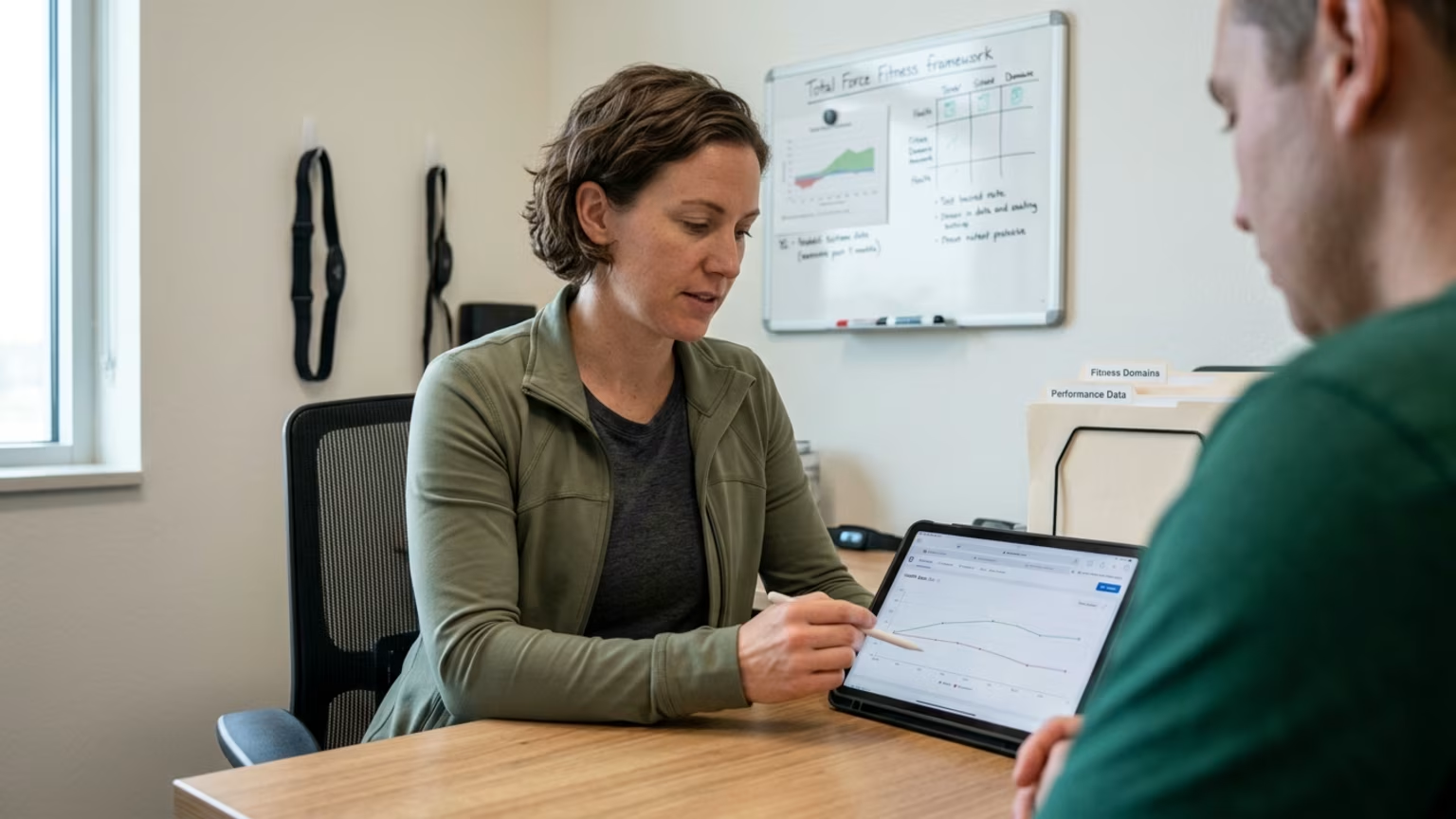
The DoD Warfighter Performance Optimization office is modernizing Total Force Fitness by integrating physical, cognitive, and psychological readiness programs.

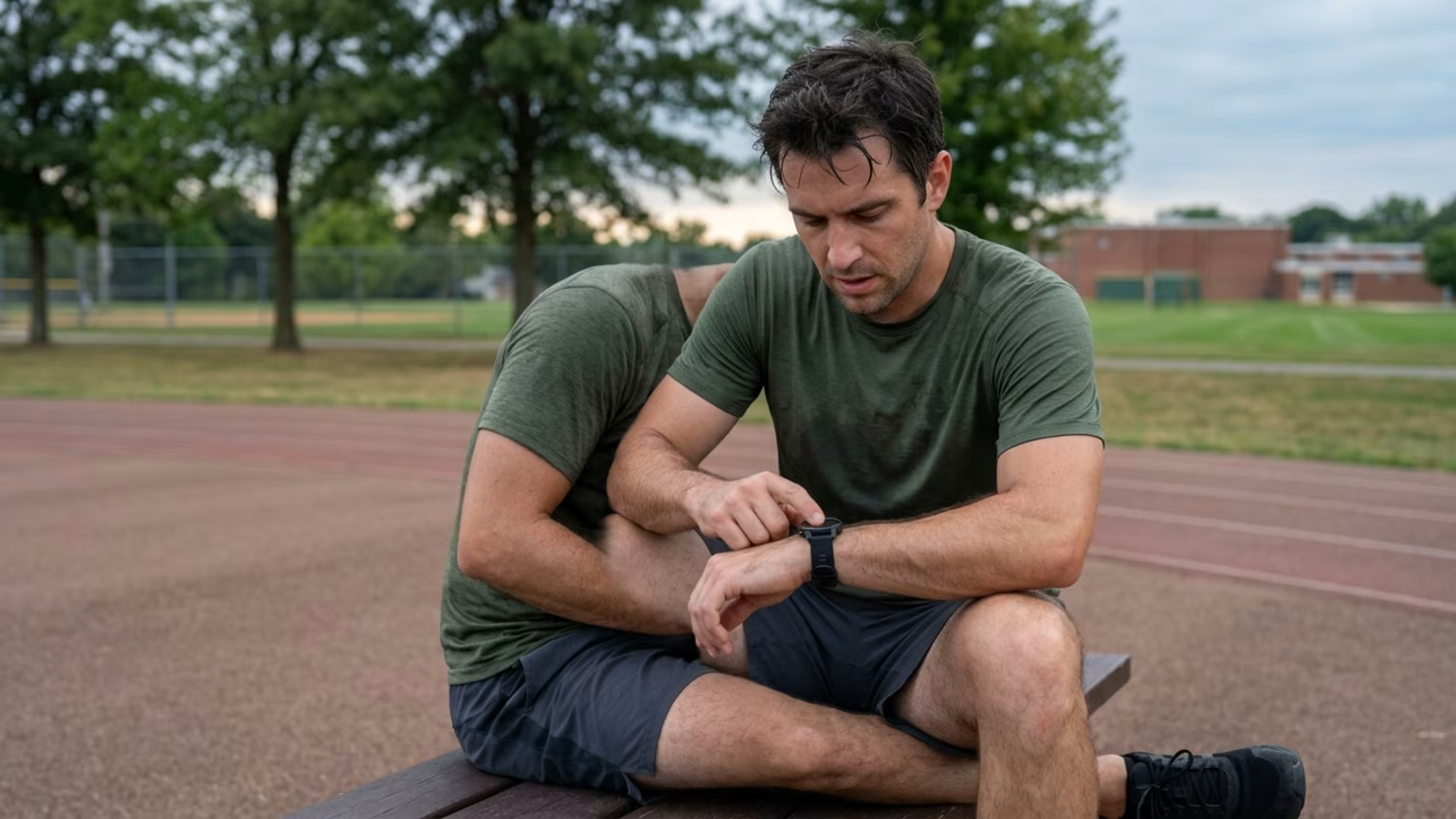
Acıbadem Health Point recently published guidance on tracking one-minute heart rate recovery. Learn how veterans can use these metrics and VA telehealth data.
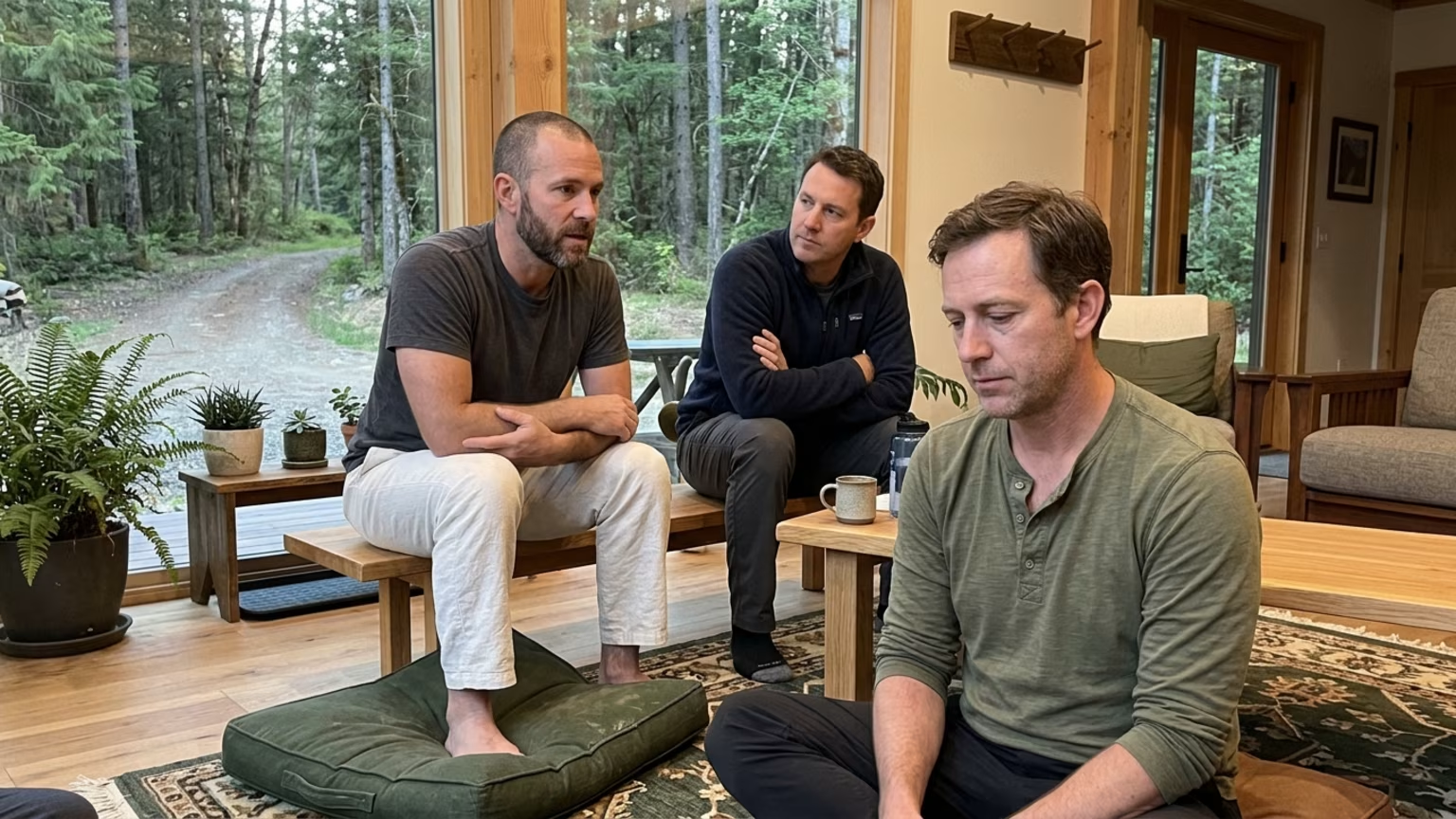
A private ayahuasca retreat for 47 veterans highlights demand for alternative PTSD care, but clinical evidence and safety protocols remain unverified.
Build better habits around strength, recovery, sleep, hormones and healthy aging with practical guidance for active military personnel and veterans.
Explore BattleVet