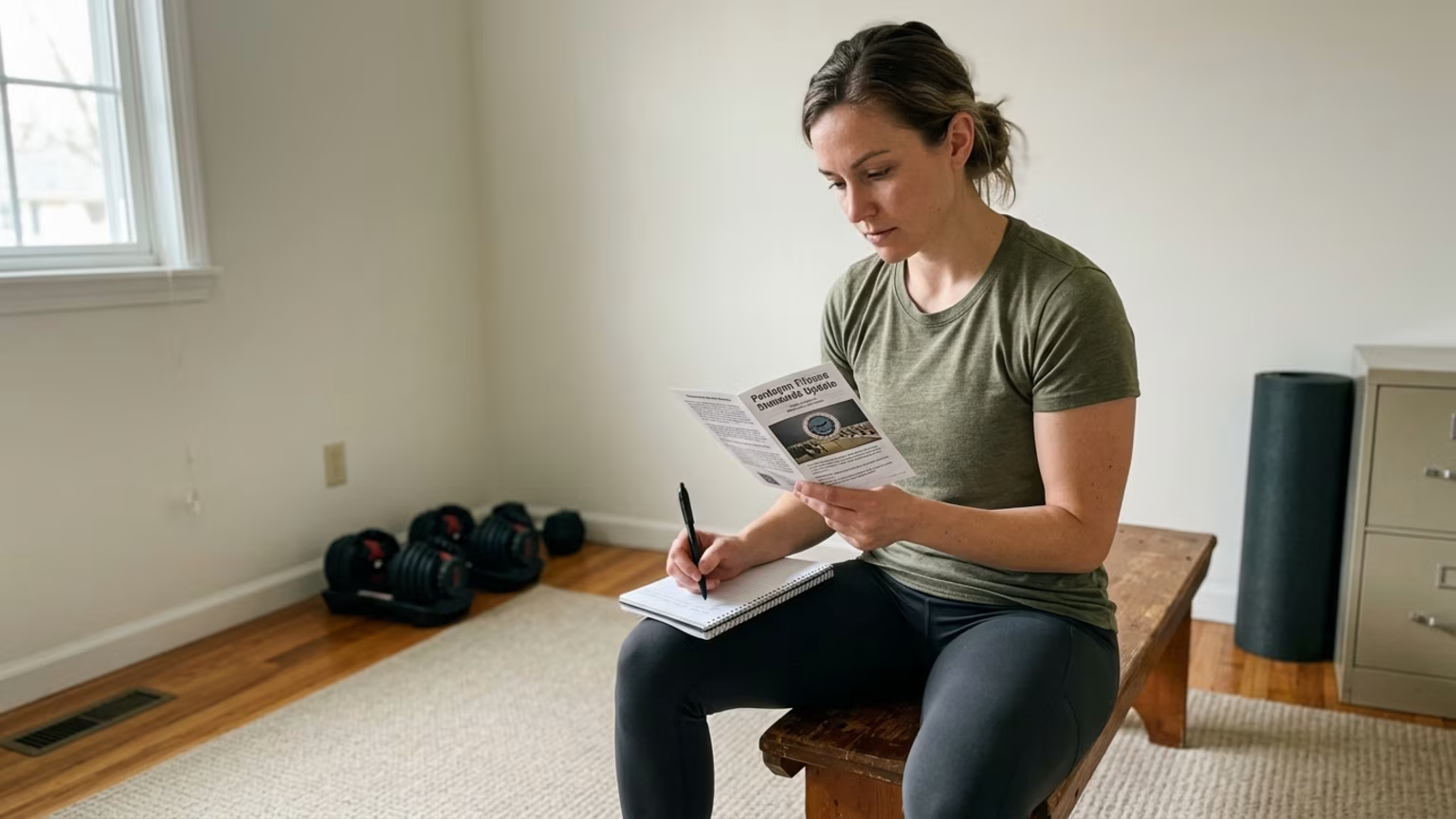

Recent Pentagon addresses signal a shift toward stricter military fitness standards. Learn how service members can adapt their training safely.





On Sept. 30, 2026, Defense Secretary Pete Hegseth was expected to deliver a State of the Force address at Marine Corps Base Quantico. Sept. 29 coverage described this expected event as arriving one year after his earlier address at the same installation. That 2025 address included directives involving gender-neutral or male-level physical fitness standards. These ongoing policy discussions highlight a continued focus on physical readiness across the military.
The focus on gender-neutral or male-level standards signals a clear shift toward higher physical expectations for active personnel. However, specific requirements remain unconfirmed at the unit level. Some early unverified discussions suggested new mandates for daily physical training and twice-yearly fitness tests. These details lack official confirmation in current service guidance.
Active personnel should wait for explicit instructions from their chain of command before making drastic changes to their routines. The implication for service members is straightforward. Foundational strength and conditioning are priorities, but sudden spikes in training volume carry injury risks. The military community must await formal publications to understand the full scope of these changes.
With leadership signaling a potential move away from baseline minimums, personnel should evaluate their current physical foundation. Training only to pass an annual assessment often leads to rushed preparation and preventable injuries. A better approach involves maintaining a steady reserve of strength and cardiovascular fitness year-round. This strategy protects joints while ensuring readiness for any sudden policy shifts.
When policies change, the temptation is to immediately increase training frequency. Unverified claims about daily training mandates can push service members into overtraining. Recovery is just as critical as the work done in the gym or on the track. Without adequate rest, muscle tissue cannot rebuild and performance inevitably declines.
When rumors of stricter testing circulate, many individuals react by drastically increasing their running volume. This reactive approach often leads to overuse injuries before any official policy even takes effect. A more capable strategy involves building foundational strength through consistent resistance training. Stronger muscles and connective tissues are more resilient against the demands of frequent military physical training.
Personnel should focus on steady progress rather than sudden spikes in physical effort. Squats, deadlifts, and overhead presses offer the best return on time invested. These compound movements build functional capacity that translates well to military environments. This is a practical way to prepare for unknown future assessments.
Any potential shift toward more rigorous standards requires a matching focus on physical restoration. Muscle tissue requires time, adequate nutrition, and quality sleep to repair after strenuous workouts. Without this recovery period, the body cannot adapt to increased physical demands. Service members often operate in sleep-deprived environments, making deliberate rest outside of duty hours crucial.
Overtraining is a real risk when personnel try to compensate for anticipated testing changes. Personnel should build routines that balance resistance training with proper rest. This balanced approach is central to maintaining military health over a long career. Active duty requirements demand resilience, and resilience requires a smart approach to workload management.
Military service inherently places significant wear on the joints of active personnel. Moving toward gender-neutral or male-level physical fitness standards could mean heavier load carriage. Protecting joint health must become a central part of every daily routine. Incorporating mobility work and proper warmup protocols reduces the likelihood of acute injuries.
Healthy joints are the foundation of a long and capable career. Ignoring minor aches often leads to severe injuries that derail physical readiness entirely. Service members must listen to their bodies and adjust their training loads when joint pain arises. Consistency is far more valuable than occasional displays of maximum effort.
BattleVet views physical performance and long term health as an integrated system. Fitness should not be treated merely as a box to check for annual compliance. Training to pass a test often leaves gaps in overall physical capability. A well-rounded program addresses strength, endurance, and body composition simultaneously.
This approach ensures personnel are ready for duty while protecting their health. Relying on sustainable strength programs rather than crash courses prevents burnout. This means viewing fitness as a vital component of a healthy life. Sustainable habits always outlast short term motivational pushes.
If specific directives regarding daily training are eventually confirmed, service members will need to adjust. Daily intense physical exertion is rarely sustainable without programmed light days. Personnel must learn to modulate their intensity throughout the training week. Treating every workout like a fitness test is a guaranteed path to physical breakdown.
Smart programming involves varied intensities to stimulate adaptation without causing excessive fatigue. A fitness test is an assessment of current capability, not a workout program. Daily training regimens should improve capability without mimicking the test itself. A sensible approach separates building strength from demonstrating it.
The habits developed in response to military fitness standards have lasting impacts. Veterans frequently struggle with chronic pain stemming from poorly managed training during their active years. Building a sensible approach to fitness now pays dividends during the transition to civilian life. Maintaining lean muscle mass becomes increasingly important with age.
Healthy aging starts with the decisions made while still in uniform. Veterans benefit from the same core principles of strength and recovery. The focus simply shifts from operational readiness to maintaining an active lifestyle. Good habits built in service provide a strong foundation for veteran health.
Until official service guidance is released, personnel must navigate policy updates with caution. Reacting to incomplete news reports can disrupt carefully planned training blocks. The chain of command remains the definitive source for implementation details and scoring thresholds. Staying informed is important, but overreacting to unofficial rumors is counterproductive.
A calm and evidence led approach always yields the best physical outcomes. Service members have time to adjust their training blocks once policies are published. Until then, maintaining a consistent fitness routine is the most effective preparation strategy. Focusing on steady progress eliminates the panic of sudden standard changes.
Intense physical training environments place heavy stress on the endocrine system. For both active personnel and veterans, maintaining healthy hormone levels is critical for muscle retention. Overtraining can suppress natural testosterone production when combined with sleep deprivation. Service members anticipating harder standards must ensure they consume enough calories.
A balanced physiological state is necessary for sustaining rigorous performance over many years. Proper nutrition and adequate sleep are the primary drivers of hormonal regulation. Chronic stress from operational duties can severely compromise this internal balance. Protecting sleep hygiene is just as important as physical conditioning.
Instead of reacting to news cycles, service members should design their training annually. This means scheduling periods of intense physical development alongside dedicated phases of recovery. An annual strategy prevents the panic that sets in when new fitness tests are announced. It allows personnel to peak their performance precisely when required by their commands.
Consistency over twelve months always beats a few weeks of frantic preparation. Building durable physical capability serves personnel well in operational environments. The goal is always to stay strong, capable, and healthy regardless of the testing standard. True readiness is a year-round commitment to personal health and performance.
As the Defense Department continues to refine its approach to readiness, the balance between high standards and physical longevity remains a central issue. Will future policies successfully raise force capability without compromising the long term joint health and physical resilience of service members?
Follow BattleVet for practical guidance on military and veteran health, strength, recovery, testosterone, sleep and healthy aging. Stay connected for new articles, research backed insights and clear information to help you stay capable for the years ahead.


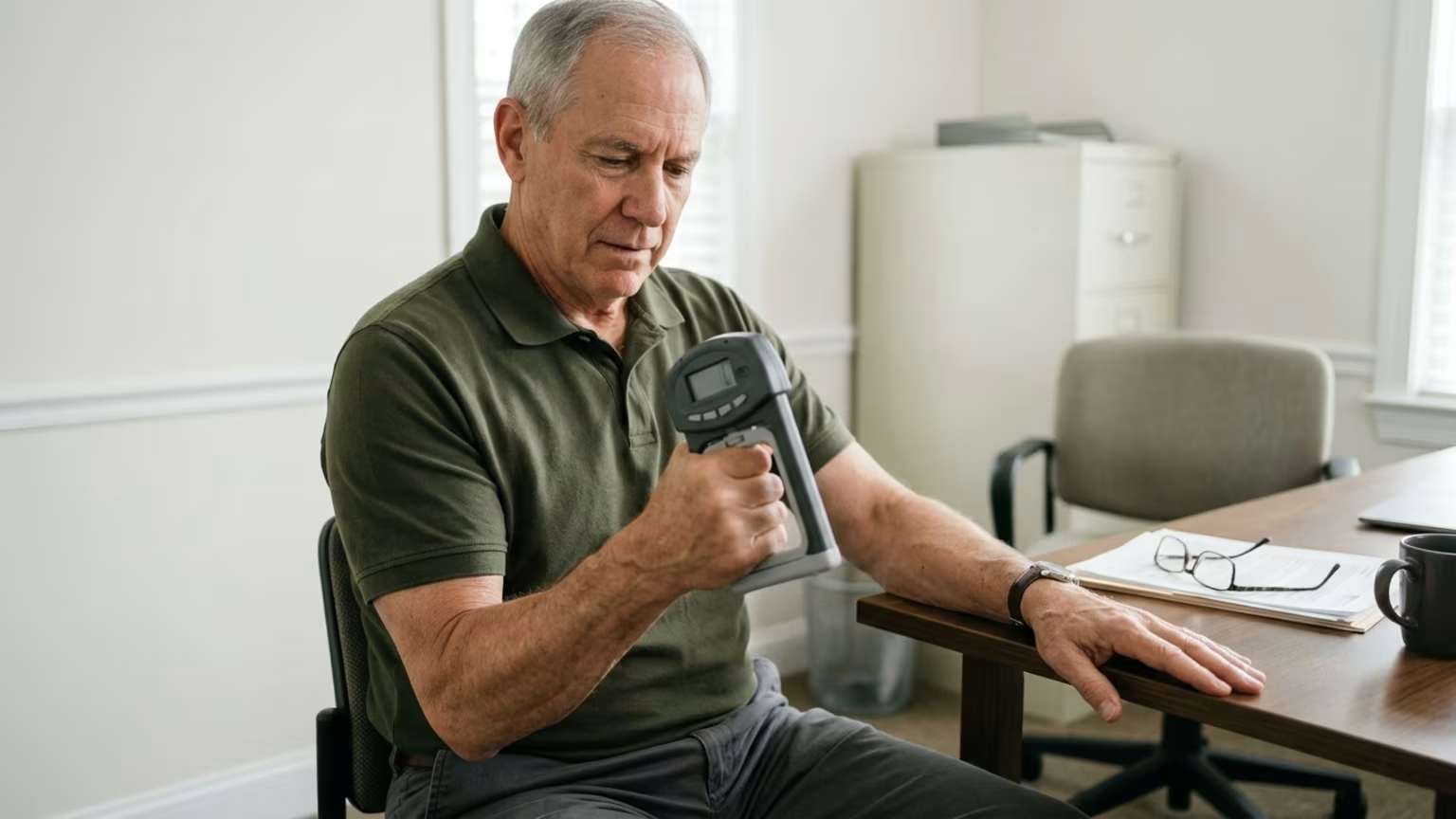
New research highlights sit-to-stand muscle power as a strong indicator of healthy aging and functional ability, offering an alternative to handgrip testing.


A recent VA update details how Million Veteran Program research informs clinical care. Learn how study data shapes future veteran medical decisions.
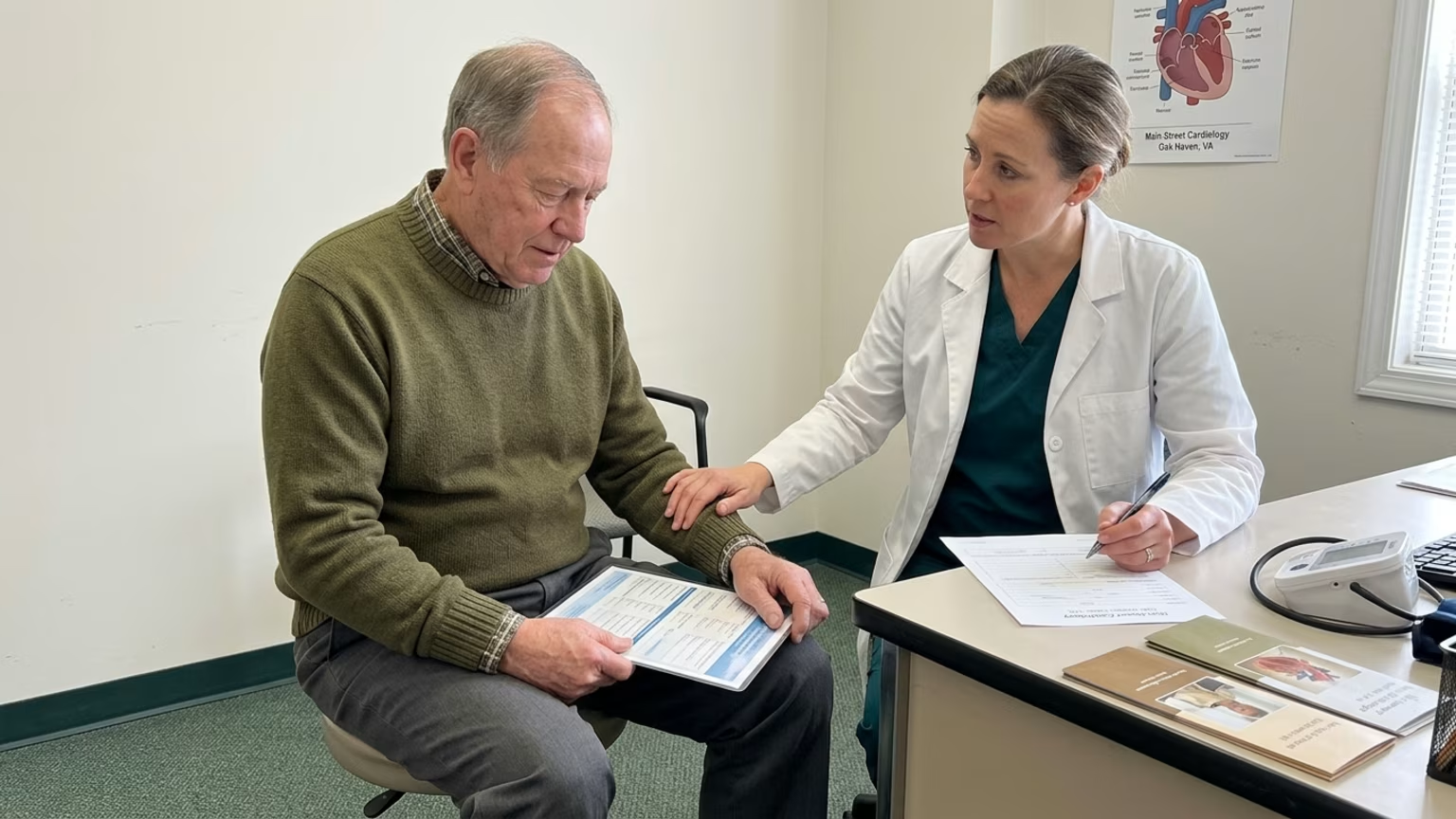
A recent Singapore study associates weaker grip strength and lower lean muscle mass with early left-atrial heart changes in older adults.
Build better habits around strength, recovery, sleep, hormones and healthy aging with practical guidance for active military personnel and veterans.
Explore BattleVet