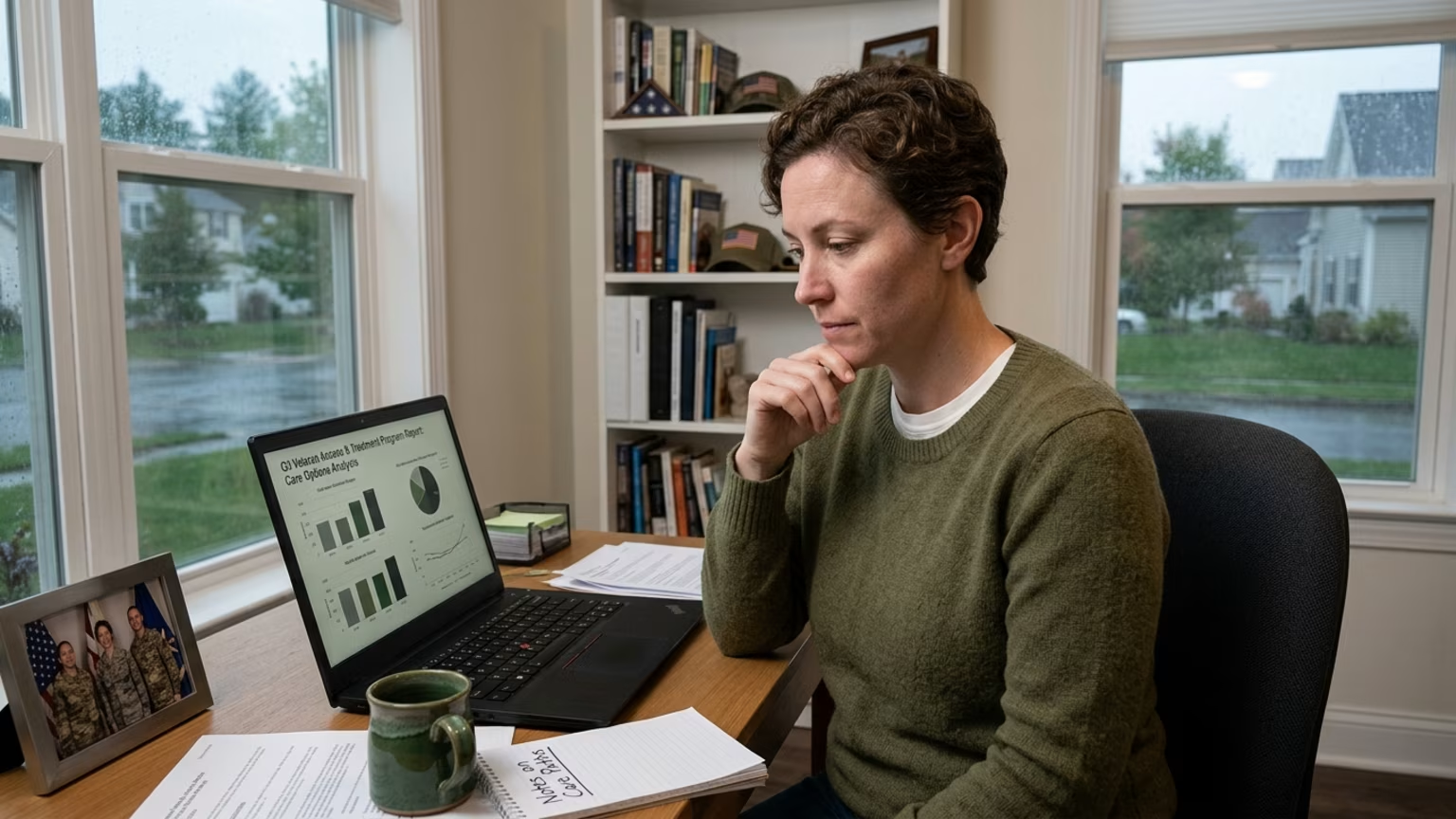

A review of the VA's 2026 suicide prevention data and updated mental health support options for veterans, focusing on community connection and emergency care.





Urgent Crisis Information: If you or someone else is in immediate danger, call 911. For urgent crisis support, call 988 and press 1 to reach the Veterans Crisis Line. You can also text 838255 or use their online chat. Support is confidential, available around the clock, and VA enrollment is not required. Securing firearms or medications safely is an important part of a safety plan, and veterans can arrange this step together with a trusted friend or clinician.
On October 1, 2026, WUSF republished a WBUR Here & Now segment focused on mental health resources and veteran support. Host Indira Lakshmanan spoke with Erin Fletcher, a psychologist and director of the Wounded Warrior Project’s Warrior Care Network. Their discussion centered on supporting post-9/11 veterans through comprehensive care and community building. The broadcast segment outlined practical ways veterans can seek mental health support when facing complex daily challenges.
Mental health does not exist in a vacuum separate from physical capability. The report identifies poor sleep, chronic pain, financial strain, isolation and mental health conditions as compounding risk factors. Fletcher emphasizes that connection and community help veterans feel less alone when facing these overlapping challenges. This update matters because it encourages a comprehensive view of veteran health.
Physical restoration is closely tied to managing stress and maintaining healthy daily routines. Veterans often attempt to handle persistent symptoms alone through willpower or isolation. Acknowledging that physical pain or financial pressure impacts mental resilience is a necessary step toward better care. By understanding how these elements interact, veterans can recognize when they need external support.
Proper intervention helps maintain long-term physical performance and mental sharpness. Integrating community resources with professional care creates a more reliable support structure. The recent report does not present community connection as a replacement for clinical treatment. Instead, it highlights how strong social ties reduce isolation and provide a vital layer of daily support.
Active military personnel and veterans benefit from building these networks before a crisis ever occurs. Taking these overlapping concerns seriously helps build a stronger foundation for healthy aging. Mental fatigue and chronic pain can disrupt sleep patterns and hinder physical recovery. Addressing these root causes allows veterans to maintain their fitness, mobility and overall daily capability.
Building a trusted community helps veterans navigate these health decisions with better context and confidence. Accessing accurate health information is crucial during the transition from active duty to civilian life. Reviewing our veteran life articles provides further insight into maintaining overall capability. Veterans need practical guidance on navigating healthcare information without sorting through unnecessary hype.
Maintaining strength, mobility and fitness requires more than just physical training. True recovery demands adequate sleep, balanced hormones and a proactive approach to mental well-being. Veterans facing high stress levels often experience poor sleep quality, which directly impacts physical performance the next day. Managing stress effectively is a core component of recovery and sleep routines that focus on sustained health.
Acknowledging this physical connection allows former service members to take control of their health decisions with better context. Separating credible evidence from early research trends is essential for making informed lifestyle adjustments. A proactive approach to both mental and physical health keeps veterans strong, capable and prepared.
The U.S. Department of Veterans Affairs released its 2026 National Veteran Suicide Prevention Annual Report to provide updated data. According to the VA, 6,488 veterans died by suicide in 2024. This figure represents an average of 17.7 veteran deaths per day. The year 2024 is the most recent period for which the official report provides data.
This data offers a clear picture of the ongoing challenges facing the veteran population. Understanding VA health care enrollment is important context when interpreting these statistics. The VA notes that 50.1 percent of veterans were enrolled with the Veterans Health Administration in 2024. This represents a significant increase from an enrollment rate of 19.5 percent in 2001.
Despite this increase in overall enrollment, the data reveals a critical gap in care for those outside the system. The VA says 62 percent of veterans who died by suicide in 2024 were not receiving VA health care in the year of their death or the year prior. The 2026 report also details differing rate changes between enrolled and unenrolled veterans over time.
From 2001 to 2024, the suicide rate among veterans enrolled in VHA fell 2.2 percent. During that same timeframe, the rate among veterans not enrolled in VHA rose 70.8 percent. These percentages reflect changes in rates rather than absolute counts. The VA announcement does not provide the underlying absolute rates for enrolled and unenrolled veterans.
Readers should avoid using these percentages to imply that one group has a definitively higher or lower absolute rate than the other. Recent short-term data shows a continuing trend regarding health care enrollment status. From 2023 to 2024, the suicide rate for enrolled veterans declined 4.8 percent. Conversely, the rate for unenrolled veterans increased 3.7 percent over that same one-year period.
This data underscores the importance of reaching people outside current VA care channels. However, the report does not by itself explain why those specific veterans were not receiving care. The statistics primarily describe past outcomes rather than the current prevalence of mental health struggles across all veterans. Reviewing military health articles helps veterans evaluate systemic health trends with better context.
Recent guidance updates clarify how veterans can access different levels of clinical and community care. The VA says all VA health care facilities provide same-day access to emergency mental health care when needed. This policy ensures that urgent needs receive immediate attention from qualified medical professionals. Patients should check their local facility instructions for exact details on how to connect with these emergency resources.
For non-emergency situations, the VA provides routine mental health services for issues like depression and anxiety. They also offer clinical support for PTSD, substance use, stress and relationship concerns. One VA health care system notes that patients can request mental health services directly without a primary care referral. This specific direct access detail applies to that single system and should not be generalized to every facility.
Accessing appropriate veteran lifestyle and healthcare resources can help veterans navigate these options effectively. Technology is also expanding the ways veterans can consistently connect with qualified providers. According to VA News, veterans can use VA Video Connect for scheduled tele-mental-health visits with a VA mental health provider. This digital option reduces travel barriers and makes it easier to maintain regular ongoing appointments.
Remote tele-health options help veterans fit necessary clinical care into their daily physical routines. At the community level, new funding is supporting local organizations that work directly with former service members. The VA announced 112 million dollars in Staff Sergeant Parker Gordon Fox Suicide Prevention Grant awards. These grant funds were distributed to 191 local community organizations.
The VA says these Fox grantees served about 17,000 veterans, active service members and family members in 2025. This number is more than 4,000 above the total served in 2024. The VA describes these grants as community support that complements clinical care and crisis services. Family members, friends and fellow veterans can also contact the Veterans Crisis Line about a veteran they are concerned about.
Building a reliable support system requires integrating both physical and mental health strategies. Accessing proper care allows veterans to manage the transition to civilian life while maintaining their body composition and strength. Evidence led approaches clearly communicate the limits of current research while highlighting practical steps for daily improvement. Veterans who proactively engage with both community resources and clinical care are better equipped to handle the demands of healthy aging.
By prioritizing sleep, stress management and physical restoration, former service members can sustain their overall capability. Utilizing healthy aging and longevity guidance alongside these clinical tools supports long-term physical resilience.
As the VA and community organizations expand their outreach, the primary focus remains on closing the gap in health care access. Community grants and telehealth platforms offer practical ways to engage those who are not currently enrolled in the VHA system. The data highlights a clear difference in rate trends based on sustained health care access. How will future initiatives further integrate local community networks with clinical care systems to successfully reach unenrolled veterans?
Follow BattleVet for practical guidance on military and veteran health, strength, recovery, testosterone, sleep and healthy aging. Stay connected for new articles, research backed insights and clear information to help you stay capable for the years ahead.


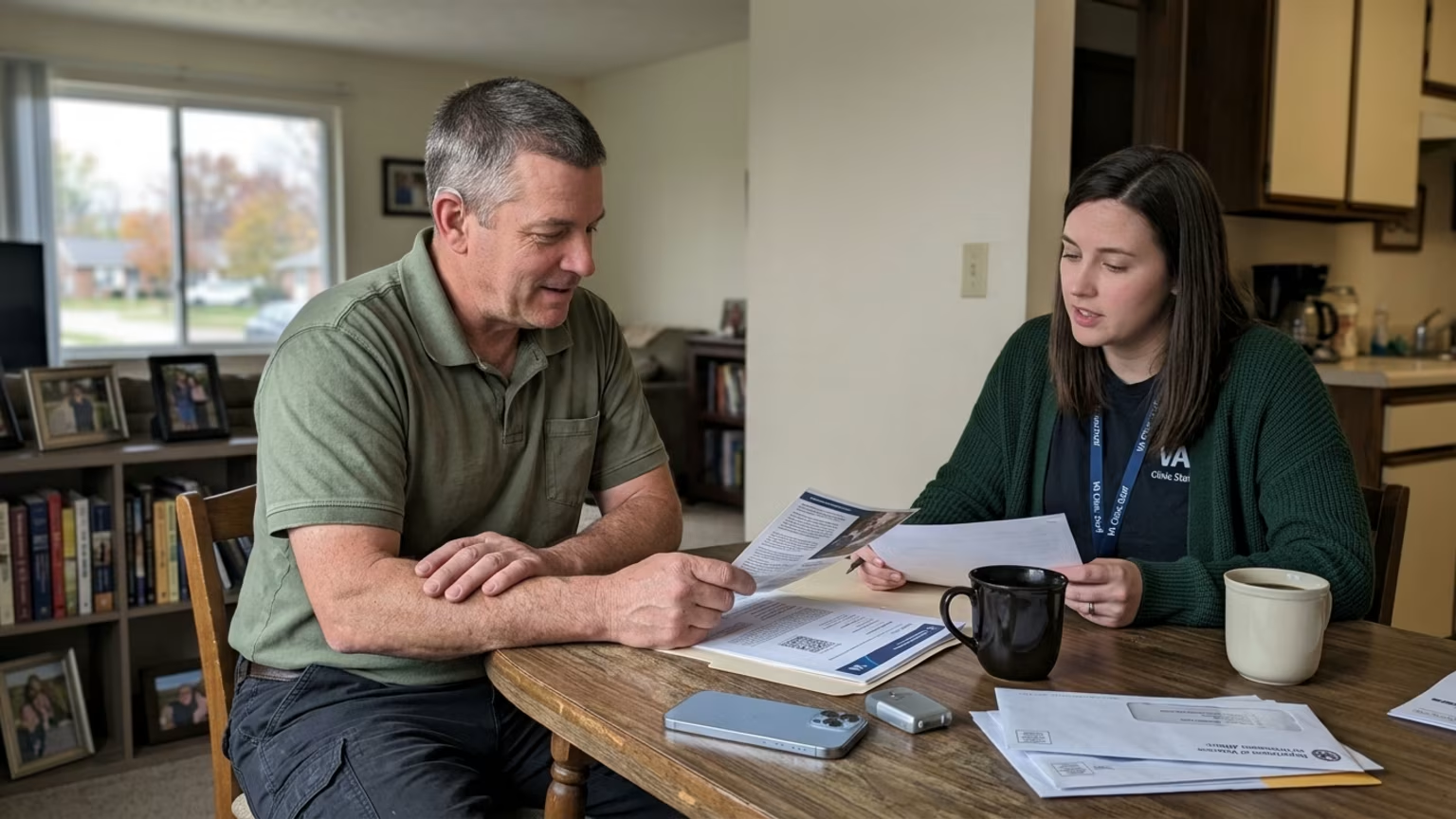
A breakdown of the October 2026 Hearing Health Foundation update on veteran hearing loss, tinnitus data, and proactive steps for long-term auditory care.

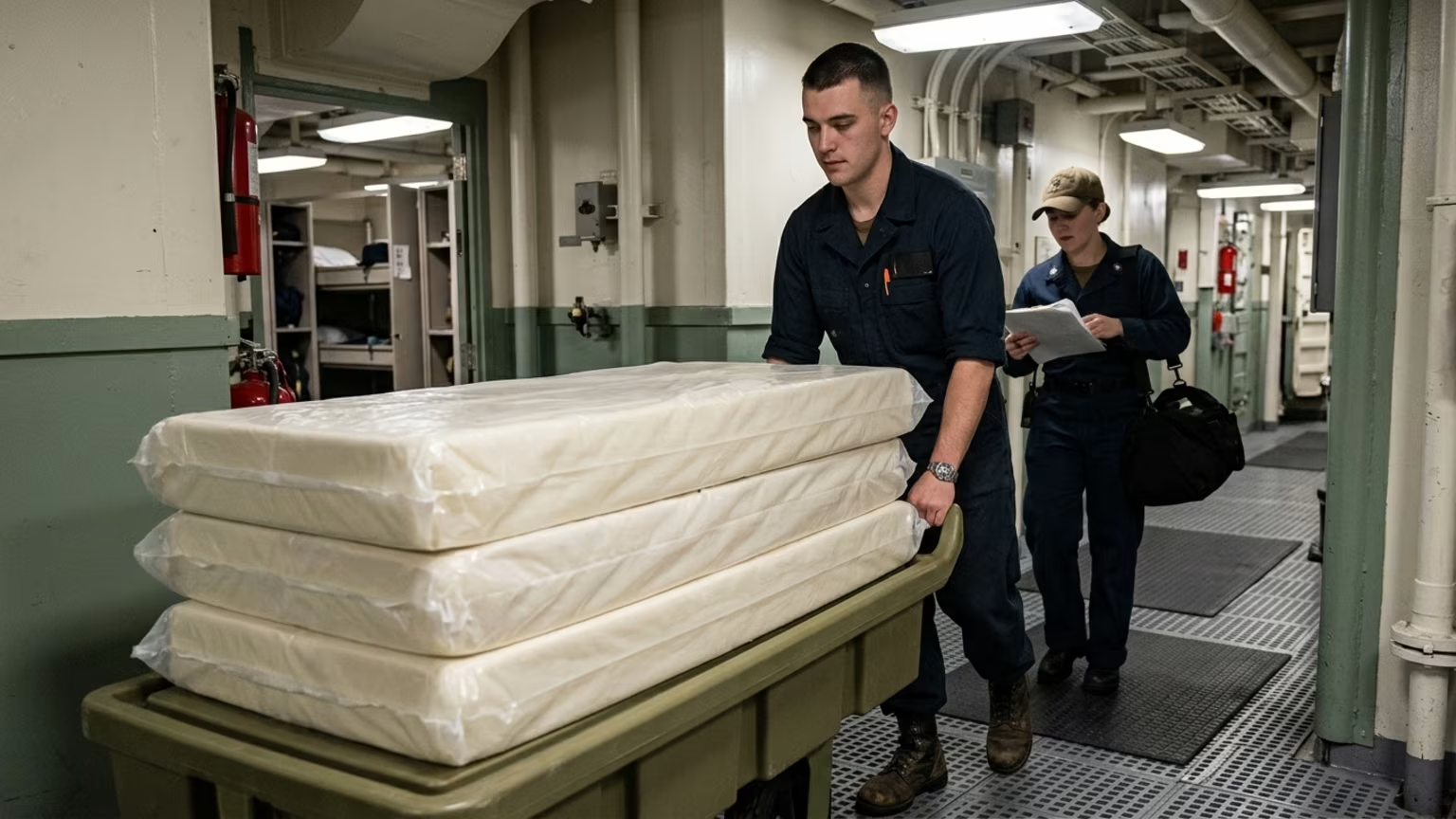
The Navy is evaluating engineered foam mattresses aboard USS Paul Hamilton to study shipboard sleep quality, rest and operational fatigue.
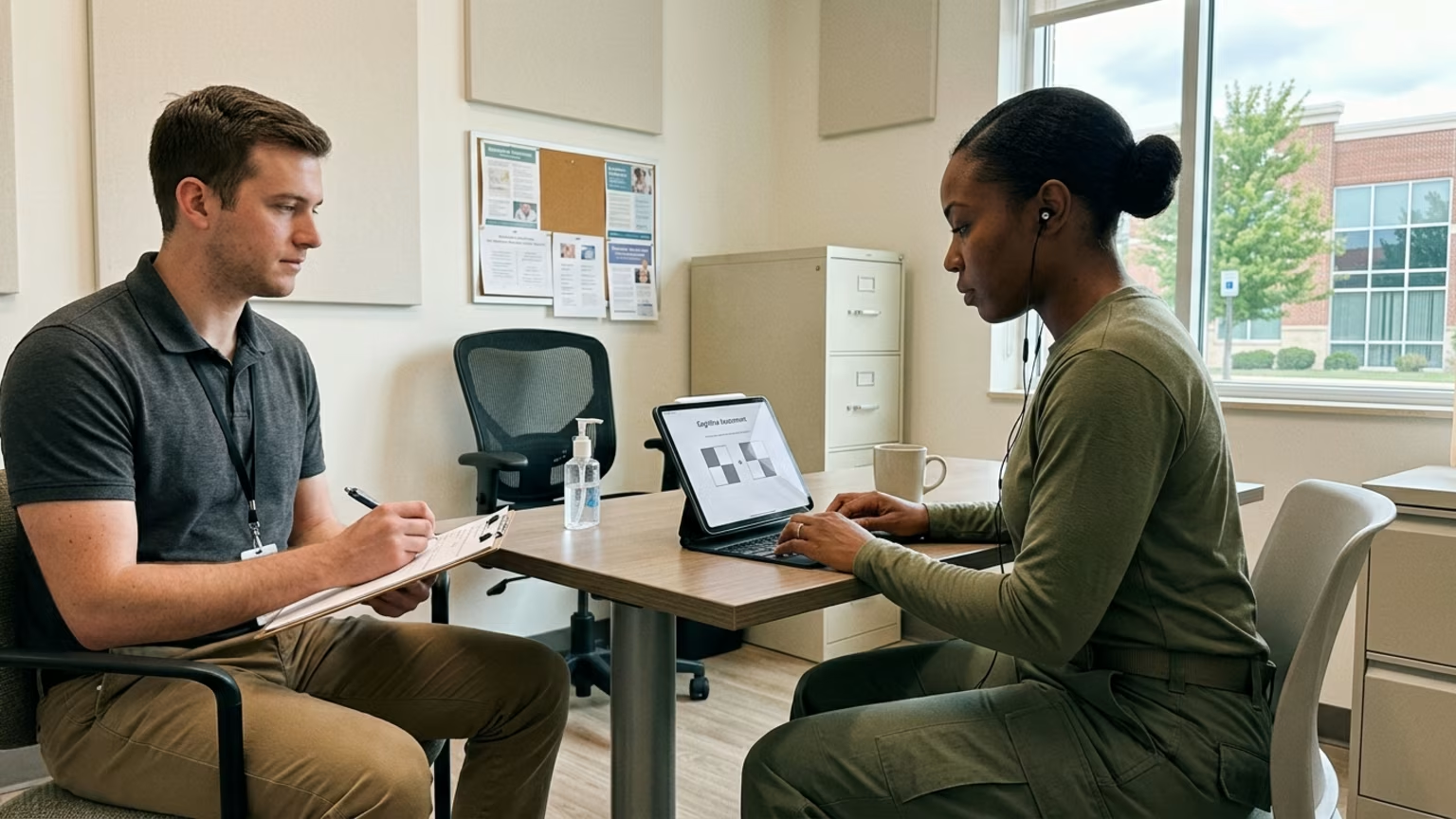
The Army reports 97 percent of Soldiers have completed its cognitive baseline assessment. Learn how this data tracks blast exposure and supports veteran health.
Build better habits around strength, recovery, sleep, hormones and healthy aging with practical guidance for active military personnel and veterans.
Explore BattleVet