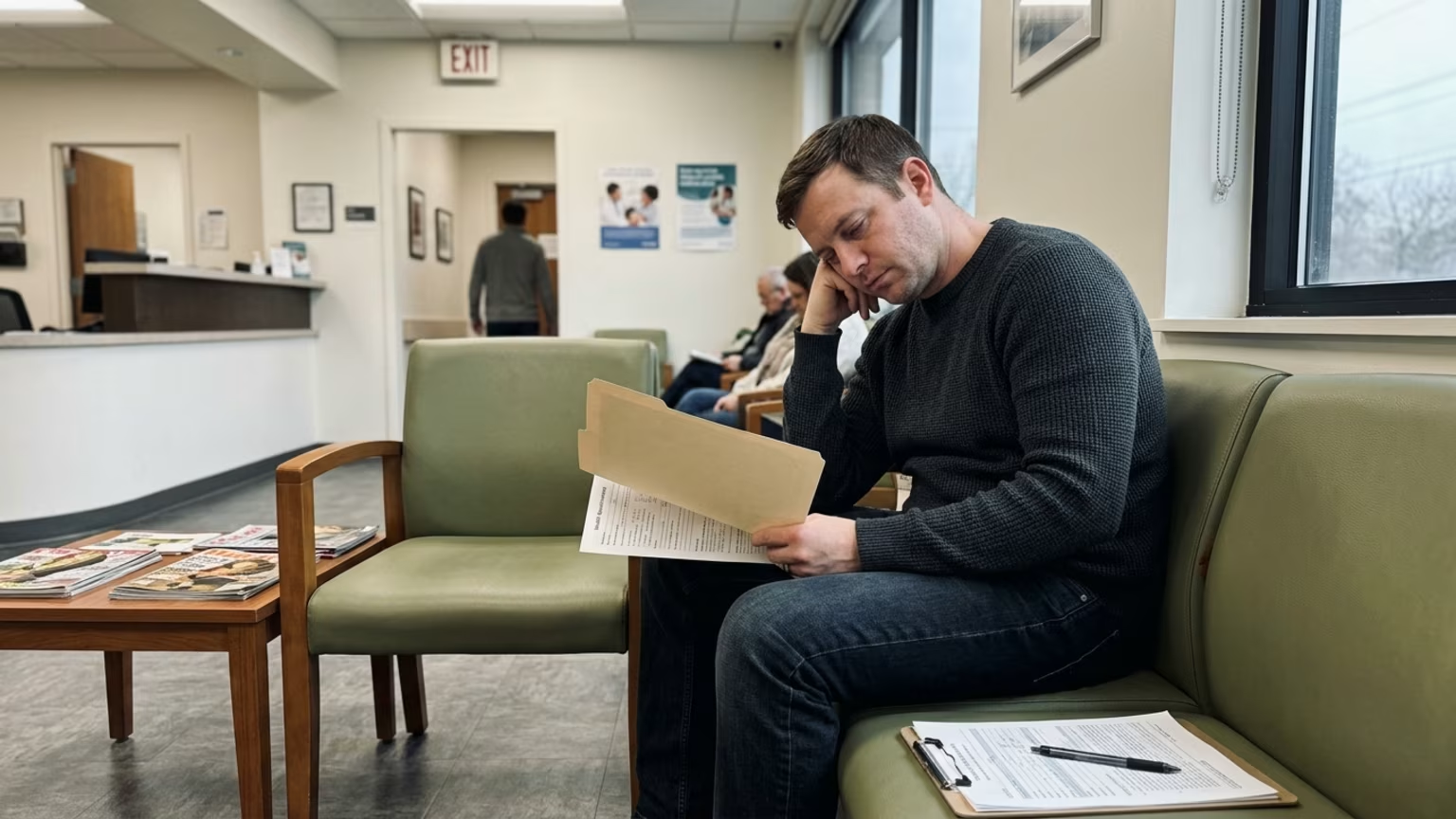

Persistent daytime sleepiness is often a medical symptom, not a lack of willpower. Learn why sleep apnea and restless legs require clinical evaluation.





Treating chronic daytime exhaustion as a simple lack of discipline ignores basic biological reality. Military culture often teaches personnel to power through fatigue with caffeine and sheer determination. Masking severe exhaustion with stimulants rarely solves the underlying problem. It simply hides medical conditions that degrade physical readiness and cognitive function over time.
Ignoring the body's demand for rest forces the cardiovascular and nervous systems to work under constant stress. Over-the-counter energy drinks and heavy coffee consumption create a false sense of security. The brain might feel alert, but the physical tissues are not receiving the downtime required for cellular repair. This biological debt always demands repayment, usually in the form of injury or illness.
Service members frequently normalize waking up tired and pushing through the day. This approach assumes that feeling exhausted is just a standard part of duty. The truth is that persistent sleepiness usually points to a distinct physiological disruption. Willpower cannot override a clinical sleep disorder or repair a broken biological clock.
Relying on caffeine or prescribed stimulants to stay awake does not correct poor physical restoration. These substances only temporarily block the chemical signals of fatigue in the brain. They do not fix broken circadian rhythms or repair fragmented sleep architecture. Stimulants simply allow a person to function poorly while accumulating massive sleep debt.
Many people try to manage their exhaustion by sleeping it off on the weekends. This strategy often backfires and creates more functional problems during the week. Large differences between weekday and weekend wake-up times severely disrupt circadian timing. Maintaining a stable wake-up time every day is a much more effective corrective measure.
Basic environmental factors can also quietly fragment your rest without you realizing it. Sleep specialist Roman Buzunov notes that noise, excessive temperatures, bright light and uncomfortable bedding all interfere with recovery. Trying to out-caffeine an environment that actively wakes you up is a losing battle. Small changes to your bedroom setup can significantly improve your baseline energy levels.
Chronic sleepiness is rarely an isolated behavioral problem. Buzunov lists nutritional deficiencies, thyroid disorders, anxiety and depression as potential contributors to daytime fatigue. Clinical sleep disorders like obstructive sleep apnea and restless legs syndrome are often the primary culprits. These specific medical conditions make rest shallow and actively prevent physical recovery.
Obstructive sleep apnea involves repeated breathing interruptions throughout the night. Many people with this condition do not realize their breathing repeatedly stops and restarts during sleep. They may experience severe fatigue and reduced alertness without ever knowing the exact cause. A bed partner or roommate is often the first person to notice the gasping and snoring.
The relevance of these breathing disorders for military personnel is incredibly substantial. A VA research summary reviewed a specific survey of nearly 20,000 people. This survey found sleep apnea in 21% of Veterans compared with 9% of non-Veterans. The data shows a clear need to prioritize recovery and sleep evaluations across the military community.
Deployment history also appears to play a significant role in these health statistics. Veterans who had deployed showed 64% higher odds of obstructive sleep apnea than Veterans who had not deployed. These figures describe associations in the reported survey rather than proving that deployment directly causes the condition. Still, the connection strongly justifies medical screening for former service members with deployment histories.
The same survey revealed a concerning diagnostic timeline for military personnel. Veterans were diagnosed with sleep apnea an average of five years earlier than non-Veterans. Catching these breathing disorders early can prevent years of unnecessary physical strain and cognitive fog. Early intervention protects your heart and helps preserve your long-term physical capability.
When a doctor suspects a serious breathing disorder, they typically employ a stepwise diagnostic approach. The evaluation generally includes a review of your medical and family history. This is often followed by a physical examination focused on the mouth, neck and throat. A formal diagnostic sleep study is then performed either in a laboratory or at home.
Standard fitness advice often dictates that everyone needs exactly seven to eight hours of rest. Buzunov cautions that this rigid target may not meet every person’s individual biological requirement. He points out that individual needs can actually range from four to 12 hours. Forcing a ten-hour sleeper into a six-hour schedule will inevitably cause profound daytime impairment.
Environmental changes throughout the year also influence daily fatigue levels. A separate physician noted that increased autumn drowsiness is partly linked to reduced daylight exposure. This lack of ambient light alters the biological clock and creates seasonal tiredness. While seasonal shifts are temporary, persistent sleepiness always warrants clinical attention to rule out underlying disease.
Restless legs syndrome is another major medical cause of unexplained daytime exhaustion. An individual might describe their problem as simple insomnia or restless sleep to a doctor. They often fail to identify the characteristic urge to move their legs in the evening. This constant movement severely disrupts the deep stages of physical restoration required for optimal health.
A VA and DoD-linked clinical guidance summary highlights the importance of thorough clinical screening. The summary recommends screening for snoring, witnessed apnea, daytime sleepiness and restless legs. Clinicians should also assess depression, substance use, pain and environmental disruption. Objective testing should be reserved for suspected sleep diagnoses rather than ordinary insomnia.
Veterans must reframe their approach to sleep, stress and resilience by prioritizing proper medical diagnosis. The first step is to track your physical patterns rather than just your feelings. Record your bedtime, wake time, awakenings and caffeine use for two weeks. This structured data helps a clinician distinguish between insufficient rest and a true medical disorder.
Buzunov suggests a highly practical baseline test for anyone struggling with fatigue. He advises temporarily extending sleep by 30 to 60 minutes for one to two weeks. Patients can then assess whether their daytime functioning actually improves with the extra time. If exhaustion persists despite adequate time in bed, professional medical evaluation is absolutely required.
You must also actively ask your doctor about warning signs for specific respiratory conditions. Discuss loud snoring, witnessed pauses in breathing and persistent daytime sleepiness with a professional. Mention any uncomfortable sensations in your legs that worsen in the late evening. Bringing objective observations to your appointment makes the clinical assessment much more accurate and useful.
Service members and veterans should use available military and VA healthcare channels for evaluation. VA outreach materials list sleep studies, CPAP equipment and cognitive behavioral therapy among available options. Navigating veteran life means using these medical resources to maintain your long-term health. Treat severe sleepiness as a critical safety and readiness issue rather than a personal failing.
Safety must be treated as a core readiness issue when dealing with severe exhaustion. If sleepiness causes unintended dozing or near-misses while driving, you need prompt medical advice. You should avoid hazardous tasks and long drives while dangerously drowsy. Military commanders and healthcare providers can help manage operational decisions while you seek a proper diagnosis.
True physical capability requires treating chronic exhaustion as a medical symptom to investigate rather than a personal weakness to endure.
Follow BattleVet for practical guidance on military and veteran health, strength, recovery, testosterone, sleep and healthy aging. Stay connected for new articles, research backed insights and clear information to help you stay capable for the years ahead.


JAMA estimates low testosterone readings in active-duty Army men. See the threshold data, study limits, and implications for clinical follow-up.

The Army’s HVAC task force targets hot barracks. Here is what its project figures mean and how to assess future housing and sleep-related claims.

The BRIDGE Act proposes a whole-family military transition pilot. Read who it would serve, what support it includes, and what remains unresolved.
Build better habits around strength, recovery, sleep, hormones and healthy aging with practical guidance for active military personnel and veterans.
Explore BattleVet