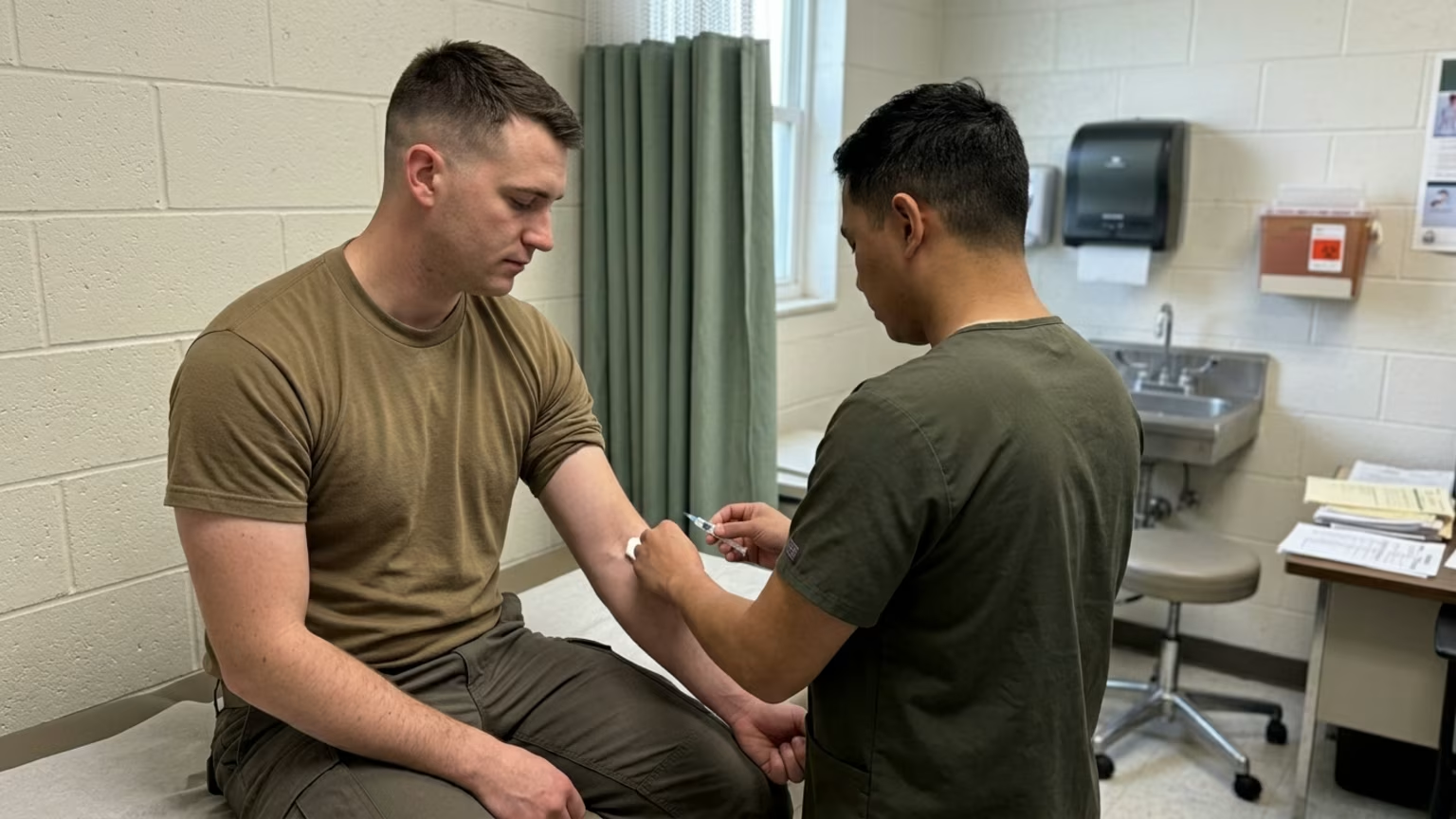

JAMA estimates low testosterone readings in active-duty Army men. See the threshold data, study limits, and implications for clinical follow-up.





On October 15, 2026, JAMA published a Research Letter estimating how often active-duty male U.S. Army personnel would have morning testosterone measurements below two screening thresholds. Researchers analyzed data from the Military Health and Nutrition Examination Study to estimate the potential scale of below-threshold results.
The update matters because screening is only the beginning of a healthcare process. A result flagged by a laboratory needs to connect with an appropriate clinical assessment. For active personnel, the practical significance is how screening leads to confirmation and evaluation rather than simply how many tests are completed.
According to Medical Xpress's report on the research, corresponding author Claire E. Berryman said the findings could help quantify how many service members might need follow-up testing and clinical evaluation. That makes the estimates relevant to both individual health discussions and planning for healthcare services.
The distinction matters for how the findings are communicated. A prevalence estimate can help describe the potential demand for follow-up. It does not explain what care any particular person will need after that assessment.
For veterans following military hormone policy, the study also provides a useful example of how to read screening research. The central questions are what was measured and how the result connects to a health decision. Those questions are more useful than treating a headline percentage as a complete account of hormone health.
As reported by Medical Xpress, researchers analyzed data from 479 male participants. The Military Health and Nutrition Examination Study was conducted at five U.S. Army installations between August 2024 and January 2026.
The researchers estimated the prevalence of morning testosterone measurements below two different thresholds. The choice of threshold materially changed the reported estimate.
Medical Xpress reported these findings from the JAMA analysis:
These population totals are estimates based on the study data. They are not additional participants who were individually tested as part of the sample.
The two percentages answer related but different questions. Each describes the estimated share falling below a specified laboratory threshold. Any summary of the findings needs to retain the cutoff alongside the percentage so that readers know which result is being discussed.
For healthcare planning, that distinction affects the estimated number of people whose results might prompt follow-up. For an individual reader, it shows why the definition used in a study matters as much as the headline number.
The researchers reported higher estimated rates among men aged 30 and older than among men younger than 30:
Medical Xpress also reported that low measurements were more common among men with higher BMI. These are group-level associations. They do not establish that age or BMI caused an individual's result.
The age findings connect with the broader question of when testosterone changes become clinically significant. They are relevant to a discussion of healthy aging without making an age category a diagnosis.
Each participant contributed a single testosterone measurement. The researchers emphasized that a single low measurement does not establish hypogonadism or show that treatment is needed.
The researchers also noted that laboratory assay differences could affect classification near a cutoff. Testosterone can vary with age and time of day. Obesity, illness, and physical stress can also affect a result.
The population studied was active-duty male Army personnel. The reported percentages should not be treated as measured prevalence rates for veterans or for every military service.
These boundaries define the study's useful role: estimating below-threshold measurements in a specified population. The appropriate next step is to connect those findings with the confirmation and clinical evaluation described by the researchers.
The clearest practical implication is a stronger focus on what happens after screening. The research supports planning for follow-up and explaining results accurately. It does not turn a population estimate into an individual care decision.
That distinction should remain visible when the study is discussed alongside military screening requirements. A study estimate and a policy requirement serve different purposes.
Military Times reported that the screening policy calls for annual testing for active-duty and reserve personnel aged 30 and older. The outlet described Defense Health Agency guidance calling for morning testing on two separate days and further evaluation for results below 300 ng/dL.
The JAMA analysis estimates how many active-duty Army men might fall below the study's thresholds. The policy coverage describes screening requirements and the follow-up process. Keeping those roles separate helps prevent a policy announcement from being mistaken for a research conclusion.
The difference is also important when considering healthcare capacity. The study's estimates concern the potential number of below-threshold results. Planning around those estimates means considering access to confirmation and evaluation rather than counting initial tests alone.
A useful assessment of screening should therefore consider the full path from the initial measurement to a clinical decision. Completing a screen and completing an evaluation are different points in that process. Berryman's comments place the findings in that follow-up context.
For someone with a below-threshold result, the source-supported response is a discussion with a qualified clinician about confirmation and evaluation. The purpose is to understand the result in its clinical context before making personal health decisions.
That discussion provides a place to address the circumstances surrounding the test and the person's health concerns. It also keeps the focus on the person being assessed rather than on whether their result resembles a population average.
BattleVet's guide to separating hormone concerns from other possible explanations provides broader context for that conversation. Its focus fits the central decision here: understanding what needs evaluation before assuming a particular explanation or treatment.
For active personnel, the published screening guidance supplies the policy context. For veterans, individual testing and care decisions belong with qualified clinicians. The Army estimate offers research context rather than a substitute for that discussion.
The reported findings do not establish a new strength program or recovery protocol. They also do not demonstrate that hormone treatment would improve physical performance or readiness.
The practical performance implication is to keep medical evaluation and training decisions connected without treating them as interchangeable. A laboratory screening threshold is not a training target. A population prevalence estimate is not a measure of an individual's physical capability.
For BattleVet, hormone health belongs alongside strength, recovery, and healthy aging. Keeping those subjects connected means being clear about which question the evidence answers. Here, the evidence concerns screening measurements and the potential need for clinical follow-up.
The next useful research questions concern what happens after an initial screen. Relevant outcomes would include how often low measurements persist and how clinical evaluations shape subsequent care. Following that pathway would make the screening discussion more informative for long-term health decisions.
For military healthcare planning, the goal should be to understand the care process rather than the screening count alone. For veteran healthcare, future research would need to establish findings in the populations receiving that care.
How will future military and veteran research connect initial testosterone screening results with confirmed clinical findings and meaningful long-term health outcomes?
Follow BattleVet for practical guidance on military and veteran health, strength, recovery, testosterone, sleep and healthy aging. Stay connected for new articles, research backed insights and clear information to help you stay capable for the years ahead.


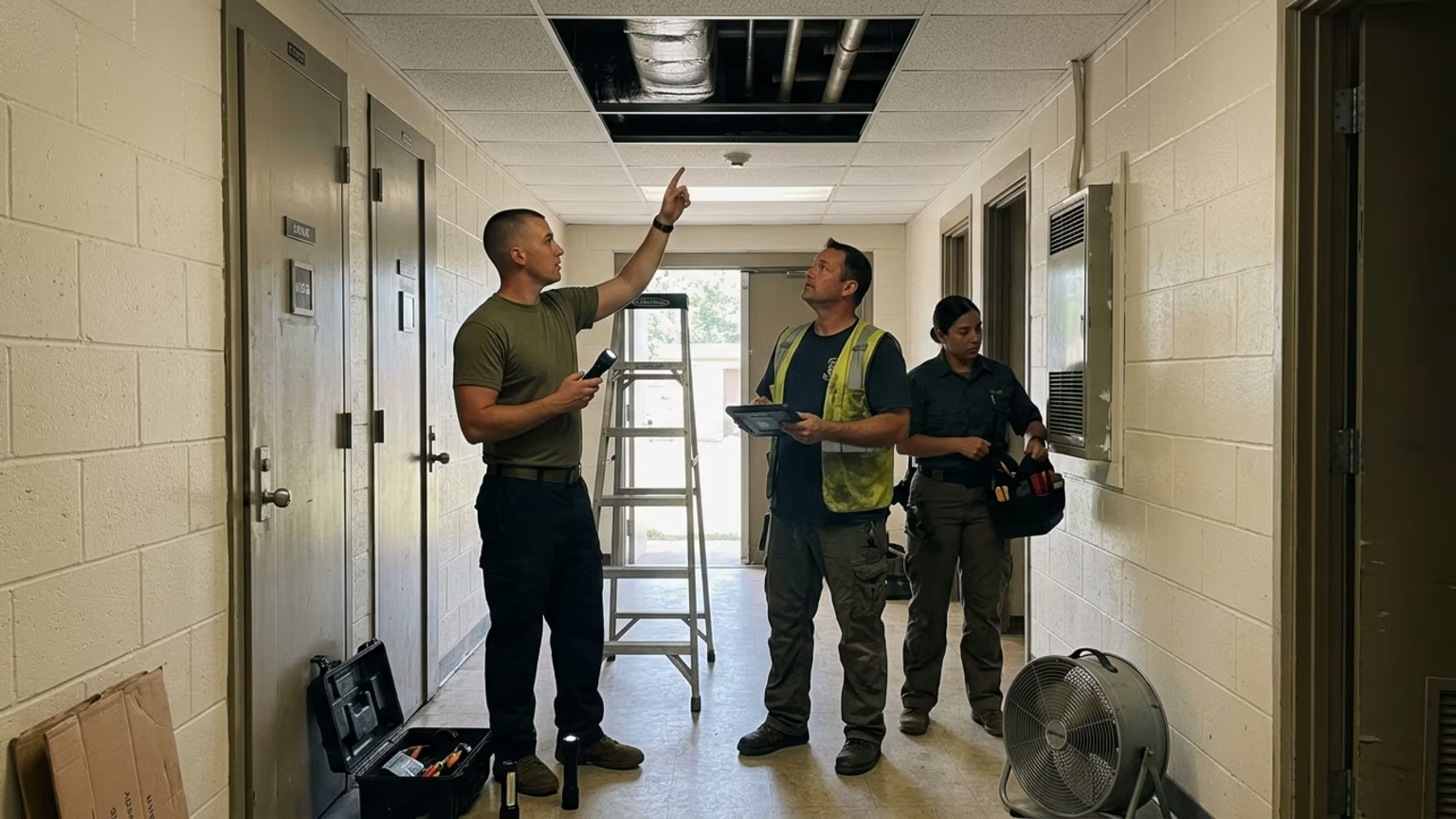
The Army’s HVAC task force targets hot barracks. Here is what its project figures mean and how to assess future housing and sleep-related claims.


The BRIDGE Act proposes a whole-family military transition pilot. Read who it would serve, what support it includes, and what remains unresolved.

Combat Stress’s workplace guidance emphasizes listening over diagnosis. Recent U.S. veteran insomnia research adds context for sleep and recovery concerns.
Build better habits around strength, recovery, sleep, hormones and healthy aging with practical guidance for active military personnel and veterans.
Explore BattleVet