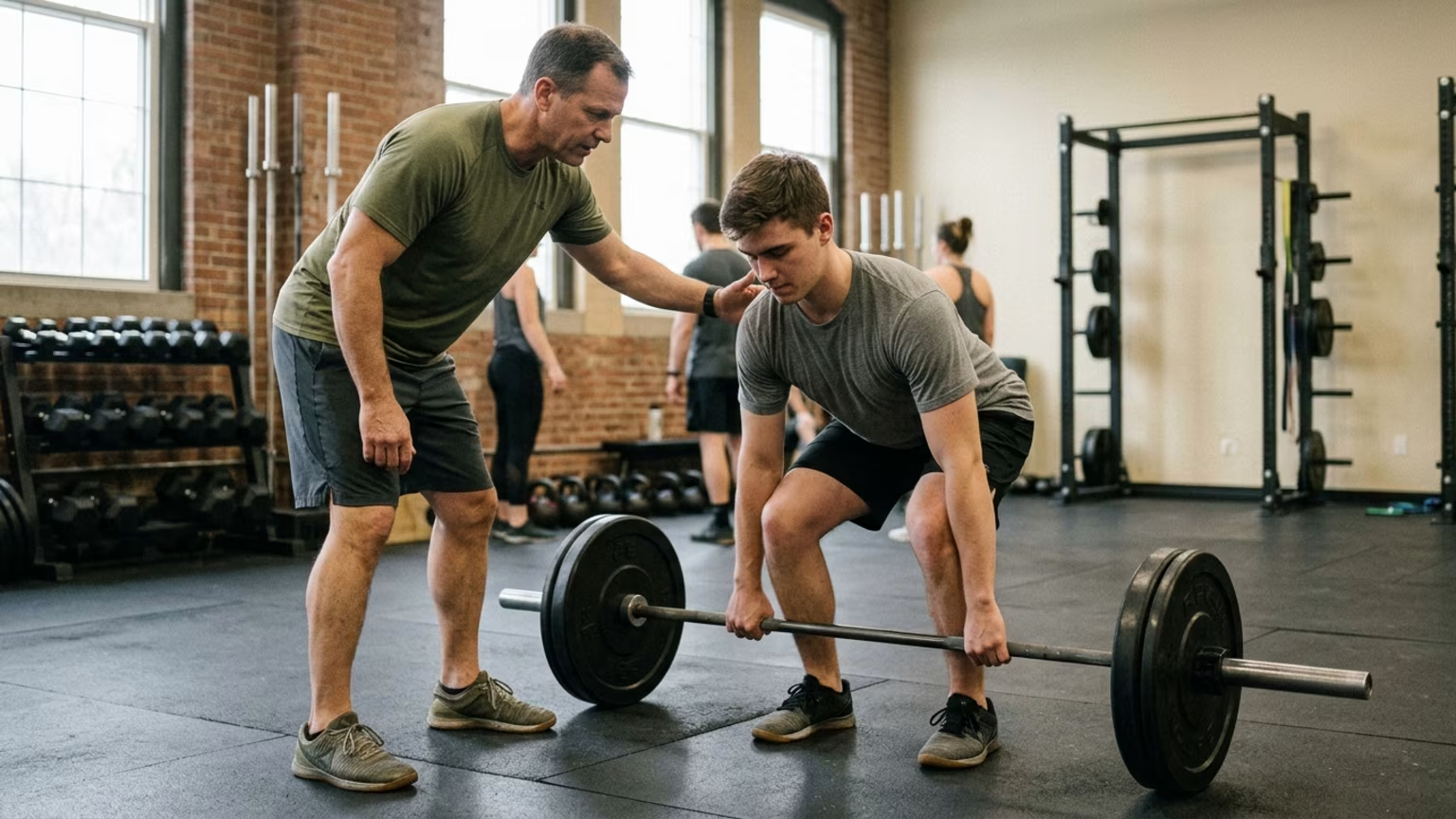

Explore how Fort Rucker's Holistic Health and Fitness (H2F) program connects strength training, nutrition, and sleep to support long-term military capability.





A physical therapist, a dietitian, and a strength coach sit in an office near the main shopette at Fort Rucker. They are mapping out weekly training schedules for aviation personnel inside Yano Hall. This is not a medical clinic for broken troops, but the operational headquarters for everyday physical readiness. Pushing through pain to achieve tactical readiness is a fast track to long-term physical decline. Real capability requires a system that treats sleep and nutrition as equal partners to physical conditioning.
Historically, military fitness focused strictly on the weight room and the physical training field. Service members learned to separate the gym from the rest of their daily lives. This isolated model treats injuries only after they happen, completely ignoring how sleep deficits degrade physical output. It assumes that physical toughness alone can overcome poor nutrition and chronic fatigue.
Trying to maintain fitness years after leaving service required a completely new mindset. The goal changed from immediate tactical readiness to healthy aging and longevity. I learned that connecting short term performance with long term health, focusing on mobility and cardiovascular function, was the real key to staying capable. The traditional military model simply does not support that vital transition.
The old military culture rewarded those who ignored physical limitations and pushed through exhaustion. This mindset produced a generation of veterans dealing with chronic joint injuries and persistent sleep disorders. Training programs often prioritized immediate compliance over sustainable physical development and biological recovery. We now know that treating the body like an expendable machine guarantees a rapid decline in baseline capability.
When training is disconnected from recovery, the body eventually breaks down. A high volume of intense physical training without adequate sleep leads directly to diminished returns. Veterans often carry this flawed methodology into civilian life, resulting in chronic joint pain and metabolic issues. We have to stop viewing physical training as an isolated event that ends when we leave the gym.
We have historically relied on isolated medical interventions only after structural damage has occurred. A service member might run on a damaged knee for months before seeking a clinical evaluation. This reactive healthcare cycle keeps individuals trapped in a permanent state of rehabilitation and basic recovery. True performance optimization requires treating sleep hygiene and nutritional intake as the first line of defense against physical breakdown.
The U.S. Army reports that Fort Rucker fully launched its Holistic Health and Fitness (H2F) program in October 2025. The initiative replaced the traditional training model with an integrated, 10-member team covering multiple disciplines. This team includes a physical therapist, a dietitian, an occupational therapist, and strength coaches alongside a cognitive performance specialist. Their mandate is to support physical and mental stamina for performance, survival, and deployment.
The biological reality is that physical capability relies heavily on systemic recovery. A 2026 Military Medicine study reported that ROTC cadets described readiness as multidimensional. Participants viewed readiness as influenced by sleep, physical fitness, nutrition, emotional regulation, commitment, and mindset. True physical readiness clearly requires far more than just lifting heavy weights or running for distance.
Poor sleep directly impacts physical capacity and metabolic function. Fort Rucker H2F director Jeremy McGowan noted that poor sleep can impair gym performance and increase hunger. He stated that sleep is a critical issue the team regularly addresses with Aviators. Ignoring sleep essentially undoes the hard work performed during physical training sessions.
Body composition also plays a significant role in functional capability and injury prevention. A 2026 review in Military Medicine reported that several measures of adiposity were generally associated with poorer performance. Higher body-fat percentage, body-mass index, visceral fat, and waist circumference were linked to poorer cardiorespiratory and functional outcomes. In some studies, these factors were associated with greater musculoskeletal-injury risk.
Fort Rucker H2F director Jeremy McGowan characterized the program as an all-encompassing resource intended to keep Soldiers fit, healthy, and ready to deploy. McGowan emphasized that H2F is intended to move beyond isolated physical-training or injury-treatment encounters. The goal is to become more involved in the day-to-day readiness of service members across all five domains. He described H2F as a resource intended to help warfighters perform better from a holistic standpoint.
The Fort Rucker program primarily supports Soldiers assigned to the 1st Aviation Brigade while also working with permanent-party Soldiers. H2F also works with Aviators on sleep-related concerns and supports the Pregnancy and Postpartum Physical Training program. The team partners with the brigade chaplain on classes and resources related to spiritual resilience. This broad integration shows how comprehensive health optimization requires specialized knowledge across multiple different fields.
We must also acknowledge the limitations in current reporting on this initiative. The Fort Rucker article does not provide numerical evidence showing changes in injury rates or fitness-test scores. It lacks data on rehabilitation time, deployability, retention, or operational performance. The Army National Guard describes H2F’s intended outcomes as improved Soldier readiness, better physical performance, and reduced injury rates. These statements describe program goals rather than verified Fort Rucker outcome measurements.
Service members and veterans must stop treating training, diet, and recovery as disconnected chores. Fort Rucker’s program organizes readiness around physical health, nutritional fueling, sleep hygiene, and mental or spiritual resilience. This is a practical framework that anyone can adapt to support their own healthy aging. The physical component integrates strength and conditioning with injury prevention, physical therapy, and the development of functional power.
At Fort Rucker, H2F personnel currently work directly with Advanced Individual Training (AIT) Soldiers multiple times per week. Other Soldiers can use the program through individual appointments and scheduled unit physical-training sessions. The team is developing a mobile application to let Soldiers book appointments and register for classes. Fort Rucker’s longer-term goal is a rotating schedule to give every Soldier routine access to all domains.
Veterans can adapt this approach by building their own integrated health teams using civilian providers. This means actively coordinating strength training, rehabilitation, and sleep management rather than treating them separately. You can read more about building functional routines in our Strength, fitness and body composition Resources. Managing testosterone and hormones also requires a systemic approach that incorporates proper nutrition and sufficient rest.
Training sessions should also challenge the mind alongside the body. The Fort Rucker Army report describes sessions that paired exercise supersets with cognitive games. These drills required senior leaders to make rapid decisions while physically fatigued. Integrating mental challenges into physical conditioning prepares the body for real-world friction and stress.
Nutrition must shift from basic weight management to targeted performance fueling. The Fort Rucker article describes dietitian-led recovery education taking place immediately after these strenuous workouts. The program’s nutrition domain addresses systemic health and performance rather than focusing solely on weight loss. Fueling the body correctly is essential for ongoing recovery and physical restoration.
The Army National Guard explicitly notes that its H2F model will not mirror the Active Component model. Lessons from Fort Rucker should not automatically be generalized to Guard or Reserve units. Guard and Reserve personnel must navigate a different landscape of civilian healthcare providers and military treatment facilities. This reality makes it even more crucial for non-active components to independently manage their own holistic health frameworks.
Active-duty personnel must take the initiative to seek out these integrated resources at their installations. Do not wait until a minor ache becomes a career-ending injury before utilizing specialized health teams. Proactive engagement with dietitians and occupational therapists can dramatically improve your daily energy levels and physical output. Prioritizing recovery and sleep is just as critical as your time spent in the weight room.
Veterans facing the transition to civilian life must build their own version of this integrated support system. You no longer have a brigade-level team managing your physical readiness and nutritional requirements. It is your responsibility to source qualified physical therapists, registered dietitians, and fitness coaches who understand your unique background. A sustainable approach to military health requires continuous education and a willingness to adapt your daily habits.
True physical readiness is built by treating sleep, nutrition, and mental stamina as the absolute foundation of lifelong capability.
Stay informed and stay capable.
Follow BattleVet for practical guidance on military and veteran health, strength, recovery, testosterone, sleep and healthy aging. Stay connected for new articles, research backed insights and clear information to help you stay capable for the years ahead.


Combat Stress’s workplace guidance emphasizes listening over diagnosis. Recent U.S. veteran insomnia research adds context for sleep and recovery concerns.


ErythroMer's reported storage design could matter for military care. An academic review still lists it as preclinical, with human evidence ahead.
A large veteran study links PTSD and documented social needs to later cognitive impairment, reinforcing the value of connected care planning.
Build better habits around strength, recovery, sleep, hormones and healthy aging with practical guidance for active military personnel and veterans.
Explore BattleVet