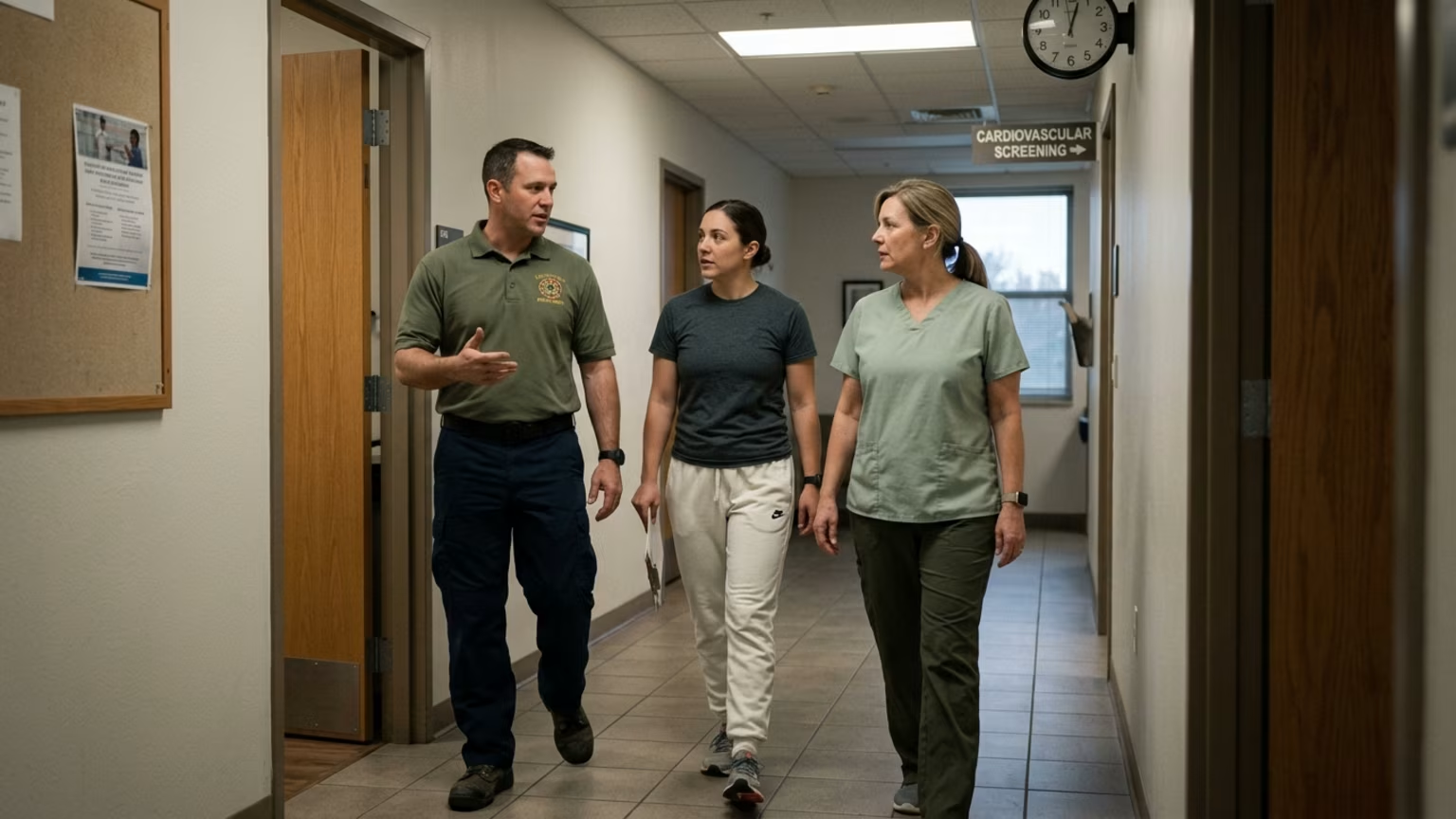

The ACC and AHA issued new Tactical Clinical Management guidance for assessing cardiovascular risk and fitness for duty in tactical athletes and military personnel.





On September 3, 2026, the American College of Cardiology and the American Heart Association jointly published a new scientific statement in JACC and Circulation. The document introduces Tactical Clinical Management to guide cardiovascular health assessments for tactical athletes. The organizations describe it as the first comprehensive guidance focused on evaluating cardiovascular risk and fitness for duty in these populations.
This new standard covers a wide range of demanding professions. The guidance specifically applies to military personnel and firefighters. It also covers law enforcement officers, emergency medical responders, astronauts, and pilots. These roles share a common requirement for high physical readiness and rapid response capabilities.
The Tactical Clinical Management framework combines evidence based medical care with occupational demands. It integrates mission requirements and public safety considerations into the clinical decision making process. This approach ensures that medical evaluations match the real demands of the job.
This clinical update matters heavily for active personnel and veterans because tactical work places intense stress on the cardiovascular system. Service members regularly handle unpredictable strenuous exertion and carry heavy equipment. They also operate in extreme temperatures and face intense psychological stress. All of these variables can significantly increase cardiovascular workload during a mission or training event.
Historically, clinicians have relied on medical guidance designed for competitive athletes. However, the chair of the writing group, Elizabeth H. Dineen, noted that tactical athletes present challenges that had not been adequately addressed. Competitive sports have clear rules, predictable environments, and medical staff on standby. Tactical operations lack these safety nets.
A cardiovascular event during a military mission affects more than just the individual experiencing it. Dineen emphasized that an emergency involving a service member, firefighter, or police officer can compromise mission success. It can also endanger the lives of teammates and the public. The new framework addresses this reality directly by focusing on occupational demands.
For veterans and older service members, this guidance provides a clear path for preventive care. Tactical service can span decades. Tactical athletes often continue working at older ages than competitive athletes. Age related changes in cardiovascular fitness become highly relevant to duty decisions as careers progress.
Older service members should not assume that age alone determines their fitness for duty. The new framework emphasizes the interaction among health, current fitness, job demands, and mission consequences. Reading through BattleVet research can help veterans stay informed on similar health standards.
The organizations estimate that more than 4 million Americans currently serve as tactical athletes. Within this massive population, the statement identifies cardiovascular disease as the leading medical cause of duty related deaths. This statistic highlights a severe need for better evaluation protocols across all branches of service.
The writing group included vice chairs Benjamin D. Levine and Mark C. Haigney. The panel brought together experts from tactical disciplines, sports cardiology, and other specialties to address these risks. They worked to build a consensus on how to properly evaluate the physical toll of tactical service.
The document identifies several traditional cardiovascular risk factors that remain highly prevalent among tactical athletes. These include hypertension, hyperlipidemia, and obesity. Type 2 diabetes and smoking are also major factors. Managing these variables is a practical preventive priority for active personnel.
Keeping blood pressure, cholesterol, weight, and blood glucose under control is essential for long term capability. Avoiding tobacco exposure is also a critical part of maintaining physical readiness. Building sustainable habits early can drastically improve outcomes later in life.
The new guidance establishes specific parameters for diagnostic testing and screening. An ECG should be performed for tactical athletes younger than 40 who face significant cardiovascular strain. This recommendation also applies to personnel serving in mission critical roles. For other tactical athletes, the statement notes that ECG testing is considered reasonable.
The framework does not mandate universal ECG screening for every individual in uniform. Instead, it relies on a targeted approach based on risk and specific operational roles. This ensures that medical resources are directed toward personnel facing the highest physical demands.
Certain cardiovascular conditions require careful consideration under this new medical model. The statement specifically identifies cardiomyopathies, arrhythmias, and congenital heart disease. Coronary artery disease, valvular disease, and myocarditis also require consideration. Anticoagulation status is another key factor in determining duty eligibility.
A diagnosis of any of these conditions may require dedicated monitoring from a physician. It also demands a duty assessment tailored to the specific role of the service member. A one size fits all approach is no longer considered adequate for these complex diagnoses.
The Tactical Clinical Management framework introduces a significant shift in how clinicians view medical clearance. The statement emphasizes ongoing monitoring rather than treating screening as a one time clearance event. Active duty personnel should view cardiovascular readiness as a continuous process.
This process involves risk factor control, fitness maintenance, symptom reporting, and periodic clinical reassessment. Implementing strong sleep, stress and resilience habits early in a career can support this ongoing process. Maintaining baseline health is just as important as passing an annual fitness test.
Operational factors significantly alter how the heart performs under stress. Service members must navigate intense heat, severe dehydration, and rapid altitude changes. Aviation exposure and diving requirements place additional pressure on the cardiovascular system. The framework requires clinicians to consider these exact environmental hazards when making clearance decisions.
Preparticipation screening remains critical for all tactical athletes. The guidance states that this screening should always include a comprehensive medical history and a physical examination. Gathering an accurate history helps clinicians spot potential red flags before they become critical issues in the field.
Screening alone cannot eliminate the risk of sudden cardiac arrest in the field. Even with comprehensive history reviews and physical examinations, some underlying issues remain hidden. Organizations are advised to maintain robust emergency action plans to prepare for these unpredictable events. Rapid access to automated external defibrillators is necessary because medical emergencies can happen even to well screened personnel.
Fitness for duty decisions must now consider multiple specific operational factors. Service members should discuss these details openly with their doctors. Clinicians need to know about the intensity and unpredictability of the required exertion. They must also factor in environmental exposures like heat, dehydration, and collision risk.
This new framework requires clinicians to balance individual safety with team security. The same medical diagnosis may carry different practical consequences depending on the job. A service member in a relatively predictable environment might face fewer restrictions. Conversely, someone who must suddenly exert themselves while operating at altitude might require different limitations.
Standardized fitness tests alone cannot capture these physical nuances. Proper strength, fitness and body composition maintenance remains crucial for handling these varied demands. Service members must prepare their bodies for the specific tasks they will execute on duty.
Veterans returning to civilian employment can also use this framework. It serves as a prompt for preventive cardiovascular care during their transition. Many former service members take on demanding civilian jobs that carry similar physical requirements. Discussing past operational exposures with a clinician ensures that medical evaluations remain relevant to their service history.
The guidance does not establish separate recommendations for veterans receiving care through the Department of Veterans Affairs. However, the core principles of the framework apply directly to their long term health management. Building a solid foundation of healthy aging and longevity requires a proactive approach to cardiovascular care.
The framework highlights that the evidence base for tactical cardiology is still developing. Current recommendations rely heavily on individualized clinical judgment rather than a single universal duty standard. To close this knowledge gap, the authors call for additional research across the board.
They specifically identify the need for tactical athlete registries and improved screening strategies. They also highlight the need for cardiovascular risk prediction models tailored directly to tactical occupations. Improved data collection will eventually lead to more precise standards for service members.
As military roles evolve, the medical standards supporting service members must keep pace. How will future cardiovascular risk prediction models reshape the way we assess veteran health and longevity?
Follow BattleVet for practical guidance on military and veteran health, strength, recovery, testosterone, sleep and healthy aging. Stay connected for new articles, research backed insights and clear information to help you stay capable for the years ahead.


JAMA estimates low testosterone readings in active-duty Army men. See the threshold data, study limits, and implications for clinical follow-up.

The Army’s HVAC task force targets hot barracks. Here is what its project figures mean and how to assess future housing and sleep-related claims.

The BRIDGE Act proposes a whole-family military transition pilot. Read who it would serve, what support it includes, and what remains unresolved.
Build better habits around strength, recovery, sleep, hormones and healthy aging with practical guidance for active military personnel and veterans.
Explore BattleVet