
NPR found higher payments in thousands of VA loan modifications. Understand the VASP transition, replacement program, and implications for veteran health.





On October 30, 2026, NPR published an investigation into VA-backed loan modifications following the end of the Veterans Affairs Servicing Purchase (VASP) program. Its analysis found that 15,383 of the 41,634 modifications examined raised monthly payments by at least $150. The findings put renewed attention on the transition between mortgage-assistance programs and the borrowers whose payments increased during that gap.
For veterans balancing housing costs with ongoing care, the practical issue is whether a mortgage modification makes the household budget more manageable. A change described as assistance still needs to be understood through its actual payment and loan terms. The program name alone does not answer that question.
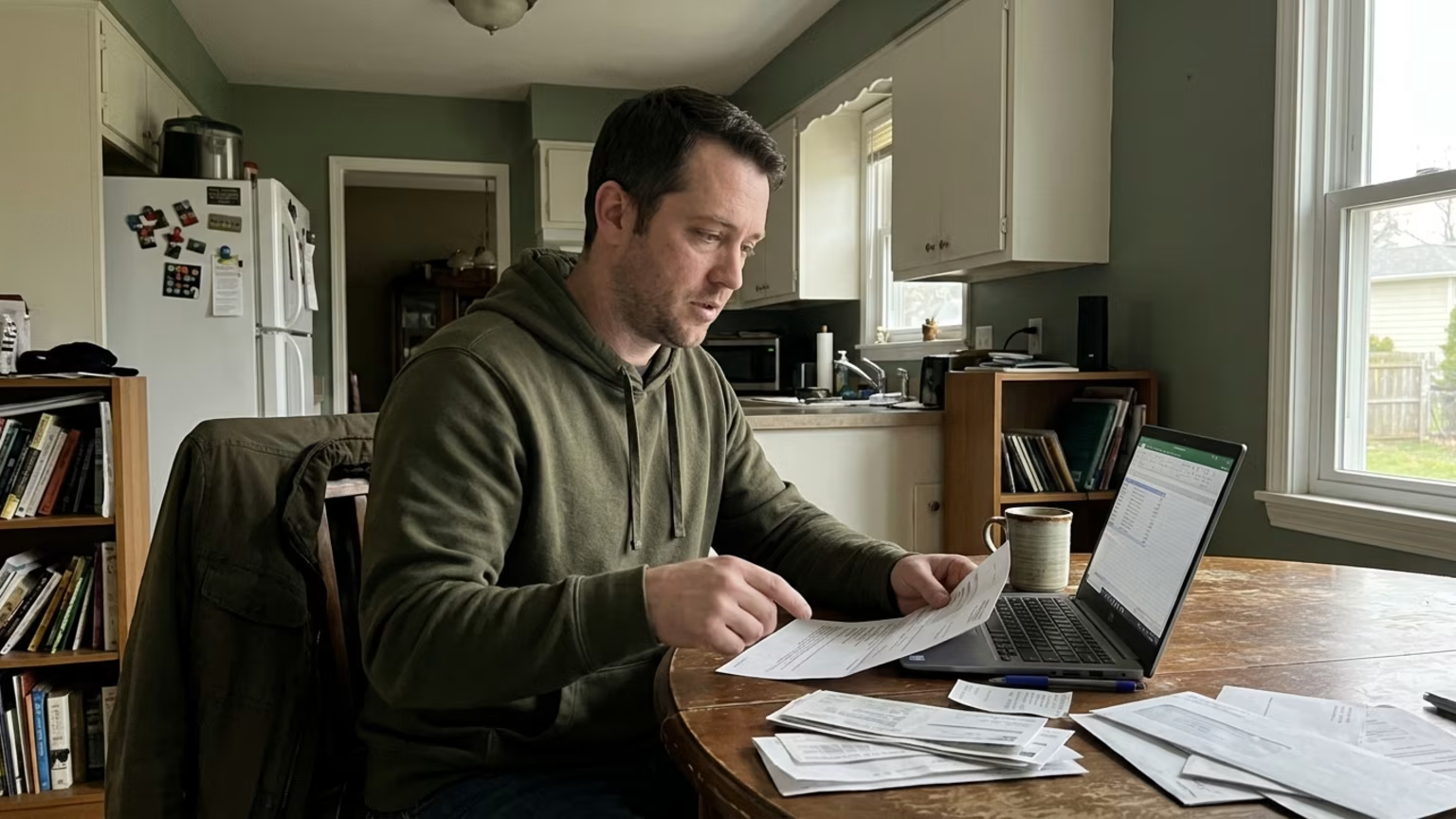
NPR's account of Army veteran Scott Boyd shows why housing policy belongs in a broader discussion of veteran wellbeing. Boyd told NPR that he lost his job and experienced PTSD symptoms connected to combat. He sought treatment at a VA hospital and fell behind on his mortgage.
According to his account, the resulting modification increased his monthly payment by $1,181. His interest rate changed from 2.75% to 6.75%, and the loan term extended to 40 years. Those terms are central to understanding what the modification meant for his household.
For readers considering PTSD alongside sleep and recovery, the relevant question is not whether a mortgage program treats a health condition. It is how housing obligations fit alongside care and other essential expenses. That distinction keeps the discussion focused on practical circumstances rather than turning financial reporting into a medical claim.
NPR analyzed VA loan modifications completed from May 1, 2025, through September 8, 2026. Its findings describe changes in monthly payments within that set of modifications:
These figures answer a specific question: what happened to the monthly payment after a loan was modified? They are not a count of every veteran who experienced mortgage trouble during the period.
NPR also reported that 63% of the VA modifications it analyzed increased monthly payments. It compared that with 2% of modifications involving loans guaranteed by Fannie Mae and Freddie Mac. The comparison makes the different reported outcomes clear without requiring a calculated multiplier.
The analysis covers the modifications NPR examined rather than all VA-backed mortgages or all borrowers facing hardship. The supplied reporting does not establish that the comparison groups were otherwise equivalent. Payment changes after VASP ended also do not prove that the shutdown caused every individual increase.
Boyd's experience is an individual account rather than a representative estimate. The reporting does not establish that veterans with PTSD or disabilities are more likely to receive higher-cost modifications. It also does not measure health outcomes resulting from the payment changes.
The practical takeaway is narrower and still important: a substantial number of the modifications NPR examined increased the borrower's monthly obligation. That makes the actual terms of assistance central to evaluating its usefulness.
Before its termination, VASP allowed some veterans who had fallen behind to roll missed payments into a new mortgage at a 2.5% interest rate, according to NPR. The Trump administration ended the program on May 1, 2025, through administrative action rather than a congressional vote.
Congress later passed a replacement called the VA Partial Claim Program (PCP). NPR described it as an option intended to move missed payments to the end of the loan term while preserving the original mortgage terms for eligible borrowers.
The distinction between these approaches matters. VASP involved a new mortgage at the program's specified rate. PCP was designed to address missed payments while keeping the original terms. They should not be treated as interchangeable forms of assistance.
According to NPR, the VA announced PCP details in June 2026. That was more than 13 months after VASP ended. The mortgage industry then received another 180 days to implement the replacement.
At the time of NPR's report, most mortgage companies still did not offer PCP. NPR also reported that the replacement would not help veterans who had already entered higher-payment modifications during the transition gap.
That leaves separate policy questions. One concerns whether an eligible borrower can access the replacement option. Another concerns what happens to borrowers who already accepted different terms while that option was unavailable. Announcing a replacement does not resolve both questions by itself.
The investigation included arguments from supporters of ending the program. House Veterans' Affairs Committee member Derrick Van Orden had warned that continuing VASP could threaten the future of the broader VA home-loan program, according to NPR.
VA press secretary Quinn Slaven told NPR that many leading voices in Congress supported termination. He also said the home-loan program rests on borrowers generally being able to make their mortgage payments, even when they sometimes need assistance.
The VA told NPR that it helps veterans retain homeownership or avoid foreclosure through options including forbearance and loan modifications. It also identified individualized repayment plans among its tools.
The timing drew criticism from the mortgage industry. Housing Policy Council representative Matthew Douglas told NPR that higher payments were a foreseeable consequence of ending VASP before a replacement was ready. His statement represents an industry assessment of the transition.
These positions address different concerns: the sustainability of the broader program and the immediate terms available to distressed borrowers. A useful policy assessment needs to consider both rather than treating either concern as a complete answer.
The clearest practical lesson is to examine the proposed result rather than assume that a modification lowers the monthly bill. NPR's findings reinforce the importance of understanding payment changes before treating an offer as affordable relief.
Questions grounded in the reporting include:
These questions focus on the features that differed across the arrangements NPR described. They do not establish eligibility or predict what a particular mortgage company will offer. Payment-specific answers need to come from the company handling the loan and the VA's home-loan assistance information.
For veterans who already entered a higher-payment modification, the distinction between past and proposed arrangements is especially relevant. NPR reported that PCP would not reach borrowers placed into those modifications during the gap. That finding should not be expanded into a claim that no other assistance could ever be available.
Housing assistance also needs to remain separate from questions about disability-benefit eligibility. A mortgage arrangement and a benefit determination answer different questions. Neither should be assumed to settle the other.
For healthcare decisions, this investigation reinforces the value of making financial constraints visible in conversations about ongoing care. The useful question is how the actual housing payment fits with the person's broader circumstances. Individual decisions about diagnosis or treatment belong with qualified clinicians.
The reporting does not provide a basis for changing screening schedules or physical performance protocols. Its contribution is financial and policy context. Keeping that boundary clear allows veterans to use the information without confusing a mortgage investigation with clinical guidance.
A useful next step would be to examine housing and healthcare experiences together rather than assume a connection from payment data alone. Research could assess whether borrowers with higher-payment modifications report changes in access to care or continuity of treatment. It could also distinguish those experiences from the effects of job loss and other financial pressures.
Policy evaluation should separately examine whether eligible borrowers can access PCP and what happens to those already placed into higher-cost modifications. Those are different groups with different questions about the transition.
As the replacement program moves through implementation, will future research show whether VA mortgage assistance supports both sustainable housing payments and continuity of veteran healthcare?
Follow BattleVet for practical guidance on military and veteran health, strength, recovery, testosterone, sleep and healthy aging. Stay connected for new articles, research backed insights and clear information to help you stay capable for the years ahead.


A clear look at the VA's FY2027 hiring plan, reported claims figures, and what the announcement means for veterans' benefits and health decisions.


The Pentagon's new human performance council includes sleep medicine. Here's how its advisory role relates to recovery programs and veteran health.

Fort Drum’s Oct. 23 H2F Day paired training with nutrition, sleep and recovery education. Here is what the event reinforces about readiness.
Build better habits around strength, recovery, sleep, hormones and healthy aging with practical guidance for active military personnel and veterans.
Explore BattleVet