

The VA's Center for Women Veterans has launched a new outreach initiative to help female veterans navigate enrollment, eligibility, and specialized health care.





If you are in crisis, please call 911 for immediate danger, dial 988 (press 1 for the Veterans Crisis Line), or text 838255.
In September 2026, the Department of Veterans Affairs launched an outreach initiative through its Center for Women Veterans to reconnect female veterans with health care. WFAE reports that the initiative is built around five planned summits across the country. The first summit took place in San Antonio, providing information on care for post-traumatic stress disorder and military sexual trauma survivors. This effort targets women who hesitate to identify as veterans and subsequently underuse their health benefits.
The broader outreach plan uses several engagement formats to reach veterans effectively. Beyond the five summits, the VA scheduled multiple regional and virtual forums during August and September 2026. These events connect enrollment and eligibility questions with topics like preventive care, mental health, reproductive health, and trauma recovery. Women veterans who have never enrolled can use these events to understand their current standing.
Understanding why this update matters requires acknowledging the unique barriers female veterans face. Some avoid VA care because of trauma or mistrust. Others face practical barriers such as distance, complex scheduling, or uncertainty about eligibility. Laura Koerner, chairwoman of the Texas Veterans Commission, noted that women with negative military experiences may find it difficult to re-enter a veteran-heavy environment. This is particularly true after PTSD, sexual trauma, or other trauma.
Personal beliefs also play a significant role in health care utilization. Jacquelyn Hayes-Byrd, executive director of the Center for Women Veterans, shared her own experience regarding this challenge. She said she once did not see herself as a veteran and delayed using VA care despite experiencing ear, arm, and knee problems. Hayes-Byrd’s account illustrates the initiative’s strong emphasis on recognition and trust building. Women may qualify for care but still fail to view themselves as entitled to it.
Recognizing the need for support is a critical component of physical readiness. I remember waking up after a poor night of sleep and realizing that my training recovery was taking much longer than it used to. I realized that readiness is more than just pushing through the fatigue. It requires a dedicated approach to sleep and hormonal health, which completely shifted how I view long term capability.
Similarly, female veterans are recognizing that utilizing available health benefits is necessary for maintaining capability. Engaging with appropriate Veteran lifestyle and healthcare resources can change long term health trajectories. Proper care access provides a clear path to sustained physical strength and overall well-being.
Recent data underscores the disparity in health care utilization between male and female veterans. According to figures cited by WFAE from the VA, approximately 45% of women veterans are enrolled in VA health care. This compares with approximately 51% of male veterans. Based on the VA’s estimate as reported by WFAE, more than 1 million women veterans are not enrolled in VA health care.
It is important to recognize that enrollment does not necessarily equal regular use. A veteran may be enrolled but receive little care, while an unenrolled veteran might use other coverage or community providers. The 45% women veteran enrollment figure highlights a broad trend. However, it does not provide a detailed breakdown by age, discharge status, geographic location, or disability. This complexity underscores why the VA is actively trying to gather feedback through public programming.
Additional reports highlight the specific clinical needs within this demographic. WFAE cited a recent VA report estimating that 38% of women service members and veterans had experienced military sexual trauma. While this figure is an estimate rather than a universal prevalence rate, it emphasizes the necessity of specialized, trauma informed care. Access to specialized care is a foundational pillar of modern military health services.
The 2026 Veterans Aging Cohort Study offers additional context on patient demographics. The study reported that women represented 7.7% of its overall cohort and 11.3% of active patients as of December 31, 2025. These cohort figures describe women’s representation within a particular VA research group, rather than the share of all United States veterans.
The VA is using public programming to address these gaps directly. A Jackson VA forum scheduled for September 25, 2026, is designed to increase awareness of VA programs and services. The event simultaneously addresses preventive care, emotional resilience, wellness, and community connection. These forums create a lower barrier entry point for veterans who might feel intimidated by a formal medical setting.
Accountability measures are also in place to track access to care. Federal law requires annual reporting on women veterans’ access to gender specific services. This reporting includes tracking appointment wait times, travel time, and reasons appointments could not be scheduled with non-VA providers. Keeping up with routine medical checks is an important part of maintaining physical capability as you age.
This new initiative serves as a direct prompt for women veterans to verify their eligibility and begin the VA application process. Veterans who have never enrolled should check their status rather than assuming they do not qualify. Those who are already enrolled can ask whether their current facility offers women’s primary care, preventive services, reproductive health care, or specialty referrals. Establishing clear communication with health providers is a crucial step for long term well-being.
VA facilities publicly describe women’s health care as including primary care, preventive care, reproductive health care, and mental health care. Care also covers maternity care coordination and specialty care. Furthermore, VA women’s health pages list specific services such as gynecology, obstetrics, mammography, and Pap testing. Additional services include mental health treatment, military sexual trauma recovery, and female specific medical equipment.
Women veterans should verify the specific services, referral rules, appointment process, and community care options at their local VA facility. The availability of specific services can vary significantly by location. Therefore, veterans should confirm local availability directly rather than assuming every facility offers identical care.
A primary care appointment is often the most practical entry point into the health care system. VA facilities describe primary care as a direct route to women’s health services. Additionally, some specialty gynecology care requires a primary care referral. Veterans with PTSD, military sexual trauma, or other service related trauma can use these visits for confidential discussions about care needs.
Establishing a strong foundation of care is crucial for managing recovery and sleep alongside physical restoration. Finding a supportive clinical environment can make a substantial difference in treatment outcomes. Jeannie Liedtke, an Air Force veteran who served 12 years, described feeling unsupported after PTSD began during her service. She stated that obtaining needed care could feel like pulling teeth within some systems.
Liedtke eventually found care with a female VA doctor who had also served in the military. She later volunteered to drive other veterans to appointments through a local veterans organization. Liedtke said the San Antonio summit felt comforting because it made her feel important and valued again. Her experience demonstrates how the right clinical fit can change a veteran's perspective on medical care.
Veterans who are uncomfortable entering a VA facility can look for virtual town halls or public forums as lower barrier ways to ask questions. Veterans who attend an outreach event can prepare specific questions about eligibility, enrollment status, primary care, and specialty referrals. Proper preparation helps veterans maximize the benefits of these services. Staying informed allows veterans to make practical decisions about their long term health.
As the Center for Women Veterans continues its nationwide outreach effort, the focus remains on building trust and ensuring that care is accessible. With more forums and summits planned, the agency is signaling a commitment to addressing the specific health needs of female veterans. Will these targeted engagements successfully close the enrollment gap and reshape how women veterans utilize the health care they have earned?
Follow BattleVet for practical guidance on military and veteran health, strength, recovery, testosterone, sleep and healthy aging. Stay connected for new articles, research backed insights and clear information to help you stay capable for the years ahead.


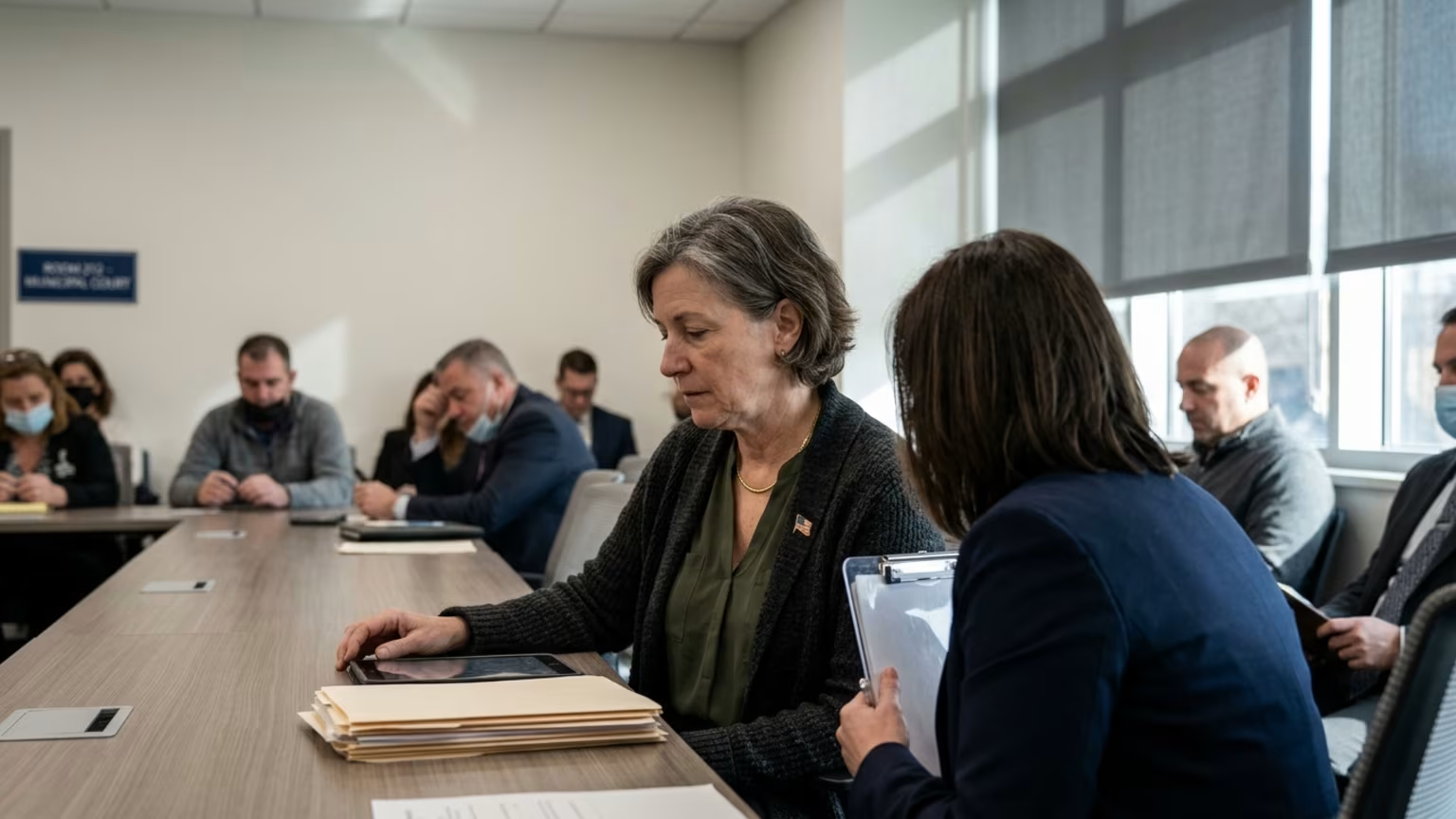
A New Jersey judge ordered a trial for Menlo Park Veterans Memorial Home over allegations that leaders prohibited staff from wearing masks during the pandemic.

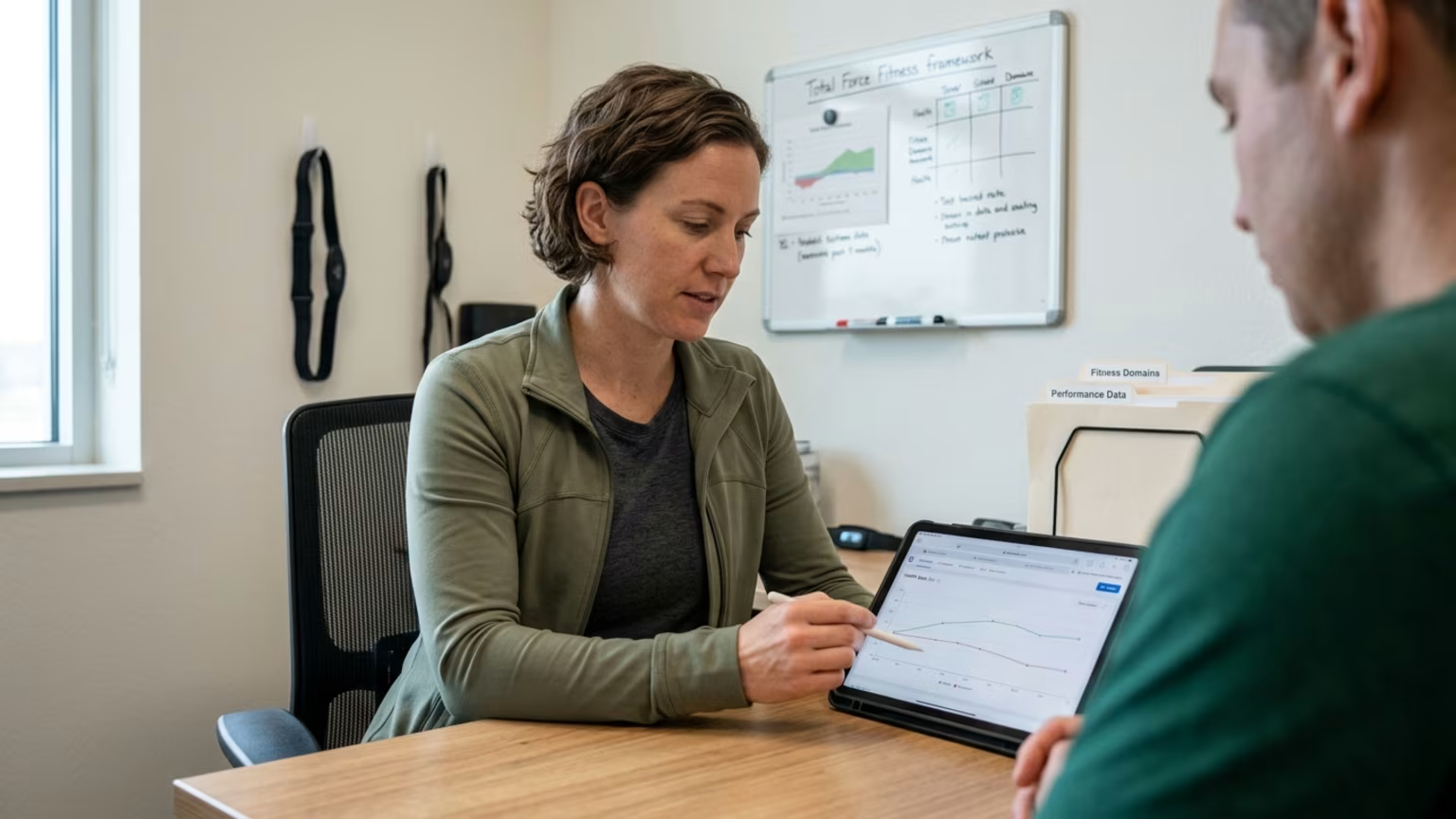
The DoD Warfighter Performance Optimization office is modernizing Total Force Fitness by integrating physical, cognitive, and psychological readiness programs.
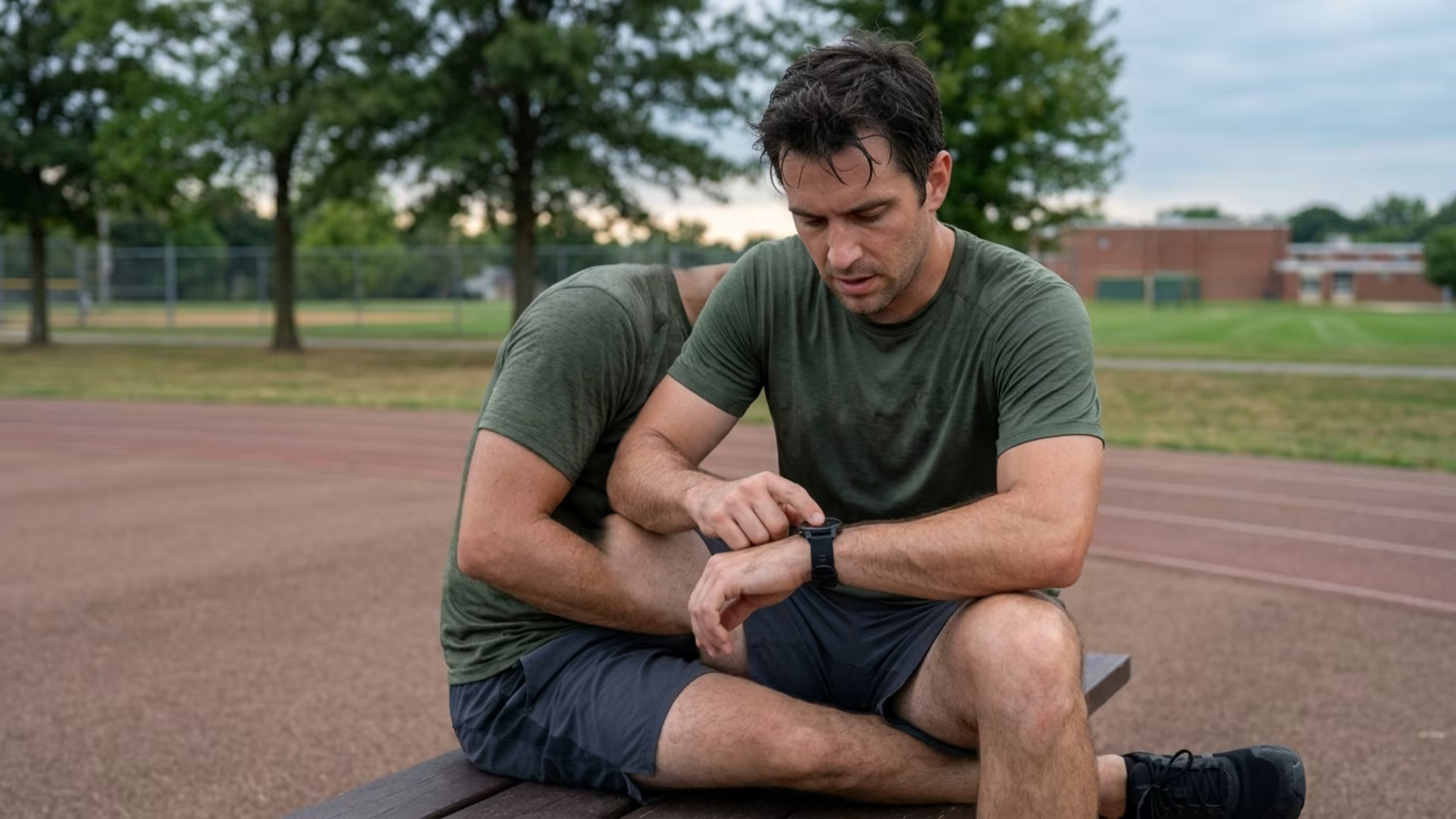
Acıbadem Health Point recently published guidance on tracking one-minute heart rate recovery. Learn how veterans can use these metrics and VA telehealth data.
Build better habits around strength, recovery, sleep, hormones and healthy aging with practical guidance for active military personnel and veterans.
Explore BattleVet