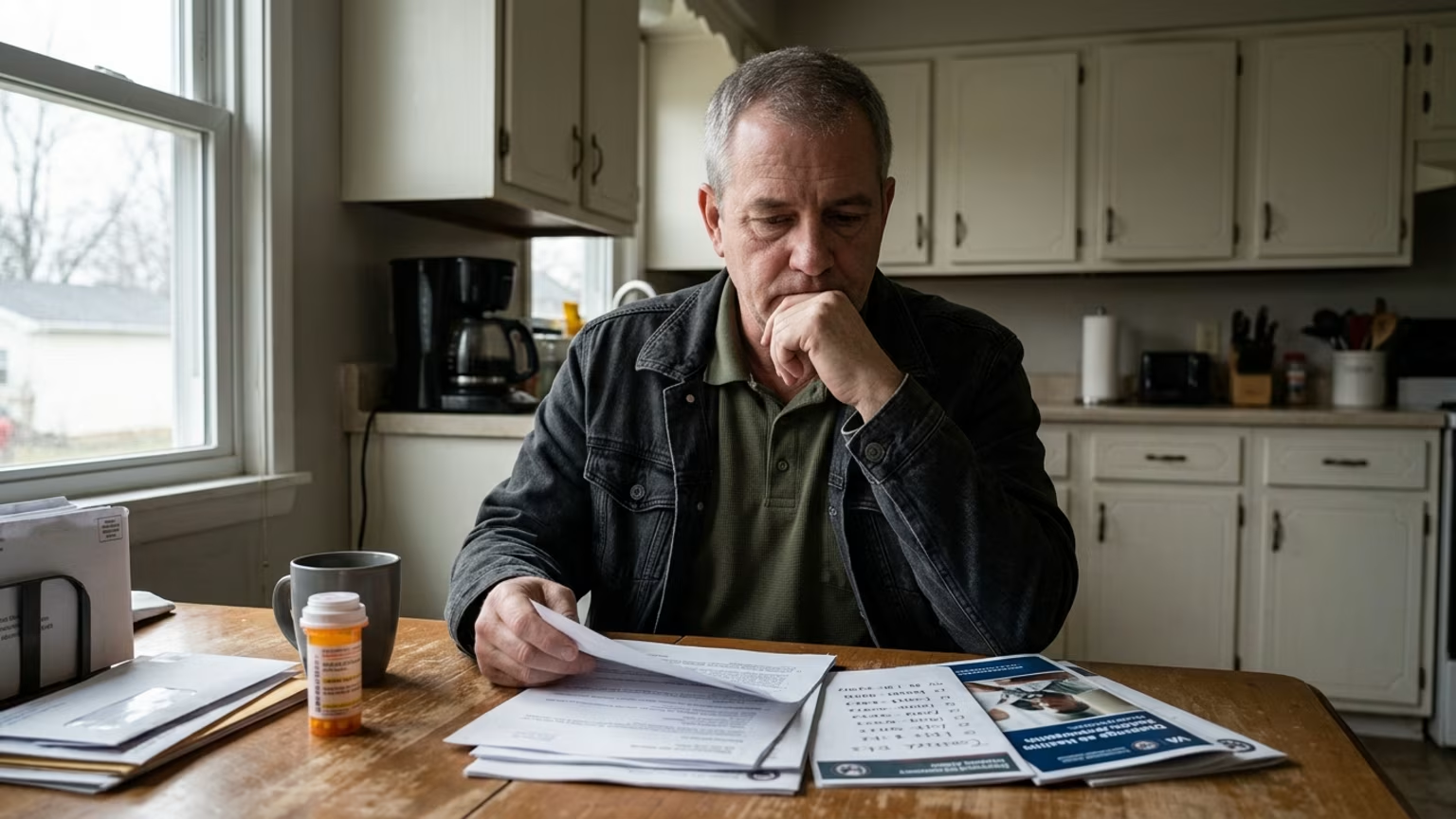

A 2026 study reveals that rural veterans discharged from VA hospitals face lower readmission rates but a 20 percent higher risk of short term mortality.





In a 2026 observational cohort study published in The Journal of Rural Health, researchers examined outcomes for older veterans after hospital discharge. The study tracked 99,557 veterans aged 65 and older who were discharged home from 120 VA medical or neurology wards during fiscal year 2023. The cohort was strictly limited to veterans discharged directly home from VA hospitals. Researchers wanted to see if living in a rural area affected unplanned readmission and survival rates compared to urban residents.
For veterans navigating life after service, transitioning out of hospital care requires a clear plan. When veterans leave a medical facility, the assumption is often that fewer return visits indicate a successful recovery. However, this recent data complicates that picture. A lower chance of readmission should not be treated as a guarantee that recovery is proceeding normally.
In our experience, we have seen how physical location changes the recovery process. I remember waking up after a poor night of sleep and realizing my training recovery took much longer than it used to. I realized that readiness is more than just pushing through the fatigue. It requires a dedicated approach to sleep and physical restoration, which completely shifted how I view long term capability.
The same proactive mindset applies to medical recovery and healthy aging. Veterans living far from major medical centers must build a resilient follow up plan, much like structuring a proper physical recovery routine. The BattleVet approach to wellness emphasizes that maintaining long term capability requires managing your environment. This study highlights why veterans should never assume distance will not impact their health outcomes.
The cohort included 28,227 veterans living in rural or highly rural areas and 71,330 living in urban areas. The mean ages for rural and urban patients were nearly identical at 75.7 and 75.6 years respectively. However, the rural and urban groups differed demographically in other ways, including their racial composition. Within 30 days of discharge, rural dwelling veterans had a 5 percent lower risk of unplanned readmission than urban veterans.
Despite this lower readmission risk, rural veterans had a 20 percent higher risk of death within 30 days. Among veterans who were readmitted, rural residents faced a 19 percent higher risk of death within those first 30 days. At the 90 day mark, rural residence remained associated with a lower risk of readmission and a higher mortality rate after readmission. However, the overall excess mortality risk was no longer present at that specific time point.
The article reported that the readmission and mortality pattern remained broadly similar at one year. The study was conducted by researchers associated with the Richard L. Roudebush VA Medical Center and the VA Health Systems Research program. The study included medical and neurologic admissions but excluded mental health and surgical admissions. This strict parameter limits the range of hospitalizations represented in the findings.
The results may not apply to veterans discharged to skilled nursing facilities or veterans treated primarily in community hospitals. The findings specifically concern unplanned readmission rather than all post discharge hospital returns. The lower readmission rate may partly reflect barriers to reaching care, delayed presentation, or treatment in community settings. It should not be interpreted simply as proof of better recovery.
The research also looked at where veterans went when they needed further care. Among veterans readmitted within one year, rural residents were more likely than urban residents to receive care in a community hospital rather than a VA hospital. Specifically, 26.9 percent of rural veterans used community hospitals compared to 17.5 percent of urban veterans. Mortality was higher among veterans readmitted to community hospitals than among those readmitted to VA hospitals.
At 30 days, the mortality rate was 8.1 percent in community hospitals versus 5.2 percent in VA facilities. At 90 days, it was 16.6 percent compared to 11.6 percent. By one year, the rates were 28.2 percent versus 22.9 percent. The study could not establish whether information sharing, care quality, or other unmeasured factors explained this difference.
This data reinforces the need for rigorous transition planning before leaving the hospital. Joanne K. Daggy, a lead researcher on the study, noted that rural patients might delay seeking care because transportation barriers make treatment difficult to obtain. Janice C. Probst, a rural health specialist, added that patients facing longer travel distances may postpone care until they are seriously ill. This means veterans and caregivers must establish clear monitoring protocols.
Before leaving a VA medical or neurology ward, veterans should ask for a written follow up plan. This plan should identify the responsible clinician, the timing of the first contact, and symptoms that require immediate attention. Veterans with cardiovascular disease must confirm how they will monitor blood pressure and other vital measures. You need to know exactly when to call the care team or emergency services.
Rural veterans should discuss transportation before discharge rather than waiting until a problem becomes urgent. The study authors specifically identified travel and access barriers as possible contributors to delayed care. Family members or caregivers can help by tracking critical recovery metrics after discharge. They should actively monitor appointments, medications, mobility changes, and sudden confusion.
Caregivers must also watch for shortness of breath, chest discomfort, falls, and other listed changes. The study does not identify a specific medication or rehabilitation protocol tested to reduce mortality after discharge. It instead supports making the post discharge plan explicit and clarifying when urgent evaluation is needed. Veterans facing weakness, balance problems, or reduced mobility should actively ask about physical therapy and home health support.
Depending on eligibility and location, VA facilities offer home based primary care, rehabilitation, and palliative services to reduce travel demands. Building a deep understanding of veteran healthcare operations can help veterans navigate these transitions. Virtual care technologies provide another crucial layer of support for rural recovery. VA Video Connect allows eligible veterans to connect with VA physical therapists directly from home.
VA ATLAS sites provide private spaces where veterans can attend telehealth appointments closer to home. These options help bridge the gap for veterans who cannot easily travel to a major facility. Before relying on virtual care, veterans should confirm their internet access and understand which symptoms require an in person assessment. Telehealth may reduce travel demands for appropriate follow up, physical therapy, and other services.
Because rural veterans frequently rely on community hospitals, managing medical records is a critical part of recovery. If follow up care occurs at an outside provider, veterans must ask how the VA will receive their discharge summary. You need a clear process for sharing medication lists, test results, and imaging reports between facilities. Proper documentation ensures that all your providers remain on the same page.
The higher mortality observed after community hospital readmission cannot by itself demonstrate that VA hospitals provide superior care. The patient groups may differ in illness severity, referral patterns, or other complex factors. However, the researchers specifically highlighted clinical information sharing as a possible difference between VA and community readmissions. A smooth handoff ensures that your local clinicians have the context they need to make accurate decisions.
Veterans should not treat a lower chance of readmission as reassurance that their recovery is proceeding perfectly. The study clearly found lower readmission risk alongside higher 30 day mortality among rural veterans. This pattern could mean some patients encounter barriers that delay hospital treatment entirely. A proactive stance on health requires recognizing these systemic risks and preparing for them before discharge.
As the veteran population ages, the healthcare system must adapt to serve those living far from urban medical centers. The authors of the study are currently obtaining a more recent cohort to clarify whether outcomes differ by residence and healthcare system. With ongoing efforts to expand telehealth and improve community care coordination, the critical question remains. Will tighter data integration and remote monitoring protocols ultimately close the survival gap for rural veterans returning home after hospitalization?
Follow BattleVet for practical guidance on military and veteran health, strength, recovery, testosterone, sleep and healthy aging. Stay connected for new articles, research backed insights and clear information to help you stay capable for the years ahead.


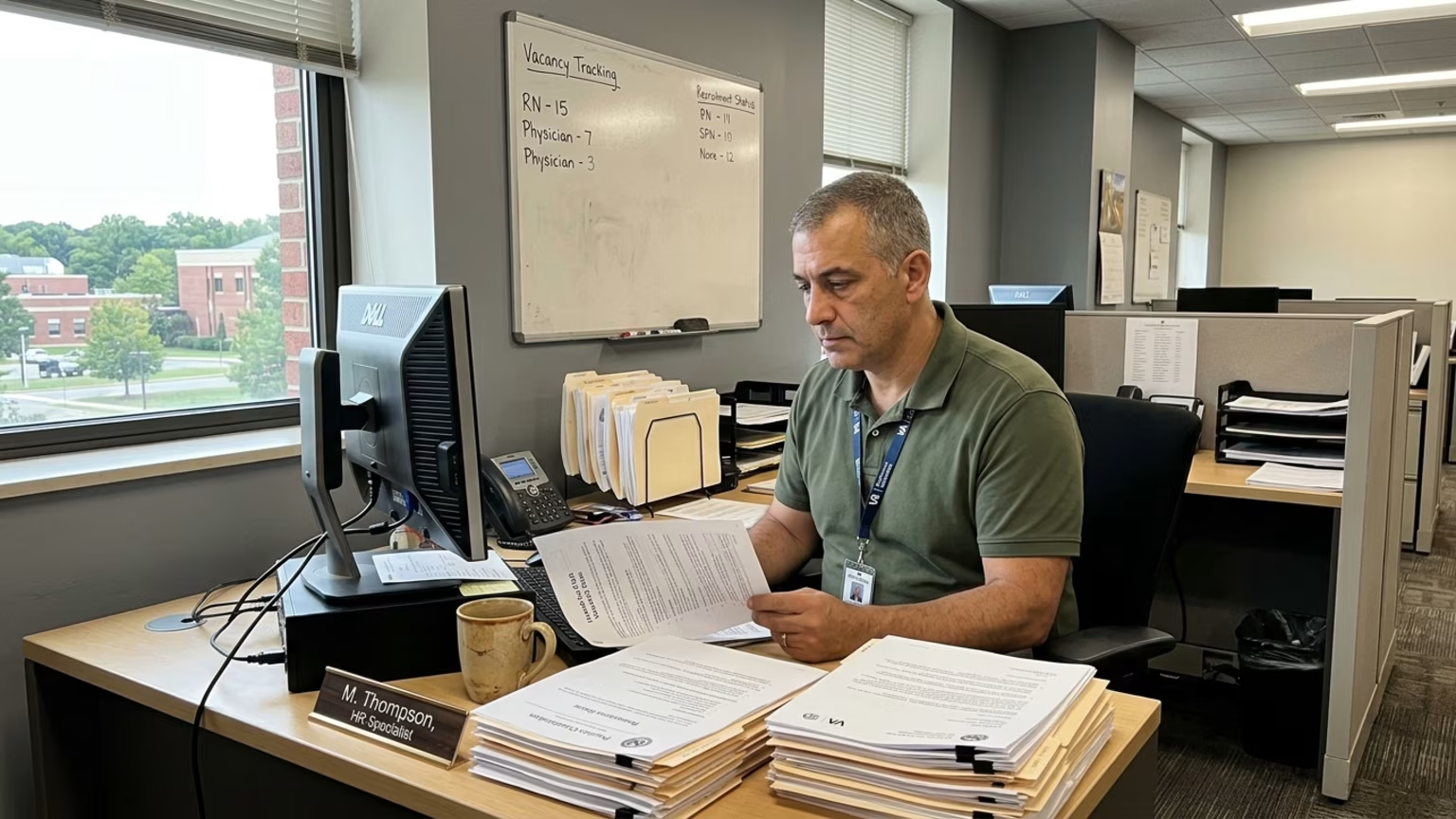
A 2026 OIG review identifies severe staffing shortages across 139 VA health facilities, impacting mental health and nursing roles. Plan your care proactively.


The Marine Corps adopted sex-neutral fitness grading for combat roles. Early data shows over 91% of tested female Marines passed the 210-point minimum.
A recent Brown University study found younger military veterans have higher PFAS concentrations than civilians, prompting new clinical screening conversations.
Build better habits around strength, recovery, sleep, hormones and healthy aging with practical guidance for active military personnel and veterans.
Explore BattleVet