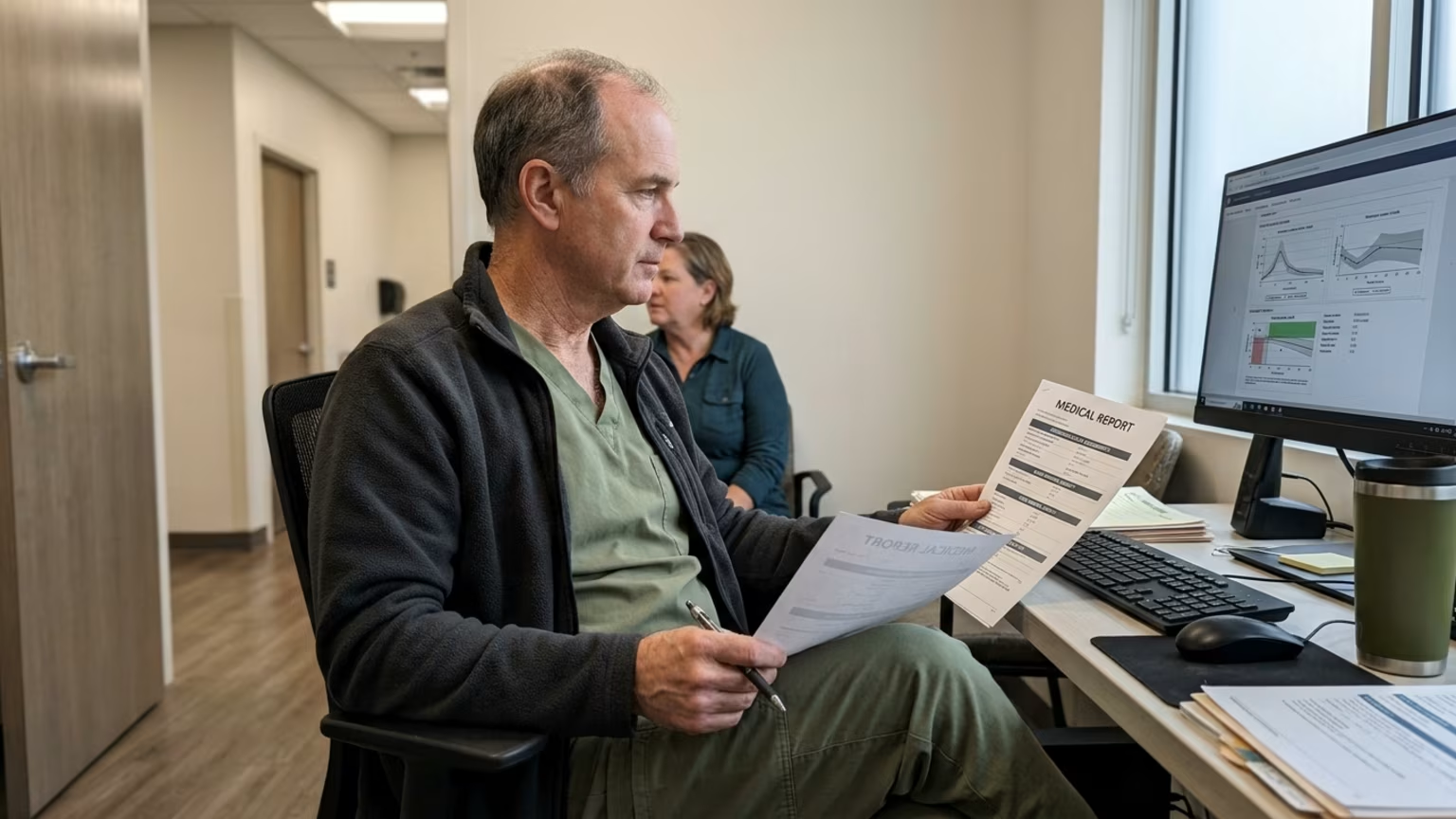

A recent federally funded report details cardiovascular and bone changes linked to hormone therapy, highlighting the need for strict clinical monitoring.





On August 28, 2026, The Daily Signal reported that the Oversight Project obtained the final report of a federally funded study. The report examined young people receiving puberty suppression or gender-affirming hormones. The broader study population spanned ages 8 through 20. The release of this document highlights specific physiological responses to early medical treatments in transgender youth.
While the federally funded report focused specifically on adolescents, its findings carry direct implications for military personnel. Active-duty service members and veterans frequently navigate complex health decisions regarding hormone treatments. Understanding the physiological effects of testosterone therapy is a fundamental part of managing hormonal health and operational capability. The study emphasizes that hormones create measurable shifts in the body that require careful clinical attention.
Cardiovascular and bone health are critical foundations for any active service member or veteran. Bone strength directly dictates injury resilience, mobility, and long-term musculoskeletal longevity. Unfavorable shifts in lipid profiles or bone mineral density can compromise a veteran's ability to maintain physical readiness over decades. The findings from this youth study provide a strong reminder that hormone treatments are serious medical interventions with systemic impacts.
For veterans, this information clarifies the importance of continuous medical supervision. Hormone therapies should never be treated as casual wellness supplements or general performance enhancers. The observed changes in red blood cell concentrations and cholesterol levels demonstrate the need for clinical diligence. Veterans considering these treatments must incorporate rigorous diagnostic testing into their routines to support healthy aging.
The biological mechanisms driving these changes highlight the complexity of the human endocrine system. When external hormones are introduced into the body, they interact with multiple organ systems simultaneously. This is why a treatment designed to adjust hormone levels can inadvertently alter red blood cell production or lipid metabolism. Veterans must recognize that these secondary effects are standard physiological responses that require professional management. Relying on routine blood work provides a clear picture of how the body is adapting to the prescribed protocol.
The recent report provided exact data points regarding the physical changes observed in the study cohort. Researchers noted that participants entering the puberty-suppression group demonstrated lower baseline bone-mineral density compared to the general population. This baseline difference is a vital data point for understanding the starting physical condition of patients before further treatment.
The data regarding lipid changes offers another clear area for clinical observation. The report detailed unfavorable lipid changes among youth receiving testosterone treatments. After two years of therapy, the testosterone recipients experienced measurable decreases in HDL cholesterol. During that same two-year window, these patients also saw increases in LDL cholesterol.
Hematologic parameters were another major focus of the federally funded study. The report identified a specific hematologic signal among participants assigned female at birth who were receiving testosterone. According to the data, 6.5% of these patients developed a hematocrit above 50%. This measure of elevated red-cell concentration can increase clinical concern about potential vascular complications.
These markers can be contextualized alongside existing Department of Veterans Affairs research. A separate VA summary detailed a study of more than 200,000 male veterans. This large-scale veteran study found that testosterone treatment was not associated with increased cardiovascular events among patients who did not have preexisting cardiovascular disease. For patients with cardiovascular disease, the treatment was associated with a lower risk in that specific study.
However, the VA has also reported on the risks of combining testosterone with other medications. Researchers from the Albany VA found an increased risk of erythrocytosis among male patients taking both testosterone-replacement therapy and SGLT-2 inhibitors for diabetes. Erythrocytosis is a condition that thickens the blood and requires proactive medical management. These contrasting findings reinforce the reality that age, baseline disease, and medication combinations drastically alter patient risk.
Bone health interventions in older veteran populations show the practical need for robust screening. VA research reporting described a randomized study involving 3,100 male veterans aged 65 to 85. The study compared a dedicated bone-health service against usual care protocols. In that summary, nearly half of the patients receiving the specialized bone-health intervention were screened, compared with only 2% receiving usual care.
These data points support a structural shift toward stricter monitoring for hormone therapy patients. The Defense Health Agency reportedly recommended discontinuing hormone treatment after six months if no clinical benefit is demonstrated. This is a critical parameter for active-duty personnel and veterans to understand. It frames testosterone therapy as an intervention requiring a clear, documented objective rather than an open-ended prescription.
The same reporting indicated that the DHA advised clinical evaluation and testosterone testing every four to six months for women who continued treatment. This rigorous timeline ensures that any physiological changes are caught early. Regular testing allows clinicians to adjust dosages or halt treatment before unfavorable lipid or hematologic changes cause permanent damage. Service members must prioritize this follow-up schedule to protect their health while managing military health guidelines.
A broader lack of randomized controlled trials continues to shape current medical guidance. A separate source noted that randomized controlled trials of cardiovascular outcomes from gender-affirming hormone therapy are currently lacking. Because of this gap, current medical recommendations rely substantially on retrospective observational studies and extrapolation from cisgender populations. This means that current guidelines are based on the best available observed data rather than definitive, long-term predictive models.
Diagnostic testing serves as the primary tool for mitigating the risks associated with long-term hormone exposure. Baseline cardiovascular assessments help establish a clear starting point before any medical intervention begins. By tracking lipid profiles and hematocrit levels consistently, healthcare providers can identify negative trends before they escalate into severe medical events. Integrating these specific testing schedules into standard veteran care ensures that hormone therapies are administered responsibly.
This reliance on observational data shifts the burden of safety onto strict diagnostic testing. Veterans and service members cannot assume that standard treatments carry zero risk. They must actively participate in their healthcare by requesting comprehensive baseline screenings before beginning therapy. Once treatment begins, adherence to strict testing windows is essential for maintaining physical capability and avoiding preventable complications.
The newly published report provides clear evidence that hormone therapies induce complex physiological changes requiring diligent medical oversight. As the military and veteran healthcare systems update their screening guidelines, the focus must remain on objective clinical data. With current recommendations relying heavily on observational studies, how will future medical research close the gap in randomized trials to ensure the safest possible care for aging veterans?
Follow BattleVet for practical guidance on military and veteran health, strength, recovery, testosterone, sleep and healthy aging. Stay connected for new articles, research backed insights and clear information to help you stay capable for the years ahead.


Hims expanded its testosterone program. Here are the product-status, monitoring and fertility questions relevant to veterans comparing care.


An Air Force veteran’s Apple Watch alert prompted medical evaluation. Learn what the reported case means for sleep testing and clinical care.

The Fort McClellan veterans health study is planning its analysis. Learn who is covered, how the research will work, and what it means for care.
Build better habits around strength, recovery, sleep, hormones and healthy aging with practical guidance for active military personnel and veterans.
Explore BattleVet