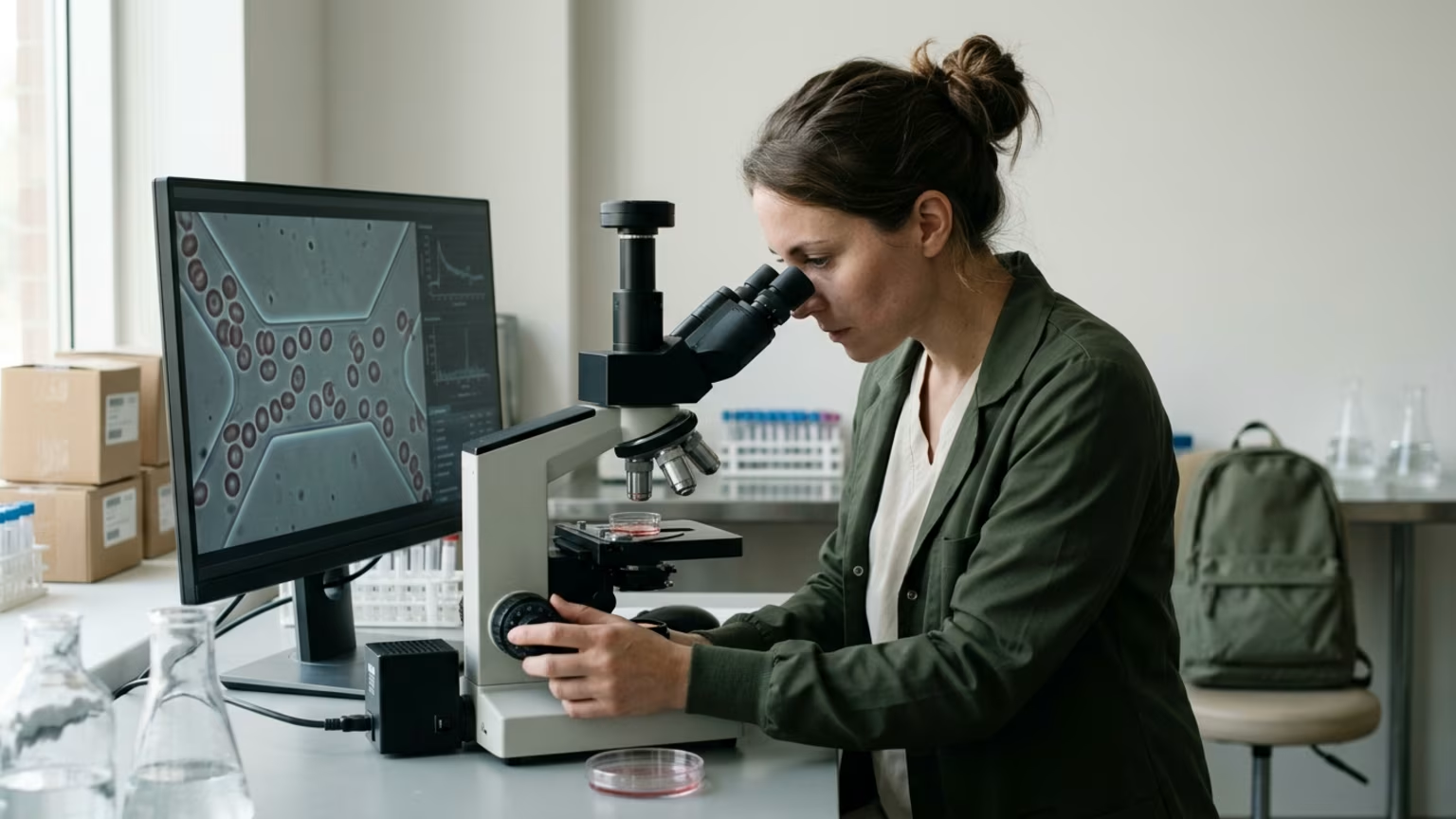

DARPA funded an $11.3M research project to develop engineered red blood cells. Here is why active service members should prioritize proven physical training.





In early September 2026, the University of California San Diego announced a new military biotechnology contract. The Defense Advanced Research Projects Agency funded a three year project worth up to $11.312 million. The research aims to develop engineered red blood cells for military applications. UC San Diego says the project will investigate whether these modified cells can temporarily improve oxygen delivery and human performance in harsh environments.
Military personnel often operate in severe conditions where physical endurance dictates survival. This operational reality drives continuous funding into human performance optimization. DARPA specifically targets experimental projects that push the boundaries of conventional science. The investment in cellular engineering represents a significant shift toward biological interventions in military research.
This announcement highlights a growing focus on advanced human performance technology. UC San Diego describes the effort as a high risk and high reward research project. The goal is to move beyond passive oxygen transport by giving cells active sensing capabilities. While the research is ambitious, current service members should view this as early laboratory work rather than an impending clinical intervention.
In our experience analyzing military health trends, we often see enthusiasm outpace early scientific reality. I remember waking up after a poor night of sleep during active service and realizing my training recovery was taking far longer than expected. Instead of looking for an advanced technological fix, I realized that true readiness requires a dedicated approach to sleep hygiene. This realization completely shifted how I view long term capability, proving that basic habits beat experimental shortcuts.
The military is clearly interested in pushing the physiological limits of the human body. Yet, a substantial funding award does not equal a deployable technology. Service members must navigate these headlines carefully to avoid distractions from proven training methods. Focusing on established strength, fitness and body composition principles provides a much stronger return on investment today.
The UC San Diego project focuses on creating engineered red blood cells. Researchers plan to modify these cells to detect exertion related physiological signals. Once they sense physical exertion, the cells are intended to respond by producing proteins that improve oxygen delivery to tissues. The project utilizes gene editing techniques and a specialized hollow fiber bioreactor to test these modifications.
The research team includes collaborators from Northeastern University, the University of Pennsylvania, and the Massachusetts Institute of Technology. Despite the substantial $11.312 million maximum contract value, this remains a purely experimental endeavor. UC San Diego states explicitly that the current project will not involve human testing. No deployable capability exists at this time for active duty troops.
According to a Blaze Media report, some observers frame this project as part of a broader competition involving China. They view the development of military biotechnology as a critical national security race. DARPA approaches this research using an ambitious model designed for massive potential breakthroughs. John Carethers, the UC San Diego vice chancellor for Health Sciences, notes that the goal may be nearly impossible, but the potential impact could be substantial.
Principal investigator Alejandro Chavez notes that blood cell engineering remains an emerging field. The research team wants to test its potential for transforming human capability. Coinvestigator Hojun Li adds that the project could eventually open possible avenues for treating conditions like anemia and cancer. The university identified possible future applications in athletics and vascular disease.
They also noted potential treatments for heart attacks, strokes, and diabetic skin ulcers. However, these medical uses represent prospective possibilities rather than demonstrated clinical benefits. Gene edited cell therapies generally involve risks such as unintended chromosomal changes and immune reactions. Therefore, the scientific community treats this DARPA project with measured caution.
The engineered cell project reflects a broader military health trend toward multidisciplinary human performance research. DARPA consistently shows interest in high risk biomedical technologies intended to improve warfighter capability. This specific initiative combines biology, engineering, advanced sensing, and regenerative medicine. UC San Diego places the work firmly within red blood cell engineering and human biology rather than conventional physical training.
Pushing the boundaries of biology carries inherent uncertainties. DARPA related reporting has described general risks from biological engineering. These risks can include unintended consequences and harmful biological byproducts. While these warnings stem from separate programs, they underscore the complexity of modifying human biology.
The fact that a project receives military funding does not guarantee that active duty personnel will ever use it. The public announcement clearly describes research and development rather than clinical deployment or field trials. Many ambitious biotech projects fail to progress beyond the laboratory testing phase. This reality should guide how service members interpret news about emerging military technology.
This research reinforces the distinction between future possibilities and current readiness requirements. While military funding targets futuristic biology, active personnel must rely on established training systems. The U.S. Army continues to organize readiness around physical and nutritional domains. They also emphasize mental, sleep, and spiritual readiness.
The Army Holistic Health and Fitness system prioritizes these proven foundations over unapproved interventions. Improving oxygen delivery through cellular engineering would not automatically eliminate other biological constraints. Soldiers still face limits imposed by heat, dehydration, muscle damage, and psychological stress. Energy availability and sleep loss remain critical factors in overall human endurance.
The available sources provide no human performance data demonstrating that engineered cells overcome these fundamental challenges. Army reporting explicitly links recovery, sleep, nutrition, and training loads with overall readiness and injury risk. Service members looking to improve their physical capability should utilize qualified military performance resources. Army human performance teams include specialists in cognitive, physical, and sleep readiness.
These teams offer a more evidence based route than experimenting with unapproved procedures or waiting for experimental biotechnology. Active duty personnel and veterans should avoid unapproved blood manipulation products. The sources reviewed do not identify any approved smart cell intervention for service members or the general public. Instead, individuals should focus on optimizing their daily habits.
Understanding recovery and physical restoration provides immediate benefits without the risks associated with experimental therapies.
The Army has heavily invested in modernizing its approach to human performance. Current readiness programs rely on multidisciplinary training and recovery practices that are available right now. Human performance teams bring together various specialists to support soldier wellness on a daily basis. This creates an important distinction between theoretical technology and practical health guidance.
Advanced biotechnology may eventually become one element of military performance optimization. Until that day arrives, service members must focus on what they can control today. Training loads must be carefully managed to prevent overuse injuries and sustain long term strength. Nutrition plays a critical role in fueling demanding physical tasks and facilitating rapid recovery.
Veterans face similar challenges when maintaining their health after leaving active service. The transition out of uniform often requires a reassessment of physical goals and dietary habits. Reading military health and veteran wellness insights can help veterans adjust their routines safely. Without the structure of a military unit, individual discipline becomes the primary driver of physical resilience.
We encourage readers to treat early stage announcements as interesting research news rather than performance recommendations. It is easy to be swayed by marketing phrases that hint at superhuman endurance. Yet, true capability is built quietly through consistent adherence to basic health principles. The most elite units in the world still rely on sleep, adequate calories, and progressive physical training.
How these experimental technologies evolve could fundamentally alter our understanding of human endurance. For now, the future of military health remains firmly rooted in the daily discipline of proven physical training. As researchers continue testing the limits of cellular engineering, will the military eventually integrate these biological modifications into standard readiness protocols alongside traditional conditioning?
Follow BattleVet for practical guidance on military and veteran health, strength, recovery, testosterone, sleep and healthy aging. Stay connected for new articles, research backed insights and clear information to help you stay capable for the years ahead.


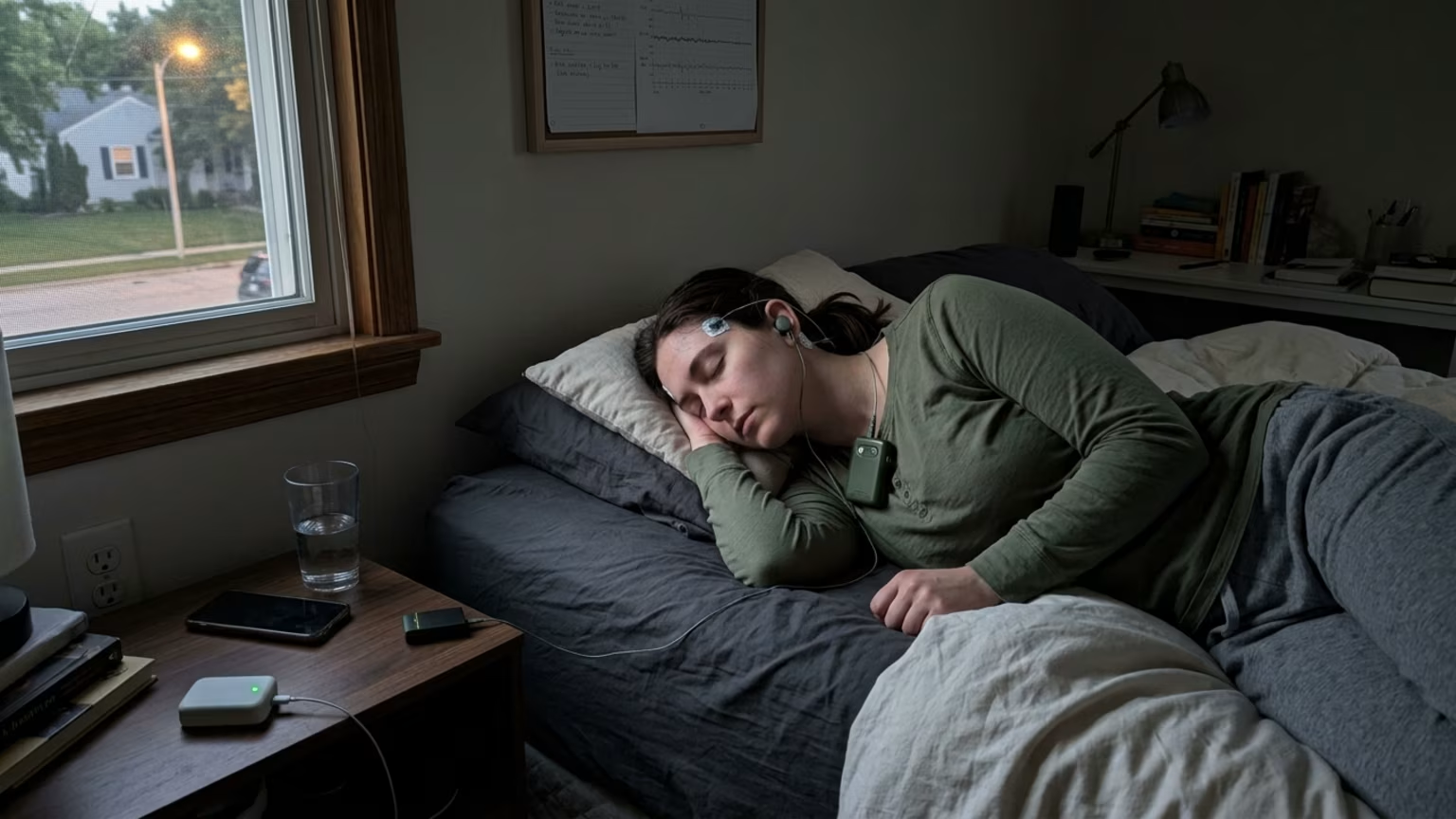
A 2026 study in Sleep evaluated acoustic stimulation for memory in young adults. Discover what the findings mean for veteran sleep health and cognitive recovery.


Australian veterans seek transparency on the 122 Royal Commission recommendations and prepare for a new $5,000 allied health threshold starting next July.
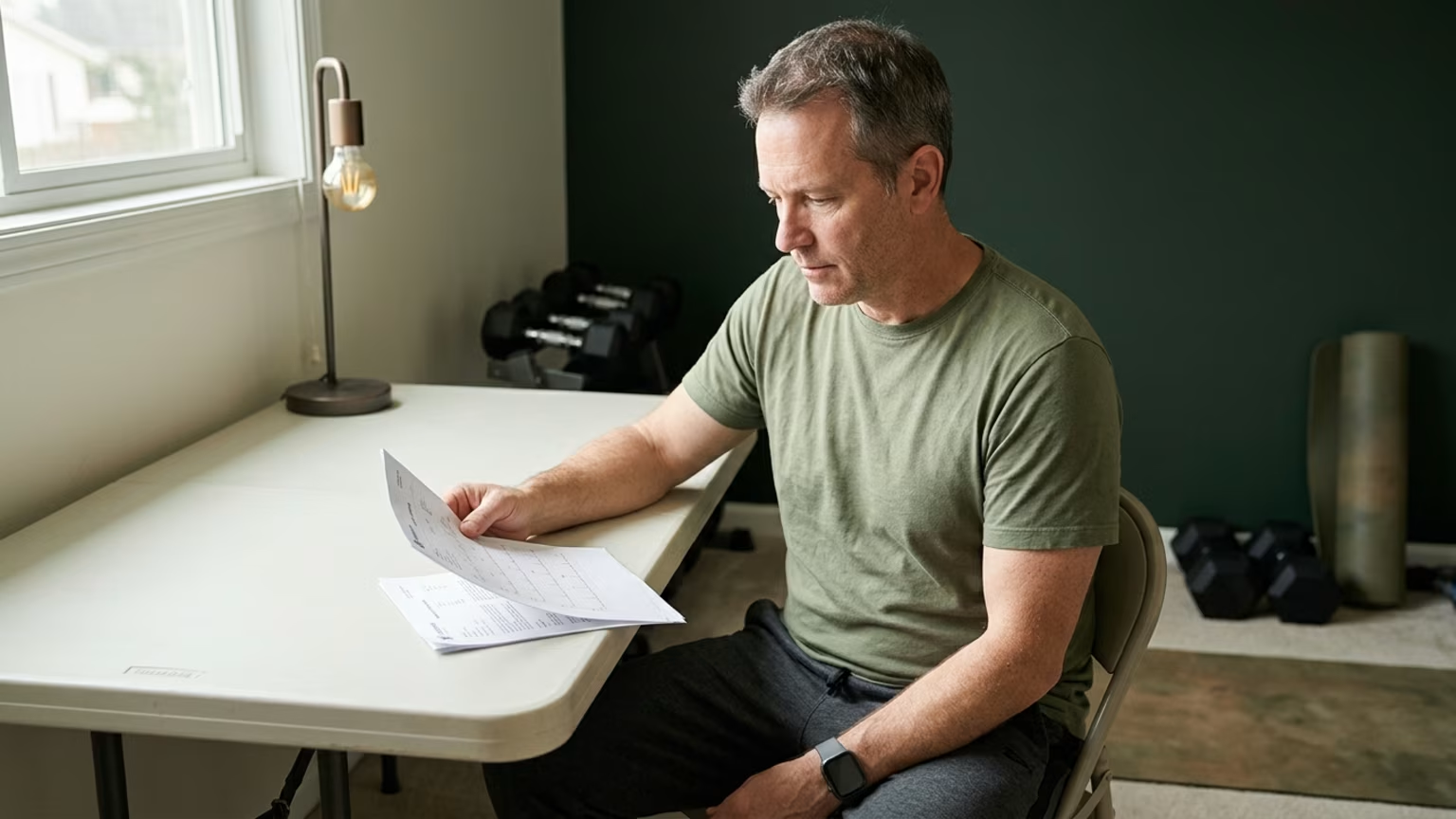
Recent 52-week trial data shows structured exercise reduced arterial disease markers more than a GLP-1 drug alone. Learn what this means for veteran health.
Build better habits around strength, recovery, sleep, hormones and healthy aging with practical guidance for active military personnel and veterans.
Explore BattleVet